
Reading options
What's inside (15 sections)
Books about writing books can collapse under their own cuteness. This one does not, mostly because the grief underneath is real. Ciara Sheridan has to finish her dead father's epic fantasy finale, and she has never written a love story in her life. An editor named Sam Avery arrives in Ireland to make sure she does. Two weeks, one rambling coastal estate, a red pen, and a deadline. You know the shape. The pleasure is in the banter and the ache beneath it.
Walsh writes rom-coms with genuine jokes, which puts her ahead of most of the field. The banter here crackles. But the book earns its emotional beats too. A daughter finishing her father's sentences, literally, while grieving him: that is a premise with teeth, and Walsh lets it bite.
Ciara blocked
Ciara Sheridan lives in the shadow of the Ravian series, her father Frank's beloved epic, and in a house that embodies him: sprawling, coastal, full of drafts and dogs probably. She writes crime novels under a pseudonym, competently and without joy. Asked to finish Frank's finale, The Last Mountain, she freezes completely. She has never written a love story, and the book needs one at its center.
Writer's block here reads as grief with a laptop. Every page of the outline reminds her Frank is gone. Every fan expectation reminds her she is not him. Walsh, who worked in publishing marketing, knows this world from inside: estates, expectations, the machinery that keeps a dead author's series alive. The details feel reported, not researched.
Her pseudonymous crime career adds a nice wrinkle. Ciara can write, just not this, not now, not as herself. The block is specific rather than general, which makes it solvable in story terms. Watching her steal techniques from her own crime books for the fantasy finale gives the middle its nerdiest pleasures.
Sam arrives
Sam Avery is a fanboy with a job: hotshot New York editor, devotee of Frank Sheridan, sent to Ireland with a red pen and a mandate. He shows up uninvited at Ciara's door and refuses to leave, professionally speaking. The forced proximity is textbook and effective. One estate, two weeks, zero escape routes that do not look like quitting.
Sam works because he loves the books first and his career second. His fannish knowledge of Ravian lore lets him help with plot rather than just process. Scenes of the two untangling Frank's outline mix genuine fantasy-worldbuilding fun with the growing tension between them. Nerds falling in love over canon: catnip for the target audience.
The banter deserves its reputation. Fast, warm, specific to publishing and books. Arguments about love-story mechanics double as flirtation and as craft discussion. When they fight about how fictional couples should behave, they are always also fighting about themselves. Walsh keeps both levels spinning without dropping either.
Two weeks in Ireland
The Irish coastal setting does heavy lifting. Stormy skies, rambling house, village characters with opinions about everything. Summer heat described as historic gives the whole book a slightly feverish pressure. Walsh lives in Dublin and writes home turf with affectionate precision.
The deadline structures everything. Two weeks to outline, draft, and deliver. Daily word counts become love language. Morning pages side by side. Evening arguments about chapters. The montage energy never quite becomes montage; each day gets at least a beat of specific work and specific feeling.
Forced proximity tropes stack shamelessly: one house, one project, one storm that knocks out power at exactly the right moment. Readers allergic to contrivance may roll eyes. Readers fluent in rom-com will recognize the grammar and enjoy the sentences. The book knows what it is and performs it with skill.
Frank's shadow
Frank Sheridan looms over everything without becoming a saint. Flashbacks and outlines reveal a loving but complicated father: present, ambitious, sometimes oblivious. His Ravian books mattered to millions, which makes finishing them a public trust, not just a family errand. The pressure on Ciara is proportional and crushing.
Grief here is specific rather than generic. Ciara misses particular things: his marginalia, his tea habits, his terrible first drafts. The book understands that mourning a parent means mourning a thousand small absences, not one large one. A scene involving Frank's handwriting on the outline pages hit me harder than any kiss.
The legacy question gives the romance its spine. Can Ciara write a love story while grieving the great love story of her life, her father? Sam's arrival forces the question daily. His belief in her functions as both romantic interest and professional mirror. She has to accept both to finish the book.
The love story twist
The meta-structure pays off in the back half. As Ciara and Sam draft the Ravian romance, their own story starts following beats they just outlined. Writing a sex scene for the book becomes the scene where their own tension peaks. The layering could feel cute-overload. Instead it feels inevitable, because Walsh laid the track so carefully.
Dual points of view help enormously. Sam's chapters show a man falling while performing competence. Ciara's show a woman thawing while performing indifference. Neither misreads the other for long, which keeps the conflict about real obstacles, deadline, grief, legacy, rather than manufactured confusion. Adults behaving adultly, more or less.
The finale intertwines both books' climaxes. The Last Mountain gets its ending. So do Ciara and Sam. The parallel resolutions rhyme without merging into mush. Each ending earns the other. Readers who came for swoon get it. Readers who came for the fantasy-series puzzle get that too.
Walsh's shelf
Holiday-romance fans will find the same charm in summer clothes. The banter-to-swoon ratio matches her best work. New readers get a fine entry point with no series baggage. Book-about-books devotees get one of the better recent examples, up there with the stronger Emily Henry titles.
The publishing-insider material distinguishes it from generic rom-coms. Contract clauses, fan expectations, estate management: all real stakes that most romances ignore. Walsh's day-job past pays off on every page. The industry feels observed rather than imagined.
At 352 pages it moves fast. Some late emotional beats arrive quicker than their setup fully supports, and one family revelation lands with a thud of convenience. But the central relationship carries everything. Sam and Ciara talk like people worth listening to, which is rarer in the genre than it should be.
Who should read it
Bookish romantics first and always. Slow-burn lovers who like banter as foreplay. Grief-aware readers who want ache with their swoon. Ireland fanciers. Formerly blocked writers seeking solidarity and hope.
Spice runs open-door and enthusiastic without dominating. The slow burn earns its payoff through two hundred pages of talk first. Forced-proximity fans get the full menu. Publishing nerds get Easter eggs on every page.
Walsh keeps getting better, and this is her most complete book to date. Funny, moving, smart about work and love alike. The rare rom-com that respects both halves of the hyphen. Highly recommended for the beach bag and beyond.
The last page
What stays with me is the image of a daughter typing her father's ending. All stories end, the book suggests, and someone has to write the last line. Doing it with love counts as its own kind of love story.
Ciara learns to write romance by living a draft of one. Sam learns that editing means serving the writer, not the market. Frank gets his finale. Readers get two love stories for the price of one, which is either a bargain or a trick depending on your generosity. I call it a bargain.
Walsh wrote the rom-com about writing a rom-com and made it feel fresh. That is harder than it looks. The banter sparkles, the grief grounds, the swoon delivers. The book knows how to write a love story because it just did.
The Ravian books within
Frank Sheridan's epic deserves attention as more than a plot device. The Ravian series, beloved by millions in-world, gets enough texture to feel real: maps, prophecies, a fanbase with opinions. Sam's encyclopedic knowledge lets exposition arrive as enthusiasm rather than lecture. Readers who love fantasy will enjoy the nested worldbuilding for its own sake.
The Last Mountain as a title does quiet thematic work. Finales end things. Mountains get climbed or they kill you. Ciara must finish both a fictional ascent and a real one. The outline Frank left functions like a map drawn by someone who knew the terrain but cannot walk it with her. Following it requires trust across death.
Sam's fannish devotion matters structurally. He loves these books the way real readers love real series, which makes his editorial role complicated. Can a fan edit honestly? His red pen sometimes trembles over sacred passages. Watching professionalism wrestle with devotion gives the work scenes their charge. Every cut costs him something visible.
Ireland as co-author
The coastal estate setting earns its postcard status. Walsh writes weather as mood regulation: sun for hope, storms for confrontation, sea mist for confusion. The house itself, rambling and full of Frank, functions as a third character in the romance. Rooms remember. Gardens overgrow. Dogs probably approve of everything.
Village life supplies comic relief and emotional ballast. Shopkeepers with views on the Sheridan legacy. Pub regulars who knew Frank as a neighbor first and legend second. Their affection for Ciara is gruff and real. When the book needs witnesses to her growth, the village provides them without feeling planted.
The hottest-Irish-summer framing adds pressure and sensuality. Heat makes everyone a little reckless, a little honest. Sweat, salt air, cold swims: physical details keep the romance embodied. Two weeks in close quarters during a heatwave would test anyone's composure. Walsh uses climate as accelerant shamelessly and well.
Grief with jokes
The book's tonal balancing act deserves praise. Grief scenes land without melodrama. Comedy scenes land without undercutting the sadness. Shifting between registers within chapters could cause whiplash. Instead the mix feels like real mourning, which includes laughter at inappropriate moments and tears during funny stories.
Ciara's crime-writing pseudonym pays off thematically here. She spent years writing death professionally while avoiding her own loss personally. Sam forces the connection gently, pointing out that her thrillers circle abandonment. Being read accurately by someone new feels intimate in ways the book explores with care.
Frank's presence-through-absence recalls the best fictional dead parents: specific, consequential, unresolved. His outline notes contain jokes only Ciara gets. His drafts show where he struggled, which humanizes the legend usefully. Legends do not revise. Fathers do. That distinction powers the finale.
The editor romance tradition
Editor-author romances form their own micro-genre, and this is among the better examples. The power dynamics get handled with unusual care. Sam holds professional power over Ciara's deadline. Ciara holds creative power over the book he loves. The balance shifts scene by scene, keeping things equitable enough to root for.
Red-pen scenes double as love scenes throughout. Marginalia as flirtation. Tracked changes as trust exercises. Anyone who has collaborated creatively will recognize the intimacy of shared drafts. Letting someone edit you is letting them see you fail in real time. Sam's gentleness with Ciara's worst pages reveals him completely.
The deadline externalizes what romances usually internalize. They cannot circle forever; the publisher waits. That pressure cooker justifies the short timeline without making feelings feel rushed. Two weeks of intense collaboration can absolutely reorder a life. Anyone who has survived a startup launch or show week knows the phenomenon.
Why it stands out
Against fellow 2026 romances, the publishing-insider angle distinguishes it. Few competitors offer this level of industry texture. The fantasy-novel-within gives speculative readers a door in. The grief core gives literary readers something to hold. The swoon gives everyone else exactly what they came for.
Walsh's growth across books shows here. Earlier rom-coms leaned harder on banter. This one trusts silence, work scenes, and landscape. Confidence looks like restraint. The jokes still land, but the book no longer needs every page to sparkle. Some pages just breathe, and breathing suits them.
Read it for the meta-romance done right, stay for the father-daughter story underneath. Both deliver. Either alone would justify the pages. Together they make the strongest case yet that Walsh belongs on the must-read romance shelf. The love story is well written. So is the book about writing it.
FAQ
When was it published?
G. P. Putnam's Sons published it on March 10, 2026. It runs 352 pages with ISBN 9798217043781.
Is it part of a series?
No. It is a standalone romantic comedy set on the Irish coast.
Who leads it?
Ciara Sheridan, editor Sam Avery, and, in memory and outline, her father Frank Sheridan of the Ravian books.
Similar books
PS, I Love You
Widowed at thirty, Holly Kennedy follows ten monthly letters left by her late husband Gerry, facing grief, loving family chaos and slow steps toward a new life…
2,501-word summary · 11 min read
Shopaholic and Sister
Becky Brandon returns from a ten-month honeymoon to meet the half-sister she always wanted, then discovers that Jess is thrifty, prickly, and nothing like the…
2,591-word summary · 12 min read

Sam's Letters to Jennifer
A grieving journalist reads her grandmother's letters and finds a decades-long love affair that changes how she sees her family.
2,310-word summary · 10 min read
Amy & Roger's Epic Detour
Amy Curry has not driven since the crash that killed her father. With Roger at the wheel and a box of maps between them, a cross-country trip becomes a slow…
3,034-word summary · 13 min read
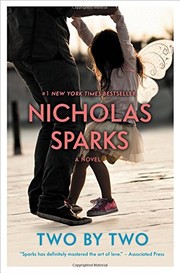
Two by Two
Sparks's twentieth novel turns from first love to a marriage breaking up: Russell Green loses his wife and his job, then rebuilds his life around his…
2,192-word summary · 10 min read
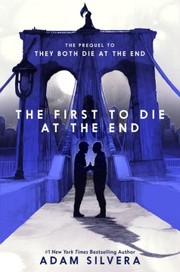
The First to Die at the End
On the night Death-Cast launches, a boy with a bad heart meets a model with everything ahead of him, and one of them gets the call.
2,908-word summary · 13 min read

At First Sight
Jeremy and Lexie are married and expecting a baby when anonymous emails tell him the child may not be his.
2,317-word summary · 10 min read
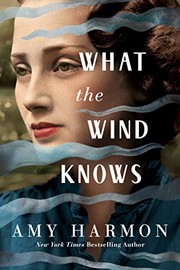
What the Wind Knows
Annie scatters her grandfather's ashes on Lough Gill and is pulled into 1921 Ireland, where she becomes the missing Anne Gallagher and falls for Dr. Thomas…
2,056-word summary · 9 min read
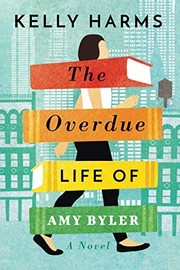
The Overdue Life of Amy Byler
A burned-out school librarian gets a summer to herself when her estranged husband returns, and discovers that being a mother does not have to mean losing…
2,055-word summary · 9 min read
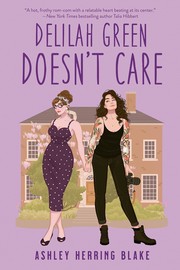
Delilah Green Doesn't Care
Delilah returns to Bright Falls to photograph her stepsister's wedding and falls for Claire, a bookstore owner and single mother, while a cruel bet threatens…
2,315-word summary · 10 min read
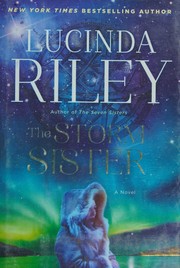
The Storm Sister
Ally D'Aplièse loses her father and her lover within weeks, then follows a brass frog and a Norwegian biography into Anna Landvik's music and the world of…
2,376-word summary · 11 min read
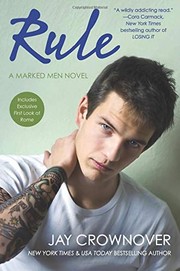
Rule
A tattoo artist still grieving his twin and the polished girl who has loved him since she was thirteen finally collide one drunken night in Denver.
2,014-word summary · 9 min read
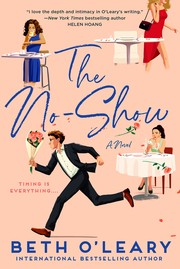
The No-Show
Three women are stood up on Valentine's Day by the same man, but the timeline is not what it seems. O'Leary's warmest book with a knife in it.
2,127-word summary · 9 min read
The Little Paris Bookshop
A Paris bookseller who prescribes novels as medicine finally opens a twenty one year old letter from his lost love and sails south through France to find her.
2,050-word summary · 9 min read
Ten Big Ones
Stephanie witnesses a gang robbery dressed as a devil, and the Comstock Street Slayers put her on a list of people to kill.
2,062-word summary · 9 min read

Someone Like You
Halley and her best friend Scarlett face a summer of grief, a surprise pregnancy, and Halley's dangerous first romance in Sarah Dessen's 1998 young adult novel.
2,218-word summary · 10 min read
The Sky Is Everywhere
Lennie grieves Bailey while torn between Toby and Joe.
2,251-word summary · 10 min read
The Accidental Tourist
Grieving Macon writes travel guides for haters of travel, then Muriel intrudes.
2,252-word summary · 10 min read
If Only I Had Told Her
Finn, Jack and Autumn speak after the crash that took one of them.
2,543-word summary · 11 min read
Everything We Keep
A widow questions her husband's death when a stranger claims his past.
2,307-word summary · 10 min read
Bridget Jones: The Edge of Reason
Bridget doubts Mark, takes a job with Daniel, and lands in trouble in Thailand.
2,198-word summary · 10 min read
The Upside of Falling
Two teens fake-date for a summer dare and end up facing grief, family secrets, and first love.
2,274-word summary · 10 min read
Shopaholic Ties the Knot
Becky Bloomwood plans two weddings at once while debts pile up and Luke's mother interferes.
2,218-word summary · 10 min read
Playing for Keeps
Childhood neighbors Haley and Jason turn a long prank war into a fake relationship that turns real.
2,571-word summary · 11 min read
Hello Stranger
Portrait artist Sadie loses face recognition after brain surgery and must finish a contest piece while falling for two men.
2,210-word summary · 10 min read
Tangled
Told by a cocky businessman, a bet to win the new associate who rejects him turns into real pursuit, strict rules, a painful reveal and a wedding-level happy…
2,868-word summary · 13 min read
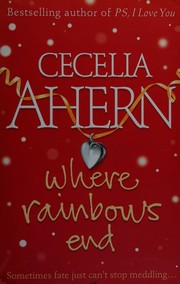
Where Rainbows End
Told in letters and emails, Rosie Dunne and Alex Stewart grow from Dublin childhood to midlife, missing chances at love while raising Katie.
1,943-word summary · 9 min read
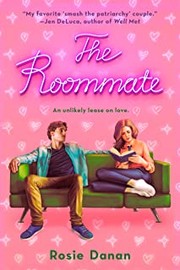
The Roommate
Uptight Clara shares a flat with porn star Josh and teams up to build ethical adult films for women.
2,362-word summary · 10 min read
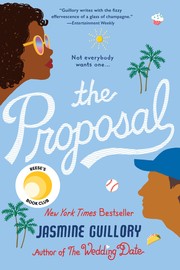
The Proposal
Nik says no to a stadium proposal and rebounds with Carlos in flirty LA romance.
2,044-word summary · 9 min read
Shopaholic Takes Manhattan
Becky and Luke move to New York where shopping fame tempts her to ruin both.
2,025-word summary · 9 min read