
Reading options
What's inside (9 sections)
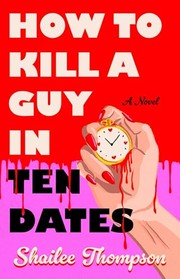
I picked this up because a bookseller told me it was the rare horror romance that respects both halves. That is a big claim. Most mashups lean one way, either the romance goes soft or the horror goes silly. I love slasher movies and I love a good love triangle, so the pitch of speed dating interrupted by a masked killer sounded like either a great night or a gory mess. It turned out to be both, in a good way, and I finished it in two sittings with the lamp on.
Facts first: Gallery Books trade paperback, February 3, 2026, 368 pages, ISBN 9781668206713. Debut novel by Shailee Thompson, an author based in Brisbane who writes about movies with obvious affection. It earned starred reviews from Kirkus, Publishers Weekly, and Library Journal, which is unusual for a rom com slasher and tells you the craft is there. Expect gore on the page, including entrails, plus open door romantic scenes. This is adult horror romance with jokes, not cozy mystery with fake blood.
Jamie Prescott is our lead, a cinephile with strong opinions about rom coms and slasher films and how they secretly share bones. Her best friend Laurie drags her to a speed dating night at a club, the kind of event with match cards, a ringing bell, small tables, and a lineup of mediocre men. Jamie expects awkward chat and street food after. She does not expect the lights to cut out and one of her dates to end up with his throat slit right at their table. When the lights come back, there are more bodies on the floor. The doors will not open. Phones are useless. Someone in the building is hunting daters, and the night has just started.
Mediocre men and a ringing bell
The opening chapters are pure comedy of embarrassment before the blood starts. Jamie narrates dating with the eye of someone who has seen every meet cute and every prank edit of it. She clocks the guy who leads with his crypto portfolio, the one who treats the timer bell as a personal insult, the one who has clearly never asked a follow up question in his life. Laurie is the warmer counterweight, teasing Jamie out of her shell, stealing fries, hyping her up between rounds. Their friendship feels lived in, full of shorthand and old jokes, and it matters later when survival choices get hard.
Thompson seeds the horror knowledge early without lecturing. Jamie has a pet theory that rom coms and slashers run on the same engine: a contained cast, a ticking clock, escalating set pieces, a final pairing that survives the night. She even jokes about Final Girl rules on the way in, the kind of fan talk that reads as cute until it becomes a manual. The club itself gets sketched fast: low light, sticky floors, a bar that keeps serving during the first rotations, bathrooms down a hall nobody wants to walk alone. You can feel the geography because you will need it later, every exit and back hall and locked door.
What I liked about this setup is its patience. The book lets you sit through a few full mini dates so the later absences hit. When a chair sits empty after the blackout, you remember who sat there. One guy who seemed sweet. One who seemed slimy. The match cards become a morbid roster. That is smart construction for a debut, and it pays off when suspicion starts moving around the room.
Blackout and bodies on the floor
The blackout sequence is the book scariest passage, and Thompson stages it cleanly. The lights die mid sentence. Screams from far off, then close. The wet sounds Library Journal warned about. Glass breaking, chairs tipping, someone laughing in a way that does not sound like fun. When the emergency lights stutter back, the room has changed shape. Bodies at tables. Blood on match cards. A bell still ringing because nobody turned it off.
Panic does what panic does. People insist on splitting up. People insist their boyfriend is fine and went for help. People insist the killer must have left. Jamie, who has watched enough slashers to know these lines get people killed, tries to hold a group together with pure nerve. Stay in sight. Count heads. Barricade what you can. Grab anything heavy. The prose stays readable here rather than purple, short paragraphs and sensory detail, copper smell and humming lights, and I appreciated that restraint. Gore is present but not lingered over for cruelty points.
Laurie anchors these pages. Where Jamie goes analytical under stress, listing exits and weapons, Laurie goes human, checking pulses, holding hands, talking people down from screaming. That split gives the survival group a believable core. They are not action heroes. They are two friends with complementary panic responses, and the book never lets you forget they walked in expecting a funny night out. The grief hits in flashes between logistics, which felt honest to me. You plan and then you cry and then you plan again.
The horror expert takes charge
Once the group accepts nobody is coming to help yet, Jamie becomes the reluctant advisor, and this is where the book thesis gets its workout. She lays out slasher rules in plain speech: do not wander off alone, do not assume the killer is gone because the room is quiet, do not waste your phone battery filming, do check every body because killers play dead too. Some daters listen. Some roll their eyes. One guy keeps trying to be the hero who goes to check the noise, and the group has to physically stop him twice. Horror fans will grin. Non horror fans will still follow, because Thompson translates every trope into practical advice.
The makeshift weapons montage is grim and funny at once. Bar tools, broken chair legs, a fire extinguisher someone has to be taught to use, high heels snapped off for grip. Jamie assigns buddies, maps the club in her head, marks which halls are traps. She keeps returning to her central idea that slashers and rom coms both reward attention: notice who watches whom, notice who lies about small things, notice who performs care versus who does it quietly. That double lens lets her read the room for both danger and affection, which feeds the romance plot without pausing the survival plot.
I want to praise the sound design on the page, since the audiobook review flagged it and the print carries it too. The bell keeps intruding, a normal dating sound turned into a countdown. Far off screams mark time. The killer footsteps change surface, tile to carpet to tile. Little sensory anchors like that keep tension up during talky planning scenes. My one gripe in this section is that a couple of survivors make the kind of poor decisions that raise tension but stretch belief, wandering after noises after being told twice. Thompson knows the trope and winks at it, but the second time it happens I sighed rather than gasped.
A love triangle at the worst possible time
Yes, there is a genuine love triangle in the middle of a massacre, and yes, it works better than it should. As the night wears on and the group shrinks, Jamie finds herself pulled between two of the other survivors. One is steady and kind in a crisis, the guy who holds the door, shares water, remembers names. The other is sharper and funnier, quick with a plan and quicker with a joke that breaks fear for a minute. Both look different with blood on their sleeves than they did over mini dates, and Jamie hates herself a little for noticing attraction while people are dying. The book does not judge her for it. Fear and tenderness can share a room.
The romance beats are woven through survival tasks rather than set apart. Hands brush while barricading. Someone ties a makeshift bandage and lingers. A whispered argument about the next move turns into an admission that feels too big for the hallway. Thompson keeps the physical content consensual and brief amid chaos, more heat in glances and confessions than in long scenes, which suits the ticking clock. The banter stays strong even here, full of movie references that never quite become homework. You do not need to catch every nod to follow the feelings.
Suspicion, of course, poisons everything sweet. Perhaps the love triangle can resolve itself if one of them turns out to be the killer, as Library Journal put it, and Jamie thinks exactly that at least twice. Is steadiness a performance. Is charm a lure. She watches both men the way she watches horror suspects, and the book lets you watch her feel gross about it. That queasy mix of swoon and doubt is the book most original note, and Thompson sustains it without cheating. No hidden point of view tricks, no withheld facts the narrator should share. You get what Jamie gets, and you guess alongside her.
I kept flipping between rooting for a kiss and shouting at everyone to keep their eyes on the exits, which I think is exactly the split the book wants.
Final Girl theory, tested with a machete
The back third leans fully into slasher mechanics, and I will keep this vague on purpose because the killer identity and the final twists deserve a clean watch. The night narrows to fewer rooms, fewer people, longer quiet stretches. The killer, masked and methodical with a machete, starts playing with the group rather than simply picking them off, leaving signs that suggest a sick design. Jamie begins to suspect the murders are not random, that someone is staging a courtship by blood, trying to force one of the daters into a real life Final Girl role. That idea is creepy in the right way, fame and obsession dressed as devotion.
The chase passages are well built. Thompson uses the club layout she planted early, so pursuits have logic: wrong turns cost, locked doors matter, the bar that felt festive now reads as a trap with one way in. Jamie horror knowledge finally gets its full test, and the book is fair about both its power and its limits. Knowing the rules keeps her alive longer, but the killer knows the rules too, and some of the most frightening beats come when Jamie does everything right and it still barely works. Laurie gets strong moments here as well, brave in ways that are not showy, and the friendship payoff landed for me harder than any kiss.
The ending keeps guessing until late, which the starred reviews promised and the text delivers. Motives click into place without a long villain speech, and the final confrontation mixes gore, grief, and a rom com beat I did not see coming but bought on the spot. Afterward the book does not rush the exhale. There is shock, there are interviews implied rather than shown, there is the weird guilt of surviving a night others did not. The last romantic choice feels chosen rather than defaulted to, and the final pages leave Jamie changed in ways beyond who she holds hands with. She still loves movies. She just knows their cost now.
Gore, laughs, and the wobbles
Time for the honest accounting. The strengths are real: pace that rarely sags across 368 pages, a voice that can pivot from joke to dread in one paragraph, a central friendship that grounds the blood, and a mystery that respects the reader. The movie talk charms without becoming gatekeeping, and the kills, while graphic, mostly serve story rather than spectacle. For a debut, the control is striking. Thompson understands both genres well enough to blend them instead of stacking them.
The wobbles are worth naming. The gore level will push away some romance readers, full stop. On page entrails, throat wounds, wet stabbing sounds: if that sentence turned your stomach, believe it. A few supporting daters stay thin, defined by one trait so the suspect pool stays readable, which is efficient but sometimes flat. And as noted, the mandatory poor decisions, splitting up after warnings, trusting a quiet hallway, appear right on schedule. Genre fans will forgive those as tribute. Others may find them trying.
Who should read it. If you liked the idea of Scream crossed with a 2000s rom com, if you enjoy Love in the Time of Serial Killers style banter with higher stakes, if you want a Final Girl who earns the title with brains and loyalty rather than luck, this belongs on your shelf. Read it with the lights on and someone home if you are jumpy. I laughed, I gasped, I guessed wrong twice about the killer, and I closed it admiring how much heart Thompson packed into one terrible night. For a first novel, that is a fine kill count to report.
Footnote on the edition
Verified numbers per the request: Gallery Books trade paperback, February 2026 (the third, per the publisher page and Kirkus), 368 pages, ISBN 9781668206713. Library Journal starred review covers the February 2026 audio but describes the same speed dating siege, Jamie torn between two men, and the horror savvy survival rules. Tags filed: romance, horror, comedy, slasher, debut.
FAQ
When was How to Kill a Guy in Ten Dates published?
Gallery Books published it on February 3, 2026. The trade paperback runs 368 pages with ISBN 9781668206713.
Is it a debut novel?
Yes. It is Shailee Thompson first novel, and it earned starred reviews from Kirkus, Publishers Weekly, and Library Journal.
How gory is it?
Very for romance. Expect on page entrails and throat wounds, so sensitive readers should skip it.
Similar books
Her Soul to Take
A paranormal vlogger in a cult-run town summons a bound demon, and the only way to survive the god beneath the mine is to give him her soul.
2,089-word summary · 9 min read
Shopaholic and Sister
Becky Brandon returns from a ten-month honeymoon to meet the half-sister she always wanted, then discovers that Jess is thrifty, prickly, and nothing like the…
2,591-word summary · 12 min read
Circus of the Damned
A rogue master vampire arrives in St. Louis and Anita Blake is caught in an undead turf war, with a science teacher in the crossfire.
2,757-word summary · 12 min read
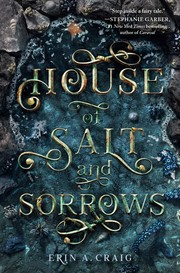
House of Salt and Sorrows
Annaleigh Thaumas investigates her sister's death in a cursed island manor where the balls are illusions and the sea god is always listening.
2,025-word summary · 9 min read
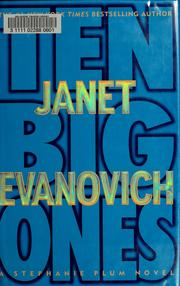
Ten Big Ones
Stephanie witnesses a gang robbery dressed as a devil, and the Comstock Street Slayers put her on a list of people to kill.
2,062-word summary · 9 min read
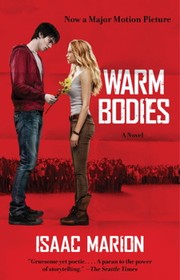
Warm Bodies
Zombie R eats Perry, spares Julie, and starts turning human again.
2,366-word summary · 11 min read
Bridget Jones: The Edge of Reason
Bridget doubts Mark, takes a job with Daniel, and lands in trouble in Thailand.
2,198-word summary · 10 min read
Anna Dressed in Blood
Ghost hunter Cas meets Anna, the ghost who kills back.
2,622-word summary · 12 min read
Shopaholic Ties the Knot
Becky Bloomwood plans two weddings at once while debts pile up and Luke's mother interferes.
2,218-word summary · 10 min read
Playing for Keeps
Childhood neighbors Haley and Jason turn a long prank war into a fake relationship that turns real.
2,571-word summary · 11 min read
Hello Stranger
Portrait artist Sadie loses face recognition after brain surgery and must finish a contest piece while falling for two men.
2,210-word summary · 10 min read
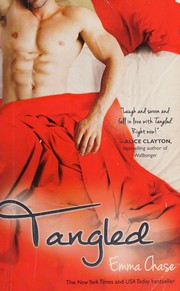
Tangled
Told by a cocky businessman, a bet to win the new associate who rejects him turns into real pursuit, strict rules, a painful reveal and a wedding-level happy…
2,868-word summary · 13 min read
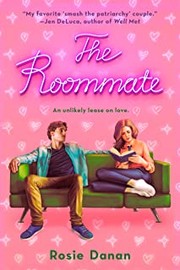
The Roommate
Uptight Clara shares a flat with porn star Josh and teams up to build ethical adult films for women.
2,362-word summary · 10 min read
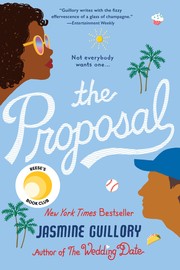
The Proposal
Nik says no to a stadium proposal and rebounds with Carlos in flirty LA romance.
2,044-word summary · 9 min read
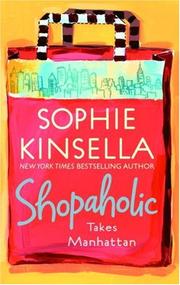
Shopaholic Takes Manhattan
Becky and Luke move to New York where shopping fame tempts her to ruin both.
2,025-word summary · 9 min read
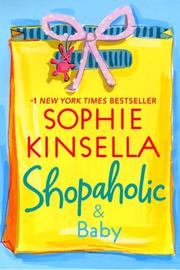
Shopaholic and Baby
Pregnant Becky shops for the perfect nursery while Luke's ex becomes her obstetrician.
2,247-word summary · 10 min read
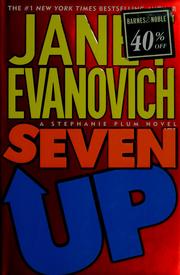
Seven Up
Stephanie hunts old mobster Eddie DeChooch, finds a body, a missing heart, and trouble from Morelli to Ranger.
2,798-word summary · 12 min read
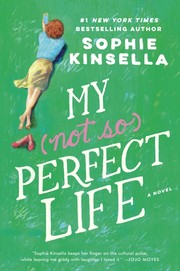
My Not So Perfect Life
Katie chases London creative life while her perfect boss Demeter hides cracks, until a farm trip flips roles.
2,300-word summary · 10 min read
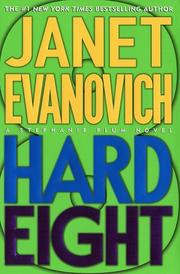
Hard Eight
Janet Evanovich's Hard Eight fully retold: a missing mother and child, Abruzzi's medal hunt, Valerie's rescue, and Ranger crossing a line.
2,961-word summary · 13 min read
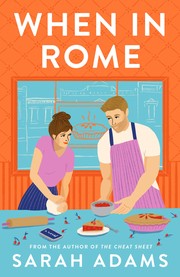
When in Rome
A burnt-out pop star hides out in small-town Kentucky and falls for the grumpy pie-shop owner hiding her.
2,495-word summary · 11 min read
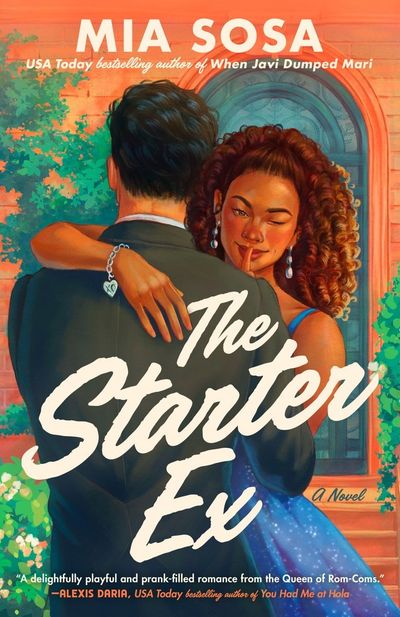
The Starter Ex
A retired bad-girlfriend-for-hire takes one last job and falls for the mark.
2,092-word summary · 9 min read
The Rosie Effect
Married in New York, Don Tillman turns Rosie's pregnancy into research and nearly loses her, until a crisis forces him to listen.
2,869-word summary · 13 min read
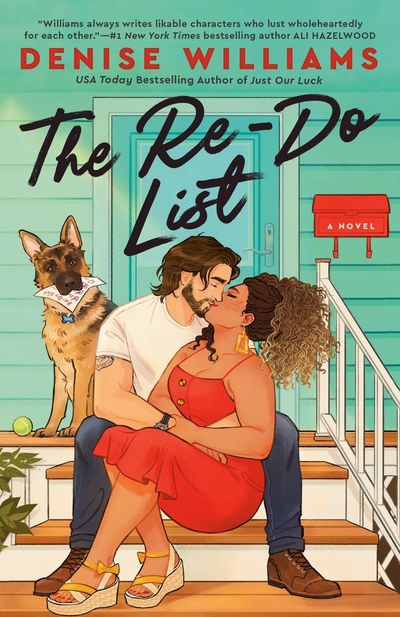
The Re-Do List
After a public breakup, Willow Lewis redoes her romantic firsts with her brother's best friend while dog-sitting in Des Moines.
2,390-word summary · 11 min read
The Night We Met
She picked the wrong ride home; now her best friend might be the right man.
1,981-word summary · 9 min read
Pride and Prejudice and Zombies
Austen's courtship plot survives intact while Elizabeth and Darcy battle zombies, from the Netherfield ball to a duel with Lady Catherine.
2,526-word summary · 11 min read
Our Ex's Wedding
A struggling wedding planner and a winery owner who share one heartbreaking ex must join forces to pull off that ex's big day.
2,200-word summary · 10 min read
One & Only
Matchmaker Cassia Park finds fated love for everyone but herself, until a 28-year-old fling and a new boss named Daniel Nam collide.
2,033-word summary · 9 min read
Just for the Cameras
A grumpy football star and a sunny flamingo keeper fake a romance for the cameras, then catch real feelings fast.
2,366-word summary · 11 min read
In Her Own League
Baseball's first female owner clashes with her manager until banter turns to heat.
2,076-word summary · 9 min read
How to Write a Love Story
A blocked author and her editor get two weeks to finish her late father's epic.
2,095-word summary · 9 min read