
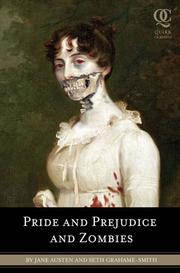
Pride and Prejudice and Zombies
2,526-word summary 11 min read 320 pages in the book
- First published
- 2009
- Publisher
- Quirk Books
- Pages
- 320
- ISBN
- 9781594743344
- Series
- Pride and Prejudice and Zombies (#1)
Reading options
What's inside (8 sections)
A friend handed me this book with a grin and said it was the only Austen adaptation where knowing how to behead someone counts as a marriage qualification. I expected a thin joke stretched over 300 pages. What I got instead was mostly Austen, sentence by sentence, with fighting added in the margins, and the joke turned out to be sturdier than I assumed. The book came out in 2009 from Quirk Books, and the paperback runs 320 pages. The premise is simple: England, same Bennet family, same Darcy, except a strange plague has been raising the dead for decades and every respectable young lady is expected to know how to kill them.
The way it was built is part of the fun. Grahame-Smith kept something like four fifths of Austen's original wording and wrote new passages around it, so you keep sliding between drawing room dialogue you half remember from school and sudden descriptions of combat. Sometimes the seams show. Sometimes the collision is exactly why a scene works. I went in ready to roll my eyes and ended up reading late because I wanted to see how he would handle the proposal scene with swords involved.
Meryton has a plague problem
The famous opening gets its rewrite on page one: it is a truth universally acknowledged that a zombie in possession of brains must be in want of more brains. That tells you everything about the method. The plot of Austen stays in place, and the undead press in from the edges.
England in this version has lived with the plague for over fifty years. The dead are called unmentionables in polite company, which is a very Austen way to handle a zombie outbreak, as if good manners could keep the graves shut. Villages ring their church bells when bodies rise. Roads are unsafe after dark. Families of standing send their daughters abroad to learn fighting, the way real Regency parents might send a girl to London for polish. The Bennets sent theirs to China. Darcy, being Darcy, studied in Japan and never lets anyone forget he considers his training superior.
Mrs. Bennet remains Mrs. Bennet, except now her panic has two sources. She still needs husbands for five daughters, and she still talks of nothing but officers and weddings, but she also lives in fear of her daughters catching the plague or being eaten before they marry. Mr. Bennet, dry and detached in Austen, is detached here in a different way. He drills his daughters in combat and then retreats to his library while his wife shrieks about nerves and funerals.
The militia stationed near Meryton finally has an explanation. In Austen they just camp there and flirt. Here they are digging up corpses and burning them, which makes Lydia and Kitty's obsession with officers slightly less silly and slightly more grim. The officers still flirt. The girls still chase them. Death just stands closer to the punch bowl.
Jane and Bingley meet at the local ball, and the sisters fight off an attack in the middle of the dancing. That scene sets the contract with the reader. Nobody faints in a useful way. Elizabeth draws a blade from under her dress and goes to work, and Darcy watches her with the horrified attention of a man revising an opinion in real time.
Soon after, Jane is invited to Netherfield and Mrs. Bennet insists she go on horseback instead of taking the carriage. In Austen this gets Jane a cold and a week under Bingley's roof. Here Jane is attacked on the road by unmentionables and arrives hurt, so Elizabeth walks over to nurse her and stays among people who despise her family while her sister recovers. Caroline Bingley is just as cold as ever, only now her insults have to compete with the smell of the sickroom and the noise of patrols outside.
Collins proposes and Wickham charms
Mr. Collins arrives at Longbourn exactly as you remember him if you know the original: longwinded, oily, devoted to his patroness Lady Catherine de Bourgh, and convinced that one of the Bennet girls would be lucky to have him. He fixes on Elizabeth. She refuses him, clearly and more than once, and he responds by assuming she is playing the usual coy game. It never occurs to him that a woman who can kill three zombies before breakfast might mean no when she says it.
He turns to Charlotte Lucas instead. Charlotte is twenty seven, plain, practical, and out of options, and she accepts him for the security of a home. In this version there is an extra layer that made my stomach turn a little. Charlotte has been bitten. She knows what is coming. She marries Collins partly because she believes he is too dull to notice her changing, and because she wants someone who will do what needs doing when the time comes. Austen's Charlotte settled for a foolish husband. This one settles for an executioner who does not know he has been hired.
It is a truth universally acknowledged that a zombie in possession of brains must be in want of more brains.
Then the militia brings George Wickham into the neighborhood, and Elizabeth falls for him the way she does in Austen: fast, and for the worst reasons. He is handsome and easy with his story. He tells her he grew up alongside Darcy, that old Mr. Darcy promised him a church living, and that young Darcy cheated him out of it from spite. Every word fits what Elizabeth already believes about Darcy's pride, so she never checks a single fact. I recognized myself in that a bit too easily. A plausible story from a charming person beats an unpleasant truth most days.
The Netherfield ball arrives with all of Austen's machinery: the scheming mothers, Caroline's sharp smiles, Collins bowing at Darcy as if flattery were a martial art. Wickham stays away. Elizabeth dances with Darcy and needles him about Wickham, and Darcy answers with cool contempt for Wickham's character that she reads as guilt. Then the dead crash the ball, and Darcy deals with them with cold efficiency while everyone else screams. Elizabeth is furious at him for social reasons and impressed against her will for physical ones, which is a fair summary of the whole middle of the book.
The worst proposal, with weapons
Elizabeth visits Charlotte and the new Mr. Collins at Hunsford, and the comedy of that household survives the zombies intact. Collins talks. Lady Catherine holds court at Rosings and lectures everyone on everything, including how Elizabeth ought to practice the piano. The difference is that Lady Catherine now commands her own force of ninjas, because of course she does. Austen's Lady Catherine bullied with rank. This one can also have you killed by silent professionals, which honestly feels consistent.
Darcy keeps appearing where Elizabeth walks, looking miserable, and Colonel Fitzwilliam drops the remark that Darcy recently saved a friend from an imprudent marriage. Elizabeth puts it together at once. Darcy talked Bingley out of Jane. Combined with the Wickham story, her verdict is final: Darcy is arrogant, cruel, and proud of both.
Then comes the proposal. In Austen it is already a disaster, Darcy listing all the reasons the match is beneath him while expecting gratitude. Here the scene goes further. He proposes, she refuses with everything she has, and the argument turns physical. They actually fight, with blades, in the cottage. Darcy is wounded and leaves. I laughed the first time I read it, then sat with it, because the violence makes the emotional content plainer rather than hiding it. These are two proud people who only know how to spar, so of course they spar with steel.
The letter arrives the next morning. Darcy explains himself on paper because he cannot do it in person, and the letter carries the two facts that undo Elizabeth's case. First, he separated Bingley from Jane because he believed Jane felt nothing, and also because he feared Jane might have been touched by the plague, a fear that sounds mad until you remember people in this England watch every cough. Second, Wickham lied about everything. He took money instead of the living, wasted it, sank into debt and bad company, and later tried to run off with Darcy's young sister Georgiana for her fortune. Elizabeth reads it twice, walking alone, and does the hardest thing a clever person does: she admits her evidence was gossip plus vanity. Darcy, for his part, starts to see that his manners invite exactly the rumors he despises. Both of them resolve to change, which is more than most zombie books ask of anyone.
Pemberley changes her mind
Elizabeth tours the countryside with her sensible aunt and uncle, the Gardiners, fighting off the odd attack on the road the way other tourists might complain about rain. They visit Pemberley, Darcy's great house, and his housekeeper Mrs. Reynolds praises him as the best of masters, which lands differently when the staff in question include armed guards. Elizabeth looks at the estate and feels the sting of what she refused, not the money so much as the competence. Everything here is run well.
Then Darcy appears a day early, and the awkwardness is perfect. He is polite to her unfashionable relatives. He is gentle where he used to be stiff. And when a horde of unmentionables threatens the party, he handles it without showboating, which impresses Elizabeth more than any speech could. She starts to understand that the pride she hated was partly armor over a man who does his duty quietly. One of my favorite small touches is how often Darcy does the right thing in this book and tells no one. Austen's Darcy pays Wickham off in secret. This one also fights in secret, bleeds in secret, and lets others take the credit.
Bingley is still in love with Jane, that much is obvious to everyone except Bingley, who needed Darcy's permission to admit it. Georgiana Darcy appears, shy and young, and Elizabeth sees what Wickham nearly did to her. The past looks worse from Pemberley than it did from Meryton, and Elizabeth's old certainty about Wickham curdles into shame.
I should pause here for a complaint, because the book earns one. This middle stretch leans hard on travel and skirmishes, and a couple of chapters feel like the same fight restaged: ambush on the road, Elizabeth and the Gardiners prevail, on we go. Austen's original has a similar lull in the travel section, all letters and landscapes, so maybe the padding is faithful in its own way. Still, I skimmed one roadside battle. When every ambush ends the same way, the dread leaks out, and dread is the one thing a zombie book cannot afford to lose.
Lydia runs off and Darcy pays again
The news breaks the way it does in Austen, fast and ugly. Lydia, the youngest and wildest Bennet girl, has run off with Wickham from Brighton. In 1813 that meant ruin: no respectable family would marry the other sisters. In this version ruin still means the same thing, scandal first and zombies second, which is oddly moving. The world is ending in slow motion and Mrs. Bennet still cares most about what the neighbors will say. She would. That is exactly who she is.
Mr. Bennet goes to London. Mr. Gardiner goes to help. Elizabeth blames herself for staying silent about Wickham's character, and she is right to, though nobody could have stopped Lydia from being Lydia. Then the letter comes: Lydia and Wickham are married, his debts are settled, and Wickham has been left crippled. The crippling is handled with the book's usual shrug, as if losing the full use of your legs were a mild inconvenience rather than the end of a soldier's life. It is one of the moments where the comedy wobbles. Maiming as a punchline needs a steadier hand than this.
It emerges, through Lydia's chatter and the Gardiners' hints, that Darcy did it all. He tracked Wickham down in London, paid the debts, bought the wedding, and saved the Bennets from disgrace without asking for thanks or telling Elizabeth. In Austen this is the proof of changed character. Here it also costs him physically, and he carries it off page the way he carries everything. Elizabeth's gratitude is tangled with something warmer, and for once she does not fight the feeling. She just sits with it, which for Elizabeth counts as a transformation.
Bingley comes back into the picture, and he and Jane pick up where they left off, with Darcy now smoothing the path instead of blocking it. Bingley proposes. Jane accepts. The household that spent the whole book bracing for disgrace gets a wedding to plan, and Mrs. Bennet's nerves pivot from despair to ecstasy without missing a beat. Anyone who has watched good news hit a dramatic family will recognize the speed of that turn.
A duel with Lady Catherine
Lady Catherine de Bourgh does not send a letter. She comes in person to Longbourn, demands a private walk with Elizabeth, and orders her to promise never to marry Darcy. Her daughter Anne, she insists, is the intended bride, and the Bennet blood would pollute Pemberley. Elizabeth refuses to give the promise, point by point, the way she does in Austen.
Then Grahame-Smith cashes the check the whole book has been writing. Lady Catherine challenges Elizabeth to a duel. Not a battle of words, though there are plenty of those, but single combat, with the old woman revealing herself as a terrifying fighter. I will not spoil every beat of the fight except to say Elizabeth wins and then does the most Elizabeth thing possible: she spares her. Mercy from a position of strength, offered to a woman who would never offer it back. Darcy hears of it and understands exactly what it cost her. That, more than any declaration, brings him back to her door.
They marry. Jane marries Bingley. The book closes with the couple looking at a long future together, as happy as anyone can be while the dead keep rising. I liked that the ending does not pretend the plague is over. Love wins, the war goes on, and the last pages carry a nervous edge that Austen never needed.
So who should read this? Readers who bounced off Austen might find the fighting gives the courtship scenes momentum, and zombie fans might find the manners give the gore a shape it usually lacks. Austen purists will hate some of it on principle, and they are entitled to. A few jokes get run into the ground, characters announce beheadings the way other novels announce tea, and Collins is funny exactly twice before the repetition wears thin. But the central trick holds: pride and prejudice look sharper, not duller, when the stakes include survival. Elizabeth misjudges Darcy, Darcy mismanages everyone, and both of them have to bleed a little before they see straight. The zombies are decoration. The misjudgment was always the story.
FAQ
When was Pride and Prejudice and Zombies published?
Quirk Books published it in 2009. The paperback runs 320 pages and the ISBN is 9781594743344.
Is it part of a series?
Yes. It is the first book in the Pride and Prejudice and Zombies series, followed by a prequel and a sequel written by Steve Hockensmith.
Who will enjoy this book most?
Readers who enjoy Austen with action, and horror fans who like manners with their gore. Purists and readers who dislike graphic violence should skip it.
Similar books
More from Pride and Prejudice and Zombies first, then related titles.
Circus of the Damned
A rogue master vampire arrives in St. Louis and Anita Blake is caught in an undead turf war, with a science teacher in the crossfire.
2,757-word summary · 12 min read
The Zombie Survival Guide: Complete Protection from the Living Dead
Max Brooks's deadpan survival manual explains the Solanum virus, the only ways to destroy the living dead, fortifying a home, and the outbreaks history quietly…
2,650-word summary · 12 min read
Warm Bodies
Zombie R eats Perry, spares Julie, and starts turning human again.
2,366-word summary · 11 min read
World War Z
A UN researcher collects survivor accounts from Patient Zero in China to Yonkers and the Redeker Plan, charting the zombie war.
2,248-word summary · 10 min read
Her Soul to Take
A paranormal vlogger in a cult-run town summons a bound demon, and the only way to survive the god beneath the mine is to give him her soul.
2,089-word summary · 9 min read
House of Salt and Sorrows
Annaleigh Thaumas investigates her sister's death in a cursed island manor where the balls are illusions and the sea god is always listening.
2,025-word summary · 9 min read
Lullaby
A reporter discovers that a poem in a children's book kills anyone who hears it, and his attempt to destroy every copy turns into a road trip through grief,…
2,147-word summary · 10 min read
Haunted
Writers lock in for three months and trade worse stories as food runs out.
2,576-word summary · 11 min read
Anna Dressed in Blood
Ghost hunter Cas meets Anna, the ghost who kills back.
2,622-word summary · 12 min read
How to Kill a Guy in Ten Dates
A horror buff trapped at a speed-dating night with a killer uses slasher rules to survive to the last date.
2,226-word summary · 10 min read
Guilty Pleasures
Animator Anita hunts a vampire killer while Jean-Claude pulls her close.
2,136-word summary · 9 min read
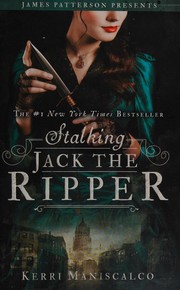
Stalking Jack the Ripper
Lord's daughter Audrey Rose studies corpses in secret while the Ripper works Whitechapel beside Thomas.
2,030-word summary · 9 min read
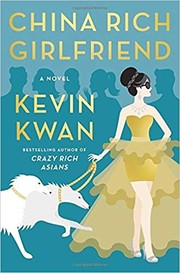
China Rich Girlfriend
Rachel Chu meets her birth father and enters Shanghai high society while Nick, Astrid, and Eleanor face weddings, money, and old family claims.
2,861-word summary · 13 min read
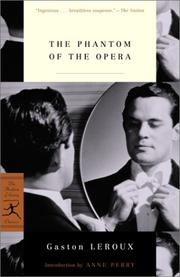
The Phantom of the Opera
A masked Erik haunts the Paris Opera, coaching Christine Daae while rivaling Raoul for her. Chandelier crash, cellar lake, and unmasking follow.
2,307-word summary · 10 min read
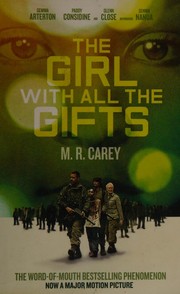
The Girl with All the Gifts
Hungry girl Melanie loves myths while teacher, soldier, and scientist use her.
2,203-word summary · 10 min read
Days Gone Bye
Rick wakes in empty hospital and walks to Atlanta in quiet gray panels.
2,000-word summary · 9 min read
Bunny
Lonely MFA Samantha joins pastel Bunnies who make more than art.
2,110-word summary · 9 min read
American Psycho
Patrick Bateman hides violent urges behind suits and reservations in Ellis's 1991 satire of 1980s Manhattan wealth, brands, and moral blankness.
2,837-word summary · 13 min read
Northanger Abbey
Naive Catherine Morland mixes gothic novels with real Bath society and love.
2,650-word summary · 12 min read
Crazy Rich Asians
Rachel Chu flies to Singapore with Nick Young and learns his family is not just rich but dynasty rich, with mothers, aunties, and weddings testing every bond.
2,117-word summary · 9 min read
Pride and Prejudice
Pride and Prejudice through Elizabeth Bennet: Darcy's first proposal, Wickham's story, Lady Catherine's visit, and how Austen turns manners into a plot about…
2,494-word summary · 11 min read
Abraham Lincoln: Vampire Hunter
Lincoln keeps a secret diary as a vampire hunter, tying his mother's death and the Civil War to a hidden war with the undead.
2,620-word summary · 12 min read
What Moves the Dead
Alex Easton arrives at the Usher house to find Madeline dying, the tarn full of fungus, and the local hares refusing to stay dead.
2,586-word summary · 11 min read

What Happened to Goodbye
Mclean has reinvented herself in four towns since her parents divorced. In Lakeview she uses her real name, and for the first time staying put becomes a choice.
2,796-word summary · 12 min read
The Tale of the Body Thief
Lestat trades bodies with a psychic thief for one day of mortality and ends up trapped, sick, and hunting his own vampire body.
2,069-word summary · 9 min read
The Stationery Shop
Two teenagers fall in love in a Tehran stationery shop in 1953, are separated by the coup and a family deception, and meet again sixty years later.
2,024-word summary · 9 min read
The Only Good Indians
Four Blackfeet men who killed a pregnant elk are hunted by her spirit a decade later, and the only person who can end the cycle is a teenage girl who was not…
2,010-word summary · 9 min read

The Japanese Lover
A Polish refugee and the son of a Japanese gardener fall in love in San Francisco in 1939, then keep the affair secret for nearly seventy years.
2,286-word summary · 10 min read

The Crying of Lot 49
A California woman named executor of her ex-lover's estate follows a muted post horn into a possible centuries-old postal conspiracy, and Pynchon refuses to…
2,003-word summary · 9 min read
Size 12 Is Not Fat
Former teen pop star Heather Wells investigates two dorm elevator deaths while juggling her ex, her crush, and a size-12 wardrobe.
2,805-word summary · 12 min read