
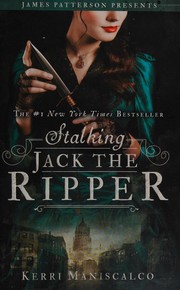
Stalking Jack the Ripper
2,030-word summary 9 min read 326 pages in the book
- First published
- 2016
- Publisher
- Little, Brown Books for Young Readers
- Pages
- 326
- ISBN
- 9780316273497
- Series
- Stalking Jack the Ripper (#1)
Reading options
What's inside (12 sections)
I started Stalking Jack the Ripper because Victorian forensics plus romance sounded irresistible. Kerri Maniscalco published it in 2016 with Little, Brown Books for Young Readers. My reading follows the 326 page hardcover. Audrey Rose Wadsworth studies corpses in secret while the Ripper stalks Whitechapel, with rival Thomas Cresswell at her elbow. It is gory, romantic YA mystery that wears its research lightly.
Audrey Rose is a lord's daughter who should be hunting husbands. Instead she sneaks to her uncle's laboratory to study death. Uncle Jonathan, famed forensic scientist, teaches her autopsy with surprising openness for the era. Stitching. Organ weights. Blood patterns. Audrey learns fast and loves the work with her whole bright mind. Society calls it unseemly. She calls it calling. That conflict drives every chapter as much as murders do. Corsets by day. Corpses by night.
Bodies, clues, and Thomas
The Ripper murders give study urgent purpose. Women found opened and arranged. Police baffled. Press frenzied. Audrey begs access to remains and gets it through persistence and privilege. Autopsy chapters detail wounds without lingering cruelty. What killed. What tool. What order. Those procedures, accurate enough for teens and vivid enough for grownups, teach real forensic logic. Measure. Compare. Exclude. Audrey eliminates suspects the way readers learn to eliminate them. Patience plus scalpel.
Thomas Cresswell, fellow apprentice with sharp cheekbones and sharper deductions, rivals and aids her by turns. He teases. He deduces. He shows up with tea and theories. Their banter carries the book's charm. Competing over incisions. Debating over tea. Falling slowly while denying everything. Maniscalco writes the slow burn with patience rare in debuts. Hand brushes. Glances held. Cases discussed as love language. Readers who swoon will mark pages. Those here only for murder may skim kisses. Both threads earn their space.
Suspects rotate through Audrey's circle with fair play menace. Her brother Nathaniel, charming and idle. Her father, cold and controlling. Uncle Jonathan with secrets. Family friends with alibis that soften. The book plants evidence against each in turn while Thomas argues method over feeling. Follow wounds, not wishes. That discipline pays off in a reveal that implicates intimacy itself. I will not name the hand here beyond saying the unmasking reframes forensic clues laid from chapter three and lands harder for targeting Audrey's own house. Trust no parlor.
Her father's opposition supplies thematic spine. Lord Wadsworth loves his daughter and buries her gifts under expectations. Balls over bodies. He forbids the laboratory, burns her aprons metaphorically if not literally, and pushes suitors who bore her. Audrey disobeys with increasing openness, sneaking less and stating more. That growth from secret study to declared ambition will resonate with teens negotiating their own houses. Her final confrontation with him about her future matters as much as the Ripper's naming. Both name what haunts. One is caught. The other is faced.
Victorian girls with scalpels
The feminism here is earnest and accessible rather than theoretically dense. Audrey notes that men who faint at bodies call women too delicate for study. She keeps a case journal in defiance. She wears specially designed dresses with hidden pockets for tools. Those details delight without anachronism overload. Maniscalco researched period forensics and fashion enough to ground rebellion in real constraints. Corsets really limited movement. Labs really excluded women. Audrey's pushes feel plausible because the walls are solid.
Uncle Jonathan's mentorship deserves praise as ally done right. He teaches rigorously, corrects sharply, and defends Audrey's presence with professional rather than paternal arguments. She assists because she is good. That merit framing avoids savior dynamics. When he keeps secrets late, his reasons wound precisely because trust was real. Mentors failing hurts worse than villains plotting. Young readers learning to separate teaching from trust will find that thread useful beyond mystery.
The Ripper history gets respectful handling with fictional liberties clearly taken. Real victims' names change. Timelines compress. Methods stay plausible for 1888. An author's note separates fact from invention, which classrooms will appreciate. Gore serves detection rather than titillation. Bodies are persons with rents due and sisters waiting, not set dressing. That dignity matters in a subgenre that often forgets victims for villains. Audrey mourns strangers she opens. So should we.
What cuts and what blunts
What cuts is pace, romance, and forensic joy. Short chapters. Cliffhanger autopsies. Banter that crackles. At 326 pages the book moves like it has a train to catch through fog. Maniscalco, who continued Audrey and Thomas across three sequels plus novellas, writes series starters that satisfy while teasing. The central murders resolve. The romance advances to understanding. A final page promise pulls toward book two without cheating closure. That balance is harder than it looks. She nails it.
What blunts is familiarity for seasoned mystery readers. The suspect rotation follows cozy beats. The reveal, while fair, leans on a trope regulars will spot early. Science sometimes bends for plot, with characters identifying too much too fast from too little. Romance occasionally pauses investigation for pining at length. Those are YA debut features rather than bugs, but thriller purists may sigh. Read with teen heart engaged and the book sings. Read with Doyle ruler out and it wobbles.
The prose is lively, modern with period garnish, and unabashed about swoon. Descriptions of dresses and corpses get equal care, which tells you the book's priorities. Both matter. Both get precise language. Dialogue snaps with Cresswell wit carrying weaker scenes. Action late turns breathless in good ways. If you like your mysteries with kissing and your kissing with corpses nearby, this is calibrated exactly.
Length at 326 pages suits one weekend. No bloat. A glossary of forensic terms would help younger readers, but context teaches most. The final confrontation, with scalpels and confessions in close quarters, delivers gothic payoff that justifies every ballroom prelude. Study pays. So does love that respects study.
Forensics as rebellion
The autopsy chapters do double duty as science lessons and feminist declarations. Each procedure Audrey learns, external exam, organ weighing, wound comparison, becomes proof she belongs in rooms barring her. Uncle Jonathan grades without mercy, which dignifies more than praise would. When Audrey correctly reads lividity or tool marks, the victory lands because standards held. Readers learn real Victorian forensic limits alongside her. No fingerprints yet. Photography crude. Blood typing early. Those constraints make deductions impressive rather than magical. Brains over instruments. Patience over gear.
Her case journal habit extends the rebellion onto paper. Sketches of wounds. Timelines of evenings. Lists of alibis with holes marked. That documentation mirrors the book's larger argument about women's testimony. Write it down or watch men rewrite it. Audrey's notes later corner liars who counted on her silence. The journal is both tool and symbol. Knowledge kept becomes power stored. For teen readers learning to trust their own records against gaslighting, that message lands usefully beyond plot. Note dates. Keep copies. Believe your notes.
Fashion details carry surprising weight in this argument. Audrey's hidden pockets, modified corsets, and sturdy boots let her move between ballrooms and morgues without changing identity. Clothes as equipment rather than ornament prefigures later heroines who dress for work. Maniscalco clearly delights in these descriptions without slowing chases for them. A paragraph on boots that grip wet cobbles earns its place by paying off in flight scenes. Dress right. Run fast. Cut cleanly. Those imperatives suit a heroine who refuses divided self. Lady and scientist both. Always.
Balls, dresses, and double lives
Society scenes do structural work beyond sparkle by showing what Audrey sacrifices for study. Balls require smiles that hide exhaustion from night autopsies. Dress fittings steal lab hours. Suitors demand dances that delay dissections. Those tradeoffs make her choices costly rather than cute. Every waltz has an opportunity cost measured in corpses unexamined. Maniscalco writes these conflicts with light touch that never trivializes. Fun matters to seventeen too. Audrey loves silk as well as scalpels. Denying either would flatten her. The book lets her want both and pay for both. That honesty suits teens living divided lives between expectation and passion.
Her father polices the boundary with money and glacial disappointment. Cut off funds. Cancel tutors. Arrange matches with men who fear clever wives. Those pressures escalate as murders approach his circle, turning domestic control into safety theater. Keep daughter home where Ripper can not reach, except home harbors its own threats. Audrey's gradual refusal moves from secret disobedience to open declaration across the book. By finale she states her vocation at dinner tables, not just laboratories. That coming out as scientist matters as much as unmasking killer. Both name hidden truths aloud. Practice one eases other.
Uncle Jonathan's classroom
Uncle Jonathan's laboratory functions as the book's true school, outranking any ballroom or academy. Preserved specimens. Borrowed texts. Locks Audrey learns to pick. His teaching method, show once then demand, builds competence through high expectations that flatter by assuming capacity. When he corrects her incisions sharply, readers should hear respect inside rebuke. He treats her as apprentice, not ornament. That professional regard matters more than familial affection for her growth. Standards do not bend for nieces. Meet them or leave the table. She meets them repeatedly until his own secrets complicate the contract.
His late withholding wounds precisely because earlier candor was real. Mentors who hide one case specialty while teaching all others betray the pedagogy they praised. Audrey's anger at discovery carries the sting of a student who realizes lessons omitted crucial pages. Forgiveness comes slowly through understanding his fears rather than excusing them. That mature resolution suits a heroine growing past worship into peerhood. Teachers are people with locked drawers. Learn everything offered. Forgive selectively. Keep scalpels sharp regardless.
London fog as accomplice
Whitechapel fog does atmospheric labor beyond mood by hiding pursuits and excuses. Killers vanish around corners. Witnesses misidentify through murk. Audrey learns to read fog the way sailors read water, noting density, drift, and lamplight halos. Those details ground chases that could feel staged. Setting constrains tactics realistically. Run where lamps cluster. Lose tails in courts. The city collaborates with whoever studies it hardest. Audrey studies. That diligence pays in finale geography where knowing blind alleys saves lives. Walk the map before needing it. She does.
A romance built on respect
Audrey and Thomas work because the books let them compete without cruelty. He teases her methods, then adopts the good ones. She mocks his theatrics, then admits their use. Each concedes points aloud, which teen romances rarely model. Sorry, you were right about lividity. That sentence, spoken across a corpse, carries more romance than vows. Respect as foreplay sustains across sequels where lesser pairings would stale. Readers invested here get payoff compounded in Romania and beyond. The foundation holds because it was built from conceded arguments rather than rescued fainting. Argue well. Love follows.
Series engine and promise
The book sets up sequels without shortchanging its own mystery, a balance debuts often miss. Audrey's vocation is declared. Thomas's past holds locked rooms glimpsed but unentered. The Ripper's fallout touches families whose grief will drive later volumes. Those threads pull toward Dracula's castle naturally rather than through teaser chapters. Readers finishing will want Romania immediately, not from cliffhanger but from companionship. More cases with these two, please. That please is the series engine purring. Maniscalco tuned it well here and keeps it running across three more books plus novellas.
Who should stalk
Give Stalking Jack the Ripper to YA mystery readers fourteen and up who like horror with manners, to romance fans who want banter with bodies, to forensic curious teens needing heroines with scalpels. It suits autumn nights and Ripper walks taken safely. Do not give it to young or squeamish readers, or to those needing rigorous history without invention. Pair it with Hunting Prince Dracula next, where Audrey and Thomas take their chemistry to Romania.
At 326 pages I read it in two sittings, marking lab pages. Audrey starts hiding aprons and ends claiming her work aloud, having named a killer from her own circle without flinching. That naming, of villain and of self, is why the debut launched a series. Girls with scalpels see clearly. Let them look.
FAQ
When was Stalking Jack the Ripper published?
Little, Brown Books for Young Readers published it in 2016. The hardcover runs 326 pages and the ISBN is 9780316273497.
Is it the first in a series?
Yes. It opens Audrey Rose and Thomas's cases, continued in Hunting Prince Dracula.
Who is Thomas Cresswell?
Thomas Cresswell, fellow apprentice who teases, deduces, and respects her scalpel work.
Similar books
More from Stalking Jack the Ripper first, then related titles.
Anatomy: A Love Story
In 1817 Edinburgh, a noblewoman who wants to be a surgeon disguises herself to study anatomy and falls for the grave robber who supplies her with bodies.
2,031-word summary · 9 min read
Last Night at the Telegraph Club
The 2021 National Book Award winner follows Lily Hu, a Chinese American teenager in 1954 San Francisco, as she falls for Kath and learns what it costs to be…
2,336-word summary · 10 min read
House of Salt and Sorrows
Annaleigh Thaumas investigates her sister's death in a cursed island manor where the balls are illusions and the sea god is always listening.
2,025-word summary · 9 min read
Cross My Heart and Hope to Spy
Cammie Morgan returns to Gallagher Academy for a second year of spy training, only to fall for a boy from a rival spy school and hunt a mole in her own school.
2,567-word summary · 11 min read

I Kissed Shara Wheeler
Shara Wheeler kisses her rival Chloe Green at prom and disappears, leaving a scavenger hunt that forces Chloe to rethink everything she knew about her.
2,083-word summary · 9 min read
Origins
Stefan's diary of 1864 and 1888: how he and Damon fell for Katherine, became vampires, and went looking for a killer in London.
2,056-word summary · 9 min read
Circus of the Damned
A rogue master vampire arrives in St. Louis and Anita Blake is caught in an undead turf war, with a science teacher in the crossfire.
2,757-word summary · 12 min read
The Diviners
In 1920s New York, Evie O'Neill's ability to read objects pulls her into an occult investigation that awakens something far older and more dangerous.
2,045-word summary · 9 min read
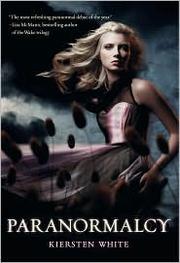
Paranormalcy
A teenage agent who can see through glamour falls for a shape-shifter and learns the agency she works for is hiding her true nature.
2,041-word summary · 9 min read
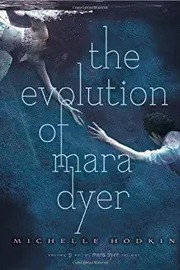
The Evolution of Mara Dyer
Back in Miami after the asylum collapse, Mara Dyer is treated at Horizons while Jude, who should be dead, stalks her. Noah stays close as the experiments…
2,577-word summary · 11 min read
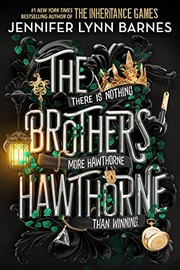
The Brothers Hawthorne
Jameson infiltrates an underground London gambling club for the father he never knew while Grayson protects his half-sisters in Phoenix from a dead man's…
2,019-word summary · 9 min read
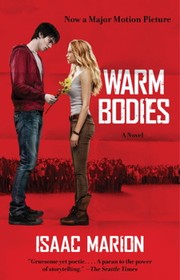
Warm Bodies
Zombie R eats Perry, spares Julie, and starts turning human again.
2,366-word summary · 11 min read
Grave Mercy
Convent assassin Ismae spares Gavriel and hunts traitors in Brittany.
2,357-word summary · 10 min read
Chain of Gold
Cordelia and James hunt demons in Edwardian London while hearts tangle.
2,364-word summary · 11 min read
Anna Dressed in Blood
Ghost hunter Cas meets Anna, the ghost who kills back.
2,622-word summary · 12 min read
The House at Riverton
In 1999, ninety eight year old maid Grace Bradley tapes the truth about a 1924 shooting at Riverton Manor, poet Robbie Hunter, two sisters and a lie held for…
2,433-word summary · 11 min read
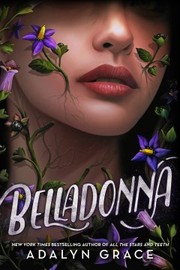
Belladonna
Poison-immune orphan Signa Farrow hunts a gothic killer at Thorn Grove with Death as ally and suitor, while cousin Blythe fades and her ghost mother asks for…
2,868-word summary · 13 min read
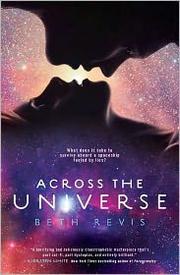
Across the Universe
Frozen teen Amy wakes early on ship Godspeed and joins heir Elder to stop cryo murders and expose Eldest's drugged rule in this January 2011 Razorbill series…
2,430-word summary · 11 min read

The Seven Sisters
Maia follows Pa Salt clue from Geneva to Rio and Christ the Redeemer.
2,210-word summary · 10 min read
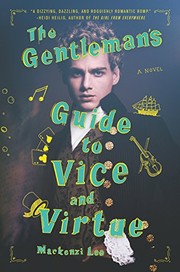
The Gentleman's Guide to Vice and Virtue
Bisexual heir Monty flees across Europe with his crush Percy and sister Felicity after stealing a dangerous box.
2,724-word summary · 12 min read
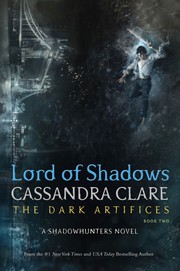
Lord of Shadows
Emma and Julian face faerie war and forbidden love as the Cohort rises.
2,496-word summary · 11 min read
Guilty Pleasures
Animator Anita hunts a vampire killer while Jean-Claude pulls her close.
2,136-word summary · 9 min read
Blue Bloods
At an elite Manhattan school, Schuyler Van Alen learns she is a forbidden half-vampire as someone starts killing her kind.
2,725-word summary · 12 min read
The Unbecoming of Mara Dyer
Sole survivor of a collapse that killed her friends, Mara Dyer moves to Miami, where visions that come true suggest her grief hides something darker.
2,152-word summary · 10 min read
I'd Tell You I Love You, But Then I'd Have to Kill You
Cammie Morgan trains at a secret spy school and falls for a town boy she can never tell the truth.
2,179-word summary · 10 min read
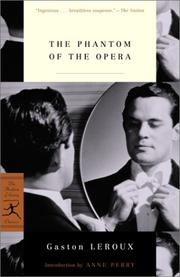
The Phantom of the Opera
A masked Erik haunts the Paris Opera, coaching Christine Daae while rivaling Raoul for her. Chandelier crash, cellar lake, and unmasking follow.
2,307-word summary · 10 min read
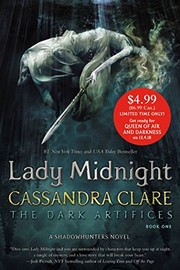
Lady Midnight
Emma and Julian hunt killer echoing old murders while parabatai love grows.
1,982-word summary · 9 min read
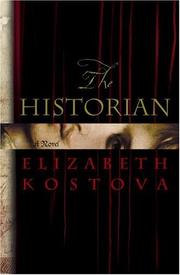
The Historian
A daughter traces her father's search for Dracula through letters and archives across Europe.
3,237-word summary · 14 min read
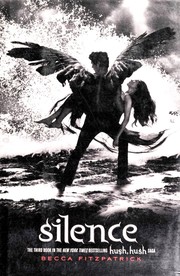
Silence
Nora wakes in a cemetery with five months missing and a stranger called Jev who feels familiar.
3,615-word summary · 16 min read
Crescendo
Nora and Patch survived book one, but distance, Marcie Millar, and a letter about her father's killer pull them apart.
2,980-word summary · 13 min read