
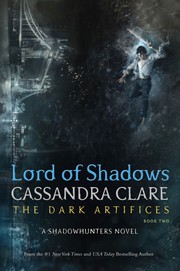
Lord of Shadows
2,496-word summary 11 min read 699 pages in the book
- First published
- 2017
- Publisher
- Margaret K. McElderry Books
- Pages
- 699
- ISBN
- 9781442468405
- Series
- The Dark Artifices (#2)
Reading options
What's inside (7 sections)
I came to Lord of Shadows tired in the best way, the way you feel after a long first book you loved and did not want to leave. I had lived in the Los Angeles Institute through Lady Midnight, all 720 pages of it, and I wanted to know what happened to Emma and Julian next. Cassandra Clare published this second book in The Dark Artifices with Margaret K. McElderry Books in 2017. The first hardcover runs 699 pages with ISBN 9781442468405. It picks up weeks after Lady Midnight and it does not let you ease in. Emma Carstairs has avenged her parents. Julian Blackthorn is holding his family together with schedules and stubborn love. Their parabatai bond, which forbids romantic love, has turned into exactly that. The Clave says that kind of love breaks magic itself. The faerie courts are moving. A group of hardline Shadowhunters called the Cohort is gaining power. This middle book is wide and crowded and sad, but I finished it in three nights because I needed to know who would survive it.
You should know the setup before you start, because Clare assumes you read Lady Midnight. Emma, seventeen, sword in hand and jokes ready, is trying to stay away from Julian to protect him. Julian, seventeen, painter and planner, is trying to pretend distance will work. It does not. They spar together. They patrol together. They feel everything louder when the other is in the room. To create space, Emma starts dating Mark Blackthorn, Julian's older half faerie brother, home after years in the Wild Hunt. Mark agrees because he cares for Emma and because dating gives them all cover. It is awkward and kind and doomed, and all three know it. Here it felt less like a game and more like friends trying a bad plan.
The curse idea gets clearer here. Parabatai love breaks more than a rule. It feeds on itself and it makes magic stronger and wilder around the pair. Julian notices his runes burn brighter near Emma. Emma notices luck bending. Diana Wray, their tutor, warns them without giving the full history. She has her own secrets to guard, including a past the Clave would punish. The fear is specific. If the pair give in fully, the magic could crack and hurt everyone near them. So every kiss is also a risk calculation. That kept me turning pages even when the politics slowed. They slip. They pull back. Teenagers with swords and no good options.
The Institute is full again
What I love most about this series is the house itself. The Los Angeles Institute is not a school with empty halls. It is a home with laundry and cereal and kids shouting down stairs. Julian still parents his younger siblings while trying to be a teenager. Ty, fifteen, sharp and literal, arranges his toys and his thoughts in lines that make sense to him. Livvy, his twin, translates the world for him and fights anyone who mocks him. Dru, thirteen, watches horror movies and pretends she is not scared. Tavvy, seven, follows everyone and asks blunt questions. Helen Blackthorn, the older half faerie sister, returns from exile with her wife Aline, and her arrival shifts the whole house. Mark is also there, trying to relearn how to be a brother after Faerie. Cristina Rosales, the exchange student from Mexico City, has basically moved into their hearts if not legally into the house. She cooks. She listens. She steadies Emma.
Helen matters a lot in this book. She grew up Blackthorn, was sent away to Wrangel Island because her faerie blood made the Clave nervous during the Cold Peace, and now she is back with a wife and a clearer eye. Her chapters show what exile costs. She loves her siblings fiercely but she missed years. She does not know their jokes. She tries to parent and gets it wrong. Aline helps, calm and practical, and the two of them give the younger kids a model of adult love that is steady. One late scene where Helen brushes Dru's hair while Dru pretends to be too old for it made me stop and stare at the wall for a minute. You believe these kids share bathrooms and grief.
Mark's arc is the most painful to read. He was stolen by the Hunt as a child, rode with them, loved a faerie prince named Kieran, and came back speaking like a courtier. In Lady Midnight he was half wild. Here he is trying to be Shadowhunter again, wearing gear, taking patrols, sleeping in a bed instead of under sky. It does not fit smoothly. He misses Kieran. He likes Cristina. He likes Emma in a different way. He hates iron and lies and small rooms. Watching him learn to say what he wants in plain words, without faerie riddles, is slow work. There is a good scene where Ty asks him what the Hunt smelled like and Mark answers honestly instead of making it pretty. Hay and blood and cold stars. Ty nods. Honest answers help Ty more than comfort.
The Cohort gains ground
Politics take up more space here than in book one, and your patience for meetings will decide how you feel about the middle third. After the Dark War, the Clave signed the Cold Peace, which punished faeries harshly for the actions of a few. Many Shadowhunters think the punishment went too far. A smaller group thinks it did not go far enough. That smaller group is hardening into the Cohort, led by older figures and carried forward by young true believers like Zara Dearborn. Zara arrives in Los Angeles with her followers, takes up space in the Institute, insults Helen and Mark for faerie blood, sneers at Diana for reasons Diana will not explain yet, and pushes for faeries to be registered and controlled. She is nineteen and certain, which is a scary combination. Clare does not make her a cartoon. Zara believes Shadowhunters are dying out and only purity and toughness will save them. Wrong, but you see why scared kids listen.
The King of the Unseelie Court plays against this fear from the other side. He is tired of the Cold Peace. He wants old power back. He offers deals. He threatens. He uses Kieran, his son, as messenger and punishment. Faerie cannot lie directly, so every conversation with the King is a word trap. He says true things that mislead. He promises help that harms. Emma learns to ask narrow questions. Julian learns to bring iron and witnesses. Cristina, who spent time in Faerie, learns to hear what is not said. The deals here set up deaths later. A promise Emma makes to the Seelie Queen in particular comes back with teeth.
Diana's secret also moves forward, and I want to handle it carefully because some readers prefer to discover it themselves. Diana is trans, a woman leading the Institute while hiding her history from a Clave that would use it against her. In this book the threat gets closer. Cohort members dig. Forms ask questions. Old records surface. Diana has to decide who to trust with the truth. Her chapters with the younger girls, especially Dru and Livvy, show why it matters that she stays. Clare lets Diana be a teacher and fighter first, not a lesson. Ask before sharing details with people who have not read that far.
Annabel and the Black Volume
The plot engine, under all the romance and meetings, is a book and a girl. The Black Volume of the Dead is a spell book of terrible power that can raise the dead. Everyone wants it. The Blackthorns may be the only ones who can find it because of old family ties. Annabel Blackthorn, a girl from the 1800s who loved and killed and was killed, was buried with secrets. Malcolm Fade tried to raise her in the last book and failed in a way that left worse problems. Now others think they can finish the job. Julian, who will do anything to protect his family from the Cohort and the King, decides the family should find the book first and use it as shield. Emma goes along because she trusts Julian more than she trusts the Clave. Cristina and Mark join. That choice, practical on the surface, pulls them into Faerie and into old magic that does not forgive mistakes.
Annabel when she rises is not what anyone expects. She wakes confused, grieving, powerful, and very angry at the family that left her in walls. She remembers being a girl who loved books and a boy who said he loved her. She remembers betrayal. She does not understand phones or cars or why Shadowhunters now fear faeries more than demons on some days. Her scenes with Julian are tense because he tries to manage her like a mission and she refuses to be managed. Her scenes with Emma are softer, two girls with swords who both lost parents to Shadowhunter politics. I liked Annabel even when she scared me. She is not evil in a simple way. She is a person brought back wrong, asked to fix problems she did not cause, then blamed when she breaks. Zara barks orders. Julian bargains. Emma listens.
The search for the Volume takes them through libraries and caves and Courts, with puzzles that reward readers who remember Mortal Instruments lore. Ty solves part of it because he thinks in patterns others miss. Livvy keeps him grounded because she knows when he is pushing too far. Dru insists on coming and proves useful, which matters to a thirteen year old who feels left out. These group missions are where the family shines. Everyone has a job. You see why Julian bets everything on family.
Into Faerie and what it costs
The last quarter moves to Faerie for meetings, trials, and rescues, and the tone turns darker. Colors get brighter and blood gets redder. Food is beautiful and unsafe. Music makes you want to dance off cliffs. Time slips. An hour inside can be a night outside. Clare writes Faerie as pretty hunger, always offering and always charging. I liked the Seelie Queen here, cruel and funny and vain, offering Emma a bargain that sounds like help and works like a chain. I liked Kieran more, torn between his father the King and his love for Mark and his growing respect for Cristina and the Blackthorns. Watching him try kindness anyway is one of the few hopeful threads here.
Do not read the climax in a hurry. Take it slow and keep who is where straight. Julian's risky plan depends on enemies cooperating, and of course they do not cooperate cleanly. Spells backfire. Oaths collide. People change sides mid fight. Emma fights like herself, fast and furious and funny even when bleeding, shouting for Livvy to stay back. Julian fights like a general, counting exits and prices. Mark rides like the Hunt taught him, which saves them and scares them. Cristina holds lines with steady courage. Diana and Helen and Aline hold the Institute side. In the mess, Livvy Blackthorn dies in Faerie during the battle. Ty holds her. The family breaks. It does not feel cheap. It feels like the cost Clare warned about from page one when she said love has prices.
The pages after Livvy's death are the strongest writing in the book. Ty does not process like others. He counts. He lines objects. He asks for facts. Julian tries to comfort and fails because there is no comfort that fits. Emma sits with Ty without fixing. Mark sings an old Hunt song because it is the only lullaby he knows. Helen holds Tavvy and Dru and shakes. Grief here is specific to each child, not one speech shared around. Give yourself room with these chapters. The story does not rush mourning to get to the next twist, and I respected that choice even as I dreaded the next book.
What drags and who should read it
Now the fair criticism, because 699 pages earns scrutiny. This book is too long and it knows it. The middle has council sessions, training scenes, beach parties, and research loops that repeat. Emma worries about Julian. Julian worries about Emma. Mark worries about everyone. Cristina mediates. Then they patrol, argue, and repeat. Around page 400 I skimmed a strategy talk that restated earlier points. Clare jumps between Emma, Julian, Mark, Cristina, Kieran, Diana, Helen, Zara, and more. Each voice is distinct, but the jumps break tension. A chase pauses so we can hear a Cohort speech. A kiss pauses so we can hear a King scheme. That structure suits a big cast but it tires readers who want one line to follow.
Length also crowds the romance. Emma and Julian pine beautifully, but some beats circle. She dates Mark to keep distance. She feels guilty. Julian pretends to accept it. He does not. They almost talk honestly. They get interrupted. Repeat. A shorter book would force the talk sooner. Here Clare delays it to feed the curse plot, which needs time to build. It works logically and drags emotionally. If slow burn frustrates you, you will sigh loudly in the middle. I did. Then the Faerie chapters paid off the wait with interest.
Read it if you finished Lady Midnight and want the full story, if you like big families with swords, if you want faerie courts written as dangerous and glittering rather than soft. It is The Dark Artifices book two of three, followed by Queen of Air and Darkness, which resolves the Cohort and curse lines. Content includes battle violence, death of a teen, blood, kissing and sexual references, language, and grief. Suitable for older teens and up comfortable with length and loss. Do not start here. Start with Lady Midnight, and ideally read the Mortal Instruments first for weight, though Clare gives enough context to follow.
Facts to cite are firm. First published May 23, 2017 by Margaret K. McElderry Books. The first hardcover runs 699 pages with ISBN 9781442468405. Author Cassandra Clare wrote it as The Dark Artifices book two, sequel to Lady Midnight. Series The Dark Artifices order two. Tags that fit are fantasy, young adult, shadowhunters, romance, mystery.
I closed it angry at the Cohort, scared of the King, and worried for Ty in a way that felt personal. Emma sharpening Cortana while Julian draws maps he cannot fix. Mark trying to sleep indoors. Cristina packing herbs for grief. Helen making lists of who eats what now that one chair is empty. That kitchen with one chair empty stays with me more than any spell. This one feels like a house after a storm, family inside counting heads. I did not want to leave them, even grieving. I wanted book three immediately. Bring tea. Bring time. Say Livvy's name kindly when you talk about it.
FAQ
When was Lord of Shadows published?
May 23, 2017. Margaret K. McElderry Books published the first hardcover at 699 pages with ISBN 9781442468405.
Is Lord of Shadows part of a series?
Yes. It is The Dark Artifices book two, sequel to Lady Midnight and followed by Queen of Air and Darkness. Start with Lady Midnight.
Is Lord of Shadows appropriate for younger teens?
Older teens and up comfortable with battle violence, loss, and grief. Livvy death and Cohort politics make it heavier than book one.
Similar books
More from The Dark Artifices first, then related titles.
Lady Midnight
Emma and Julian hunt killer echoing old murders while parabatai love grows.
1,982-word summary · 9 min read
Queen of Air and Darkness
Emma and Julian face the Cohort, Thule, and the parabatai curse in Cassandra Clare's 880-page Dark Artifices finale of love, Faerie bargains, battle, weddings,…
2,653-word summary · 12 min read
City of Lost Souls
Clary leaves the Institute to stay close to a bound Jace while Alec, Izzy, Simon and Magnus search for a cure in New York.
2,782-word summary · 12 min read

City of Fallen Angels
Simon is turned and Jace dreams of killing Clary while Lilith plots to birth evil in New York.
2,249-word summary · 10 min read
House of Salt and Sorrows
Annaleigh Thaumas investigates her sister's death in a cursed island manor where the balls are illusions and the sea god is always listening.
2,025-word summary · 9 min read
Belladonna
Poison-immune orphan Signa Farrow hunts a gothic killer at Thorn Grove with Death as ally and suitor, while cousin Blythe fades and her ghost mother asks for…
2,868-word summary · 13 min read
Blue Bloods
At an elite Manhattan school, Schuyler Van Alen learns she is a forbidden half-vampire as someone starts killing her kind.
2,725-word summary · 12 min read
The Bane Chronicles
Eleven stories across five centuries follow Magnus Bane from a ban in Peru to his first date with Alec in this illustrated Shadowhunter companion.
2,470-word summary · 11 min read
Chain of Gold
Cordelia and James hunt demons in Edwardian London while hearts tangle.
2,364-word summary · 11 min read
City of Heavenly Fire
Clary and Jace face Sebastian's dark army while Emma and Julian's story begins in Los Angeles.
2,039-word summary · 9 min read
Clockwork Princess
Tessa chooses between Jem and Will as Mortmain's clockwork army closes on the London Institute.
3,289-word summary · 15 min read
Clockwork Prince
Tessa Gray stays at the London Institute in 1878 as Will hides a curse, Jem weakens, and Mortmain moves his automatons.
2,784-word summary · 12 min read
Clockwork Angel
Tessa Gray finds Shadowhunters in Victorian London while the Magister hunts her.
3,288-word summary · 15 min read
City of Glass
Clary follows Jace to Alicante in Idris where Valentine plans to use the Soul-Sword on Shadowhunters and the Clave splits under pressure.
3,645-word summary · 16 min read
City of Ashes
Clary risks the Clave trial while Valentine raises demons and Jace pulls away in New York.
4,684-word summary · 21 min read
City of Bones
City of Bones retold: Clary sees Shadowhunters, Jace and the Cup, Valentine, and the Institute attack.
2,535-word summary · 11 min read

Anatomy: A Love Story
In 1817 Edinburgh, a noblewoman who wants to be a surgeon disguises herself to study anatomy and falls for the grave robber who supplies her with bodies.
2,031-word summary · 9 min read

Vow of Thieves
Kazi and Jase return to Tor's Watch to find it occupied, and their marriage is tested by captivity, betrayal, and a war for the town of Hell's Mouth.
2,059-word summary · 9 min read

The Lost Sisters
Taryn Duarte writes a letter to her twin, Jude, explaining how she fell for Locke and why she stayed silent while he used them both.
1,914-word summary · 9 min read

Archenemies
Nova steals for the Anarchists while Adrian hides his Sentinel identity, and a serum that erases prodigy powers puts them both at risk.
2,485-word summary · 11 min read

The Siren
Saved from a shipwreck in 1930, Kahlen becomes a siren who sings men to their deaths for the Ocean, until a boy in a college library makes her want a life she…
2,369-word summary · 11 min read

Cruel Beauty
A girl raised to kill the demon prince who rules her cursed land instead falls in love with him, in a retelling that mixes Beauty and the Beast with Bluebeard…
2,669-word summary · 12 min read
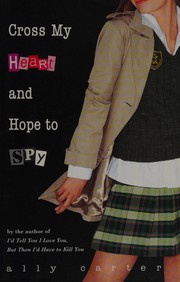
Cross My Heart and Hope to Spy
Cammie Morgan returns to Gallagher Academy for a second year of spy training, only to fall for a boy from a rival spy school and hunt a mole in her own school.
2,567-word summary · 11 min read
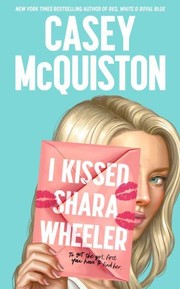
I Kissed Shara Wheeler
Shara Wheeler kisses her rival Chloe Green at prom and disappears, leaving a scavenger hunt that forces Chloe to rethink everything she knew about her.
2,083-word summary · 9 min read
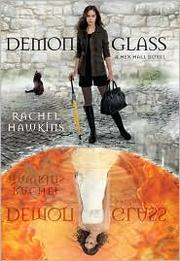
Demonglass
Sophie Mercer spends the summer at the Council's English estate, where two new demons, a suspicious host, and Archer's return complicate her plan to remove her…
2,771-word summary · 12 min read
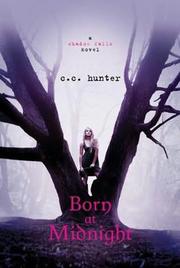
Born at Midnight
Kylie Galen is sent to a camp for troubled teens and discovers it is a haven for vampires, werewolves, and witches, and that she may be something stranger…
2,310-word summary · 10 min read

The Rose & the Dagger
Shahrzad is pulled from her Caliph husband and left in a desert camp of rebels, needing to break his curse and end a war before it ends her.
2,520-word summary · 11 min read

Last Night at the Telegraph Club
The 2021 National Book Award winner follows Lily Hu, a Chinese American teenager in 1954 San Francisco, as she falls for Kath and learns what it costs to be…
2,336-word summary · 10 min read

We Hunt the Flame
In a fractured Arabia-inspired world, a disguised huntress and a prince-assassin race to find a magic-restoring book and confront an ancient evil.
2,195-word summary · 10 min read
The Hazel Wood
Alice Proserpine has spent her life running from bad luck. When her mother vanishes, she follows a trail of fairy-tale clues to her grandmother's estate and…
2,064-word summary · 9 min read