

Lore Olympus: Volume One
2,283-word summary 10 min read 384 pages in the book
- First published
- 2021
- Publisher
- Inklore
- Pages
- 384
- ISBN
- 9780593160299
- Series
- Lore Olympus (#1)
Reading options
What's inside (8 sections)
I bought Lore Olympus: Volume One after seeing it everywhere at the bookstore and feeling a little shy about it. I do not read a lot of romance comics. Myth retellings sometimes lose me too. But the cover stopped me. Pink and blue against black. A small spring goddess looking up at a tall blue king of the dead. I read it in two sittings on my couch, then flipped back through just to look at faces again. Rachel Smythe published this print volume November 2, 2021 with Inklore. It runs 384 pages. It collects episodes 1 through 25 of the WEBTOON comic plus a bonus short story. It is Lore Olympus book one.
The setup is simple on purpose. Persephone is young, sheltered, and new to Olympus. Her mother Demeter raised her in the mortal world, kept her close, kept her away from gossip and parties and gods who drink too much and talk too loud. Persephone promised to train as a sacred virgin, which is why Demeter finally let her live in the city of the gods. She rooms with Artemis. She is supposed to study, keep her head down, stay safe. Then Artemis takes her to a party at Hades house and everything tilts.
Hades is not what I expected from old stories. He is tall, blue skinned, white haired, sharp dressed, tired around the eyes. He runs the Underworld like a company, with towers and phones and meetings and paperwork. He is one of three brother kings with Zeus and Poseidon. He carries old hurt from his father Kronos, who swallowed his children. He is lonely in a way work cannot fix. He is also with Minthe, a river nymph, when we meet him. That relationship is already sour. It hangs over the whole volume.
Persephone at the party wears red. She stands out without trying. She is polite to people who are not polite back. She drinks more than she should because Eros keeps handing her drinks as a joke that goes too far. Aphrodite watches the room like she owns it. Someone says Persephone is lovelier than Aphrodite, which is the kind of comment that sounds like praise and acts like a lit match. By the end of the night Persephone ends up in Hades car, half asleep, embarrassed, small in his big jacket. He does not take advantage. He drives her home. He remembers her name.
That choice tells you who Hades is in this book. Everyone in Olympus trades stories about him. Artemis calls him names. Strangers assume the worst. But with Persephone he is careful. He asks before he touches her hand. He apologizes when he gets it wrong. He listens longer than most gods bother to do. I liked that Smythe lets him be powerful at work and unsure in person. He fumbles texts. He worries he is too old, too serious, too marked by the past. It makes the slow pull between them feel earned instead of forced.
A party, a red dress, and Hades
The party chapters do a lot of work fast. Smythe has to introduce Olympus, its social rules, and about twenty gods without slowing down. She does it through small moments. Zeus holding court and cheating in plain sight. Hera watching with tired eyes and a sharp tongue. Poseidon loud and warm. Hermes popping in and out with jokes and speed. Apollo golden and confident and a little too interested in the new girl. Ares grinning at trouble.
Persephone moves through it like someone at her first big work event. She smiles. She says thank you too many times. She tries to keep up with drinking games. She dances with Hades when he offers his hand, and the page goes quiet in a nice way. Just two figures, music suggested by color, everyone else blurred. Then morning comes with shame and confusion. She wakes up unsure what happened, who saw, what people will say. Artemis is furious, mostly at Hades. Persephone is furious at herself.
What I appreciated is how Smythe shows consent and confusion without speeches. Hades makes clear nothing happened. He returns her safely. He does not gossip about it. Eros comes back the next day to say sorry, and means it. He becomes one of the best parts of the book. Blond, playful, a little spoiled as the son of Aphrodite, but loyal once he decides he likes you. His friendship with Persephone steadies her. He checks in. He teases her about Hades because he sees it before she admits it.
There is a beat early on where Hades gives Persephone his number and she stares at it like it might burn her. Smythe gets that mix of thrill and panic. Persephone wants to seem grown while hiding everything from her mom.
Olympus with phones and old grudges
Olympus here looks like a bright city with clubs and offices and group chats. Gods use phones constantly. They text, stalk social feeds, send photos they should not send. The Underworld looks different. Dark blues and blacks, neon signs, tall towers, souls moving through checkpoints. When Hades drives Persephone back up to Olympus, the color shift tells the story. Cold dark below. Soft pink sunrise above. You feel the distance between his daily life and hers.
Family history weighs on everyone. Zeus and Hades and Poseidon share trauma from Kronos. They do not talk about it well. Hera tries to hold peace at dinners that always threaten to tip. Demeter stays mostly off page but her voice is loud in Persephone head.
Artemis as roommate is fun and complicated. She loves Persephone in a sisterly way. She cooks, warns, sets rules about parties and boys. She also hates Hades on principle and does not hide it. When he drops Persephone off, Artemis calls him a pervert to his face and slams the door feeling. That protectiveness comes from care, but it also keeps Persephone from learning to judge people herself. Persephone starts to notice this. She loves Artemis. She also starts keeping secrets because honest talk feels unsafe.
School and work details stay light. Hecate assists Hades and sees through excuses with one raised brow. She is composed, dry, kind to Persephone without making a show of it.
Eros, Aphrodite, and bad decisions
Aphrodite in this volume is glamorous and cutting. She loves her son Eros but uses him too. She loves attention and punishes anyone who takes it from her. When Persephone gets called more beautiful, Aphrodite does not forgive it. She pushes Eros to get Persephone drunk and leave her where gossip will stick. It is cruel, and Smythe does not soften it. Beauty here is not a gift. It paints a target on Persephone back.
Eros starts as part of the problem and turns into something better. He is dating Psyche in secret because his mother disapproves. His apology scenes work because he does not ask to be let off easy. He brings snacks. He listens. Later he covers for Persephone. Their friendship gives the book warmth outside the central romance.
Smythe draws phone screens as part of panels, and it feels true to how young people actually flirt now. Hades is older and worse at this, which is charming. He types formally. He asks Hecate if an emoji is too much.
I should say the pacing here is bouncy on purpose. These were weekly web episodes, so each chapter ends on a gasp or a laugh. In print that can feel choppy. If you want a tight three act plot, this will test you.
Minthe, work, and Hades trying to be decent
Minthe is hard to like in Volume One, and I think Smythe wants that tension. She is a river nymph who works in the Underworld. She is quick, funny in a mean way, and deeply insecure. With Hades she swings between clinging and cutting. She insults him at parties, then panics when he pulls back. She drinks, stays out with her friend Thetis, gossips about Persephone before she even knows her. Thetis eggs her on. Thanatos, who has his own crush on Minthe, hovers nearby and adds fuel.
Hades stays too long because leaving feels cruel. He was about to propose to Minthe at a festival before Persephone arrived. Duty more than desire. He tells himself stable is enough. Then Persephone laughs at one of his dry jokes at work, or charms his dog, and stable stops feeling like enough. His phone calls with Minthe are painful to read. She sees his screen light up with Persephone name and goes cold. He lies and says Minthe is an associate, which is cowardly and human. He knows it as soon as he says it.
Work scenes show his better self. He remembers staff birthdays. He argues with Zeus about boundaries between territories. You sense these brothers love each other and do not know how to say sorry for childhoods spent inside a Titan. Smythe keeps that history in the background here, just flashes of scars and nightmares.
Persephone visits the Underworld a few times and each visit reveals her power. Flowers bloom where she steps when she feels strong emotion. Cerberus, the huge three headed guard dog, scares everyone except her. Hades lends her a fur coat meant for Hera, after Hera returned it, because the Underworld cold bites her skin. He notices temperature, hunger, tiredness.
That said, Minthe plot can feel thin in this first volume. She reads more as obstacle than person. We get hints about money stress and fear of being left, but not enough to balance the insults. Here she mostly serves the love triangle.
What Apollo did and why Persephone stays quiet
This is the hardest part to summarize, and Smythe writes it with care. Early in the volume, Apollo corners Persephone and assaults her. It happens after the party glow fades. He takes photos without permission. He acts as if her politeness meant yes. She freezes, then flees. She does not tell Artemis at first because Apollo is Artemis twin brother. She does not tell Demeter because she fears blame and being pulled home. She barely tells herself.
Smythe does not show everything. She shows enough. The story stays with her shame and fear rather than graphic detail. She throws herself into classes and chores. She avoids being alone with men, then feels guilty for flinching around Hades, who has done nothing wrong.
Artemis unknowingly makes it harder. She praises her brother, invites him over, teases Persephone about finding a nice god like him. Persephone wants to scream and protects her friend instead. Eros suspects something is off but does not push.
Hades does not know in this volume. He warns Persephone to stay away from Apollo because he dislikes him, not because he knows. His patience is attractive, but it also shows limits of romance as healing. Kindness helps. It does not replace truth or help she has not yet sought.
I respect that Smythe included this story in a romance comic. It would be easier to keep things fizzy. But the assault explains Persephone fear of her own anger and power. She was raised to be sweet, small, safe. Now rage lives under her skin alongside spring growth. She works hard to bury feelings because she learned strong feelings cause trouble.
Readers should know this content before starting. Smythe handles it without sensational tricks, but it is central and unresolved at the end of Volume One.
Color, dogs, flowers, and small kindnesses
The art is why many people stay. Smythe uses solid color blocks more than line work. Skin tones tell you who is who. Backgrounds shift with mood. Parties glow purple and hot pink. Underworld offices sit in navy and black with warm lamps. You can tell feelings from across the room.
Bodies act more than faces sometimes. Hades rubs his neck when nervous. Persephone twists her hair when lying. Cerberus wags whole bodies, all three heads trying to fit in Persephone lap at once. For a king of the dead, he loses a lot of battles to pets.
Flowers do heavy lifting. When Persephone feels joy, small blossoms pop around her hair. When she feels shame, petals fall at her feet. When Hades holds her hand, a crown forms without either trying. Smythe rarely explains this. She lets you learn the language.
Small kindnesses stack up and form the real plot. Hades remembering how Persephone takes tea. Hecate lending a shawl without comment. Hermes walking Persephone home after a late night without making it weird. Together they teach Persephone that attention can be safe. After Apollo, that lesson is everything.
Now fair criticism. The dialogue sometimes leans on modern slang that may date fast. Side gods blur together if you do not know myths well. I mixed up nymphs twice and had to flip back. The bonus short story at the end is sweet but slight. Also the age and power gap needs naming. Hades is ancient, rich, her host boss figure in some scenes. Persephone is nineteen and new. Still, if big gaps bother you, this premise will bother you.
Who will love this. Readers who enjoy slow burn romance, pretty art, office banter mixed with myth, dogs who steal scenes. Who should skip. Readers who want faithful myth accuracy, or who dislike love triangles, or who need assault plots resolved quickly. Volume One ends with threads open. Hades and Persephone are not together. Minthe still in picture. Apollo still free. Persephone still quiet.
I finished feeling tender toward both leads and worried for them in a way that made me order Volume Two.
FAQ
When was Lore Olympus: Volume One published?
Inklore published Volume One on November 2, 2021. It runs 384 pages and collects episodes 1 through 25 of the WEBTOON comic plus a bonus short story.
Is it part of a series?
Yes. It is Lore Olympus book one, followed by Volume Two and later volumes. Start here for Hades and Persephone from the first party.
Does Volume One include difficult content?
Yes, and readers should know before starting. Apollo assaults Persephone early on, she hides it from Artemis and Demeter, and the plot stays unresolved in this volume.
Similar books
More from Lore Olympus first, then related titles.

The Siren
Saved from a shipwreck in 1930, Kahlen becomes a siren who sings men to their deaths for the Ocean, until a boy in a college library makes her want a life she…
2,369-word summary · 11 min read

Lore
Lore Perseous, the last of a hunted bloodline, is pulled back into the Agon when a wounded Athena offers her revenge against the god who killed her family.
2,188-word summary · 10 min read

Half-Blood
Half-blood Alex trains at the Covenant while gods stir and rules close in.
2,601-word summary · 12 min read

The Thief
A boastful young thief is pulled from a prison to steal a legendary stone for the king's magus, and the story he tells about himself is not the whole story.
2,514-word summary · 11 min read

Vow of Thieves
Kazi and Jase return to Tor's Watch to find it occupied, and their marriage is tested by captivity, betrayal, and a war for the town of Hell's Mouth.
2,059-word summary · 9 min read

The Lost Sisters
Taryn Duarte writes a letter to her twin, Jude, explaining how she fell for Locke and why she stayed silent while he used them both.
1,914-word summary · 9 min read

Magic Burns
A magic flare hits Atlanta, and mercenary Kate Daniels must recover stolen maps, find a missing witch, and keep a teenage girl alive while Celtic gods try to…
2,021-word summary · 9 min read

Archenemies
Nova steals for the Anarchists while Adrian hides his Sentinel identity, and a serum that erases prodigy powers puts them both at risk.
2,485-word summary · 11 min read

Cruel Beauty
A girl raised to kill the demon prince who rules her cursed land instead falls in love with him, in a retelling that mixes Beauty and the Beast with Bluebeard…
2,669-word summary · 12 min read

Demonglass
Sophie Mercer spends the summer at the Council's English estate, where two new demons, a suspicious host, and Archer's return complicate her plan to remove her…
2,771-word summary · 12 min read

Born at Midnight
Kylie Galen is sent to a camp for troubled teens and discovers it is a haven for vampires, werewolves, and witches, and that she may be something stranger…
2,310-word summary · 10 min read
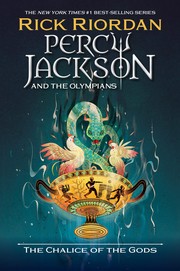
The Chalice of the Gods
Percy needs three recommendation letters from three gods to apply to college, so his first quest is recovering a stolen chalice from the god of old age.
2,106-word summary · 9 min read
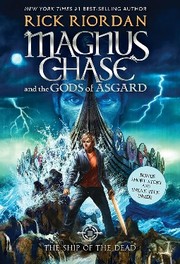
The Ship of the Dead
Magnus and his crew sail to the edges of the Norse worlds to stop Loki from launching Naglfar, the ship of the dead.
2,426-word summary · 11 min read

The Rose & the Dagger
Shahrzad is pulled from her Caliph husband and left in a desert camp of rebels, needing to break his curse and end a war before it ends her.
2,520-word summary · 11 min read

We Hunt the Flame
In a fractured Arabia-inspired world, a disguised huntress and a prince-assassin race to find a magic-restoring book and confront an ancient evil.
2,195-word summary · 10 min read
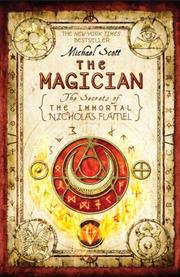
The Magician
Sophie and Josh flee to Paris with Nicholas Flamel, where John Dee, Machiavelli, and an awakened god close in on the missing pages of the Codex.
2,162-word summary · 10 min read
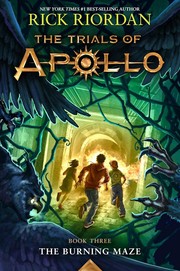
The Burning Maze
Apollo, still trapped in a mortal teenager's body, follows a dangerous prophecy through the Labyrinth with Meg and Grover as the Triumvirate's grip tightens.
2,248-word summary · 10 min read
Stars Above: A Lunar Chronicles Collection
Nine Lunar Chronicles stories fill in the histories of Cinder, Wolf, Thorne, Cress, Winter, and Jacin, and end with a wedding after the war.
2,230-word summary · 10 min read
House of Salt and Sorrows
Annaleigh Thaumas investigates her sister's death in a cursed island manor where the balls are illusions and the sea god is always listening.
2,025-word summary · 9 min read
Daughter of the Moon Goddess
The daughter of Chang'e hides in the Celestial Court, trains as an archer, and risks everything to free her mother from the Emperor's punishment.
2,146-word summary · 10 min read

Cemetery Boys
A trans brujo in East Los Angeles summons the ghost of a boy who refuses to move on, and together they uncover a murder hidden beneath Día de los Muertos.
1,997-word summary · 9 min read

Blue Moon
Ever Bloom tries to save her immortal boyfriend, Damen, from a mysterious illness while a new student named Roman quietly takes control of her school and her…
1,998-word summary · 9 min read
An Enchantment of Ravens
Isobel, a mortal artist in the fairy town of Whimsy, paints a portrait of the autumn prince and falls in love with him, breaking the laws of her craft.
2,087-word summary · 9 min read

American Born Chinese
Three stories, a monkey king, a Chinese-American boy and a sitcom cousin, converge in a graphic novel about shame, assimilation and learning to accept yourself.
2,107-word summary · 9 min read

Switched
A Minnesota teenager who can make people obey her discovers she is a changeling troll princess, and the hidden kingdom she came from wants her back.
2,131-word summary · 9 min read

A Reaper at the Gates
The Martial capital falls to an army of ghosts, Elias becomes the Soul Catcher, and Laia and Helene pay brutal prices as the Nightbringer moves to free the…
1,991-word summary · 9 min read

A Fate Inked in Blood
In Norse-inspired Skaland, a fish gutter hiding a goddess's blood is claimed by a jarl, bound by oath, and guarded by the son she cannot want.
1,971-word summary · 9 min read

Fable
Abandoned on a lawless island at fourteen, Fable spends four years diving for gems to buy passage off it, straight into the cutthroat trade of the Narrows.
2,320-word summary · 10 min read

World After
Penryn wakes from near-death to find her altered sister Paige hunted as a monster, and follows her into the angels' scorpion factory and Uriel's coup.
2,213-word summary · 10 min read