

Belladonna
2,868-word summary 13 min read 408 pages in the book
- First published
- 2022
- Publisher
- Little, Brown and Company
- Pages
- 408
- ISBN
- 9780316526609
- Series
- Belladonna (#1)
Reading options
What's inside (8 sections)
I bought this one for the cover and stayed for the voice. I had seen it passed around online as a cozy gothic romance, all poison gardens and ballgowns and a heroine who talks to Death, and I expected something light with a dark paint job. Adalyn Grace published it with Little, Brown and Company in August 2022 as the first book in the Belladonna series, a 408 page young adult fantasy mystery. The opening surprised me. It starts with funerals. By the time we meet Signa Farrow properly, she is nineteen, orphaned, passed between guardians who seem to die around her, and fully aware that people cross the street when they see her coming. That loneliness gives the book more weight than the marketing suggests.
Signa has a secret she barely understands. She cannot die. As a child she ate poisonous belladonna berries on a dare and lived. Since then illness slides off her. Falls leave bruises that fade too fast. And there is a presence that follows her, a shadow with a voice like low music, amused and patient and a little possessive. She calls him Death. He has watched her since she was small, kept others from taking her too soon, and kept her alive through accidents that should have killed her. She hates him for isolating her and relies on him because he is the only constant she has. That push and pull sets the tone for everything after.
An orphan sent to Thorn Grove
After yet another guardian dies, Signa is sent to Thorn Grove, a grand estate in the countryside owned by the Hawthornes, distant relatives with wealth, grief, and secrets. The house itself is a character. Ivy, locked rooms, a greenhouse full of plants that can heal or kill, portraits of dead Hawthornes, servants who know more than they say. The owner, Elijah Hawthorne, is mourning his late wife. His son Percy is trying to hold the family name together with parties and good manners. His daughter Blythe is ill with a strange wasting sickness that comes and goes. Doctors offer tonics and rest. Nothing helps for long.
Signa arrives hoping for family and finds performance instead. Elijah throws loud gatherings while the house quietly falls apart. Percy smiles and watches everyone. Blythe is sharp tongued in the way sick girls in old houses learn to be, deflecting pity with jokes. Signa, who grew up with little money and less affection, feels both dazzled and wary. She wants to belong. She also notices the small wrong things. A cup poured only for one person. A maid sent away at odd times. A garden bed where foxglove and belladonna grow a little too well tended.
Then the ghost appears. Late one night Signa finds the spirit of Lillian, called Lily, her long dead mother figure tied to the family, restless and frightened. Lily insists she was poisoned and that the same hand is now hurting Blythe. Most people in this world cannot see spirits clearly, but Signa can. She has always been able to sense the dead, to hear them, to help them move on or stay. Lily begs her to investigate before another funeral is planned. Signa agrees, partly from duty and partly because someone finally needs her for something other than looking tragic at a graveside.
I liked how Grace stages this decision. Signa is not a trained detective. She knows poisons because she studied them to understand her own body, reading about dosages and symptoms in borrowed books. She knows high society only from novels and funerals. She makes mistakes. She asks too-direct questions at tea. She trusts the wrong smile. But she has two advantages. She cannot be poisoned herself, so she can test food and drink in ways others cannot. And she has Death at her shoulder, bored, curious, and increasingly unwilling to let her walk into danger alone.
Blythe, Percy, and the house that smiles
The middle of the book lives at Thorn Grove, moving between sickroom, ballroom, and stable yard. Blythe is central. One day she is bright enough to tease Signa about her plain dresses and to drag her to the piano. The next she is gray faced, vomiting, too weak to stand. The pattern looks like illness until Signa charts it. The worst episodes follow visits, letters, gifts of food or tea. Poison, not consumption. Someone close is dosing her in small amounts, enough to weaken without always killing outright.
Percy is harder to read. He plays the heir, charming guests, managing debts and rumors, trying to keep the Hawthorne reputation from sinking. He flirts with Signa in a harmless way that makes Death go very still and cold. He worries about Blythe but also seems distracted, always called away. Is he protecting someone. Is he involved. Grace keeps him balanced on that line for a long stretch. I suspected him, then dismissed him, then suspected him again, which is exactly the effect a house mystery should have.
The staff adds texture. There is a stern housekeeper who guards keys and schedules. A maid who cries too easily. A doctor who likes to be paid and dislikes questions. And there is Sylas Thorly, a stable boy with rough hands, a sullen mouth, and a habit of appearing where he is not expected. He knows horses and poisons and the paths through the woods. He spars with Signa from their first meeting. She thinks he is rude. He thinks she is sheltered. They form an uneasy partnership to watch the house, check cups, follow footprints, and trade theories. Sylas is the one who shows her how belladonna, foxglove, arsenic, and laudanum actually behave in a body, not in a textbook paragraph.
Balls and seances give Grace room for atmosphere. There is a glittering party where Signa wears a borrowed dress and feels almost pretty until she sees how quickly gossip moves. There is a seance arranged to contact Lily, with candles and clasped hands and a medium who may or may not be a fraud. Signa sits through it biting her tongue, because she could tell them Lily is already in the room. These scenes could feel decorative, but they do real work. They show how the rich grieve in public and scheme in private, and they let Signa practice lying with a straight face, a skill she needs more than any spell.
Death as shadow and suitor
Death in this book is not abstract. He appears as a tall figure in black, handsome in a severe way, with eyes that change and hands that are gentle when he wants to be. He can step out of shadow, ride beside a carriage unseen, quiet a room. He claims he has kept Signa alive because she interests him. She is the one soul he cannot take, and that exception bothers and draws him. He teaches her to use her gift. He warns her off suspects. He bargains.
Their dynamic drives the romance. At first it is antagonism. Signa blames Death for every guardian funeral, every cold stare, every year she spent being called cursed. He answers with dry humor and half truths. Slowly, reluctant respect turns into something warmer. He remembers small details about her. He brings her a book. He stands guard while she sleeps. She starts to look for him in empty corners. She asks what he wants from the living. He says company, then corrects himself and says her company.
Grace writes their banter well. One scene I liked has Signa trying to test a tea for poison while Death lectures her on patience, and she drinks it anyway to prove a point, then sits calmly while he fumes because she knew it would not harm her. It is reckless and funny and revealing. She has lived so long without control that risk feels like freedom. He, who controls every ending, cannot control her, and it unsettles him.
There is a physical pull too. Dancing lessons, a hand at the small of the back, a waltz at the ball where no one else can see her partner. Grace keeps it chaste but charged, appropriate to the age and genre. If you dislike romance with a personified force, this will test you. I went in skeptical and found myself charmed despite myself, because Death is written less as a monster and more as a lonely, powerful man learning manners.
The complication is Sylas. The more time Signa spends with the stable boy, the more she notices odd overlaps. Sylas knows things he should not. He disappears from locked spaces. Animals go quiet around him. Death vanishes when Sylas appears, and returns with questions about what Sylas said. Readers who enjoy dramatic irony will see where this points before Signa does. The reveal that Sylas is Death wearing a human face lands about two thirds through, and Grace plays it as both romantic payoff and betrayal. He lied to be near her without frightening her. She feels fooled and oddly relieved, because the boy she liked and the shadow she wanted were the same person all along.
Hunting a poisoner
The mystery tightens as Blythe worsens. Signa starts keeping notes. Who poured tea on which day. Who visited the greenhouse. Who had access to the medicine bottles. Who benefits if Blythe dies and Percy falls. Lily spirit returns with flashes of memory. A bitter taste. A familiar perfume. A hand holding a cup a little too steady. Signa tests dregs, saves stained napkins, watches servants carry trays. Sylas, or Death in work clothes, helps her rule out accidents.
Grace is careful to show poison as domestic. This is not a dagger in an alley. It is sugar, honey, wine, a tonic meant to soothe. The killer uses care, not force, and knows the house routine. That makes everyone plausible. A relative who wants inheritance. A lover who wants freedom. A servant paid to look away. A mother figure protecting a secret. Signa herself wonders if grief made Elijah careless or if carelessness is a mask.
I will not hide the solution entirely, because this is a summary and the shape matters, but I will keep it proportionate. The killer is a member of the extended family circle, someone with easy access to Blythe food and medicine and a motive tied to money and control rather than passion alone. The method is repeated small doses of plant poison, adjusted to look like natural decline, with larger doses when scrutiny fades. The reveal comes during a confrontation at Thorn Grove, with Death blocking exits and Lily spirit present as witness. Signa uses her immunity to prove the cup is tainted, drinking what would kill Blythe and standing steady while the room watches. It is her best moment, brave and clever, using the curse everyone pitied as evidence.
The aftermath is messy in a good way. Elijah must face how blindness helped the plan. Percy must decide what kind of heir he will be now that the polite story is broken. Blythe, recovering slowly, has to learn to trust food and people again. Lily, vindicated, can rest or choose to linger a little longer to see her girls safe. Signa does not get a medal. She gets something better and more complicated. A place, for now, and people who know what she did.
What I appreciated is that Grace lets the solution feel sad rather than triumphant. The killer loved the family in a twisted, proprietary way and convinced themselves that pruning it was care. That logic is familiar from real life, where control often dresses as concern. Signa names it plainly. Love that needs a victim is not love.
What Grace does well and where it wobbles
There is a lot to enjoy. The poison lore feels researched without turning into lectures. Belladonna, foxglove, yew, opium syrups, each gets a clear symptom picture and a reason to be in a country house garden. Signa immunity is used inventively, as armor and as a tool for testing and as a sign of how she moves through grief untouched and untaught. Thorn Grove is vivid without becoming a map you must memorize. The spirits have rules that stay consistent. The dead linger when they have unfinished business, they fade when named and heard, and Signa can ferry them at a cost to herself.
The supporting cast is stronger than the love triangle suggests. Blythe could have been a pale invalid and instead is prickly, funny, and perceptive. Percy could have been a cardboard heir and instead shows flashes of shame and resolve. Lily is more than a clue dispenser. Her love for Signa and Blythe gives the investigation emotional stakes. Even minor servants get a line or gesture that makes them feel watched rather than placed.
My criticisms fall into three areas. First, the romance with Death arrives fast and with little resistance after the early hate. Signa goes from blaming him for a ruined childhood to trusting his hands at her waist within a few dances. Grace explains this as recognition, two lonely beings finding their match, but I wanted more anger to linger. Forgiveness that quick softens what was most original about the premise, a girl furious at the force that kept her alive but alone.
Second, the tone sometimes pulls in two directions. One page is genuinely gothic, rot and bells and a corpse that will not stay quiet. The next is cozy, hot chocolate and banter and a stable boy with straw in his hair. Both modes are fun, but the shifts can blunt tension. A seance that should frighten becomes a comedy of manners. A poisoning that should horrify gets followed by a flirtatious riding lesson. Readers who want full dread will find the edges sanded. Readers who want comfort will find the corpses intrusive. I mostly enjoyed the blend, but I noticed the seams.
Third, the suspect pool is thin. Once you meet the household, you can count on one hand who has means, access, and motive. Grace distracts well with Percy moods and servant gossip and a false lead involving debts, but attentive readers will narrow it early. The plant clues point one way if you know even a little about foxglove and belladonna. That does not ruin the book, because the pleasure is watching Signa catch up and prove it, but mystery-first readers should calibrate expectations. This is a romance with a mystery, not a puzzle box with a romance.
There are smaller nits. Modern phrasing slips into a supposedly historical setting. Signa, supposedly sheltered, masters high society lies very quickly. Death immense power bends a lot for plot convenience, present in a locked room when needed, absent when Signa must struggle alone. None of these broke my reading. They are the kind of flaws you forgive when the central voice holds.
How it ends and where it points
Without detailing every beat, the ending gives Signa a choice. Death offers her a formal bond, a partnership that would let her walk between life and death, use her gift without burning out, and stay beside him without aging as others do. It is tempting because it promises an end to abandonment. It is frightening because it asks a nineteen year old to define forever. Signa does not answer all at once. She asks for time, for Blythe to heal, for Thorn Grove to settle, for herself to learn what she wants apart from gratitude.
That restraint is wise and sets up the sequel, Foxglove, where Signa and Death face new pressures and where Blythe and Percy carry forward their own wounds. Grace plants seeds without cliffhanger cruelty. A letter hints at another branch of the family with an interest in spirits. A rival power is named but not explained. Death admits there are rules even he must obey, and that others notice when he breaks them. If you like series openers that close their main case while leaving the heart unsettled, this will satisfy.
The final chapters return to the garden. Signa replants what was used as a weapon, labeling rows, learning doses that heal. Blythe walks a little farther each day. Percy starts telling the truth in small, costly ways. Elijah tends Lily grave with more honesty than show. Death watches from the tree line, learning, for once, to wait. It is a gentle close for a book that began with burials, and it earns its softness because Signa fought for it with evidence and nerve, not wishes.
If you are deciding whether to read it, know what it is. A 408 page gothic mystery romance about a poison-immune orphan, a sick cousin, a ghost mother who says she was murdered, a stable boy who is more than he seems, and Death himself as ally and suitor. It is at its best when Signa is testing tea, questioning the polite, and talking back to a god. It sags when it hurries love or cushions horror. I finished it in two sittings, marked three poison passages to reread, and immediately looked up Foxglove. For a first volume, that is the reaction that counts.
FAQ
Who is Signa Farrow in Belladonna?
A nineteen year old orphan who cannot die from poison and can see the dead, sent to live with the Hawthornes at Thorn Grove.
Who is Sylas in Belladonna?
Sylas poses as a Thorn Grove stable boy, but he is Death in human form, watching Signa and aiding her inquiry.
Is Belladonna part of a series?
Yes. It is book one of the Belladonna series by Adalyn Grace, followed by Foxglove, with Signa and Death continuing.
Similar books
More from Belladonna first, then related titles.

Anatomy: A Love Story
In 1817 Edinburgh, a noblewoman who wants to be a surgeon disguises herself to study anatomy and falls for the grave robber who supplies her with bodies.
2,031-word summary · 9 min read
House of Salt and Sorrows
Annaleigh Thaumas investigates her sister's death in a cursed island manor where the balls are illusions and the sea god is always listening.
2,025-word summary · 9 min read
Lord of Shadows
Emma and Julian face faerie war and forbidden love as the Cohort rises.
2,496-word summary · 11 min read

Blue Bloods
At an elite Manhattan school, Schuyler Van Alen learns she is a forbidden half-vampire as someone starts killing her kind.
2,725-word summary · 12 min read
Lady Midnight
Emma and Julian hunt killer echoing old murders while parabatai love grows.
1,982-word summary · 9 min read
Miss Peregrine's Home for Peculiar Children
Jacob Portman finds his grandfather dead in the woods, follows a cryptic letter to a ruined orphanage in Wales, and meets children living inside a repeating…
2,331-word summary · 10 min read

Vow of Thieves
Kazi and Jase return to Tor's Watch to find it occupied, and their marriage is tested by captivity, betrayal, and a war for the town of Hell's Mouth.
2,059-word summary · 9 min read

The Lost Sisters
Taryn Duarte writes a letter to her twin, Jude, explaining how she fell for Locke and why she stayed silent while he used them both.
1,914-word summary · 9 min read

Archenemies
Nova steals for the Anarchists while Adrian hides his Sentinel identity, and a serum that erases prodigy powers puts them both at risk.
2,485-word summary · 11 min read

The Siren
Saved from a shipwreck in 1930, Kahlen becomes a siren who sings men to their deaths for the Ocean, until a boy in a college library makes her want a life she…
2,369-word summary · 11 min read

Cruel Beauty
A girl raised to kill the demon prince who rules her cursed land instead falls in love with him, in a retelling that mixes Beauty and the Beast with Bluebeard…
2,669-word summary · 12 min read

Cross My Heart and Hope to Spy
Cammie Morgan returns to Gallagher Academy for a second year of spy training, only to fall for a boy from a rival spy school and hunt a mole in her own school.
2,567-word summary · 11 min read

I Kissed Shara Wheeler
Shara Wheeler kisses her rival Chloe Green at prom and disappears, leaving a scavenger hunt that forces Chloe to rethink everything she knew about her.
2,083-word summary · 9 min read
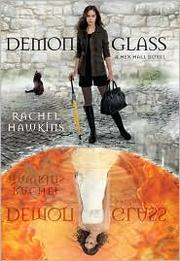
Demonglass
Sophie Mercer spends the summer at the Council's English estate, where two new demons, a suspicious host, and Archer's return complicate her plan to remove her…
2,771-word summary · 12 min read

Born at Midnight
Kylie Galen is sent to a camp for troubled teens and discovers it is a haven for vampires, werewolves, and witches, and that she may be something stranger…
2,310-word summary · 10 min read
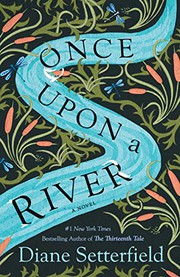
Once Upon a River
A wounded man stumbles into a riverside inn carrying what appears to be a drowned child who is not quite dead, and the story braids the guesses of everyone who…
2,173-word summary · 10 min read

The Rose & the Dagger
Shahrzad is pulled from her Caliph husband and left in a desert camp of rebels, needing to break his curse and end a war before it ends her.
2,520-word summary · 11 min read

Last Night at the Telegraph Club
The 2021 National Book Award winner follows Lily Hu, a Chinese American teenager in 1954 San Francisco, as she falls for Kath and learns what it costs to be…
2,336-word summary · 10 min read

We Hunt the Flame
In a fractured Arabia-inspired world, a disguised huntress and a prince-assassin race to find a magic-restoring book and confront an ancient evil.
2,195-word summary · 10 min read

The Hazel Wood
Alice Proserpine has spent her life running from bad luck. When her mother vanishes, she follows a trail of fairy-tale clues to her grandmother's estate and…
2,064-word summary · 9 min read

Stars Above: A Lunar Chronicles Collection
Nine Lunar Chronicles stories fill in the histories of Cinder, Wolf, Thorne, Cress, Winter, and Jacin, and end with a wedding after the war.
2,230-word summary · 10 min read

Paranormalcy
A teenage agent who can see through glamour falls for a shape-shifter and learns the agency she works for is hiding her true nature.
2,041-word summary · 9 min read

Lore
Lore Perseous, the last of a hunted bloodline, is pulled back into the Agon when a wounded Athena offers her revenge against the god who killed her family.
2,188-word summary · 10 min read
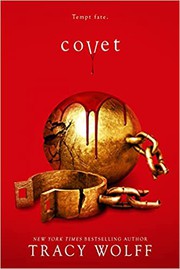
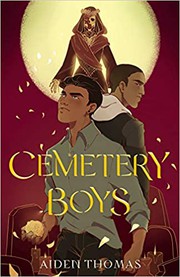
Cemetery Boys
A trans brujo in East Los Angeles summons the ghost of a boy who refuses to move on, and together they uncover a murder hidden beneath Día de los Muertos.
1,997-word summary · 9 min read

Blue Moon
Ever Bloom tries to save her immortal boyfriend, Damen, from a mysterious illness while a new student named Roman quietly takes control of her school and her…
1,998-word summary · 9 min read
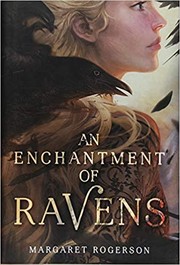
An Enchantment of Ravens
Isobel, a mortal artist in the fairy town of Whimsy, paints a portrait of the autumn prince and falls in love with him, breaking the laws of her craft.
2,087-word summary · 9 min read
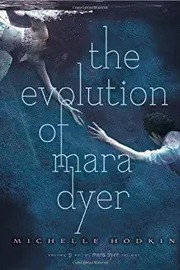
The Evolution of Mara Dyer
Back in Miami after the asylum collapse, Mara Dyer is treated at Horizons while Jude, who should be dead, stalks her. Noah stays close as the experiments…
2,577-word summary · 11 min read
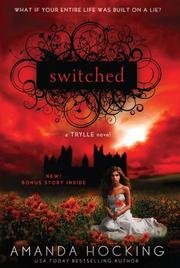
Switched
A Minnesota teenager who can make people obey her discovers she is a changeling troll princess, and the hidden kingdom she came from wants her back.
2,131-word summary · 9 min read
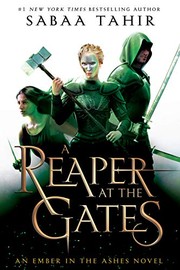
A Reaper at the Gates
The Martial capital falls to an army of ghosts, Elias becomes the Soul Catcher, and Laia and Helene pay brutal prices as the Nightbringer moves to free the…
1,991-word summary · 9 min read