
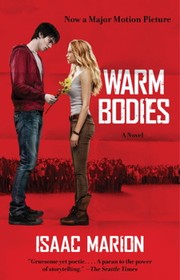
Warm Bodies
2,366-word summary 11 min read 241 pages in the book
- First published
- 2010
- Publisher
- Atria Books
- Pages
- 241
- ISBN
- 9781476717463
- Series
- Warm Bodies (#1)
Reading options
What's inside (8 sections)
I picked up Warm Bodies because a friend said it was a zombie book for people who do not like zombie books, and that sounded like a trick. Isaac Marion first put it out in 2010 through Atria Books, a short novel usually printed around 241 pages, later reissued as a media tie in after the film. The copy I read was the familiar one with R on the cover looking gray and tired. I expected gore and jokes. I got a sad love story told by a corpse who collects records and rides escalators for fun.
The hook is simple. R is dead and mostly hollow, living in an abandoned airport near a ruined city, shuffling with other Dead, eating the living when hunger takes over. He meets Julie, a living girl with sharp eyes and a sharp tongue, after a hunt goes wrong. He saves her instead of finishing her. That choice starts to change his body and the world around him. The book asks what happens if the dead start to feel again, and whether the living would let them.
Marion writes in first person, present tense, inside R head. R can think in full sentences but can only grunt a few syllables aloud. That gap drives much of the humor and ache. He is funny about his own decay and serious about wanting more. The tone shifts between morbid comedy and earnest romance without ever turning into straight horror. Blood matters, but memory matters more.
R in the airport with M and the hunger
The opening is the best part. R lives in a grounded 747 at the airport, with a little hoard of souvenirs, ties, vinyl, a watch he winds though time means nothing. He rides the escalators, listens to old songs on scavenged players, watches planes that will never leave. His best friend is M, another Dead man who married in life and still wears a wedding ring he does not understand. They grunt at each other. They follow the crowd when hunger calls.
Marion gives the Dead a crude biology of feeling. The Dead eat brains to borrow memories, because for a few minutes after feeding they feel alive with someone else past. R describes the rush and the shame together. He eats a young man named Perry during a raid on a pharmacy run, sees Perry life with Julie, and is flooded with Perry love and guilt. That is why he does not eat Julie when he finds her. He smears corpse blood on her to mask her scent, holds her hand roughly, grunts at others to back off, and drags her back to his plane.
The Boneys get introduced early as the worse stage. If the Dead are zombies who still have skin and dim want, the Boneys are skeletal finishers who have given up even that. They rattle in the rafters of the stadium where the Dead gather, they enforce stillness, they hate change. Grigio, Julie father and leader of the living in a walled stadium settlement, hates the Dead with a soldier logic. Both sides, Marion suggests, have built a system around giving up.
R narration carries these chapters. He jokes about his poor balance, his gray skin, his inability to say Julie name properly. He notices Julie fear turning to confusion when he offers her a blanket and plays music instead of biting her. M watches this with something like curiosity, which for a zombie is a revolution. The airport feels both cozy and rotten, and that mix sets the book apart from shoot them all horror.
Julie, Perry, Nora and the walled stadium
Julie is not a prize to be won. She is nineteen, blond in the film stills but tougher on the page, daughter of the stadium boss, girlfriend of Perry until R eats him. She carries a knife, she argues, she grieves hard. When R takes her, she kicks and spits and tries to escape. She stays because outside the plane is a tarmac full of hungry Dead, and because R, for all his smell and stiffness, keeps putting himself between her and them.
Perry matters even dead. Through the brain memories R replays Perry childhood, his love for Julie, his fights with her about hope versus safety, his time with her friend Nora. Julie had gone out with Perry, Nora and others to find medicine. Perry led. R killed him. The guilt sits in R chest like a second heart. He dreams Perry dreams. He starts to talk in Perry phrases. Julie later sees Perry mannerisms in R and is horrified and moved at once. Marion uses this without turning it into possession horror. It is more like R borrowing a map to being human.
Nora, Julie friend, provides the living side humor. She is blunt, loyal, quick to read people. When Julie returns to the stadium with stories about a funny zombie who listens to vinyl, Nora believes her faster than the guards do. The stadium itself is a concrete bowl turned fortress, with gardens, patrols, rules, school lessons about shooting first. Grigio runs it with charts and curfews. He lost his wife to the plague years and decided feeling was the danger. Julie loves him and fights him on that every day.
The middle trip back to the stadium gives the book its road structure. R disguises Julie, walks her through dead streets, hides in cars, nearly loses her to a pack. He starts to sweat, to dream, to get an erection, small signs his body is restarting. Julie notices and names it before he can. Their talk is halting. He can say her name and a few nouns. She fills the rest. It should feel gimmicky and mostly does not, because Marion keeps the exchanges short and lets silence do work.
M starts to change and the Dead start to dream
Back at the airport, change spreads like a slow thaw. M begins to linger near R and Julie instead of wandering. Other Dead pause during hunts. They watch a couple hold hands. They repeat words. One tries to laugh. R describes it as remembered heat moving through cold limbs. He does not explain it with science. There is no lab chapter with a cure chart. The idea is that connection and memory restart the heart, and that giving up speeds decay into Boneys.
This is where the book is most original and also most fragile. Readers who want hard rules will be annoyed. How does love restart blood. Why do some turn and others crumble. Marion offers images rather than answers. Breath fogs. Eyes clear. Old wedding rings feel heavy again. M remembers his wife name in flashes. A Dead woman hums. It works if you accept the fable logic. It wobbles if you poke it.
The Boneys notice and begin to hunt the changing. They are faster, leaner, clicking and patient. They do not want cure. They want the old quiet where nothing wants. The Dead who are changing must decide to fight, which for zombies means choosing pain and risk over numb drift. M steps up here. He is funny and sad, a large man trying to form sentences after years of grunts, standing in front of kids he once would have eaten. I liked him more than the leads by the end.
Julie and R separation and reunion follows the expected beats. She goes home to warn her people. He follows though it may kill him. She argues with her father. He waits outside the walls like a stray dog. Nora smuggles, lies, drives. None of this is surprising. The pleasure is in texture. R learning to drive badly. R trying not to stare at food. R realizing he is jealous of Perry and also grateful to him.
What the romance gets right and where it strains
The romance works because Julie has reasons beyond pity. She sees Perry in R and hates it, then sees R apart from Perry and is curious. R protects without owning. He returns her to her people though he wants to keep her close. She chooses to return to him after seeing he is changing, not because he is safe but because he is trying. Their kisses are awkward, interrupted by teeth and breath and fear. Marion lets them be strange instead of smoothing them into a normal teen love scene.
The humor helps. R contemplates his wardrobe, his smell, his poor conversation skills. He compares himself to other Dead with dry asides. He likes Sinatra and old pop the way a lonely teen likes bands no one else knows. M provides slapstick attempts at speech. Nora provides living sarcasm. The book never stays solemn long enough to curdle.
The strain shows in repetition and thin world building. How did the plague start. How does the stadium feed itself. How far is the airport from downtown. Marion sketches and moves on. Grigio as the hard father commander is familiar from many post plague stories. His turn at the end feels fast. Perry as the perfect dead boyfriend whose memories teach R how to love can feel convenient, as if R needs another man brain to become worthy. Julie gets less inner life than R, since R narrates, and at times she functions as the warm girl who saves the cold boy.
Pacing sags in the fourth quarter. Airport hideouts, stadium meetings, Boney attacks, chases through corridors. The plot needs a final battle and Marion supplies one, with Boneys swarming and humans shooting and changed Dead caught between. It is staged clearly but not fresh. Readers who came for quiet zombie interiority may find the action loud. Readers who came for action may find it soft. The book sits between genres and sometimes pleases neither fully.
I also wanted more of Nora and M. They have the liveliest lines and the clearest arcs after R. Grigio could have used one more private scene before his change of mind. The Boneys remain symbols more than characters, which is fine for fable but leaves the climax abstract. You are told stillness versus life rather than shown a Boney with a past.
Cure by feeling and the fight at the walls
Without spoiling every turn, the end moves toward merging rather than wiping out. The changed Dead grow warmer, their hearts beat, wounds bleed red. Julie brings proof to her father in the form of R breathing and speaking in short bursts. Some soldiers lower guns. Others do not. The Boneys attack both living and changing dead, because to them any return to feeling is betrayal. The final stand happens near the stadium, with M leading changed Dead beside Nora and Julie people.
Marion resolves the Perry guilt directly. R admits what he did, through words and through Julie sensing Perry memories in him. Julie does not forgive instantly. She grieves Perry separately from caring for R. That distinction saves the ending from feeling like replacement. R stops hiding behind Perry brain flashes and starts making his own memories with Julie. His speech improves from single words to broken sentences. His name remains R, which he accepts as enough.
The cure is not a vial. It is repeated contact, music, stories, touch, risk. A Dead man who remembers his wife holds her photo longer. A Dead teen who watches Julie laugh tries to smile and tears skin. Small wins accumulate until hearts stutter on. The Boneys crack and fall when faced with mass refusal to stay numb, though Marion keeps it misty rather than mechanical. If you need virology, look elsewhere. If you accept that despair can kill and attention can revive, the ending lands.
The last pages push toward hope without claiming the world is fixed. Cities remain ruined. Food remains scarce. Many Dead remain Dead. Many Boneys remain. But the wall between living and Dead has a door now. R and Julie walk through it together, watched by both sides. It is sentimental and Marion knows it. He earns some of it by letting deaths stand and by not curing everyone.
Who should try it and how to take it
This is a short book that reads fast. At 241 pages in the common reprint, you can finish in two or three sittings. The prose is plain, with short paragraphs, many line breaks for R thoughts, little gore detail compared to typical horror. There is eating and blood, corpses and rot, but the camera looks away from prolonged torture. Language is salty in places, violence sudden, sex only hinted. Teens who handle dystopia will handle this, though the marketing as young adult fits loosely. It feels more like new adult romance with horror paint.
Go in for voice, not for systems. If you like first person oddballs who notice small human habits, R will charm you. If you need tight plague logic, you will frown. I read it after a run of bleak apocalypses and found the warmth a relief, even when the romance beats were familiar. The airport 747 home, the vinyl collection, the escalator rides, the wedding ring M will not throw away. Those details stay longer than the battles.
A note on editions confuses buyers. The novel first appeared in 2010 from Atria, then saw wider reissues including the 2012 Simon and Schuster media tie in that Google Books lists at 241 pages under ISBN 9781476717463. Text is the same story. The series continued with The New Hunger prequel and The Burning World sequel under the Warm Bodies name, with R and Julie further on. You do not need them for this volume. It closes enough to stop here.
I closed it thinking Marion understood something simple about zombies. They are us when we stop trying to speak. R tries, fails, tries again, and his throat bleeds for it. Julie listens past the grunt. M tries next. That chain, more than any battle, is the plot. It is corny and it works if you let it. Not a great horror novel, not a great literary novel, but a good strange romance with rot under the nails and a pulse coming back.
FAQ
When was Warm Bodies published and who published it?
Isaac Marion first published it in 2010 with Atria Books. The common 241 page reprint tied to the film uses ISBN 9781476717463 and lists Simon and Schuster as distributor on Google Books.
Is Warm Bodies horror or romance?
Both, but romance leads. There is eating and blood, yet the focus is R learning speech and Julie choosing trust, with horror as setting rather than prolonged gore.
Is Warm Bodies first in a series?
Yes. It is Warm Bodies book 1, followed by The New Hunger prequel and The Burning World. This volume closes enough to read alone if you stop here.
Similar books
More from Warm Bodies first, then related titles.
Circus of the Damned
A rogue master vampire arrives in St. Louis and Anita Blake is caught in an undead turf war, with a science teacher in the crossfire.
2,757-word summary · 12 min read
House of Salt and Sorrows
Annaleigh Thaumas investigates her sister's death in a cursed island manor where the balls are illusions and the sea god is always listening.
2,025-word summary · 9 min read
Dash & Lily's Book of Dares
Two lonely New York teenagers trade dares in a red notebook left at the Strand, falling for each other on the page before they meet.
2,228-word summary · 10 min read
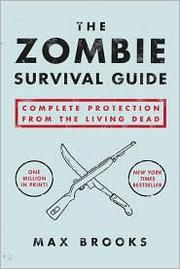
The Zombie Survival Guide: Complete Protection from the Living Dead
Max Brooks's deadpan survival manual explains the Solanum virus, the only ways to destroy the living dead, fortifying a home, and the outbreaks history quietly…
2,650-word summary · 12 min read

Anna Dressed in Blood
Ghost hunter Cas meets Anna, the ghost who kills back.
2,622-word summary · 12 min read
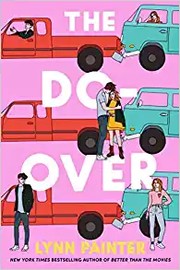
The Do-Over
Emilie relives awful Valentine Day with cheating boyfriend until Nick helps fix it.
2,071-word summary · 9 min read
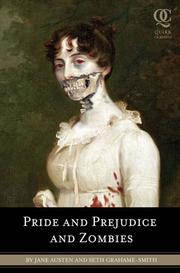
Pride and Prejudice and Zombies
Austen's courtship plot survives intact while Elizabeth and Darcy battle zombies, from the Netherfield ball to a duel with Lady Catherine.
2,526-word summary · 11 min read
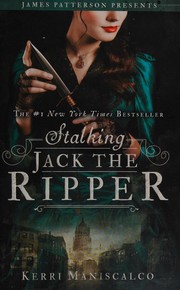
Stalking Jack the Ripper
Lord's daughter Audrey Rose studies corpses in secret while the Ripper works Whitechapel beside Thomas.
2,030-word summary · 9 min read

Better than the Movies
A rom com obsessed senior hires her annoying next door neighbor to win her crush, then finds real love is messier and kinder than any movie plot.
2,438-word summary · 11 min read

What Happened to Goodbye
Mclean has reinvented herself in four towns since her parents divorced. In Lakeview she uses her real name, and for the first time staying put becomes a choice.
2,796-word summary · 12 min read
Size 12 Is Not Fat
Former teen pop star Heather Wells investigates two dorm elevator deaths while juggling her ex, her crush, and a size-12 wardrobe.
2,805-word summary · 12 min read

Her Soul to Take
A paranormal vlogger in a cult-run town summons a bound demon, and the only way to survive the god beneath the mine is to give him her soul.
2,089-word summary · 9 min read
First Grave on the Right
Charley Davidson is a private investigator in Albuquerque and the grim reaper. When three murdered lawyers come back as ghosts, her two jobs collide.
2,770-word summary · 12 min read
Austenland
A New York graphic designer obsessed with Mr. Darcy inherits a trip to a Jane Austen theme park, where the fantasy of Regency romance collides with the men…
2,030-word summary · 9 min read

Anatomy: A Love Story
In 1817 Edinburgh, a noblewoman who wants to be a surgeon disguises herself to study anatomy and falls for the grave robber who supplies her with bodies.
2,031-word summary · 9 min read

Vow of Thieves
Kazi and Jase return to Tor's Watch to find it occupied, and their marriage is tested by captivity, betrayal, and a war for the town of Hell's Mouth.
2,059-word summary · 9 min read
The Lost Sisters
Taryn Duarte writes a letter to her twin, Jude, explaining how she fell for Locke and why she stayed silent while he used them both.
1,914-word summary · 9 min read

Dumplin'
Willowdean Dickson enters her town's beauty pageant as a protest and discovers that confidence is harder to keep once she lets someone close.
1,922-word summary · 9 min read
Masquerade
After Cordelia's death, Schuyler flies to Venice to find her exiled grandfather, then returns to the Blue Bloods as they prepare for a masked ball and a hidden…
2,543-word summary · 11 min read

Archenemies
Nova steals for the Anarchists while Adrian hides his Sentinel identity, and a serum that erases prodigy powers puts them both at risk.
2,485-word summary · 11 min read
Wilder Girls
At a quarantined boarding school off Maine, three girls with strange mutations search for a missing friend and learn what the adults have hidden.
2,594-word summary · 12 min read

The Siren
Saved from a shipwreck in 1930, Kahlen becomes a siren who sings men to their deaths for the Ocean, until a boy in a college library makes her want a life she…
2,369-word summary · 11 min read
The Awakening / The Struggle
A popular high school girl falls for a vampire, then discovers that his dangerous brother wants her too, in the first two books of the Vampire Diaries series.
2,660-word summary · 12 min read
Dealing with Dragons
A princess who hates embroidery runs away to become the cook and librarian for a dragon, then has to outthink wizards, knights, and a plot against the dragon…
2,563-word summary · 11 min read
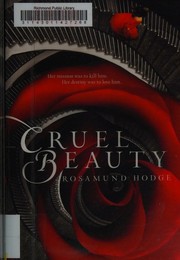
Cruel Beauty
A girl raised to kill the demon prince who rules her cursed land instead falls in love with him, in a retelling that mixes Beauty and the Beast with Bluebeard…
2,669-word summary · 12 min read
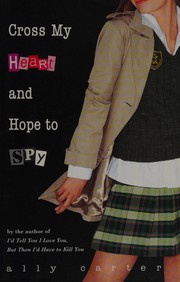
Cross My Heart and Hope to Spy
Cammie Morgan returns to Gallagher Academy for a second year of spy training, only to fall for a boy from a rival spy school and hunt a mole in her own school.
2,567-word summary · 11 min read
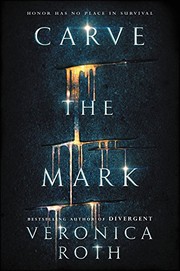
Carve the Mark
On a planet divided between conquered and conqueror, the tyrant's sister and a kidnapped oracle's son discover that their gifts make them useful to everyone…
2,340-word summary · 10 min read
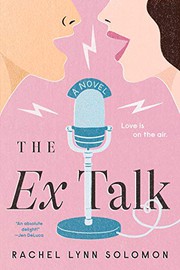
The Ex Talk
Two rival public radio producers pretend to be exes for a dating show, then fall for each other while the lie grows.
2,389-word summary · 11 min read
Reason to Breathe
Emma Thomas is a star student with a careful, invisible life at home. Evan Mathews notices the cracks, and the novel follows what happens when kindness gets…
2,197-word summary · 10 min read
Mr. Maybe
Libby Mason wants a rich husband, but the wealthy man who proposes is dull and the broke writer she cannot forget is not offering forever.
2,322-word summary · 10 min read