

Pucking Around
2,268-word summary 10 min read 573 pages in the book
- First published
- 2023
- Publisher
- Kensington
- Pages
- 573
- ISBN
- 9781496752406
- Series
- Jacksonville Rays (#1)
Reading options
What's inside (8 sections)
I found this one the way most people did, through hockey romance TikTok clips that promised chaos and actually delivered it. The edition I am summarizing is the Kensington paperback published in 2023, 573 pages with ISBN 9781496752406, listed as book one of the Jacksonville Rays series. Newer printings bundle in the prequel novella That One Night, which explains the opening hook. If you want the short version before we get into the weeds, it is a why choose romance about a physical therapist who falls for three men on the same NHL team, and yes, it is as explicit as the warning pages say. Strictly 18 plus.
My reason for sticking with it past the first hundred pages had little to do with spice. I work around sports injuries in real life, not hockey, but enough to know how rare it is for a romance to get the training room right. Rath gets the ice bags, the bad sleep, the paperwork. Then she puts a very human heroine inside that world and lets her want more than she planned.
That one night first
The story proper starts before the job, which helps.
Rachel Price is finishing her doctorate in sports medicine and flying to interviews when a storm strands her overnight. In an airport hotel she meets a funny, handsome man with no ring and no pickup script. They talk hockey without talking names. They spend one night together that is tender and a little goofy, with room service fries and a shared charger and a goodbye that feels clean. No numbers. No strings. Rachel files it as a perfect memory.
Rath first published this meeting as That One Night, and you can feel that shape. It is short, self contained, and written to make you smile. Rachel walks away thinking she will never see him again. Readers know better because the cover has hockey sticks on it.
What I appreciated is that Rachel does not pine. She goes home, finishes her degree, applies for fellowships, celebrates with her friend. When she tells the story later, she laughs about it. That matters because so much of what follows depends on Rachel being competent and clear headed, not lovesick.
A fellowship in Jacksonville
Rachel lands the fellowship of her dreams. Ten months with the Jacksonville Rays, an NHL expansion team in Florida with new facilities, a loud fan base, and a medical staff trying to prove itself. Her supervisor is exacting in a good way. Her tasks are unglamorous at first. Baseline testing, post game recovery, soft tissue work, notes in triplicate. She tapes ankles, runs concussion protocols, argues about sleep.
Jacksonville itself is a character. Heat, traffic on game nights, apartments with thin walls near the practice rink. Rachel finds a small place she can afford, buys a used bike, learns which coffee cart opens early enough for morning skate. Todd? No, Rath writes these settling in chapters with care. Rachel is the only woman in some rooms and she feels it without making every scene about it. She keeps her head down, does extra reps, asks older therapists sharp questions.
Then Mr. Perfect Night walks into her treatment room wearing a Rays practice jersey.
His name is Caleb Sanford, forward, grinder, energy guy, fan favorite for hits and smiles. He does not recognize her at first, which stings more than if he had pretended. Rachel keeps it professional with her jaw clenched. She takes his history, tests his shoulder, tells him to breathe. He flirts because that is his default. She shuts it down because her contract and her future depend on boundaries.
Around them orbit the other two. Jake Compton is the equipment manager, Caleb's best friend since juniors, surly with everyone except the people he trusts. He sharpens skates, fixes gloves, remembers who likes which stick curve. He watches Rachel with open suspicion at first. Ilmari Kinnunen is the Finnish goalie, quiet, ritual driven, convinced his routine keeps pucks out. He has a nagging lower body injury he keeps minimizing, and Rachel spots the hitch in his movement before he admits it.
The setup could feel contrived, all three handsome men circling one woman. Rath sells it by making work the reason they keep colliding. Rachel has to touch these athletes to do her job. She has to ask about pain, sleep, sex life when it affects recovery. Professional intimacy turns personal fast.
Caleb, the mistake who stays
Caleb gets the most page time early, and I understand why readers argue about him.
On the ice he is the guy who finishes checks, kills penalties, stands up for rookies. Off the ice he is warm, talkative, generous with fans. With Rachel he is persistent in a way that walks the line. He remembers the hotel night once it clicks, and he is genuinely sorry he blanked. He brings coffee to the training room. He apologizes without expecting forgiveness on the spot.
Their pull is physical first. Rath writes Caleb and Rachel with a lot of heat and humor. He teases. She rolls her eyes and then laughs despite herself. There is a scene in a cold tub room, all tile and steam, where they argue about boundaries and end up closer than either planned. Another on a road trip, stuck in a hotel with thin walls, where they choose to talk instead of hooking up, which tells you more than the sex scenes do.
The problem with Caleb, and Rath does not hide it, is his reputation. He has been the playboy grinder for years. Teammates joke. Groupies text. Rachel worries she will become a story he tells. He worries the same about himself. His growth in the middle of the book is learning to say what he wants plainly, without charm as armor. When he tells Jake and Ilmari to back off, then realizes he has no right to, that small failure felt true to me. He wants Rachel. He also wants his friends. He has no script for both.
If you like golden retriever heroes with an edge, Caleb is your guy. If you hate on page jealousy, brace yourself. He gets possessive more than once, and Rachel calls him on it.
Jake and Ilmari change the shape
What turns the book from a triangle into something else is how different Jake and Ilmari are from Caleb, and from each other.
Jake Compton is all friction. He grew up in rinks, never quite made it as a player, rebuilt himself as the guy who keeps gear perfect. He is blunt, territorial about his room, rude when he is tired. Early on he rides Rachel about being too young, too pretty, too temporary to trust with his guys. It is unfair and he knows it. Underneath is fear. He has seen staff come and go, seen players get mishandled, seen friends get hurt. He tests Rachel by giving her broken lace jobs and impossible turnarounds. She passes by staying late and labeling everything.
Their slow thaw is my favorite part. Jake shows care through actions. He fixes Rachel's bike light. He leaves protein bars where she will find them. He defends her to a veteran who makes a crack about therapists who sleep around. When they finally talk honestly, in the equipment room surrounded by drying gloves, he admits he wanted her from the start and hated himself for it. Rath lets him be awkward about feelings without making him cruel.
Ilmari Kinnunen, called Mars by teammates, is quieter and stranger in a good way. He is Finnish, older than Caleb, deeply superstitious. Same pregame meal. Same tape pattern. Same seat on the bus. He decides early that Rachel is good luck because his save percentage climbs when she works on him. He asks for her by name. At first Rachel thinks it is sweet. Then she sees the limp he hides after butterfly drops, the way he skips certain stretches, the ice he steals late at night.
Goalies hide injuries. Anyone who follows hockey knows it. Rath uses that truth well. Ilmari does not want to lose the net to a younger backup. He does not want to be labeled fragile. Rachel has to choose between protecting his trust and protecting his body, and she chooses the body, which costs her. Their scenes together are careful and slow. He teaches her Finnish words for pain. She teaches him how to breathe through a hip mobilization without locking up. The attraction builds through touch that starts clinical and turns charged.
By midseason Rachel is involved with all three in different ways, and the book stops pretending she will pick one.
Why choose, and what it costs
Around the halfway mark Rath makes the structure clear. This is a why choose romance, meaning Rachel does not have to choose between Caleb, Jake, and Ilmari, and the men are involved with each other too. The dynamic is MMFM, with connections between the men as well as with Rachel. For readers new to the trope, that means scenes with multiple partners, open negotiation, jealousy that has to be talked through rather than solved by picking a winner.
Rath spends a lot of pages on consent talk, and I thought that was smart given the work setting. Rachel worries about power. She is staff. They are players. If word gets out, she will be blamed first. The men worry about the locker room. Hockey culture is not known for embracing polyamory. They agree to keep things private at work, to never let treatment decisions be affected, to tell the head of medical if lines blur. They fail at parts of this. They keep trying.
There is a team meeting scene where the tension almost spills. A veteran makes a joke about Rachel dating the roster. Jake goes still. Caleb laughs too loud. Ilmari stares at the floor. Rachel handles it with a flat, professional shutdown that earns her respect and costs her sleep. Later, in private, all four fight about whether secrecy is protecting Rachel or using her. No one wins the fight clean. That felt right for a book this long. Polyamory here is not a fantasy of no consequences. It is scheduling, testing, embarrassment, and a lot of laundry.
The spice is frequent and detailed, with kink friendly elements, toys, dirty talk, group scenes, and a lot of aftercare. Rath writes arousal well and writes negotiation better than most in the genre. If explicit content is not for you, this is an easy skip. Chapters do not fade to black. That said, the criticism that the middle sags has merit. At about page 350 to 450, the pattern of practice, treatment, argument, reunion in bed repeats. I started skimming some bedroom scenes because they stopped revealing anything new about character. More ice time and less bed time would have helped the pacing.
A season on the line
The last quarter raises the hockey stakes to match the romance ones.
Ilmari's injury worsens during a playoff push. He lets Rachel treat him fully at last, and what she finds worries her. She pushes for imaging. He refuses on the road. Jake, who has taped Ilmari's pads for years and knows his tells, backs Rachel. Caleb runs interference with coaching staff. The scene where Rachel has to tell the head athletic trainer that her star goalie has been hiding symptoms, knowing it could end her fellowship if handled badly, is the tensest in the book. She documents everything, tells the truth, accepts the anger.
Caleb takes a bad hit blocking a shot and misses games. Sitting out guts him. He is used to being useful through contact. Rachel has to treat a man she loves while acting like a neutral clinician, and she is not always good at it. Jake gets caught between loyalty to players and loyalty to staff, and his temper flares at exactly the wrong meeting.
Rath resolves the season without miracles. Jacksonville does not ride a fairy tale to a cup. Players heal slowly or not quite. Rachel proves herself through process, not a single save. Her fellowship review notes her thorough notes, her golie rehab plan, her calm under pressure. A veteran player thanks her by name. A coach who doubted her asks for her opinion. Those small professional wins meant more to me than the romantic declarations.
The romantic resolution is a commitment to keep going, not a wedding. Rachel, Caleb, Jake, and Ilmari agree to stay together openly within limits they choose, to live closer, to keep talking. There are promises about off season, about housing, about telling family. An epilogue flashes forward to domestic ease, cooking and film and a dog who steals socks, with all four still choosing each other. Later books in the series follow other Rays, but this quartet remains the anchor.
So who is this for. If you want a hockey romance where the heroine has a real career and the team feels lived in, and you enjoy polyamory with clear consent and high heat, this delivers for 500 plus pages. If you want tight plotting, hard hockey tactics, or low spice, look elsewhere. I finished it in two sittings, tired and entertained, thinking the training room scenes were the best surprise. The bedroom scenes are long on purpose. The work scenes are why I would hand it to a friend with the warning label up front. Read the content notes, check the age gate in your head, and know going in that love here comes in fours, on ice.
FAQ
When was Pucking Around published?
Pucking Around was first published in 2023 by Kensington. The edition cited runs 573 pages with ISBN 9781496752406. It is book one of the Jacksonville Rays series.
Is Pucking Around part of a series?
Yes. It opens the Jacksonville Rays series and includes the prequel That One Night about Rachel and Caleb. Later books follow other Rays players.
Is Pucking Around explicit?
Yes, it is explicit and intended for adults only. It contains frequent sexual content, group scenes, and kink friendly elements in a why choose MMFM dynamic. Readers sensitive to heat or workplace power gaps should check notes first.
Similar books
More from Jacksonville Rays first, then related titles.

The Play
Briar U hockey star Hunter coaches quiet junior Demi in confidence and fake dating until real feelings break the plan.
3,080-word summary · 14 min read

The Legacy
Four Briar hockey couples face weddings, proposals, and parenthood three years after graduation.
2,172-word summary · 10 min read

Love Song
Hockey heirs spend one Tahoe summer together, split by tragedy, then get a second verse.
2,222-word summary · 10 min read

Consider Me
An NHL star pursues a teacher who keeps turning him down, and must earn trust through family, friends, and steady proof.
2,926-word summary · 13 min read

The Graham Effect
A hockey legacy and a sharp newcomer trade lessons, banter, and slow trust at Briar.
2,377-word summary · 11 min read

The Risk
Brenna needs a fake boyfriend for an internship interview and picks rival star Jake, who wants real dates in return.
2,911-word summary · 13 min read

The Chase
Summer needs housing and gets stuck with hockey player Fitzy, who flirts while she grieves and grows.
1,920-word summary · 9 min read

Wildfire
Hockey goalie Russ Callaghan and bold Aurora Roberts reunite as camp counselors after a one-night stand in this Maple Hills summer romance.
2,931-word summary · 13 min read

The Goal
Sabrina plans for Harvard Law until an unexpected pregnancy ties her to steady hockey player Tucker.
3,201-word summary · 14 min read

Mile High
A Chicago hockey star and a new team flight attendant clash on every road trip until banter turns into care.
3,189-word summary · 14 min read

The Score
Playboy Dean chases Allie, who wants a fresh start after a bad breakup.
2,700-word summary · 12 min read

The Mistake
Logan chases Grace for a second chance after one thoughtless night while graduation pressure builds.
2,363-word summary · 11 min read

The Deal
Hannah tutors hockey star Garrett in exchange for help getting another guy.
1,906-word summary · 8 min read

Icebreaker
Figure skater Anastasia Allen shares a rink with hockey captain Nate Hawkins and sparks fly at UC Maple Hills.
2,176-word summary · 10 min read

Take a Hint, Dani Brown
A viral rescue video turns a PhD student and a grumpy security guard into internet couple goals, and the fake relationship they build to keep the attention…
2,005-word summary · 9 min read

The Dare
Dared to seduce Conor, Taylor fakes dating him and feels it turn real.
2,371-word summary · 11 min read

Collided
Sophie bets she can resist playboy Liam, then pit walls fall.
2,219-word summary · 10 min read

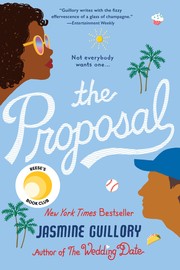
The Proposal
Nik says no to a stadium proposal and rebounds with Carlos in flirty LA romance.
2,044-word summary · 9 min read

Just for the Cameras
A grumpy football star and a sunny flamingo keeper fake a romance for the cameras, then catch real feelings fast.
2,366-word summary · 11 min read

In Her Own League
Baseball's first female owner clashes with her manager until banter turns to heat.
2,076-word summary · 9 min read

Drive Me Crazy
A rookie F1 team principal and her comeback-driver childhood crush must save their failing team without wrecking each other.
2,236-word summary · 10 min read

Catch Her If You Can
Yankees catcher Madden proposes a secret marriage of convenience to burlesque club owner Eve when two kids land on her doorstep.
2,187-word summary · 10 min read

Keeping 13
Injured Johnny and hiding Shannon test first love against rehab pain and family secrets in Tommen.
2,052-word summary · 9 min read

Say You Swear
Arianna Johnson heads to Avix University hung up on her brother's best friend, until steady quarterback Noah Riley forces her to rethink first love.
2,397-word summary · 11 min read

Throttled
F1 driver Noah hates his teammate son Maya, then hires her to fix his image and falls for her.
1,942-word summary · 9 min read

Binding 13
Shy Shannon Lynch transfers to Tommen College for a fresh start and crosses paths with rugby star Johnny Kavanagh, sparking a slow friendship tested by injury,…
2,950-word summary · 13 min read

Powerless
Sloane flees her wedding and hides with best friend Jasper in Chestnut Springs, where eighteen years of friendship turn into something more.
2,195-word summary · 10 min read

The Wall of Winnipeg and Me
Vanessa Mazur quits assisting football star Aiden Graves, until he returns with a marriage proposal that changes both their plans.
3,049-word summary · 14 min read

What Happened to Goodbye
Mclean has reinvented herself in four towns since her parents divorced. In Lakeview she uses her real name, and for the first time staying put becomes a choice.
2,796-word summary · 12 min read