
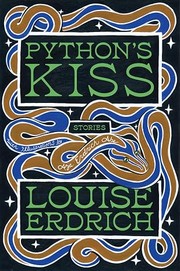
Python's Kiss
2,027-word summary 9 min read 240 pages in the book
- First published
- 2026
- Publisher
- HarperCollins
- Pages
- 240
- ISBN
- 9780063375024
Reading options
What's inside (16 sections)
Thirteen stories from one of America's essential writers, spanning decades of work and worlds of tone. A newsletter editor's impossible story. Immigrant farmers losing ground and minds. A woman married to a stone. A thief who sings folk songs. An afterlife run like a corporation. A haunting in Venice. The range stuns. The voice stays unmistakably Erdrich throughout: wry, humane, attentive to animals, land, and the absurd.
Many of these appeared in The New Yorker first, which tells you about quality control. The collection gathers them with newer pieces into something that reads as a life's side project finally getting its frame. Short fiction lovers, make room.
Small towns, strange turns
The small-town stories anchor the book. An editor at a tribal newsletter receives a story from her son that breaks every category she owns. What do you do when your child hands you the inexplicable? Publish? Protect? Disbelieve? The story's answer involves love strong enough to print mystery.
Immigrant farmers work land that returns less each year while taking more. Their hold on earth and sanity loosens in tandem. Erdrich writes agricultural decline with the specificity of someone who has watched it. Soil, prices, weather, isolation: the economics of despair rendered without pity or preach.
Teachers, artists, romantics populate the in-between stories. Ordinary people encountering one impossible thing and responding practically. That practicality defines Erdrich's magic. Nobody monologues about wonder. People feed the strange thing, or fence it, or marry it, and get on with chores. The deadpan acceptance makes everything stranger.
The stone wife
One story gives the collection its emotional thesis. A girl decides to spend her life with a stone, and the narrative treats this as a choice among choices rather than madness or metaphor. Commitment to the inanimate clarifies what commitment means generally. Readers will argue about what the stone represents. Better to ask what loyalty costs.
The story's humor sneaks up. Deadpan lines about geological romance land harder for their restraint. Beneath the comedy runs a serious inquiry into consent, companionship, and the stories women tell to survive unsatisfying options. Is the stone better than available men? The story lets the question hang, devastatingly.
Romantics and realists will read it differently, which is the point. Erdrich constructs images sturdy enough to hold multiple interpretations without collapsing. Book groups could spend an hour on these pages alone. The stone stays silent. Readers will not.
Thieves, ghosts, Venice
The folk-singing thief story delights as pure entertainment with teeth. A man robbed by charm as much as force, a thief whose songs work like spells. Music as larceny, performance as getaway vehicle. Erdrich clearly had fun, and the fun infects every paragraph. Not all stories need to ache. Some can just sing.
The Venice haunting brings Old World weight. Water, masks, centuries of beauty and rot. A ghost with unfinished business meets a living person with too much business already. Their negotiation across the veil proceeds with manners and menace in equal measure. Setting does half the work, prose does the rest.
Borsellino, the ghost story singled out in interviews, earns its spotlight. Interlinked tales of haunting that build toward something larger than scares. Erdrich writes ghosts as unfinished relationships rather than effects. The chill comes from recognition: the dead want what the living want, just without bodies to want with.
The corporate afterlife
The collection's wildest swing imagines an afterlife owned and operated, where a woman enters its bureaucracy seeking revenge on her father. Customer-service eternity. Forms in triplicate for the soul. The satire bites because the premise differs from current reality mostly in admitting what it is.
Revenge plots usually curdle into moralizing. Here the target, an overbearing father, gets rendered with enough humanity that vengeance feels costly rather than cathartic. The daughter's fury is righteous and corrosive at once. Erdrich refuses the easy satisfaction of simple payback.
Corporate language deployed against metaphysics generates the book's best jokes and bleakest insights. Terms of service for salvation. Retention departments for souls. Anyone who has fought a phone tree will recognize the true horror. The afterlife imagined as monopoly capitalism feels less speculative every year.
Art with daughter
The specially commissioned artwork by Aza Erdrich Abe, the author's daughter, makes this a family object as well as a book. Mother-daughter collaboration across text and image adds resonance the stories sometimes echo directly. Creation as kinship, kinship as creation: themes the fiction already explores get a physical embodiment.
Knowing the artist is family changes how images read. Portraits feel like love letters. Margins feel like conversations. The book becomes an occasion for thinking about how art passes between generations, what mothers give daughters beyond genes. Readers with creative families will feel the charge.
The collaboration also models something about late-career artists. Erdrich, established beyond dispute, still experiments, still shares credit, still plays. That spirit animates the whole collection. None of these stories feel like coasting. Each tries something formally or emotionally risky. Most succeed.
Late style, sharp eye
Critics rightly note the New Yorker polish, but the book avoids magazine-slick sameness through range. Diction shifts story to story. Structures vary. Tones swing from farce to elegy sometimes within pages. Only the attention stays constant: fierce, compassionate, unwilling to look away from people or places.
The Minnesota grounding matters throughout. Even Venice and the afterlife get filtered through a sensibility formed by lakes, winters, and tribal land. Place functions as conscience in Erdrich's work. Characters belong somewhere specific, and that somewhere judges them gently but firmly.
Younger readers sometimes find Erdrich intimidating by reputation. This collection is the ideal entry: short commitments, varied modes, humor alongside weight. Start with the thief, proceed to the stone, brave the afterlife. By the end the Pulitzer makes complete sense.
Which stories stay
Ask readers a month later what they remember, and answers will scatter across all thirteen. That spread is the collection's triumph. No single story carries the book. Each finds its own readers. The newsletter editor's dilemma. The farmers' decline. The stone. The thief. The afterlife. Venice. Borsellino. All of them someone's favorite.
The slighter pieces register as palate cleansers rather than filler. A two-page marvel here, a joke with fangs there. Even minor Erdrich outwrites most majors. Only completists will mind the unevenness, and completists forgive everything for the peaks.
Essential for story lovers, rewarding for Erdrich veterans, welcoming for newcomers. Thirteen doors into one of American fiction's great houses. Open any of them. The rooms connect in ways that surprise. The owner keeps the lights on late for readers. Come in.
Stories as survival
What unites these disparate pieces is attention as moral act. Erdrich watches people, animals, land with identical care. That watching becomes the stories' ethic: pay attention and you might survive your own life. Look away and the python strikes.
The title story's wisdom, marked out for sorrow or the ridiculous, frames the whole project. Writing as being chosen by something larger and stranger than ambition. Erdrich has spent a career earning that kiss. These thirteen stories show the marks, beautifully.
Read slowly. Laugh often. Watch for stones, thieves, ghosts. They are all telling the truth sideways, which is how truths survive telling.
The New Yorker years
Many stories here first appeared in The New Yorker, and the fact matters. That magazine's taste shaped them: compression, implication, endings that land like held breath. Reading them together shows what the venue rewards and what Erdrich smuggles past its preferences. Feeling disguised as form. Politics wearing good manners.
The editorial relationship spans decades, which lets readers track a writer's evolution through one venue's lens. Early stories play safer. Later ones take wilder swings. The magazine's patience with her experiments testifies to mutual trust. Few writers get this much room for this long. Erdrich earned every inch.
For aspiring writers, the collection doubles as masterclass. Study how much goes unsaid. Notice where scenes start late and end early. Watch dialogue do triple duty. Then try it yourself and discover how hard effortless looks. The book teaches without lecturing, which is the only way craft gets learned.
Animals as witnesses
Erdrich's animals deserve their own appreciation. Dogs in cages that see everything. Feral cats with opinions. Horses that remember. Birds that interrupt at wrong moments. Beasts that judge silently. None are cute in the diminutive sense. All are persons of a sort, with interests and dignity.
The python of the title works on multiple levels at once. Literal snake, mythic wisdom figure, ridiculous extreme of experience. Being marked by it suggests election and affliction together. Blessings that bite. The image holds the collection's whole method: take something vivid, follow it past comfort, find meaning without forcing moral.
Horses get especially fine treatment throughout. A shot horse tragedy anchors one story's emotional core. Equine patience contrasts human haste repeatedly. Erdrich, who lives among animals in Minnesota, writes them as neighbors rather than symbols. Familiarity breeds attention, not contempt, in her pages.
Small towns, big weather
Place operates as fate across these stories. Small towns where everyone knows the version of you from high school. Reservations with layered histories. Cities that promise escape and deliver complication. Characters rarely transcend geography. They negotiate with it, lose to it, occasionally make peace.
Weather does emotional labor constantly. Minnesota cold as moral clarifier. Venice damp as spiritual condition. Drought as relationship metaphor. Erdrich never wastes a forecast. Skies reflect interiors without characters noticing, which is how weather works on real people too. We blame moods on fronts and call it objectivity.
Time moves oddly through the collection. Some stories span decades in pages. Others stretch an afternoon to book length. The variation keeps readers alert. Erdrich controls duration like a musician controls tempo, speeding for comedy, slowing for grief. Rhythm as meaning, executed masterfully throughout.
Humor in the dark
The funny in Erdrich catches newcomers off guard. Expecting solemn literary fiction, they meet deadpan absurdity instead. Bureaucratic afterlives. Stones as spouses. Thieves with theme songs. The humor never undercuts feeling. It makes feeling bearable, which is humor's highest use in dark material.
Irony here stays warm rather than cool. Targets are systems, never people. Characters get laughed with, even at their worst moments. That generosity distinguishes Erdrich from satirists who keep distance. She loves her oddballs too much to mock them. Readers feel the affection and relax into difficult material.
A few stories run purely on comic engine with melancholy underneath. The thief's escapades entertain while quietly asking what people steal when they steal. Attention? Love? Second chances? Laughter opens the question. Silence after the laugh answers it. Call and response across the collection's emotional range.
Erdrich's shelf position
Among living American short-story writers, Erdrich belongs in the top tier conversation. The consistency across decades amazes most. While novels won prizes, stories kept coming, each collection different from the last. Python's Kiss may be the most varied yet, which at this career stage says plenty.
For newcomers, this opens doors wider than the novels. Short commitments, multiple modes, humor forward. If the novels intimidate, start here. If stories feel slight, the novelistic density will surprise. Either way the Pulitzer reputation gets demystified into plain reading pleasure.
Essential, various, alive. Thirteen stories, thirteen proofs that attention is love made visible. Erdrich keeps watching. Readers should keep reading. The kiss marks those it touches. Consider yourself marked, gratefully.
Minnesota winters
Cold shapes these stories the way heat shapes desert fiction. Characters make decisions around furnaces, vehicles, daylight hours. Survival logistics color every plot. Winter does not decorate here. It governs. Readers from warm places get an education in how climate dictates behavior.
Isolation follows temperature. Snowed-in houses force confrontations. Long nights invite confession or brooding. Neighbors matter more when driving anywhere risks ditches. Community bonds tighten and chafe simultaneously. Erdrich captures both edges without romanticizing either.
Spring thaws arrive as plot devices and emotional states together. Relief mixed with exposure. What snow covered emerges changed. Characters face consequences preserved all winter like specimens. Seasonal structure gives several stories their architecture. Nature keeps the calendar even when people lose track.
FAQ
When was Python's Kiss published?
HarperCollins published it in March 2026. It runs 240 pages with ISBN 9780063375024.
Novel or stories?
No. It is a standalone collection of thirteen stories, many from The New Yorker.
Who peoples it?
Newsletter editors, immigrant farmers, stone-keepers, folk thieves, Venice ghosts, and Borsellino.
Similar books

Brawler
Nine fierce stories spanning the 1950s to today, following swimmers, siblings and heirs torn between their dark and light angels.
3,103-word summary · 14 min read
Unaccustomed Earth
Lahiri’s second story collection follows Bengali families in America and abroad, tracing the quiet distances between parents and children, spouses, and the…
2,333-word summary · 10 min read

This Is How You Lose Her
Yunior cycles through love affairs and betrayals in nine linked stories, tracing the damage he does and the family history behind it.
2,195-word summary · 10 min read
Olive, Again
Elizabeth Strout returns to Crosby, Maine, as Olive Kitteridge marries Jack Kennison, confronts her son, and faces old age, grief, and small-town judgment.
2,333-word summary · 10 min read

Interpreter of Maladies
Nine stories follow Bengali families split between Calcutta and New England, through marriage, grief, and arrival.
2,412-word summary · 11 min read

The Round House
At thirteen, Joe Coutts hunts for his mother's attacker when the law stalls, in Louise Erdrich's National Book Award novel of family, jurisdiction, and revenge…
2,391-word summary · 11 min read

Howards End
Forster's 1910 novel follows two families, a house in Hertfordshire, and a burned note, asking whether money and feeling can ever be connected.
2,187-word summary · 10 min read

Fathers and Sons
Arkady brings the nihilist Bazarov home to his father's estate, and a generational argument turns into love, a duel, and an early death.
2,192-word summary · 10 min read
The Age of Miracles
A California girl grows up while the Earth's rotation slows, and ordinary adolescence continues alongside slow catastrophe.
2,417-word summary · 11 min read

Tales from the Café
Four more visitors to a Tokyo café travel through time under strict rules, each hoping to say the thing they could not say before.
2,242-word summary · 10 min read
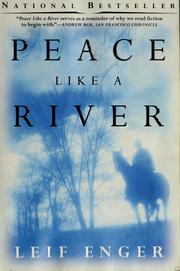
Peace Like a River
An asthmatic boy in the early 1960s narrates his family's search for his older brother, who is accused of two killings and has escaped custody.
1,969-word summary · 9 min read

We Are Okay
Marin fled San Francisco after her grandfather vanished and stopped answering anyone. When Mabel visits her college dorm, she has to say what happened.
2,253-word summary · 10 min read

The Chosen
A shattered pair of glasses in a 1944 Brooklyn softball game starts a friendship between a Hasidic boy and his Orthodox neighbor, and their fathers pull them…
2,443-word summary · 11 min read

Her Body and Other Parties: Stories
Eight stories where bodies, medicine and old fairy tales get taken apart, with a green ribbon running through the whole book.
2,997-word summary · 13 min read

A Spool of Blue Thread
Four generations of the Whitshank family in Baltimore, and the silences, resentments and quiet love they hand down without ever saying so.
2,408-word summary · 11 min read

Flight Behavior
Dellarobia Turnbow is stuck in a Tennessee farm marriage until a valley full of monarch butterflies, and the scientist who comes to study them, force her to…
2,051-word summary · 9 min read
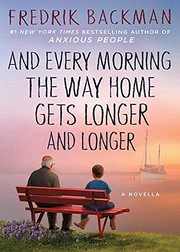
And Every Morning the Way Home Gets Longer and Longer
An elderly grandfather, his son, and his grandson share memories and fears as the old man's mind begins to fade, in a short novel about grief and love.
2,078-word summary · 9 min read

The Tiger's Wife
A young doctor in a war-scarred Balkan country chases the stories her grandfather left behind, including a deathless man and a deaf girl who loved an escaped…
2,232-word summary · 10 min read

The Story of Edgar Sawtelle
A mute boy on a Wisconsin dog-breeding farm relives Hamlet as his uncle returns, his father dies in the barn, and the dogs inherit what is left.
2,392-word summary · 11 min read

The Bane Chronicles
Eleven stories across five centuries follow Magnus Bane from a ban in Peru to his first date with Alec in this illustrated Shadowhunter companion.
2,470-word summary · 11 min read
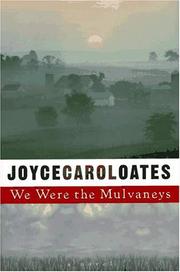
We Were the Mulvaneys
After a rape following a school dance, the Mulvaneys, a family that believed it was blessed, comes apart over fifteen years. Narrated by the youngest son.
2,094-word summary · 9 min read
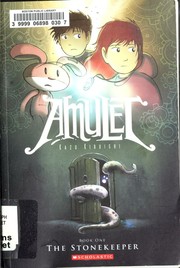
The Stonekeeper
After their father's death, Emily and Navin chase a monster into a hidden world to save their mother, and Emily's great-grandfather's amulet offers power at a…
2,753-word summary · 12 min read
The Girl Who Drank the Moon
A witch who secretly rescues the town's sacrificed babies accidentally enmagicks one with moonlight, and the girl grows up with a power she cannot name.
2,078-word summary · 9 min read
Foster
A girl spends a summer with relatives on a Wexford farm and is cared for properly for the first time. A spare novella about family and what children notice…
2,043-word summary · 9 min read
The Most Fun We Ever Had
Four Sorenson sisters orbit perfect parents hiding old cracks.
2,590-word summary · 12 min read
The Accidental Tourist
Grieving Macon writes travel guides for haters of travel, then Muriel intrudes.
2,252-word summary · 10 min read

Men Without Women
Seven stories about men living after women leave, die, or stay distant.
2,673-word summary · 12 min read

Kitchen
Orphan Mikage finds home in a kitchen with Yuichi and Eriko after loss.
2,597-word summary · 12 min read
Case Histories
A Cambridge PI takes three cold cases that tangle with his own loss.
2,465-word summary · 11 min read
The School for Good Mothers
A mother sent to a reform school fights to keep her daughter under cold surveillance and strict rules.
2,114-word summary · 9 min read