
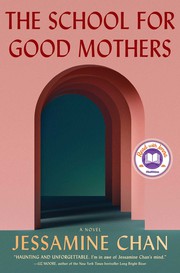
The School for Good Mothers
2,114-word summary 9 min read 336 pages in the book
- First published
- 2022
- Publisher
- Simon & Schuster
- Pages
- 336
- ISBN
- 9781982156121
Reading options
What's inside (9 sections)
I read this novel in two sittings with a knot in my stomach, because it takes a bad day many parents fear and turns it into a system. A tired mother leaves her toddler alone briefly, someone reports it, and the state sends her to a school that scores motherhood. First published in 2022 by Simon and Schuster, at 336 pages in hardcover, it is a standalone debut. The story follows Frida Liu, a divorced Chinese American mother fighting to keep her daughter Harriet.
Frida is not a monster. She is overworked, lonely after her husband Gust leaves for a younger partner, and short on sleep. One afternoon she leaves eighteen month old Harriet alone for about two hours while she goes back to an office. Nothing fatal happens, but the lapse is serious, and a neighbor calls. Child services steps in fast. Frida loses custody and faces a choice between losing rights and entering a pilot reform program.
The school sits apart from town, full of cameras, dolls, and instructors with clipboards. Mothers wear uniforms, follow schedules, and practice holding, feeding, and soothing robot children that record every touch. Fathers go to a separate site with lighter rules, a difference the book does not hide. Phone calls with real children are short, supervised, and scored.
Frida before the call
Early chapters build Frida's life with care. She works, pumps milk in odd rooms, and tries to keep an apartment that never stays clean. Her marriage ended messily. Gust wants a clean break and new family. His parents doubt Frida. Her own parents are far and aging, offering love by phone but little daily help.
Harriet is written as a real toddler, not a prop. She throws food, clings, laughs, and tests limits. Frida loves her fiercely and also feels trapped by constant need. That mix is important. The book allows a mother to feel both love and exhaustion without calling her unfit. Many readers will recognize the shame of wanting an hour alone and hating yourself for wanting it.
The bad day unfolds in ordinary steps. Frida is called to work, cannot find cover, thinks she will be quick, and misjudges time. She does not plan harm. She makes a selfish, tired choice and gets lucky that Harriet is unhurt. Chan does not excuse it. She shows how thin the line is between a forgiven mistake and a reported one, and how race, divorce, and class shape who gets reported.
Gust uses the incident to seek custody. His new partner Susanna presents as stable and eager to mother Harriet. Frida feels replaced and judged. Lawyers speak in flat terms about risk. A judge offers the school as a path to prove fitness. Frida signs because the alternative is losing Harriet for good.
I found these opening pages strong because they avoid villains. Everyone acts from reasons you can see. The neighbor fears for a child. The caseworker follows rules. Gust wants safety. Frida wants another chance. The system that follows is the problem, not one bad person.
Intake and the dolls
Arrival at the school feels cold by design. Staff take phones, assign bunks, and explain points. Mothers must show warmth on command while being watched. Robot dolls cry, stiffen, and log holds. Instructors grade tone, eye contact, and patience. A hug too brief loses points. A sigh counts against you.
Frida rooms with women from different lives. Emmanuelle, a Black mother who left her twins with family while working nights. Meryl, older and prickly. Others who fade in and out as some fail and leave. They trade tips about which instructor likes what, how to calm a doll that never calms, and how to cry quietly after lights out so cameras note sleep, not sorrow.
Training drills cover feeding, bathing, and play. Mothers practice narrating actions in bright voices. They learn approved songs and banned phrases. They rehearse apologies to children for past lapses. Frida is good at some tasks and bad at others. She overthinks, which the dolls punish. A doll does not forgive nerves. It records them.
Contact with Harriet comes through scheduled video calls. Harriet is with Gust and Susanna, growing and forgetting in small ways that gut Frida. She learns new words from Susanna. She calls Susanna mama once, and Frida freezes on camera while staff note her reaction. Those calls are the best and worst minutes of Frida's week. She prepares for days and replays them for nights.
The school also teaches work skills and budgeting, as if poverty caused the lapse. Frida bites her tongue through lessons that do not fit her case. She was not poor in the way they assume. She was alone and stretched. The mismatch shows how one program flattens many stories into a single score.
Two standards
One of the sharpest threads is the gap between mothers and fathers. The men's site has more free time, fewer cameras, and easier tests. Their dolls break less often. Their instructors joke more. When Frida hears details through letters and rumors, anger builds. Gust visits Harriet freely while she earns minutes.
Chan does not make this a twist. She states it early and lets it ache. Reports, courts, and schools watch mothers harder. Fathers are praised for showing up. Mothers are scored for how they show up. Emmanuelle names it plainly in bunk talks. Meryl tries to game it. Frida writes it in a journal staff may read, so she codes her fury in careful lines.
Feminism here is lived, not lectured. The book shows policy in kitchens and nurseries rather than in speeches. Who gets leave, who gets blamed for a fever, who is called selfish for working late. Small rules stack into a wall. Frida hits that wall daily and learns to lean on other mothers instead of climbing alone.
There are also racial layers. Frida feels staff read her as cold when she is controlled. A smile is scored as fake, a frown as harsh. Emmanuelle faces harsher scrutiny still. The book does not turn this into a single scene. It threads through scores, comments, and who gets second chances. That steady pressure felt true to how bias works.
I appreciated that Chan includes kind staff too. One instructor stays late to explain a drill. A nurse softens during a call. These bits keep the school from cartoon evil and make it scarier. Ordinary people run a cruel design while being polite. That politeness is part of the control.
Bonds in the bunks
Friendship carries the middle. Frida, Emmanuelle, and a few others form a tight group. They share snacks, braid hair, and quiz each other on approved language. They also fight under stress. Sleep loss and scores fray nerves. A stolen extra call causes a rift that takes weeks to mend.
They teach each other mothering outside the manual. How to hum when a doll will not settle. How to hold anger in shoulders so cameras see calm hands. How to remember real children without breaking during drills. These lessons are tender and practical. They show care as skill plus love, not as instinct that can be scored by a machine.
Love interests are absent by design. The book keeps focus on mothers and children, with ex partners at edges. Gust appears in calls and hearings, polite and firm. He loves Harriet and believes Susanna offers stability. Frida hates that belief and cannot fully refute it while locked inside. That stalemate hurts because both parents love the child and the system picks a winner by points.
A late section moves mothers to field trips with real children under watch. Frida gets time with Harriet in a park with staff nearby. Harriet is shy, then warm, then tired. Frida tries to be present instead of performing, and for minutes it works. Then a staffer notes a small lapse, and joy collapses into scoring. I felt angry reading it, which is the point.
The group starts to share plans for after. Some will appeal. Some will accept supervised visits. Emmanuelle talks about moving near family. Meryl jokes about opening a daycare that bans dolls. Humor returns in small bursts, which keeps the book from drowning in gloom. Laughter in bunks feels like air.
The test and the choice
Final evaluations arrive with little warning. Mothers face observed sessions, interviews, and file reviews. Frida prepares like an exam student, rehearsing answers about risk, routines, and support networks. She lines up a job letter, a room, and a care plan. She practices saying she understands the lapse without groveling, a hard line to walk.
Without spoiling the exact outcome, the ending forces a choice between playing the system and protecting Harriet in a way the system may punish. Frida weighs what looks good on paper against what feels right in her body. Other mothers choose differently, and the book respects each path. There is no single brave answer when power is uneven.
The last chapters move faster than the rest, which is my main criticism. Months of slow scoring give way to quick decisions, travel, and legal turns. I wanted more pages for the fallout with Gust and Susanna, and for Harriet's view as she grows. The speed creates momentum but thins some consequences. A longer close would have steadied it.
Still, the choice lands because Chan earned Frida's growth. Early Frida hides and pleases. Late Frida states needs clearly, even when shaking. She asks for help before breaking. She says no to extra tasks that would risk Harriet. That change matters more than any score. Whether the court sees it is another matter, and the book leaves that ache open.
What works and what strains
The premise could have been sensational, but writing keeps it grounded. Dolls that record, cameras in halls, and point charts sound sci fi until you see how they mirror real home visits, parenting classes, and risk forms. Chan pushes familiar tools one step further and asks what we accept. That push is the book's power.
Prose is clear and controlled, with images of hands, milk, and small clothes doing heavy work. Frida notices Harriet's shoes, a loose tooth of a doll, the smell of soap in bunks. Those details keep a big idea intimate. The book rarely preaches. It shows a schedule and lets you feel its weight.
Fair criticism: repetition sets in around the middle. Drills blur by design, but pages blur too. A few bunk scenes cover similar ground about scores and sleep. Trimming twenty pages there would sharpen the field trip payoff. The fathers site also stays mostly off page, reported rather than seen, which weakens a key contrast. Seeing one full day there would hit harder than hearing about it.
The book also asks much of readers who are parents. Guilt, fear, and judgment sit close. If you are in a raw season with small kids, pace yourself. The love in these pages is real, but the watching never stops, and that can feel heavy at night. I paused often and was glad I did.
At 336 pages in hardcover, The School for Good Mothers earns its prize talk and book club life. It pairs well on this site with literary fiction about family and with dystopia titles that test systems. If you want fast twists, look to thrillers here instead. If you want a story that asks what good mothering means and who gets to judge, stay with Frida, Emmanuelle, and Harriet until the last call ends.
A note on reading it as a parent or partner
I kept thinking about who should read this and when. If you parent with little help, some scenes will sting because they name fears you push down. The checklists, the fear of being reported for a normal lapse, the way tiredness gets read as failure. Those pages can feel too close. Give yourself room and daylight.
If you partner a primary caregiver, the book asks useful questions about load. Who tracks appointments, who knows shoe sizes, who wakes first. Frida carried much alone before the school, and Gust's distance made small cracks wider. Reading together could open honest talks about backup plans, money for care, and how to ask for help before a bad day turns risky.
The novel also respects children as people. Harriet is not a prize to win. She grows, forgets, bonds, and needs steady days. That view steadies the politics. Scores fade next to naps, meals, and calm goodnights. Whatever courts decide, Harriet needs adults who can stay present. Frida learns that in the hardest classroom, and the lesson holds after the last page.
FAQ
When was The School for Good Mothers published?
Simon and Schuster published The School for Good Mothers in 2022. The hardcover runs 336 pages and is a standalone debut novel.
Who is Frida Liu?
Frida Liu, a divorced mother who leaves her toddler alone one bad day. She enters a program that scores mothers on obedience and care drills.
Similar books
Our Missing Hearts
In a fearful future America, twelve-year-old Bird crosses the country to find the poet mother who left him.
2,434-word summary · 11 min read

The Age of Miracles
A California girl grows up while the Earth's rotation slows, and ordinary adolescence continues alongside slow catastrophe.
2,417-word summary · 11 min read
I Who Have Never Known Men
Forty women in a cage, one child who remembers nothing, and a nearly empty world above the bunker. Harpman's quiet, unexplained dystopia.
2,025-word summary · 9 min read
Flight Behavior
Dellarobia Turnbow is stuck in a Tennessee farm marriage until a valley full of monarch butterflies, and the scientist who comes to study them, force her to…
2,051-word summary · 9 min read
Those Who Leave and Those Who Stay
Elena publishes into Florence salons while Lila labors through Naples factories across the 1970s.
2,034-word summary · 9 min read

The Bean Trees
Taylor Greer flees Kentucky, inherits Cherokee toddler Turtle, and roots with Tucson strays.
2,082-word summary · 9 min read
We Need to Talk About Kevin
In letters to her dead husband, Eva reconstructs how her son Kevin grew from a cold child into a school killer.
2,041-word summary · 9 min read
Everything I Never Told You
In 1977 Ohio, sixteen-year-old Lydia Lee is found dead in a lake, forcing her interracial family to face the secret pressures around race, school and duty that…
2,711-word summary · 12 min read
Little Fires Everywhere
In planned Shaker Heights, Elena Richardson rents to drifting artist Mia Warren, and a custody fight over baby May Ling splits friends and teens.
1,911-word summary · 8 min read
Little Earthquakes
Four Philadelphia women meet during pregnancy and discover that new motherhood is nothing like the plan, while friendship becomes the thing that holds them…
1,997-word summary · 9 min read

Mrs. Everything
Two Jewish sisters in Detroit grow up, apart and together, across seven decades of American life, from the 1950s to the 2016 election.
2,362-word summary · 10 min read

Iron Widow
Wu Zetian enlists to avenge her sister, kills her pilot, and becomes an Iron Widow in a mecha Huaxia where the machines are built to kill women.
2,444-word summary · 11 min read

Howards End
Forster's 1910 novel follows two families, a house in Hertfordshire, and a burned note, asking whether money and feeling can ever be connected.
2,187-word summary · 10 min read

Fathers and Sons
Arkady brings the nihilist Bazarov home to his father's estate, and a generational argument turns into love, a duel, and an early death.
2,192-word summary · 10 min read

Unaccustomed Earth
Lahiri’s second story collection follows Bengali families in America and abroad, tracing the quiet distances between parents and children, spouses, and the…
2,333-word summary · 10 min read

Peace Like a River
An asthmatic boy in the early 1960s narrates his family's search for his older brother, who is accused of two killings and has escaped custody.
1,969-word summary · 9 min read

We Are Okay
Marin fled San Francisco after her grandfather vanished and stopped answering anyone. When Mabel visits her college dorm, she has to say what happened.
2,253-word summary · 10 min read

The Chosen
A shattered pair of glasses in a 1944 Brooklyn softball game starts a friendship between a Hasidic boy and his Orthodox neighbor, and their fathers pull them…
2,443-word summary · 11 min read
Sing You Home
A music therapist, her new wife and an evangelical ex-husband end up in court over three frozen IVF embryos.
2,952-word summary · 13 min read
Her Body and Other Parties: Stories
Eight stories where bodies, medicine and old fairy tales get taken apart, with a green ribbon running through the whole book.
2,997-word summary · 13 min read

Dear Girls: Intimate Tales, Untold Secrets & Advice for Living Your Best Life
Ali Wong's debut collects fourteen letters to her daughters, covering sex, money, work, marriage, Vietnam, and being a working Asian American mother.
2,266-word summary · 10 min read

A Spool of Blue Thread
Four generations of the Whitshank family in Baltimore, and the silences, resentments and quiet love they hand down without ever saying so.
2,408-word summary · 11 min read

Wide Sargasso Sea
Jean Rhys gives the first Mrs. Rochester a Caribbean childhood, a marriage built on money and suspicion, and a voice that Charlotte Bronte left in the attic.
2,021-word summary · 9 min read

This Is How You Lose Her
Yunior cycles through love affairs and betrayals in nine linked stories, tracing the damage he does and the family history behind it.
2,195-word summary · 10 min read
The Silence of the Girls
Briseis, queen of Lyrnessus, is captured by Achilles and narrates the Trojan War from inside the Greek camp, where women are prizes and survival is its own…
2,098-word summary · 9 min read
The Overdue Life of Amy Byler
A burned-out school librarian gets a summer to herself when her estranged husband returns, and discovers that being a mother does not have to mean losing…
2,055-word summary · 9 min read

The Birth of Venus
A Florentine merchant's daughter trains as an artist, marries a man who hides a secret, and survives Savonarola's bonfire of the vanities.
2,404-word summary · 11 min read

And Every Morning the Way Home Gets Longer and Longer
An elderly grandfather, his son, and his grandson share memories and fears as the old man's mind begins to fade, in a short novel about grief and love.
2,078-word summary · 9 min read

The Tiger's Wife
A young doctor in a war-scarred Balkan country chases the stories her grandfather left behind, including a deathless man and a deaf girl who loved an escaped…
2,232-word summary · 10 min read
The Story of Edgar Sawtelle
A mute boy on a Wisconsin dog-breeding farm relives Hamlet as his uncle returns, his father dies in the barn, and the dogs inherit what is left.
2,392-word summary · 11 min read