
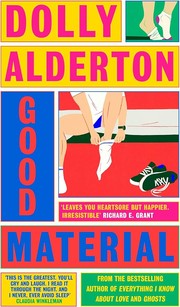
Good Material
2,500-word summary 11 min read 352 pages in the book
- First published
- 2023
- Publisher
- Fig Tree
- Pages
- 352
- ISBN
- 9780241523667
Reading options
What's inside (8 sections)
I picked up Good Material because my friend Tom would not stop talking about it after his own breakup last spring. He kept sending me photos of pages with lines underlined. He said, read this, this is exactly what it feels like to be dumped at 35 and have no plan. The book came out in 2023 from Fig Tree and runs 352 pages. It is Dolly Alderton's second novel, after Ghosts, and the first she tells mostly through a man. I read it over a long weekend with a cold, mostly on the sofa, and I laughed more than I expected for a book about someone getting left.
Andy Dawson is 35, from Birmingham originally, living in London, trying to make it as a standup. His girlfriend Jen Bennett has just ended things after almost four years. Three years, ten months and 29 days, by his count. That kind of counting tells you where his head is. She says she wants to be single. He does not believe her. Or he believes her and also does not believe her, which feels true to how breakups work. The opening has that smashed heart like a sinewy pinata line that people quote. It is funny until it is not, because he keeps turning it over for weeks.
What I liked right away is that Alderton lets Andy be annoying. He makes lists of Jen's faults to feel better. She lingered too long in museums, that sort of thing. He tells himself stories where he was great and she was cold. Then in the next paragraph he admits he cried in a Tesco. He drinks a lot. He checks her Instagram at 1 a.m. He tells his mates he is fine. He is obviously not fine.
The breakup Andy never saw coming
They met at a party in 2015, if I remember the timeline right, and were together through 2019. Alderton moves back and forth a little at the start, phone calls about breakup lists and packing, then memories of Paris and the early easy months. Paris matters. They took a minibreak there not long before she ended it, and Andy thought they were okay. Maybe a bit flat, maybe a bit tired, but okay. Jen thought something else entirely.
Jen is good at her job, corporate, organized, up for promotion. Andy got a TV gig at one point that felt like his break, but it did not turn into much. They live together. They have a joint bank account. They know each other's friends. When she says it is over, he has to ask what that means for the flat, the account, the dog people assumed they would get. Practical stuff hits at the same time as the big grief, which Alderton gets right.
He tries to act normal for about a day. He calls an old girlfriend, Nicky, to prove he still has options. She has moved on completely. That call goes nowhere and leaves him feeling older. He thinks about Daisy, another ex, and how that ended too. Patterns start to show that he does not want to look at yet.
My one gripe with this first stretch is that it circles. Which is realistic, breakups do circle, but on the page it can feel like we read the same night in the pub three times. I get why she does it. Still, I skimmed a little around page 80.
Sofas, spare rooms and Morris
Andy has nowhere to live, so the middle of the book becomes a tour of places to sleep. First his mum's for a bit, which is loving and suffocating in equal measure. She feeds him. She asks too many questions. He loves her and needs to leave.
Then he lands with Avi and Jane and their two small kids. Avi is his best mate. Jane is also Jen's best friend, which makes everything awkward. He sleeps on their sofa or in a box room full of toys. He tries to help. He is mostly in the way. Jane is pregnant again, expecting a third, and at some point it is clear he has to go before the baby comes. There is a children's birthday party scene at their place later that is painful in a good way, balloons and Pass the Parcel while Andy tries not to stare at Jen across the room.
After that he rents a spare room from Morris, a 78-year-old who believes in most conspiracy theories you can name. Morris disinfects his mail. He has rules about the kitchen. He talks a lot. On paper this looks like comic relief, and it is funny, but Alderton lets it turn into something softer. Andy is lonely. Morris is lonely. They rub along. Andy watches movies with the door open so the house feels less quiet.
He also tries the usual fix it moves. A short stint on a houseboat that sounds damp and cold. A personal trainer he cannot really afford, who tells him to drink water and stand up straight. Comedy gigs in strange rooms. A wedding set that dies completely. A product demo in a shopping centre where he has to smile while no one stops. If you have ever done freelance work that dried up at the wrong time, those chapters sting.
Leaves you heart sore but happier. Irresistible.
That quote is on the cover from Richard E. Grant, and it is pretty accurate for this section. You feel sorry for Andy without fully siding with him.
Watching Jen move on
The hardest part to read is Andy tracking Jen online. He blocks her and Seb on Instagram, then unblocks to look, then blocks again. He tells his agent about a fee cut and then spends an hour comparing himself to Seb. Seb is Jen's new partner from work. He posts about chips, of all things, a brand Andy and Jen found together once. Andy takes that personally in a way that is embarrassing and completely believable.
He gets it into his head that Jen left because of his career, because Seb looks more stable. Maybe that is part of it. Maybe not. He even rings a therapist using a fake persona to guess what Jen's therapist might have told her. It sounds mad written down. In the book it reads as desperation, not villainy. He wants a reason he can fix. If the reason is my job, he can get a better job and she will come back. If the reason is messier, what does he do?
He meets Jen to close the joint account and comes away sure she planned the split for weeks. He spots her with Seb at the mall and feels small. He reads a bad review of his own gig online, something about lack of effort and no new ideas going a bit viral among comedy people, and his first thought is what Jen will think if she sees it. That need for her opinion, even after she left, felt very true to me.
Emery is the friend who shows the other path. Emery is confident, louder on stage, and his Edinburgh show takes off while Andy stalls. Emery wins Best Comedy Show talk, gets buzz, tells Andy to turn the breakup into material. Andy hates the idea at first. It feels cheap. It feels like admitting this is all he has.
A small thing Alderton nails here is male friendship. Andy does not tell Avi how bad it is. Avi does not ask directly. They talk about football, gigs, rent. The feelings come out sideways, in a car or after too many pints. Some readers will find that frustrating. I thought it was honest.
Sophie and the age gap mistake
Through Emery and another comic, Thalia, Andy meets Sophie. Or rather meets Thalia and her flatmate Sophie, who is 23. Andy is 35. That twelve year gap sits there from the start and never quite leaves.
At first Sophie is fun. She laughs at his jokes. She comes to Morris's house to watch a film and leaves a scarf behind that he offers to post back. They go to a karaoke bar where he once went with Jen on their first date, which is a terrible idea and goes badly. Sophie is disappointed. He can tell and keeps going anyway.
The problem is not that Sophie is young and silly. She is sharp in places. The problem is that Andy uses her to feel less left behind. Everyone around him seems to have grown up while he was not looking, to borrow the book's own line. Friends have mortgages and kids. Jen has Seb. Emery has a hit show. Sophie likes him, really likes him, and he likes being liked more than he likes her.
He ends it by phone, which he knows is cowardly. I found those pages uncomfortable in a useful way. Alderton does not let him off. He tells himself he is being kind, not stringing her along. Maybe he is. He is also being a bit of a coward who should have ended it earlier. The book lets both be true.
If I am being picky, this section dips. The Sophie plot takes up a lot of pages for what it teaches Andy, which he could have learned faster. A couple of gig scenes back to back also blur. Heckling, bad review, agent saying work on new material, repeat. I understand the grind she is showing. I still wanted one fewer club night and one more honest talk with Jane or Avi.
A better show from worse times
Around January 2020 in the story, Andy starts writing the breakup into his act. Not the bitter list stuff from the start, but actual scenes. The flat. Morris and the mail. The karaoke night. The joint account meeting. He tries it in small rooms. People laugh in a different way, less polite, more like recognition.
There is a night together with Jen after the kids party at Avi and Jane's that I will not spoil too much, except to say they reminisce and sleep together and in the morning he has lost his keys and she says she will post them on. It sounds small. In context it lands as the real ending of the relationship, later than the official breakup. He walks home knowing it is done. I thought that was well judged. No big speech. Just keys in an envelope.
He builds a full show about it for the Fringe that summer. Heading to a gig, he sees Morris wiping down letters and almost smiles. At the show, Jen is in the audience. He does the set anyway. It goes well. People who never laughed before laugh now. Jen laughs too, which could have been cheesy and mostly is not, because Alderton keeps it brief. They hug after. He celebrates with mates. She goes home alone. No reunion. That restraint matters.
This is where the High Fidelity comparison people make makes sense. Like Rob in Hornby's book, Andy makes lists, replays old girlfriends, thinks better taste in music or comedy means better morals. Alderton, like Hornby, likes him but does not excuse him. The comedy world detail helps. Late spots, train to Edinburgh, flyers, reviews that can make or break a month. If you know that circuit at all, even from the outside, it rings true.
Jen finally tells her side
The last part switches to Jen, and I am glad it does, though I wanted more of it. We hear about her teens, trying to impress her dad after she learned about his affair. She took an insurance job a bit like his instead of traveling the way she once wanted. She settled in ways she did not admit at the time.
With Andy, she was happy at first and then started asking questions as friends had babies and talked about schools. Did she want marriage and kids on that schedule, or did she just feel she should? Work pulled them apart too. Her push for promotion, his patchy gigs, money stress, bad timing. Her grandmother died. She watched a documentary about Joni Mitchell that shook her more than she expected. Health worries came up, including a scare around fertility that Andy handled badly, distracted when she needed him steady. Poor communication did the rest. A visit to a psychic unsettled her, with some warning tied to her grandmother's voice that she would be happier alone than married badly. Alderton does not present the psychic as proof of anything. It is more about what Jen was ready to hear.
After the split, Jen doubts herself. She makes a fake Instagram account to check on Andy and deletes it out of guilt. She hears he is seeing Sophie and thinks it is too soon. She starts seeing Seb from work but holds back, aware she might be repeating a pattern. She decides to quit her job, find tenants for her flat, and travel South America for a year starting in 2020. She is against Andy's breakup show at first, which is fair, who wants their worst months turned into jokes for strangers. After she sees it work, she changes her mind a little. Not full approval, more acceptance that he made something honest from it.
I wish this section were longer. Andy gets hundreds of pages of spiral and detail. Jen gets a compressed catch up. I understand the choice, the book is about Andy learning he does not get her full story, but as a reader I felt the imbalance. The fertility and work threads in particular could have used more air. Her decision to travel also arrives fast. One more chapter of her at work, with Seb barely in it, would have helped.
Who will like this? If you liked Ghosts or Everything I Know About Love, you will hear Alderton's voice right away in the jokes and the London flat detail. If you like breakup books where both people have a point, this fits. If you want a tidy romance with a proposal at the end, look elsewhere. This is a comedy about growing up late, with a sadder book hiding inside it. Tom, who sent me those underlined pages, said the Jen chapters made him less angry at his ex. I did not expect that from a funny book about a comedian sleeping on sofas, but I felt a version of it too.
Should you read it? I would say yes, especially if you are in your thirties and watching friends split into different lives. Go in knowing Andy repeats himself. Go in knowing the middle sags a touch around gigs and scrolling. The payoff is a show that earns its laughs and a final switch that reframes a lot of what came before without excusing anyone. I closed it thinking about those keys in the post, and about how many endings a relationship actually has.
FAQ
When was Good Material published?
It was first published on 9 November 2023 by Fig Tree in London. The first hardback runs 352 pages and the verified edition ISBN is 9780241523667.
Is Good Material part of a series?
No. It stands alone after Ghosts and Everything I Know About Love. Alderton links them by voice and London life, not by plot or series order.
Does the book show both sides of the breakup?
Yes. Most chapters follow Andy in first person, then the final section gives Jen's view on work, family pressure and why single life fits her now.
Similar books
The Flatshare
Two strangers share one bed on opposite shifts and fall in love through notes left around the flat.
2,793-word summary · 12 min read
Ghosts
At 32, food writer Nina Dean faces ghosting by Max and her father's dementia in London.
2,677-word summary · 12 min read
Shopaholic and Sister
Becky Brandon returns from a ten-month honeymoon to meet the half-sister she always wanted, then discovers that Jess is thrifty, prickly, and nothing like the…
2,591-word summary · 12 min read
The No-Show
Three women are stood up on Valentine's Day by the same man, but the timeline is not what it seems. O'Leary's warmest book with a knife in it.
2,127-word summary · 9 min read

Bridget Jones: The Edge of Reason
Bridget doubts Mark, takes a job with Daniel, and lands in trouble in Thailand.
2,198-word summary · 10 min read
Shopaholic Ties the Knot
Becky Bloomwood plans two weddings at once while debts pile up and Luke's mother interferes.
2,218-word summary · 10 min read
Shopaholic and Baby
Pregnant Becky shops for the perfect nursery while Luke's ex becomes her obstetrician.
2,247-word summary · 10 min read
My Not So Perfect Life
Katie chases London creative life while her perfect boss Demeter hides cracks, until a farm trip flips roles.
2,300-word summary · 10 min read
The Wedding Date
Stuck elevator strangers trade wedding dates and calendars with kissing.
2,121-word summary · 9 min read
Something Blue
Dumped while pregnant, Darcy flees to London to regrow up with help from an old friend she once wronged.
2,027-word summary · 9 min read
Someone Else's Shoes
A rich wife loses everything and a tired mom gains red heels when gym bags swap in London.
1,951-word summary · 9 min read
Remember Me?
Lexi wakes after an accident missing three years, with a polished new life and a husband she does not recall, and must work out which parts she wants to keep.
2,390-word summary · 11 min read

The Undomestic Goddess
A burned out London lawyer flees a career mistake and takes a housekeeper job she cannot do.
2,943-word summary · 13 min read

One Day in December
Laurie spots her dream man from a London bus, then meets him again as her best friend Sarah's new boyfriend.
2,513-word summary · 11 min read
Confessions of a Shopaholic
Becky Bloomwood hides maxed cards while chasing a finance writing job.
1,910-word summary · 8 min read

Dumplin'
Willowdean Dickson enters her town's beauty pageant as a protest and discovers that confidence is harder to keep once she lets someone close.
1,922-word summary · 9 min read

Devil in Winter
A shy heiress with a stammer proposes a marriage of convenience to London's most notorious rake, then makes him prove he can be faithful.
2,548-word summary · 11 min read

Mr. Maybe
Libby Mason wants a rich husband, but the wealthy man who proposes is dull and the broke writer she cannot forget is not offering forever.
2,322-word summary · 10 min read

Bet Me
A sharp actuary agrees to dinner with a charming serial bettor, then spends the next month pretending the wager does not matter.
2,710-word summary · 12 min read

One to Watch
A plus-size fashion blogger takes the lead role on a reality dating show to prove she belongs on television, and finds she might want what the cameras offer.
2,478-word summary · 11 min read

This Time Next Year
Two women give birth minutes apart on New Year's Day 1990, and one takes the other's lucky name. Thirty years on, their children meet again.
2,194-word summary · 10 min read

The First to Die at the End
On the night Death-Cast launches, a boy with a bad heart meets a model with everything ahead of him, and one of them gets the call.
2,908-word summary · 13 min read

Big Swiss
A transcriptionist for a sex coach falls for one of his clients, the tall Swiss gynecologist she calls Big Swiss, in a funny novel about work and secrets.
2,523-word summary · 11 min read

The Second Summer of the Sisterhood
Four friends share the traveling pants through a summer of grandmothers, first loves, and mothers who are learning to let go.
2,209-word summary · 10 min read

Aristotle and Dante Dive into the Waters of the World
Ari and Dante return for senior year in El Paso, navigating first love, AIDS, family grief, and the cost of being openly gay in 1987 Texas.
2,188-word summary · 10 min read
The Road Trip
Two exes squeeze into one small car for the drive to a Scottish wedding, with four years of history and one photograph between them.
2,418-word summary · 11 min read

Ten Big Ones
Stephanie witnesses a gang robbery dressed as a devil, and the Comstock Street Slayers put her on a list of people to kill.
2,062-word summary · 9 min read

Someone Like You
Halley and her best friend Scarlett face a summer of grief, a surprise pregnancy, and Halley's dangerous first romance in Sarah Dessen's 1998 young adult novel.
2,218-word summary · 10 min read

Emerald Green
Gwyneth must close the blood circle that will crown an immortal tyrant, and the prophecy says her death is the final lock.
2,044-word summary · 9 min read
Wayward Son
Simon and Baz road trip America after the war to decide what normal means.
2,505-word summary · 11 min read