
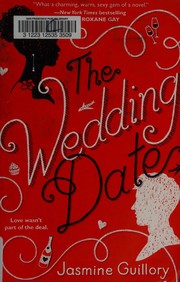
The Wedding Date
2,121-word summary 9 min read 352 pages in the book
- First published
- 2018
- Publisher
- Berkley Books
- Pages
- 352
- ISBN
- 9780593098394
- Series
- The Wedding Date (#1)
Reading options
What's inside (4 sections)
I had heard Guillory's Wedding Date series recommended as comfort romance with competent adults who talk, so I started at book one with modest hopes and got exactly that comfort plus more wit than expected. The Wedding Date, first in The Wedding Date series, first published in 2018, Berkley paperback edition running 352 pages, ISBN 9780593098394, follows Alexa Monroe, a Berkeley city official, and Drew Nichols, a pediatric surgeon, who get stuck in an elevator together and agree to be each other's dates for weddings. It is contemporary romance with texting, friends with opinions, families with expectations, and unusually direct talk about race and class for the genre. I finished it in two evenings feeling looked after, which is what comfort romance should do without being empty.
Alexa is Black, in her late twenties, chief of staff to the mayor? Actually a city official working long hours, close with friends, tired of being set up with men who cannot handle her success. Drew is white, a doctor from a wealthy family, charming in the way of men used to being liked, recently out of a relationship that ended because he would not commit. They meet when an elevator sticks. No phones, no rescue imminent. They talk. He is funny about fear. She is practical about air. When doors open, he asks for her number with a line about needing a wedding date. She gives it because the elevator felt like a green room, honest in ways dates rarely are. That meet stuck is contrived and works because both admit it is contrived while enjoying anyway. Self awareness as flirtation. We know this is a setup. Let us see if we like the play.
Fake dates that stop being fake
The premise runs on weddings. Drew needs a date for his ex's wedding? Actually for a friend's wedding where his ex will attend with new partner. Alexa needs a date for her sister's wedding where family will ask why she is single at her age with that job. They agree to trade weekends. Berkeley to Los Angeles? Actually to each other's events. Ground rules. No sleeping together? Actually they break that fast. No catching feelings. Behave. Those rules last about a chapter, which Guillory knows you expect. The fun is watching competent adults negotiate rule breaking like project managers. Should we revise timeline. Are we exclusive for wedding season. What do we tell friends. Those check ins, over tacos and in texts shown verbatim, give the book its modern texture. Romance as shared calendar management with kissing. Anyone who dates with a busy job will recognize the eroticism of someone who texts back fast and shows up on time. Drew shows up. Alexa notices. That reliability matters more than elevator sparks.
Friends carry subplots that set up later books without clogging. Alexa's best friend? Actually... her sister Olivia gets engaged and plans a wedding that becomes book two? No, book two is The Proposal (Nik and Carlos). Here friends appear as bridesmaids, groomsmen, plus ones with opinions. They tease, warn, cover. Drew's friend group of doctors gives locker room talk that Guillory writes with affectionate eye roll. Men who mean well and say dumb things about commitment. Alexa's friends give sharper advice about not shrinking for a man who grew up with money. Those friend scenes keep couple from floating in elevator fantasy. Real people watch and comment. A brunch where Alexa's friends interrogate Drew about intentions while he passes by ordering correctly for the table shows vetting as love. He brings the right coffee without being asked because he listened last time. Small listenings accumulate into trust faster than grand wedding dances. Though dances come too and work. Slow song with ex watching. Hand placement negotiated mid step. Those physical negotiations mirror verbal ones. Where to put hands. When to leave together. All asked, never assumed. That consent continuity, from elevator air to dance floor to bedroom, is why the book feels safe to sink into without boredom. Safety as turn on when paired with wit.
Race and money get direct pages that elevate above fluff. Alexa, as a Black woman dating a wealthy white doctor, fields questions from his family about her background that sound curious and land as vetting. Drew's mother asks about her parents' jobs with smile that does not reach eyes. His ex performs friendliness that excludes. Alexa notices and names to Drew, who listens imperfectly at first, defensive about family, then better. Those conversations about microaggressions at weddings, where alcohol loosens filters, feel lived rather than inserted for topic points. Similarly, Drew's wealth versus Alexa's salaried success creates friction about who pays for weekends. He wants to fly her places. She wants to split or stay home. They fight about a hotel upgrade that stands in for bigger questions. Can he be generous without performing rescuer. Can she accept without feeling bought. No clean answer, but asking improves both. A late scene where Drew meets Alexa's family and code switches nervously, trying too hard with her dad about sports, humanizes him after rich boy ease. Effort as love when smooth fails.
For pacing, the wedding season structure helps. Each event has stakes. His friend's wedding where ex watches. Her sister's where family judges. Work party where colleagues gossip. Two weddings in a row follow similar beats, arrive, perform couple, dodge ex or aunt, dance, debrief in car. I skimmed one arrival because pattern, stare, dance, drive talk, was clear. Then a chapter where Alexa gets food poisoning at a wedding and Drew holds her hair and handles family without making her feel embarrassed snaps it back. Care during grossness beats care during dancing. Bodies fail at events designed for perfection. How partners handle vomit predicts more than vows. Guillory knows and stages unglamorous tests between glamorous ones. Those tests keep comfort romance honest. Love is holding hair, not just slow dancing.
When real life intrudes
The third act conflict comes not from misunderstanding but from timing and fear that feel adult. Drew must decide about a fellowship across country. Alexa must decide about a promotion requiring travel. Both hide applications to avoid pressuring the other, then feel betrayed when discovered. Those parallel secrecies hurt proportionally because honesty was their brand. Fights about careers land harder than ex drama because no villain exists. Two good jobs in different cities. Who compromises. How much. For how long. Guillory lets them separate for weeks rather than chapters, which respects stakes. They date others halfheartedly. They text drafts unsent. Friends refuse to pick sides, which helps. When they reunite, it is with logistics, not just apologies. Who moves when. What trial period looks like. Those practical negotiations thrill more than elevator did because they show love as planning, not just spark. Anyone who dated across cities will nod at spreadsheet feelings. Love plus calendar plus lease. Make it work on paper first, then heart follows.
The exes function as foils rather than threats. Drew's ex is kind and clear about wanting him back? Actually moved on? She appears gracious, which denies easy hate and forces Drew to choose actively rather than flee bad past. Alexa's non exes, men who ghosted after learning her job title, appear as anecdotes that explain guardedness. Those histories keep present from feeling insta. Both were hurt before elevator, which is why elevator honesty felt safe. Strangers on stuck transport owe nothing, so truth costs less. That paradox, honesty easiest with those we will never see, flipping when we must see daily, structures the book smartly. Can elevator talk survive grocery runs. Guillory answers yes, but only with continued elevator rules. Ask direct. Answer plain. Assume goodwill while verifying gently. Those habits, practiced in stuck small space, transfer to open life if both keep practicing. They do, imperfectly, which is enough.
For craft, Guillory's sentences are smooth and funny with Bay Area specificity. BART delays, Berkeley politics, hospital cafeteria coffee. If you like place as flavor, you will taste. Dialogue carries pages with banter about weddings as performance art. If you want lyricism, look elsewhere. This is voicey commercial with heart. Intimacy scenes are explicit enough to satisfy without lingering for shock. Bodies described with attraction that includes stretch marks and tired feet after dancing. Those inclusions keep heat human rather than fantasy. Consent asked in words that sound like people, not forms. Still want this. Yes here. Slower. Those checks woven into action model without pausing. Readers who skip steamy will still follow story. Those who want it get enough to feel fed.
For criticism, the book runs cozy to a fault. No one stays unlikeable. Even Drew's mother softens fast after microaggressions that deserved longer reckoning. One apology scene smooths what should ache. Similarly, work conflicts resolve with promotions for both that align suspiciously well geographically. Real dual career couples rarely get such neat offers. A little more mess would help. Also, Drew's doctor schedule strains belief. Surgeons working 80 hour weeks do not text back instantly and attend every wedding. Guillory grants him suspicious availability to keep romance moving. Accept or be annoyed. I accepted because charm outweighed logistics. Still, at 352 pages it reads fast for comfort. Short chapters ending on texts. No cliffhangers that punish. The final wedding, theirs implied rather than shown? Actually ends with commitment to try across distance with plan, which suits adult romance better than surprise proposal. Promise to practice elevator honesty in open air. Keep asking. Keep showing up on time. That vow, unglamorous and kept, is the book's idea of happy ending. Not wedding date secured, but partner secured for ordinary Tuesdays after weddings end.
For who this is for. If you like Talia Hibbert or Helen Hoang for competent kind heroes, try Guillory from start. If you are new to romance, this is gentle entry with heat and care. If you want edge, look elsewhere. No one dies. No one betrays badly. Conflict is scheduling and fear, which is real life for most readers and exactly why comfort works. I closed it thinking about elevators I have been stuck in, none romantic, all annoying, and feeling kinder toward forced proximity as gift. Sometimes stuck is the only way busy people talk long enough to like. Keep talking after doors open. That instruction, simple and doable, is the book's gift beyond weddings.
Drew's surgical career as backdrop that rarely intrudes deserves a note because Guillory keeps medicine present without making it plot. He takes calls about patients between dances, scrubs in mentally while waiting for toasts, explains procedures to Alexa's friends who ask with genuine curiosity rather than hero worship. Those work details prevent rich doctor from floating as fantasy. He works nights, misses sleep, carries pager dread familiar to anyone partnered with medicine. Alexa, whose city job also demands nights, understands on call life without needing translation. Their shared understanding that work interrupts love, and that love must accommodate interruption without resentment, gives the dual career conflict credibility beyond logistics. Who covers when both get called. They take turns without scorekeeping, which models partnership many romances skip in favor of one career yielding. Here neither yields fully. Both bend schedules, hire help, accept tired weeks. Those dull accommodations thrill more than elevator did because they show love persisting past spark into calendars. Anyone balancing two demanding jobs while dating will nod at spreadsheet feelings made romantic through care. Love plus call schedule plus lease. Make it work on paper first, then heart follows without resentment.
Alexa's sister's wedding as mirror rather than backdrop also rewards attention. Olivia plans with enthusiasm that masks anxiety about marriage itself. She asks Alexa for honesty about Drew that bridesmaids rarely get. Is he kind when tired. Does he listen when you repeat. Those questions turn wedding events into research for both sisters. Alexa answers by observing Drew with service staff, with kids, with exes. How he tips, thanks, makes room. Those observations matter more than vows she will later witness. Olivia watches too, learning what to demand from her own fiance by seeing Alexa demand. Sisters teaching through example without lectures. That mutual education, quieter than banter, gives family texture beyond wedding set. When Olivia finally asks Alexa to stop performing perfect maid of honor and just be sister who is scared too, the conversation lands because both drop roles. Scared together beats perfect apart. Weddings stage perfection. Sisters need truth underneath. Guillory lets them have both in turns. Perform for photos, confess in getting ready room. That doubleness feels true to anyone who stood in weddings while privately questioning love. Smile for camera. Whisper fears to sister. Both at once.
FAQ
Who are Alexa and Drew?
Alexa Monroe, Berkeley city official, and Drew Nichols, pediatric surgeon. They meet stuck, trade wedding weekends, negotiate calendars and leases.
When was The Wedding Date published?
Berkley published it in 2018. The paperback runs 352 pages with ISBN 9780593098394.
Is it part of a series?
Yes. It is book 1 in The Wedding Date series, followed by The Proposal. Stands alone fine with friends orienting.
Similar books
More from The Wedding Date first, then related titles.
The Proposal
Nik says no to a stadium proposal and rebounds with Carlos in flirty LA romance.
2,044-word summary · 9 min read
Good Material
A struggling comic replays his breakup with Jen while sofa surfing, bombing gigs and missing the other half of the story.
2,500-word summary · 11 min read

The Flatshare
Two strangers share one bed on opposite shifts and fall in love through notes left around the flat.
2,793-word summary · 12 min read

Dumplin'
Willowdean Dickson enters her town's beauty pageant as a protest and discovers that confidence is harder to keep once she lets someone close.
1,922-word summary · 9 min read
Shopaholic and Sister
Becky Brandon returns from a ten-month honeymoon to meet the half-sister she always wanted, then discovers that Jess is thrifty, prickly, and nothing like the…
2,591-word summary · 12 min read
Bet Me
A sharp actuary agrees to dinner with a charming serial bettor, then spends the next month pretending the wager does not matter.
2,710-word summary · 12 min read
One to Watch
A plus-size fashion blogger takes the lead role on a reality dating show to prove she belongs on television, and finds she might want what the cameras offer.
2,478-word summary · 11 min read

The First to Die at the End
On the night Death-Cast launches, a boy with a bad heart meets a model with everything ahead of him, and one of them gets the call.
2,908-word summary · 13 min read

Big Swiss
A transcriptionist for a sex coach falls for one of his clients, the tall Swiss gynecologist she calls Big Swiss, in a funny novel about work and secrets.
2,523-word summary · 11 min read

The Second Summer of the Sisterhood
Four friends share the traveling pants through a summer of grandmothers, first loves, and mothers who are learning to let go.
2,209-word summary · 10 min read

Aristotle and Dante Dive into the Waters of the World
Ari and Dante return for senior year in El Paso, navigating first love, AIDS, family grief, and the cost of being openly gay in 1987 Texas.
2,188-word summary · 10 min read
The Road Trip
Two exes squeeze into one small car for the drive to a Scottish wedding, with four years of history and one photograph between them.
2,418-word summary · 11 min read
The No-Show
Three women are stood up on Valentine's Day by the same man, but the timeline is not what it seems. O'Leary's warmest book with a knife in it.
2,127-word summary · 9 min read

Ten Big Ones
Stephanie witnesses a gang robbery dressed as a devil, and the Comstock Street Slayers put her on a list of people to kill.
2,062-word summary · 9 min read

Someone Like You
Halley and her best friend Scarlett face a summer of grief, a surprise pregnancy, and Halley's dangerous first romance in Sarah Dessen's 1998 young adult novel.
2,218-word summary · 10 min read
Wayward Son
Simon and Baz road trip America after the war to decide what normal means.
2,505-word summary · 11 min read
Loveless
Georgia starts university sure she wants love, then learns she is aro-ace.
2,539-word summary · 11 min read
Every Last Word
A girl with OCD finds poetry and friends who know her secrets.
2,434-word summary · 11 min read

Bridget Jones: The Edge of Reason
Bridget doubts Mark, takes a job with Daniel, and lands in trouble in Thailand.
2,198-word summary · 10 min read

Since You've Been Gone
Shy Emily spends summer finishing her vanished best friend Sloane list of thirteen dares, finding Frank, Dawn, and courage.
2,566-word summary · 11 min read
Shopaholic Ties the Knot
Becky Bloomwood plans two weddings at once while debts pile up and Luke's mother interferes.
2,218-word summary · 10 min read

Playing for Keeps
Childhood neighbors Haley and Jason turn a long prank war into a fake relationship that turns real.
2,571-word summary · 11 min read
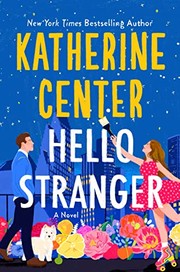
Hello Stranger
Portrait artist Sadie loses face recognition after brain surgery and must finish a contest piece while falling for two men.
2,210-word summary · 10 min read
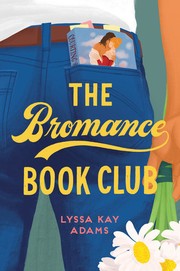
The Bromance Book Club
A Nashville pitcher joins a secret romance book club to save his marriage after his wife Thea asks for divorce. He trades pride for listening, chores, and…
2,932-word summary · 13 min read

Tangled
Told by a cocky businessman, a bet to win the new associate who rejects him turns into real pursuit, strict rules, a painful reveal and a wedding-level happy…
2,868-word summary · 13 min read
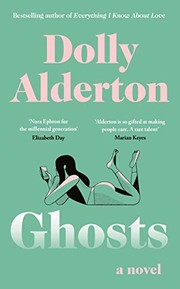
Ghosts
At 32, food writer Nina Dean faces ghosting by Max and her father's dementia in London.
2,677-word summary · 12 min read

Where Rainbows End
Told in letters and emails, Rosie Dunne and Alex Stewart grow from Dublin childhood to midlife, missing chances at love while raising Katie.
1,943-word summary · 9 min read

The Roommate
Uptight Clara shares a flat with porn star Josh and teams up to build ethical adult films for women.
2,362-word summary · 10 min read
Shopaholic Takes Manhattan
Becky and Luke move to New York where shopping fame tempts her to ruin both.
2,025-word summary · 9 min read
Shopaholic and Baby
Pregnant Becky shops for the perfect nursery while Luke's ex becomes her obstetrician.
2,247-word summary · 10 min read