

The Witch of Blackbird Pond
1,988-word summary 9 min read 224 pages in the book
- First published
- 1958
- Publisher
- Laurel Leaf
- Pages
- 224
- ISBN
- 9780440995777
Reading options
What's inside (4 sections)
I had to read this in school and remembered only a girl swimming, so I came back as an adult curious if it holds beyond Newbery glow. The Witch of Blackbird Pond, first published in 1958, winner of the Newbery Medal in 1959, Laurel Leaf edition running 224 pages, ISBN 9780440995777, follows Kit Tyler, sixteen, who leaves Barbados for Connecticut in 1687 after her grandfather dies and must live with her aunt's Puritan family. It is historical, romantic in a chaste way, clear about intolerance, and better on work than I remembered. Clamming, weaving, husking bees carry as much plot as witch accusations.
Kit grows up with a slave? Actually with servants and luxury in Barbados, educated, fond of bright clothes, used to warmth and swimming. When she arrives in Wethersfield, she wears a green dress that looks scandalous, brings a doll? Actually brings books, expects welcome. Instead she finds her aunt Rachel kind but worn, uncle Matthew stern and hardworking, cousins Judith, pretty and conventional, and Mercy, lame from illness and sweet without saintliness. Kit must learn to work or be useless. She fails at cooking, burns, cries, tries again. Speare does not make her instantly competent. Those early domestic failures, described with specific messes, make Kit sympathetic rather than spoiled. She wants to help but does not know how. Anyone who moved cultures will recognize the shame of being sixteen and unable to do laundry right.
Work, meetinghouse, and Hannah
The town is Puritan Connecticut with meetinghouse rules, stocks for blasphemy, suspicion of outsiders, and real fear after King Philip's War. Kit chafes immediately. She swims alone, which looks like witchcraft to some. She befriends Hannah Tupper, an old Quaker woman living alone in Blackbird Pond meadows after her husband died and town drove her out for heresy. Hannah is kind, herbalist, poor, wise about herbs and about gossip. Kit visits to escape chores and finds peace. Those meadow chapters, with fireflies, roots, and Hannah's cat, are the book's heart. Two outsiders, young and old, sharing food without preaching. Hannah never proselytizes Quakerism heavily. She lives it through hospitality. When Kit is hungry, Hannah feeds. When Kit is sad, Hannah listens. That simplicity shames the meetinghouse talk about charity.
School? Actually Kit teaches? She helps Mercy teach dame school? She reads to children, tells stories about Barbados that get her in trouble for fanciness. She meets Nat Eaton, son of the ship captain who brought her, rough and teasing, who challenges her at every turn. Their banter, about swimming, about books, about whether Kit will ever be practical, builds slow romance without declarations. Nat works on his father's ship, respects work, distrusts Puritan hypocrisy without rejecting faith. A scene where he watches Kit fail at carding wool and shows her without mocking tells you he likes her competence growing, not her dresses. Their fights about loyalty, when Nat hides Hannah, test whether attraction survives disagreement. It does, barely, through apologies that cost pride.
William Ashby, the approved suitor Judith wants and then Kit is pushed toward, is decent and dull in ways Speare makes clear without cruelty. He is rich, handsome, pious in常规 ways, kind to Mercy. He offers Kit security if she conforms. She considers because she is tired of being poor and scolded. Those consideration chapters are important. Kit is not a rebel on principle. She wants comfort too. When she refuses William, it is not because he is bad but because marrying him would require becoming someone she cannot respect in the mirror. Judith, who loves William, gets him in the end after Kit steps aside, which resolves sister rivalry kindly. No catfight. Just two girls wanting different lives and learning to allow it.
For pacing, the first 100 pages of domestic adjustment move slowly. Cooking failures, church services, husking bees where Kit dances too freely. Two meetinghouse sermons in a row blurred for me. I skimmed one because the point, conformity as safety, was clear. Then Hannah's cottage scenes quicken with herbs and stories. A chapter where Kit helps Hannah hide a fugitive? Actually helps with food during illness snaps it back. Care as plot rather than backdrop. Speare knows when to drop a small kindness after big rules. Those kindnesses keep pages turning more than romance.
Witch fever and what it costs
The witch accusation builds from gossip, not evidence. Kit swims, knows Hannah, owns a doll? Actually owns a hornbook? She can read and write fancily. Goodwife Cruff, whose child Kit tried to help with schooling, accuses after her child dies of fever. The town, scared after war and sickness, needs someone to blame. Girls who played with Kit claim fits. Men who dislike Matthew's politics agree. The trial chapters are restrained and terrifying because procedure looks fair while stacked. No spectral evidence as in Salem yet, but talk of familiars, swimming as proof, books as charms. Kit must stand and answer in language that condemns her either way. Deny swimming and lie. Admit and confirm witchcraft to some.
Nat's role in the trial, plus Prudence Cruff, the accuser's daughter Kit taught to read, gives the climax heart. Prudence, who loves stories, must choose between mother and teacher in public. Her choice to show she can write her name, proving Kit taught good not evil, is the book's bravest moment because a child risks parent anger to tell truth. I cried at that small handwriting scene more than any rescue. Literacy as testimony. A girl writing her name to save a friend. Speare, who cares about books deeply, puts her thesis there without speech. Reading saves, literally.
Hannah's fate parallels Kit's danger. Driven out, burned? Actually her cottage attacked. She flees with Nat's help. The town that preaches charity watches an old woman lose home. Those chapters indict without strawmanning Puritans. Matthew, stern but fair, defends Kit at cost to standing. Mercy, lame and overlooked, speaks clearly at trial despite fear. Even Judith grows. Speare loves this community even while showing its cruelty. That love prevents sermon. People do wrong from fear, not evil, and can do right when a child shows courage.
For craft, Speare's sentences are clear and visual for young readers without talking down. Work described step by step. How to card wool. How to shuck corn without waste. How to thatch. Those instructions ground history in hands. If you like immersive chores, you will love it. If you want fast plot, the middle workdays may test you. I found them soothing as adult, like watching someone learn a craft on video. Kids may skim to trial. Teachers should let them. The trial lands harder after slow labor because you know what Kit would lose. Not just life, but a place at a table she finally earned.
For criticism, Barbados slavery gets light treatment. Kit grew up with enslaved servants and misses them with fondness that never examines bondage deeply. A Black slave? Actually a servant? The book mentions slavery as background without reckoning. Modern readers will notice and should discuss. Also, Native presence after war is mostly fear rather than people. Those absences reflect 1958 children's publishing more than malice, but they limit. And Nat as love interest, while charming, teases through dominance that reads as bullying in early scenes. He improves, but first impressions grate.
Still, at 224 pages it is exactly right for its aims. Short chapters, clear arcs, Newbery shine without stuffiness. I read it in two evenings and thought about my school copy with its swim cover. That image stayed for decades for a reason. A girl swimming alone, joyful and watched, condenses freedom and surveillance girls still navigate. Speare wrote it in the 1950s about the 1680s and it reads like now about girls who read too much and swim too far. That timelessness is why it endures beyond award.
For who this is for. If you teach middle grade, pair with primary sources about Connecticut witch scares before Salem. If you loved it as a kid, reread for work details you missed. If you want diverse perspectives, supplement. This is white Puritan Connecticut with brief Barbados memory. It does not pretend otherwise, but it does not fill gaps either. I closed it thinking about Hannah's meadow, which I pictured clearly despite never seeing, and about Prudence writing her name in court. Small hands, big courage. That is the book in one scene.
Matthew Wood as stern kindness deserves a last look because he could have been caricature Puritan patriarch and instead becomes a man learning. He works dawn to dark, expects family to match, distrusts Kit's finery as waste and her swimming as vanity. When Kit fails at chores, he corrects without cruelty but without softness either. His politics, loyal to the colony charter against royal governor, put family at risk he accepts as duty. That duty first mindset explains his harshness at home. He applies same standard to self. When he defends Kit at trial despite believing she was foolish to befriend Hannah, he does so because evidence does not support charge, not because he approves her choices. Principle over affection. That distinction matters for understanding Puritan justice at its best. Rules bind even when fear urges bending. Matthew's speech to the court, plain and short about proof, saves Kit where eloquence would have condemned as witchery. Workmanlike truth beats rhetoric. Speare, who respects work throughout, makes that the moral without stating. Do the job right, whether carding wool or judging neighbor, and community holds. Fail through fear or favor and it breaks.
Mercy as quiet center also needs naming beyond sweet lame girl trope. She teaches dame school with patience Kit lacks, mends without complaint, loves William without demanding, sees Kit clearly and loves her anyway. Her lameness, from illness, limits marriage prospects in ways the book states plainly without pity. She knows William chooses her second. She accepts while keeping dignity that shames self pity. When she speaks for Kit at trial despite risk to her own reputation, it costs more because she has less margin. Healthy Judith can afford scandal. Mercy cannot, yet she stands. That courage, small statured and steady, balances Nat's physical bravery. Speare gives Mercy the book's kindest line about Kit, that she shines like sun on water, blinding and warming at once. To be seen so generously by someone with every reason for envy is grace the meetinghouse preaches but Mercy practices. I remembered Mercy longer than Kit after closing, which surprised me and felt right. Centers hold while bright things orbit.
Nat's ship as floating alternative to both Barbados and Connecticut deserves a paragraph because it offers Kit a third way she briefly considers. Life at sea with talk, work, ports, no meetinghouse watching hems. Nat describes watches, storms weathered, goods traded, freedom to swim off decks without accusation. Kit, who loves water, listens hungrily. For a girl torn between luxury remembered and drudgery required, the sea sounds like escape from choice itself. No farm to manage. No marriage to weigh. Just motion and skill. Speare lets Kit dream for chapters without endorsing running away. When Kit finally chooses land, home with Matthew's family and Nat nearby rather than ship, it is not rejection of freedom but redefinition. Freedom to stay and be useful where loved, not only to flee where judged. That maturity, choosing harbor over horizon after tasting both, gives the romance weight beyond adventure. Nat will sail and return. Kit will keep house and teach. Both will work. The sea remains for visits, not vanishing. That compromise suits a book about belonging. You do not need to leave to be free if community makes room. Wethersfield, flawed and fearful, makes room by end through Prudence's courage and Matthew's fairness. Kit helps make it make room by staying and working rather than charming from outside. Belonging as labor, not luck.
FAQ
When was The Witch of Blackbird Pond published?
Houghton Mifflin published it in 1958 and it won the 1959 Newbery Medal. The Laurel Leaf edition cited runs 224 pages with ISBN 9780440995777.
Who is Hannah?
Hannah Tupper, old Quaker herbalist alone in Blackbird Pond meadows, driven out for heresy. Kit visits for peace and food.
Who saves Kit at trial?
Prudence Cruff, the accuser's daughter Kit taught to read, writes her name in court proving teaching good not evil.
Similar books

Anya's Ghost
A lonely Russian immigrant falls into a well, befriends the ghost trapped there, and discovers that the ghost's help comes with a dangerous price.
2,001-word summary · 9 min read

Dumplin'
Willowdean Dickson enters her town's beauty pageant as a protest and discovers that confidence is harder to keep once she lets someone close.
1,922-word summary · 9 min read

Wilder Girls
At a quarantined boarding school off Maine, three girls with strange mutations search for a missing friend and learn what the adults have hidden.
2,594-word summary · 12 min read

Heist Society
A teenage art thief gets expelled from boarding school, then has two weeks to steal five paintings back from a London museum and clear her father.
2,781-word summary · 12 min read

We Are Okay
Marin fled San Francisco after her grandfather vanished and stopped answering anyone. When Mabel visits her college dorm, she has to say what happened.
2,253-word summary · 10 min read

The First to Die at the End
On the night Death-Cast launches, a boy with a bad heart meets a model with everything ahead of him, and one of them gets the call.
2,908-word summary · 13 min read

Saving the World and Other Extreme Sports
Max and the flock split in two to take down the lab behind their lives, one half in California and the other in Europe.
2,175-word summary · 10 min read

The Second Summer of the Sisterhood
Four friends share the traveling pants through a summer of grandmothers, first loves, and mothers who are learning to let go.
2,209-word summary · 10 min read

Aristotle and Dante Dive into the Waters of the World
Ari and Dante return for senior year in El Paso, navigating first love, AIDS, family grief, and the cost of being openly gay in 1987 Texas.
2,188-word summary · 10 min read

The Battle for Skandia
Will and Evanlyn are still hiding in the Skandian mountains when Halt and Horace arrive with word of a Temujai invasion that could roll on to Araluen next.
2,248-word summary · 10 min read

Someone Like You
Halley and her best friend Scarlett face a summer of grief, a surprise pregnancy, and Halley's dangerous first romance in Sarah Dessen's 1998 young adult novel.
2,218-word summary · 10 min read

Wayward Son
Simon and Baz road trip America after the war to decide what normal means.
2,505-word summary · 11 min read

Loveless
Georgia starts university sure she wants love, then learns she is aro-ace.
2,539-word summary · 11 min read

Every Last Word
A girl with OCD finds poetry and friends who know her secrets.
2,434-word summary · 11 min read

Since You've Been Gone
Shy Emily spends summer finishing her vanished best friend Sloane list of thirteen dares, finding Frank, Dawn, and courage.
2,566-word summary · 11 min read

School's Out - Forever
The bird kids try normal school under FBI guard until hunters crash class and chase them to Itex in Florida.
2,584-word summary · 11 min read
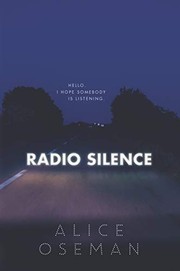
Radio Silence
Head girl Frances loves a secret podcast made by shy Aled, and both crack under A-levels in Oseman's warm 2016 story of friendship, fandom, family and choosing…
2,778-word summary · 12 min read

The Island of Sea Women
On Jeju island, haenyeo divers Young-sook and Mi-ja share decades of friendship strained by war and massacre.
2,204-word summary · 10 min read

The Burning Bridge
Will and Horace burn Morgarath's secret bridge, meet Evanlyn, and face capture and a duel that decides a war.
2,412-word summary · 11 min read

Solitaire
Gloomy Tori Spring hunts school prank group Solitaire with odd Michael Holden while brother Charlie heals.
2,068-word summary · 9 min read

You've Reached Sam
After Sam dies, Julie calls his phone to hear his voicemail and he answers, forcing her to face grief and learn how to say goodbye.
2,887-word summary · 13 min read

The Raven King
Gansey's fated death nears as Glendower wakes and the ley wakes hungry.
2,477-word summary · 11 min read

Skyward
Spensa dreams of flying for Detritus though her father was branded a coward, until a crashed ship, a talking AI, and flight school force out the truth.
2,865-word summary · 13 min read

Me and Earl and the Dying Girl
A self-protective Pittsburgh senior is pushed to befriend a classmate with leukemia, and a clumsy film with Earl changes all three.
2,773-word summary · 12 min read

Lock and Key
Abandoned Ruby moves in with her sister and learns to trust Nate and Cora.
2,407-word summary · 11 min read

What If It's Us
Two teens meet by chance at a New York post office and try to turn missed connection into first love.
2,033-word summary · 9 min read
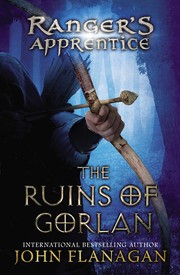
The Ruins of Gorlan
Small orphan Will becomes Ranger Halt's apprentice and helps hunt the Kalkara at Gorlan.
2,109-word summary · 9 min read

Let It Snow
Three Christmas stories collide at a Waffle House in a blizzard.
2,094-word summary · 9 min read

I Am the Messenger
Nineteen year old Ed stops a robbery, then gets playing cards sending him to help strangers.
2,124-word summary · 9 min read

City of Thieves
Two boys cross siege Leningrad to find eggs for a colonel's cake.
1,985-word summary · 9 min read