
City of Thieves
1,985-word summary 9 min read 258 pages in the book
- First published
- 2008
- Publisher
- Plume
- Pages
- 258
- ISBN
- 9780452295292
Reading options
What's inside (4 sections)
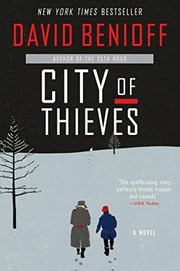
I knew Benioff from Game of Thrones and expected competent plot with sharp dialogue, but City of Thieves, first published in 2008, Plume paperback edition running 258 pages in the copy I cite, ISBN 9780452295292, surprised me with tenderness inside brutality. It follows Lev Beniov, seventeen, arrested for looting in besieged Leningrad in 1942, and Kolya, a handsome deserter, given a mission by a colonel. Find a dozen eggs for his daughter's wedding cake behind German lines or be shot. They walk through snow, ruins, and moral gray zones to find eggs that should not exist in starvation. It is adventure, buddy comedy, and elegy for a city eating itself to live.
Lev narrates as old man looking back, which frames youth with memory's softness and guilt. Young Lev is bookish, cowardly by his own account, in love with books more than girls, living with mother and sister? Actually father dead, mother and sister evacuated? He stays, works as fire watcher, steals a dead German's knife and gets caught. Kolya is twenty something, tall, charming, talks constantly about literature and women, claims Cossack bravery while deserting. Their pairing in prison, ordered to find eggs or die, is absurd and perfect. A colonel's love for his daughter outweighs military logic. That absurdity lets Benioff talk about war without battles as center. The quest is domestic. Cake, not hill.
Walking through siege winter
The siege details are relentless without lingering for shock. Rations cut to bread with sawdust, then to glue, then to nothing. Corpses on sleds to cemeteries. Cannibalism rumored and real at edges. Lev and Kolya walk past all with papers that may or may not protect. Benioff researched well. Lake Ladoga ice road, German lines, partisan villages, NKVD checks. He shows hunger as math. How many calories to walk a mile in snow. When to eat a pigeon raw versus save for later. A scene where they find a frozen goat and argue about carrying meat versus speed captures survival logic better than any battle. Weight kills as surely as bullets when starved.
Kolya talks to keep them alive. About Tolstoy, about American westerns, about his girlfriend Sonya, about whether Lev has ever been with a girl. Lev listens and lies about experience, then admits truth. Their banter about books, Kolya loves adventure, Lev loves poetry, fills miles that would otherwise be only fear. Those talks do character work without pausing plot. Kolya performs confidence to keep Lev moving. Lev performs cynicism to hide terror. Both know the other performs and play along because friendship needs roles before it can bear truth. A night in an abandoned apartment where they read a found novel aloud to stay awake shows tenderness without sentiment. Two boys sharing words while city starves outside.
The farmhouse with four girls? Actually the scene with Russian girls and German officers is the most controversial and the best written. Lev and Kolya find a house with young women, including Vika, a sniper? Actually a sharp shooter, who have killed Germans and will kill again. They share food, flirt, argue about who fights. Vika sees through Lev's bravado kindly. She likes him without pitying. Their night together, Lev's first time, is awkward, sweet, and interrupted by war in ways that prevent romance glow. Benioff writes sex here with unusual care for male adventure. Consent asked, fear admitted, laughter after. It matters that Lev remembers Vika's competence more than her body later. She shoots better than both boys. That respect outlasts crush.
For pacing, the walk middle can feel episodic. Village, checkpoint, farmhouse, forest. Two checkpoints in a row with papers checked blurred for me. I skimmed one because the pattern, bluff, bribe or run, was clear. Then a chapter where they find a boy with a chicken who will not trade for any price snaps it back. Hunger makes values strange. The boy loves the chicken as pet while starving. Lev wants to steal and cannot. Kolya, who steals easily from armies, will not take from a child. Those lines show who they are better than speeches about morality in siege. Limits define more than rules.
Eggs, cake, and what they cost
The egg quest sounds comic and becomes serious because cake means normalcy. The colonel wants his daughter to marry with sweetness in a city eating wallpaper paste. Lev and Kolya understand the absurdity and still risk lives because refusing means execution and because saying yes gives a reason to walk beyond starvation. They find eggs through a combination of luck, violence, and kindness that I will not detail to preserve reveals. Each egg breaks or survives with stakes higher than any battle I have read recently. Carrying a dozen eggs across war is harder than carrying ammunition. You cannot drop, freeze, or run hard. Fragility as mission design is brilliant. It forces care in a story about destruction.
The colonel's daughter's wedding, when they return with fewer eggs than ordered but enough, is bittersweet rather than triumphant. People eat cake while thinking of dead. Lev watches Kolya charm officers and feels both admiration and envy. He has survived but not grown heroic in his own eyes. That self assessment, old Lev narrating young shame, gives the book its elegiac tone. He did brave things and remembers mostly fear. That honesty about memory, boasting to grandchildren while admitting cowardice to readers, is why the frame works. Old men edit. This one edits toward truth by admitting edits.
Kolya's fate drives the last third and I will keep it vague. He does something brave and stupid to save Lev that costs more than Lev can repay. Their goodbye, with jokes intact while bleeding, wrecked me more than any siege horror. Friendship forged in hunger ends in snow with lies to comfort. Lev tells Kolya a story about Sonya waiting to ease dying. It may not be true. Kind lies count as care when truth would only add pain. Old Lev still tells that story to himself decades later, which tells you guilt outlives war. Survivor stories often end with freedom. This one ends with debt.
For craft, Benioff's sentences are clean and visual from screenwriting without feeling like script. Short paragraphs for action. Longer for memory. Dialogue snaps, especially Kolya's monologues about literature as survival tool. If you like literary banter inside adventure, this delivers. If you want military history depth, battles stay background. Focus stays on two boys walking. That narrow lens makes siege feel personal rather than epic. You learn Leningrad through feet, not maps. Blisters, frostbite, the sound of snow under different boots. Those details stay longer than division movements.
For criticism, the book leans on male gaze at times. Vika and other women are competent but seen through Lev's crush first. A bath scene lingers longer than needed. Also, the frame narrator, old Lev as successful writer in America, raises questions about immigrant success narrative that Benioff sidesteps. How did Lev get out. What did he trade. Those gaps feel convenient. And cannibalism, while present, is kept at edges to keep adventure tone. Real siege horror was worse. That restraint serves story but softens history. Readers new to Leningrad should follow with nonfiction like 900 Days to understand scale.
Still, at 258 pages in this Plume edition it reads fast for weight. Short chapters, cliffhangers about eggs rather than lives until late, then lives. I read it in two sittings on a winter weekend, which helped. Cold outside made hunger descriptions sharper. I ate more than usual after, guiltily, which is a common response Benioff probably expects. Food as luck, not virtue. That awareness is the book's gift beyond adventure.
For who this is for. If you like buddy war stories with jokes inside dread, like Jojo Rabbit tone without comedy as shield, try it. If you want romance, Vika and Lev offer one night that matters without promising future. If siege starvation triggers you, know descriptions are blunt but not lingering on gore. Bodies are sleds, not spectacles. I closed it thinking about cake in starvation, absurd and necessary. People marry during siege to insist future exists. Finding eggs for that insistence is worth risking boys who might die. That math never balances, which is why old Lev still counts.
The colonel as father using power for domestic ends deserves scrutiny because he could have been tyrant and instead is mostly loving within monstrous system. He arrests boys for looting, threatens execution, then sends them for eggs because his daughter wants cake. That abuse of military resources for family would be corruption in other novels. Here it reads as sanity. In a city where the state cannot feed people, a father uses state violence to feed a wedding. He knows it is wrong by regulations and right by daughter. When Lev and Kolya return short, he accepts and thanks rather than shooting, which surprises given threats. Was threat bluff to motivate. Partly. Partly he changed watching them risk. Power tempered by witness is rare in war books where officers stay cruel. Benioff lets the colonel be both frightening and fond without resolving. He will order deaths tomorrow and mean it. Today he cuts cake carefully to save a slice for missing boys. Those contradictions make him human rather than device. Systems run on men who love daughters and sign death warrants before lunch.
Vika's sniper skill as mirror to Lev's bookishness also completes a triangle with Kolya's charm. She respects competence over talk, which is why she likes Lev after watching him carry eggs gently through sniper alleys. He does not boast. He protects fragility with steady hands learned from books about careful work. Kolya boasts and backs it with action, which impresses differently. Vika chooses moments with each without promising future, understanding war forecloses plans. Her goodbye to Lev, with an address she may not live to keep, is honest about odds. If we live, find me. Not I love you forever. That conditional tenderness feels more romantic than vows because it admits death. Lev keeps the address for decades, which tells you he never stopped measuring other loves against that conditional night. Old men keep scraps of paper for reasons young men cannot name yet. The book ends with Lev showing grandson a photo? Actually telling story to grandchildren who ask if true. He says true enough, which is the only honest answer after memory edits for mercy. Truth as kept eggs, some broken, enough carried home to make cake.
Sonya as girlfriend left behind deserves more than plot device status because Kolya talks about her constantly while Lev listens with envy and skepticism. She is beautiful, smart, tired of war talk, waiting in a city that may starve before Kolya returns. Through Kolya's stories she becomes ideal, funny letters, brave farewells at stations, promises to wait that war makes fragile. Lev doubts her fidelity in ways that reveal his inexperience more than her character. When they finally meet Sonya briefly, she is ordinary and kind under strain, not the goddess Kolya described nor the cheat Lev feared. That ordinariness devastates more than betrayal would. Real people wait imperfectly. They get tired, hungry, scared. They stay as best they can. Kolya loves an image that helps him walk. Lev learns to love real Vika who shoots and snores. Both loves are true in different registers. Ideal sustains marches. Real sustains nights. War needs both to keep boys moving toward eggs that may break. When Kolya dies talking about Sonya, Lev understands the stories were not lies but equipment, like good boots. You carry what keeps feet moving. Sonya as story kept Kolya kind when cruelty would have been easier. That kindness saved Lev more than once. Remembering that use without cynicism is old Lev's gift to young Kolya in retelling. He honors the equipment without mistaking it for destination.
FAQ
Who are Lev and Kolya?
Lev Beniov, seventeen bookish fire watcher, and Kolya, tall charming deserter who talks about books and women to keep moving.
When was City of Thieves published?
Viking published it in 2008. The Plume paperback cited runs 258 pages with ISBN 9780452295292.
Similar books
The Island of Sea Women
On Jeju island, haenyeo divers Young-sook and Mi-ja share decades of friendship strained by war and massacre.
2,204-word summary · 10 min read
The Diamond Eye
Soviet sniper Mila tours America while an enemy hunter tracks her.
2,048-word summary · 9 min read

The Women
Nurse Frankie McGrath serves in Vietnam and fights to be seen at home.
1,980-word summary · 9 min read
The Orphan's Tale
A Dutch teenager rescues a Jewish baby from a death train and joins a German circus, where a Jewish aerialist teaches her to fly.
2,943-word summary · 13 min read
The Power of One
A boy in apartheid South Africa decides to become welterweight champion of the world, and the novel follows every mentor, fight, and loss that gets him there.
2,145-word summary · 10 min read

Wilder Girls
At a quarantined boarding school off Maine, three girls with strange mutations search for a missing friend and learn what the adults have hidden.
2,594-word summary · 12 min read
A Long Walk to Water
Two eleven-year-olds in southern Sudan, twenty-three years apart: a Dinka boy fleeing war and a Nuer girl walking hours for water, until their stories meet at…
2,217-word summary · 10 min read
The Troop
A Boy Scout troop on a Canadian island takes in a stranger who cannot stop eating, and the worm inside him turns a camping trip into a war.
2,457-word summary · 11 min read

Lone Survivor: The Eyewitness Account of Operation Redwing and the Lost Heroes of SEAL Team 10
Marcus Luttrell's account of the 2005 SEAL mission in Afghanistan that killed three of his team and left him alone.
2,144-word summary · 10 min read

Doctor Zhivago
A doctor and poet lives through revolution, war, and love in Pasternak's novel of private life under the pressure of Russian history.
2,213-word summary · 10 min read
The Battle for Skandia
Will and Evanlyn are still hiding in the Skandian mountains when Halt and Horace arrive with word of a Temujai invasion that could roll on to Araluen next.
2,248-word summary · 10 min read

One Day in the Life of Ivan Denisovich
One freezing day with prisoner Shch-854 in a Soviet camp: roll call, bricklaying in the cold, bread rations, and small wins that let Shukhov call the day…
2,668-word summary · 12 min read
Code Name Verity
In 1943 France, captured agent Verity writes a confession for von Linden to buy time. Her pilot friend Maddie survives the crash and searches for her by…
2,690-word summary · 12 min read
Nonesuch
A London secretary finds real angels and a fascist plot to erase Churchill in the Blitz.
2,197-word summary · 10 min read

The Witch of Blackbird Pond
A Barbados girl learns work in Puritan Connecticut and stands by a Quaker.
1,988-word summary · 9 min read
The Beekeeper of Aleppo
A beekeeper guides his blind wife from Aleppo through camps toward Britain.
1,992-word summary · 9 min read
Schindler's List
Womanizing profiteer Schindler spends a fortune typing over a thousand Jews onto factory lists.
2,048-word summary · 9 min read
An Echo in the Bone
Jamie and Claire endure Revolution war while Brianna reads their letters at home.
1,945-word summary · 9 min read
The Long Walk
One hundred boys walk until one remains, watched by soldiers and the Major, in Bachman's 1979 contest story.
3,056-word summary · 14 min read
A Long Way Gone: Memoirs of a Boy Soldier
A Sierra Leone boy flees rebels, becomes a child soldier at thirteen, and fights his way back through rehab.
2,434-word summary · 11 min read
The Bear and the Nightingale
Wild girl Vasya sees household spirits in medieval Russia while a priest calls them demons.
1,907-word summary · 8 min read
A Separate Peace
Two roommates at a New England boarding school test friendship as war drafts close in.
2,065-word summary · 9 min read
Cold Mountain
Wounded deserter Inman walks home to Ada as the Civil War ends, while she learns to keep a mountain farm in North Carolina with tough Ruby.
2,314-word summary · 10 min read
Between Shades of Gray
In 1941, fifteen-year-old Lina is deported from Lithuania to Siberia and uses her drawings to survive and send word to her father.
2,263-word summary · 10 min read
Attack on Titan, Vol. 1
Humanity hides behind three walls until the Colossal Titan breaks Wall Maria and Eren Yeager vows to destroy every Titan.
2,357-word summary · 10 min read

Lilac Girls
Three women meet across World War II: a New York volunteer, a Polish courier turned prisoner, and a German camp doctor.
2,731-word summary · 12 min read
War and Peace
Pierre, Natasha, and Andrei search for meaning amid the Napoleonic wars.
2,536-word summary · 11 min read
Fall of Giants
Five families from Wales to Russia live through World War I, the Russian Revolution, and the fight for women's votes.
2,255-word summary · 10 min read
Beneath a Scarlet Sky
Pino Lella guides Jews over Alps then drives for Nazis in Milan.
2,271-word summary · 10 min read
Watership Down
Hazel leads a small band of rabbits from a doomed warren to Watership Down, where survival means facing snares, farms and General Woundwort.
2,550-word summary · 11 min read