

A Separate Peace
2,065-word summary 9 min read 208 pages in the book
- First published
- 1959
- Publisher
- Scribner
- Pages
- 208
- ISBN
- 9780743253970
Reading options
What's inside (12 sections)
I reread A Separate Peace on a cold week and felt fifteen again in the worst and best ways. John Knowles published it in 1959 with Secker and Warburg in London. The Scribner edition I cite runs 208 pages with ISBN 9780743253970. Two roommates at Devon, a New England boarding school in 1942, test friendship as war drafts close in. Gene Forrester, clever and envious. Phineas called Finny, athletic and magnetic. One jounces a branch that cripples the other. The rest is guilt, forgiveness refused and given, and a war that the school pretends is far away until it is not. Quiet, precise, devastating in under 210 pages.
Gene narrates from fifteen years later, returning to Devon to find two places. A tree by the river and a marble staircase. Both look smaller. Memory does that. Then we drop into summer 1942. Devon runs a summer session with lazy rules. No uniforms. Beach trips. Teachers who look away. Finny invents games. Blitzball with no teams. Jumping from a tree into the river as bonding. Gene follows because Finny makes rules feel like freedom. He also resents every minute of it. Finny gets As without studying. Teachers love him. Girls wave. Gene studies hard for praise that feels thin next to Finny ease. That envy curdles on the branch one evening when Gene, rattled by a lie about tutoring, shakes the limb as Finny steps out. Finny falls and shatters his leg. Sports end. War begins inside Gene.
Finny forgiveness
Finny response is the novel strangest and truest choice. He refuses to believe Gene meant it. First he says Gene lost balance. Then he says Gene did it from some impulse he does not blame. He trains Gene to run for him, to play sports as his proxy, to live the athlete life Finny cannot. Gene, who confessed in his head a hundred times, is denied the relief of being accused. Forgiveness without acknowledgment becomes another burden. Knowles understands this dynamic exactly. Some victims protect the friendship by refusing the crime. Some guilty friends wish for punishment that never comes. Both stay locked. Their summer of shared records and secret societies glows because rot sits underneath. Every swim is both joy and debt.
Brinker Hadley forces the reckoning. Brinker is order to Finny chaos, a politician in a blazer who believes rules save souls. He stages a midnight trial in the Assembly Hall, with boys as judges and Gene as witness. Did you cause it. Gene lies, then tells truth in pieces, then watches Finny, on crutches, hear it and leave crying. On the stairs Finny falls again, breaking the same leg worse. That second fall requires surgery that releases marrow to the heart and kills him. Knowles stages it without melodrama. A doctor explains. Boys cry. Gene wears Finny clothes to the funeral without quite knowing why. Brinker guilt is real but tidy. He wanted truth and got death. Schools love trials. Truth rarely fits the docket.
Leper and the war
Leper Lepellier is the book conscience that no one heeds. Quiet, nature loving, first to enlist when skiing troops appeal to his love of outdoors. He returns cracked, dishonorably discharged for mental reasons, hiding in his Vermont house and telling Gene flat truths about war as hallucination. A section of a mess hall turns into a forest. Men cry for mothers while peeling potatoes. Gene visits out of guilt and fear, hoping Leper is faking. Leper is not faking. He is the first casualty Devon cannot frame as heroism. His breakdown shows what the school myths cost. Blitzball bravery means nothing against real shells. Knowles, who served, writes Leper with respect that borders on anger. Do not waste sensitive boys on abstractions.
The war hovers rather than invades. Ration books. Work crews. Alumni death lists read at assembly. Boys train for service while playing at peace. Devon calls itself a separate peace, apart from fighting, but the phrase curdles. There is no separate peace from envy or guilt. Finny tries to sustain one by insisting the war is fake, invented by fat old men to keep youth in line. It is a lovely theory that dies with him. Gene enlists at the end, not from patriotism but because there is nowhere else to stand. His war service goes unnarrated. The real war was the tree.
Knowles prose
Knowles writes like early Hemingway crossed with a yearbook. Short sentences. Concrete nouns. Rivers, stairs, rain, uniforms. Symbols are present but never underlined. The tree. The stairs. The river as baptism that fails. Winter as hardness. Knowles trusts readers to feel without tags. Dialogue is 1940s prep school clipped. Yes. No. Sure. Beneath it, feeling floods. Gene jealousy is never named as such in scene. It arrives as stomach tightness before a test Finny aced without trying. That physicality keeps the book from becoming thesis fiction about envy. You feel Gene sweat before you judge him.
What works and what strains
What works is compression. At 208 pages every scene matters. The tree jump. The beach trip where Finny admits fear. The trial. The stairs. The snowball fight. Knowles wastes no subplots. Secondary boys get a line or two that fixes them. Chet Douglass the valedictorian. Bobby Zane the charmer. Mr. Ludsbury the master who looks away kindly. That economy is why schools assign it. You can teach it in two weeks and argue for years about whether Gene meant to bounce the branch. Knowles said Gene acted from blind impulse rather than plan. The text supports both readings, which is why the argument lasts.
The strain is distance. Gene narration is retrospective and cool, which mutes present joy. Finny vitality arrives filtered through guilt, so readers hear about charm more than feel it. Girls barely exist except as dance partners. Devon homosocial world reflects its time but limits air. Modern readers may find the war backdrop thin. Combat stays off page. Politics stay vague. Knowles focuses on the school as world, which is the point, but some will want more context for why these boys accept drafts without question. The novel assumes you know 1942. Most teens now do not.
Who it is for
Read it if you like school novels with moral weight, or if friendship and envy tangle in your own memory. It pairs well with The Catcher in the Rye for voice and with Dead Poets Society for setting, though it is bleaker than either about forgiveness. Content notes include accidental injury causing disability, death of a teen during surgery, wartime violence discussed off page, mental breakdown, and a mock trial that traumatizes. Suitable for teens and up, often taught at fourteen with guidance.
I finished thinking about stairs. Gene returns to the marble steps and notes they are harder than he remembered. That hardness is the book. Youth feels soft until you fall on it. Finny, who believed in play as peace, dies when play meets stairs. Gene, who learns that envy has weight, lives to tell with care. Knowles does not offer healing. He offers attention. Look at the tree. Tell what happened. Let the river keep the rest. For a short novel written by a young veteran, that attention still holds across sixty years. Climb carefully. Hold the branch steady for your friend.
Text note
The Scribner edition with a foreword by Knowles is standard in US classrooms. British editions vary in prefaces. Either text matches. Year 1959 reflects first publication. Some cite 1960 for US. The story is set in 1942 to 1943. Keep those layers straight. Novel published after the war about boys before service. Memory looking back at innocence that was never innocent.
Brinker and the law
Brinker Hadley deserves more than villain or hero labels because he embodies institutional thinking. Blazer neat, voice trained for meetings, Brinker believes truth comes from procedure. Hold a hearing. Take testimony. Vote. His midnight trial of Gene follows school rules perfectly and destroys Finny, who cannot survive being evidence. Brinker is not cruel. He brings blankets. He apologizes after. But his faith that process heals is the book warning. Schools love trials because they produce verdicts. People need slower reckonings that verdicts interrupt. Gene learns this too late to save Finny and just in time to refuse Brinker enlistment fantasy. I did not join to lead, he tells himself. I joined because standing still meant thinking. That honesty is the only acquittal the novel offers.
Phineas vitality
Finny aliveness needs describing because guilt narration dims it. He invents Blitzball in an afternoon and teaches it by playing rather than explaining. He learns French by joking with the teacher until conjugations stick. He organizes the Winter Carnival with prizes for absurd feats. Drinking contests. Snow sculptures. A parade with torches. That carnival, held while Europe burns, is the book happiest chapter and its saddest. Joy as defiance. Finny knows war waits. He chooses play anyway, not from denial but from belief that play matters more. Gene, watching from inside envy, finally understands at the carnival what he broke on the branch. What broke was more than a leg. It was a way of meeting the world. Finny dies. The way survives in Gene telling, which is why the novel, bleak as it is, feels like tribute rather than accusation.
The stairs
The marble stairs deserve their own paragraph because Knowles returns to them as altar and weapon. Gene first sees them as a challenge to jump. Finny bounds down for joy. After the trial, Finny hurries down in tears and falls, breaking the leg that was healing. Same stairs. Different boys. Different falls. One from play. One from grief. Gene visits them fifteen years later and finds them hard and unyielding, the only unchanged thing at Devon. Schools polish wood and replace masters. Stone stays. That permanence is why memory sticks to stairs. Trauma needs a place to live. Gene gives his to marble steps that will outlast everyone who fell on them. Students who visit prep schools will recognize those stairs. Every old building has one spot where something happened that no plaque names. Walk carefully there. Someone else memory lives in the stone.
Summer versus winter sessions
Devon two sessions structure the moral year. Summer is play, sun, and the tree. Rules relax. Teachers smile. Finny thrives because joy is curriculum. Winter brings back uniforms, ice, and war preparation. Shoveling snow for the war effort. Collecting scrap. Finny, crippled, cannot join winter hardness and fades. Gene excels at winter order because guilt loves routine. That seasonal split is why the novel assigns blame to neither boy fully. Summer made the fall possible through freedom. Winter made confession impossible through hardness. Knowles, who attended Exeter, knew schools run on this cycle. Freedom then discipline. Both needed. Neither sufficient. Readers who love one session usually distrust the other. The book asks you to hold both the way Gene holds the branch memory. Light and weight together.
Knowles own Exeter years inform every page without becoming memoir. He roomed, rowed, and watched friends enlist. The tree in the novel matches a real tree boys jumped from. The stairs match marble ones students still photograph. That lived detail keeps the book assigned decades after imitators faded. New school novels often explain more and trust less. Knowles trusts a look, a shrug, a silence after a fall. Teachers can build entire units on what is not said. Who knew what when. Why Gene confesses sideways. How Finny hears truth and refuses it. Those gaps are where teens live. Say less than you feel. Mean more than you say. The novel honors that code while showing its cost in broken legs and war enlistments.
Gene enlistment at the end reads differently once you see the pattern. He joins the Navy as an enlisted man rather than chasing officer school like Brinker. No speeches about duty. Just a choice to serve where orders are clear after years of inner fog. His service goes unnarrated because combat is not the subject. The subject was the tree, the stairs, and the friend. War takes him elsewhere, but the education that matters already happened on a riverbank with a best friend who forgave what he should not have needed to forgive. That is the separate peace that fails and the knowledge that remains.
FAQ
When was A Separate Peace published?
Secker and Warburg published it in 1959. The Scribner edition runs 208 pages and the ISBN is 9780743253970.
Who are the main characters?
Gene Forrester, Phineas called Finny, Brinker, Leper, and Mr. Ludsbury.
Is it part of a series?
No. It stands alone, followed by the sequel Peace Breaks Out.
Similar books
A Prayer for Owen Meany
John Wheelwright believes in God because of Owen Meany, the tiny friend whose foul ball killed his mother.
3,046-word summary · 14 min read

Looking for Alaska
Looking for Alaska retold: Miles at Culver Creek, Alaska Young, pranks, loss, before and after.
1,914-word summary · 9 min read
The Orphan's Tale
A Dutch teenager rescues a Jewish baby from a death train and joins a German circus, where a Jewish aerialist teaches her to fly.
2,943-word summary · 13 min read

Anya's Ghost
A lonely Russian immigrant falls into a well, befriends the ghost trapped there, and discovers that the ghost's help comes with a dangerous price.
2,001-word summary · 9 min read
The Power of One
A boy in apartheid South Africa decides to become welterweight champion of the world, and the novel follows every mentor, fight, and loss that gets him there.
2,145-word summary · 10 min read

Dumplin'
Willowdean Dickson enters her town's beauty pageant as a protest and discovers that confidence is harder to keep once she lets someone close.
1,922-word summary · 9 min read
Five Point Someone: What Not to Do at IIT
Three friends at IIT drift to a five-point GPA, mock the system, and break into a professor's office for an exam paper.
2,458-word summary · 11 min read

Wilder Girls
At a quarantined boarding school off Maine, three girls with strange mutations search for a missing friend and learn what the adults have hidden.
2,594-word summary · 12 min read

The Second Summer of the Sisterhood
Four friends share the traveling pants through a summer of grandmothers, first loves, and mothers who are learning to let go.
2,209-word summary · 10 min read

Aristotle and Dante Dive into the Waters of the World
Ari and Dante return for senior year in El Paso, navigating first love, AIDS, family grief, and the cost of being openly gay in 1987 Texas.
2,188-word summary · 10 min read
The Battle for Skandia
Will and Evanlyn are still hiding in the Skandian mountains when Halt and Horace arrive with word of a Temujai invasion that could roll on to Araluen next.
2,248-word summary · 10 min read
Harriet the Spy
Eleven year old Harriet Welsch fills notebooks with honest, often cruel observations about her neighbors, until her classmates read one and turn her spy route…
2,510-word summary · 11 min read

Someone Like You
Halley and her best friend Scarlett face a summer of grief, a surprise pregnancy, and Halley's dangerous first romance in Sarah Dessen's 1998 young adult novel.
2,218-word summary · 10 min read

Paper Girls, Volume 1
Four paper girls in 1988 Ohio chase a stolen walkie-talkie into a basement and stumble into a time war, flying dinosaurs, and an older version of themselves.
2,235-word summary · 10 min read
The Red Badge of Courage
Henry Fleming runs at Chancellorsville, then returns to stand.
2,486-word summary · 11 min read

Loveless
Georgia starts university sure she wants love, then learns she is aro-ace.
2,539-word summary · 11 min read

Since You've Been Gone
Shy Emily spends summer finishing her vanished best friend Sloane list of thirteen dares, finding Frank, Dawn, and courage.
2,566-word summary · 11 min read

The Interestings
Meg Wolitzer follows Jules Jacobson from 1974 arts camp into middle age, as friendship with Ethan and Ash turns into envy, money gaps, marriage strain, and…
2,990-word summary · 13 min read
Summer Sisters
Vix and Caitlin share Martha's Vineyard summers from age twelve into adulthood, through first love, grief, marriage, and a disappearance that still haunts Vix.
3,633-word summary · 16 min read
Code Name Verity
In 1943 France, captured agent Verity writes a confession for von Linden to buy time. Her pilot friend Maddie survives the crash and searches for her by…
2,690-word summary · 12 min read

The Island of Sea Women
On Jeju island, haenyeo divers Young-sook and Mi-ja share decades of friendship strained by war and massacre.
2,204-word summary · 10 min read
Maniac Magee
Orphaned Jeffrey Magee runs to Two Mills, becomes a playground legend, and tests a town split by race while hunting for a real home.
2,219-word summary · 10 min read
Dead Poets Society
Keating tells Welton boys to seize the day and his secret club costs more than grades.
2,031-word summary · 9 min read

Almond
Yunjae, born with alexithymia, navigates grief and friendship with troubled Gon after losing mother and grandmother.
2,088-word summary · 9 min read
So Old, So Young
Six college friends reunite at five parties over twenty years in Ginder's funny, moving novel of millennial friendship.
2,457-word summary · 11 min read

My Ántonia
Jim Burden recalls his Nebraska boyhood beside Bohemian friend Antonia Shimerda, from prairie farms to town work and a late return.
2,918-word summary · 13 min read
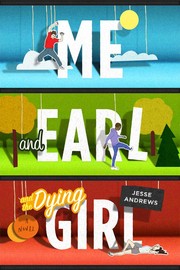
Me and Earl and the Dying Girl
A self-protective Pittsburgh senior is pushed to befriend a classmate with leukemia, and a clumsy film with Earl changes all three.
2,773-word summary · 12 min read
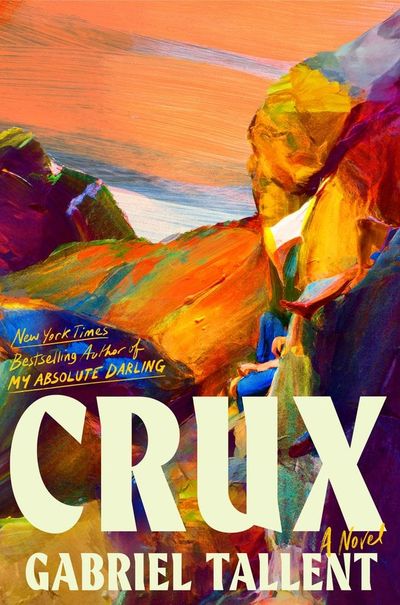
Crux
Two broke Mojave teens chase pro climbing dreams as friendship, class gaps, and family strain pull Dan and Tamma apart.
2,489-word summary · 11 min read

About a Boy
An idle London bachelor invents a toddler son to meet women, then builds a real friendship with a lonely twelve year old.
2,750-word summary · 12 min read

Joyland
Heartbroken Devin works a 1973 carny summer, probes an old Horror House murder, and befriends dying Mike.
2,059-word summary · 9 min read