
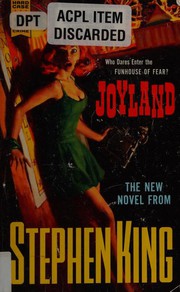
Joyland
2,059-word summary 9 min read 288 pages in the book
- First published
- 2013
- Publisher
- Hard Case Crime
- Pages
- 288
- ISBN
- 9781781162644
Reading options
What's inside (10 sections)
I read Joyland in summer on purpose, wanting King's carny book to match heat and Ferris lights. Stephen King published it in 2013 with Hard Case Crime. My reading follows the 288 page paperback. College student Devin Jones takes a summer job at an amusement park in North Carolina in 1973, investigates an old murder, befriends a dying boy, and grows up. It is gentle by King standards, more mystery and coming of age than horror, and it left me teary in a good way.
Devin is twenty one, heartbroken. His girlfriend Wendy dumps him by letter after he defers school. He answers an ad for Joyland, a small park with a wheel, a Horror House, concessions, and a crew that talks carny. He learns to wear the fur, meaning play mascot Howie the Happy Hound, to sell tickets with a pitch, to dance with kids. His friends are Tom Kennedy and Erin Cook, fellow summer hires, bright and loyal. His bosses are Bradley Easterbrook, owner with old carny wisdom, and Fred Dean, middle manager who teaches work.
Learning carny
The park chapters are the joy. King loves work detail, and Joyland gives him rides to maintain, crowds to read, cons to run kindly. Devin learns the talk, the pitch, the way to spot a mark who wants to win a prize for a girl. He learns to wear fur in heat, to hydrate, to save voice. He learns that carnies watch each other, cover shifts, share meals.
Tom and Erin sparkle. Tom, funny and brave, tries the fur, flirts, loses money. Erin, sharp and organized, films, researches, keeps Devin honest. Their trio feels like real summer friendship, inside jokes, cheap food, late talks on a beach. When Erin digs into the old murder from campus with library reels, the book gains detective drive without losing summer ease.
The Horror House holds the ghost story. Years earlier, Linda Gray was murdered there by the Carny Killer, never caught. Her ghost is said to appear, warning. Devin sees something one night, a girl in a ride car, sad and cold. He does not scream. He listens. King writes the haunting as sorrow, not shock. The park keeps the ride open because legend sells, but old timers lower voices. That mix of commerce and grief feels true to small attractions.
Devin's heartbreak threads through. He writes letters Wendy does not answer, plays her songs, grows thinner. Friends tell him to stop. He can not yet. King captures twenty one love without mocking. First love feels fatal at the time. The park cures slowly through work, not wisdom. Tired bodies sleep. New friends fill days. That prescription rings right.
Annie, Mike, and the gift
Mid book introduces Annie Ross and her son Mike, who live near the park in a big house on the beach. Mike is ten, bright, funny, in a wheelchair, dying of muscular disease. He has a gift, second sight after a fever, seeing what others hide. Annie is prickly, protective, beautiful, angry at God and men who left. Devin befriends them by flying kites, telling park stories, and not pitying.
Mike is the moral center. He loves the park without being able to ride much. He asks Devin about the murder because he sees Linda. He asks about heaven because he knows he will not grow up. King writes him without sentimentality tricks. Mike jokes, gets tired, needs suction and meds, gets bored with adult evasion. His questions force Devin to be honest about death, faith, and what comes after.
Annie and Devin's slow trust is lovely. She hires him to wheel Mike on the boardwalk, feeds him, argues about money. She tests him with bluntness. Are you after me. Are you using my son for a mystery. Devin answers by showing up daily, fixing a ramp, remembering meds. Their chaste romance, hand holding and beach talks, suits a summer where Devin learns love is care, not possession. Wendy wanted a boy who performed. Annie needs a man who stays.
The kite image King mentioned as seed, a boy in a wheelchair flying a Jesus kite, recurs beautifully. Mike can not run, but his kite runs for him. Devin runs with string. Annie watches. Those beach afternoons carry more weight than the murder reveal because they show what life is for. Joy, briefly, shared.
Solving Linda Gray
Erin, back at school, researches the Carny Killer pattern. Other park murders in other states, similar knives, similar blond victims, similar quiet men who worked rides. She builds a list. Tom visits. Devin connects faces at Joyland to descriptions. The killer is among them, ordinary, helpful, invisible by being average.
King plays fair with clues without making it a puzzle book. You can guess if you watch who volunteers for night shifts, who knows ride blind spots, who talks about women with flat hate. The reveal is not a twist for shock. It is recognition of evil that hid in plain crew. The confrontation in the Horror House uses dark, motion, and Devin's fur suit smell to create terror without gore excess.
What matters is motive and aftermath. The killer does not monologue long. He acts from misogyny and habit. Devin survives because friends arrive and because Mike warned in his way. The park keeps operating. Police do paperwork. Life resumes. That ordinariness after horror feels right for 1973 small town. No press conference healing. Just shifts covered.
Linda's ghost quiets after. Whether she was real or grief made visible, King leaves open but leans to real within his world. Devin, older narrating, believes. I believed because the book earns wonder through Mike's gift. If a dying boy can see truth, a murdered girl can linger to point.
What warms and what wobbles
What warms is voice, work, and tenderness. Older Devin narrates with nostalgia without gloss. He admits faults, thanks people by name, remembers food and songs. The park slang, wearing the fur, talking lousy, saving the skin, adds flavor. The friendship trio, the Ross family beach days, the owner Easterbrook's maxims about talent and kindness, all glow.
What wobbles is thriller expectation. Readers wanting It or Shining scares will find Joyland tame. The murder plot pauses for long stretches of beach and kite. The killer's identity, guessable, may disappoint mystery purists. The supernatural gift is soft, unexplained, used for emotional truth more than system. If you need hard rules, you will fidget.
Length at 288 pages suits the tale. No bloat. Some may want more of Tom and Erin after summer, but their fade mirrors real seasonal friendship. King gives them enough. A wedding invite years later. A phone call. That restraint aches rightly.
The prose is plain and musical. Short sentences. Brand names. Song titles. Smells of grease and sea. King avoids showing off, which fits a narrator looking back at youth. When he reaches for beauty, kites, wheel lights, Mike laughing, he earns it by plainness around.
At 288 pages I read it in three beach length sittings, marking kite pages. Devin starts counting Wendy's letters and ends counting Mike's breaths and kite pulls, choosing to stay present for a dying boy rather than chase a girl who left. That shift, from performance to presence, is why the book moved me past its small mystery. The prize is not solving. The prize is precious days, shared, before winter. King names that plainly, and I believed him.
Park people who teach
Easterbrook, the owner, gives maxims that sound corny and prove true. Wear the fur so kids believe. Never let them see you tired. Talent is cheap, kindness pays. He hired Devin because he saw heartbreak and knew work heals. He keeps Linda's ride open with respect, not exploitation, paying for flowers yearly. That decency anchors a book about murder.
Fred Dean, the manager, teaches specifics. How to pitch, how to spot drunks, how to close a ride in lightning. He corrects without shaming. Lane Hardy, the seasoned carny with a past, shows both charm and menace. He befriends Devin, teaches shortcuts, hides something. King uses him to show how predators blend in crews built on trust. Everyone vouches. No one checks.
Tom and Erin carry youth. Tom's bravado covers fear. He rides the Horror House to prove courage, jokes about ghosts, then holds Devin's arm in dark. Erin's research skills, learned in college library, crack the case. She mails reels, makes timelines, calls archives. Her competence, not Devin's muscle, solves. That division, brawn plus brains plus heart, is classic King trio with less gore.
Old timers add texture. A fortune teller who tells Devin he will meet a boy with a kite. A cook who feeds him free fries after bad days. A maintenance man who shows how wheels sing when oiled. Those cameos make Joyland feel worked in, not set dressed. King loves labor, and labor loves him back here.
Faith, doubt, and Mike's questions
Mike asks Devin if heaven has rides. If dogs go. If his mother will be okay. If dying hurts long. Devin, twenty one and dumped, has no theology. He answers with honesty scaled to ten. I do not know. I think love stays. I will stay while you ask. Those answers satisfy Mike more than catechism because they respect his mind.
Annie, burned by church platitudes after diagnosis, watches these talks with arms crossed. She expects Devin to preach or flee. He does neither. He flies kites, reads comics aloud, wheels Mike to see lights. Her thaw is slow. A shared blanket. A laugh at his bad jokes. A hand held during a medical scare. When she finally tells Devin about Mike's father who left, it is not seduction. It is accounting. This is what happened. Stay or go knowing.
King, who often writes faith as horror or comfort, here writes doubt as care. No minister saves. No prayer cures. People show up. That humanism suits a carny book where talkers sell miracles for tickets. Real miracle is time given freely to a dying child while summer ticks.
The Jesus kite itself, white with red letters, could be kitsch. In context it flies. Mike can not walk the midway, but his kite sees all. Devin runs so Mike can soar. Annie watches both. That image holds the book's thesis. We can not fix bodies. We can lend legs and lungs for an afternoon. That lending is holy enough.
After summer ends
Older Devin narrates from decades on, married, fathered, worked other jobs. He tells us Tom died young, Erin became a journalist, Easterbrook passed, the park changed owners. Those updates ache because summer friendships feel eternal at twenty one and prove porous. What lasts is not crew but imprint. How to work. How to stay.
He still visits Annie's beach house in memory, still hears Mike's laugh on wind. He kept the kite string. He learned to love after Wendy by loving without possessing. That lesson shaped his marriage, he hints, his parenting. Summer jobs do that. They teach more than tasks. They teach who you are when tired, broke, and free.
The murder solved fades beside that growth, which is intentional. King titles the book Joyland, not Carny Killer. Joy is the point, fleeting, ticketed, real. Linda gets justice, but Mike gets joy, and Devin gets manhood. Those trades feel right for a book published as crime paperback that reads as elegy.
Who should buy a ticket
Give Joyland to King fans who like Green Mile and Shawshank heart, to mystery readers who enjoy coming of age, to anyone who worked a summer job that changed them. It suits older teens and adults, though content is mild for King with some language and adult themes. Do not give it to readers who need nonstop horror. Pair it with a boardwalk evening. You will smell popcorn while reading.
At 288 pages I read it in three beach length sittings, marking kite pages. Devin starts counting Wendy's letters and ends counting Mike's breaths and kite pulls, choosing to stay present for a dying boy rather than chase a girl who left. That shift, from performance to presence, is why the book moved me past its small mystery. The prize is not solving. The prize is precious days, shared, before winter. King names that plainly, and I believed him.
FAQ
When was Joyland published?
Hard Case Crime published it on June 4, 2013. The paperback runs 288 pages and the ISBN is 9781781162644.
Is Joyland part of a series?
No. It stands alone as King's second Hard Case Crime book after The Colorado Kid, with no series ties.
Who are the main characters?
Devin Jones, twenty one, with friends Tom and Erin, owner Easterbrook, Annie Ross, and her son Mike who sees more than others.
Similar books

Paper Girls, Volume 1
Four paper girls in 1988 Ohio chase a stolen walkie-talkie into a basement and stumble into a time war, flying dinosaurs, and an older version of themselves.
2,235-word summary · 10 min read

We Were Never Here
Best friends Emily and Kristen hide a backpacker death in Chile, then face another in Vietnam with trust cracking.
2,076-word summary · 9 min read

I Am the Messenger
Nineteen year old Ed stops a robbery, then gets playing cards sending him to help strangers.
2,124-word summary · 9 min read
In a Dark, Dark Wood
Writer Nora joins hen party Clare in glass house where a murder happens.
2,253-word summary · 10 min read

Firefly Lane
Best friends Tully and Kate grow from teens to adults through careers, love, and loss.
2,734-word summary · 12 min read
The Maid
Hotel maid Molly Gray finds a dead guest and must use her eye for detail to clear herself.
2,031-word summary · 9 min read

Paper Towns
Quentin chases clues after Margo vanishes, learning the girl he imagined was never the whole story.
2,198-word summary · 10 min read
Later
Boy Jamie Conklin sees dead people who must answer truthfully, pulling him into NYPD cases and a drug crew's greed.
2,009-word summary · 9 min read
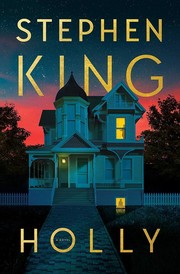
Holly
Grieving detective Holly Gibney takes a missing-girl case in 2021 and traces it to two polite retired professors with a basement secret.
2,607-word summary · 12 min read
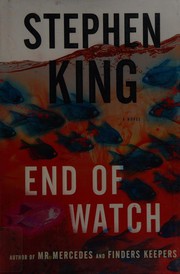
End of Watch
A dying Bill Hodges and Holly Gibney face Brady Hartsfield again, as rigged game consoles push hurt teens toward suicide.
2,923-word summary · 13 min read
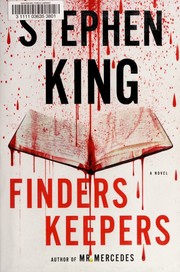
Finders Keepers
A boy finds a murdered writer's notebooks while the killer leaves prison hunting them and Hodges closes in.
2,157-word summary · 10 min read
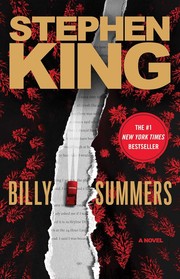
Billy Summers
A hitman takes one last job in Red Bluff, poses as a writer, and runs when the setup turns on him.
2,882-word summary · 13 min read
The Outsider
Coach Terry Maitland's DNA and witnesses point to an impossible murder, until Ralph Anderson and Holly Gibney trace it to El Cuco.
2,586-word summary · 11 min read

Mr. Mercedes
Retired Hodges hunts Mercedes killer Brady Hartsfield concert plot.
2,281-word summary · 10 min read

What She Knew
Rachel lets her eight-year-old son run ahead in a Bristol park, and the nine-day search turns her into a suspect in the public eye.
2,952-word summary · 13 min read

The Beach House
A young valet is beaten to death at a Hamptons party, and his law-student brother spends a year building a case against the family that covered it up.
2,049-word summary · 9 min read
The Art Forger
A disgraced Boston painter agrees to copy a Degas stolen from the Gardner Museum, then begins to suspect the original she is copying is itself a forgery.
2,117-word summary · 9 min read

Six Years
A professor who promised to forget the woman he loved sees her husband's obituary and discovers that the wedding, the marriage, and the woman herself may never…
2,076-word summary · 9 min read

How the Light Gets In
Gamache investigates the murder of the last Ouellet quintuplet while the Sûreté he served is dismantled from inside by the man who took his protégé.
2,279-word summary · 10 min read

Bury Your Dead
Recovering from a failed raid that killed his officers, Gamache investigates a murder in a Quebec City library while Beauvoir reopens a case in Three Pines.
2,022-word summary · 9 min read

Anya's Ghost
A lonely Russian immigrant falls into a well, befriends the ghost trapped there, and discovers that the ghost's help comes with a dangerous price.
2,001-word summary · 9 min read

The Trespasser
A Dublin Murder Squad detective investigates a staged dinner-party killing and finds a cover-up that reaches into her own department.
2,051-word summary · 9 min read
The Power of One
A boy in apartheid South Africa decides to become welterweight champion of the world, and the novel follows every mentor, fight, and loss that gets him there.
2,145-word summary · 10 min read

Rules of Prey
Minneapolis detective Lucas Davenport hunts a killer who leaves a new rule at every scene and treats murder as a game of wits.
1,914-word summary · 9 min read

Dumplin'
Willowdean Dickson enters her town's beauty pageant as a protest and discovers that confidence is harder to keep once she lets someone close.
1,922-word summary · 9 min read
Five Point Someone: What Not to Do at IIT
Three friends at IIT drift to a five-point GPA, mock the system, and break into a professor's office for an exam paper.
2,458-word summary · 11 min read

The Late Show
Exiled to the LAPD night shift after accusing her supervisor, Renée Ballard keeps two cases that were meant to be handed off at dawn: a brutal assault and a…
2,563-word summary · 11 min read

The Black Dahlia
James Ellroy builds a fiction around the real Black Dahlia murder, following two Los Angeles cops whose partnership and obsessions destroy them.
2,533-word summary · 11 min read
Finger Lickin' Fifteen
Lula sees a celebrity chef decapitated and talks Stephanie into entering a barbecue contest to lure the killers, while Ranger hires her to find a security leak…
2,248-word summary · 10 min read

4th of July
Lindsay Boxer shoots two armed teenagers in self-defense, faces a wrongful-death trial, and spends her leave chasing a string of throat-slashing murders in…
2,192-word summary · 10 min read