
Reading options
What's inside (8 sections)
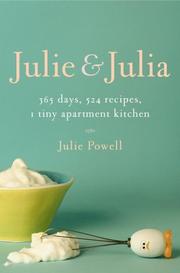
I first picked up Julie and Julia: 365 Days, 524 Recipes, 1 Tiny Apartment Kitchen by Julie Powell (2005, Little, Brown and Company, 309 pages hardcover, ISBN 9780316109697) because a friend told me it was just a funny cooking book, and I was not ready for how stressed and sad and hopeful it would feel. It is a memoir about a woman about to turn thirty who feels stuck in every part of her life and decides to do something completely unreasonable to shake herself loose. She will cook every single recipe in Julia Child's first volume of Mastering the Art of French Cooking in one year, in a shabby little kitchen in Queens, while holding down a draining day job and writing about it all on a brand new blog. It sounds like a stunt, and it is, but Powell writes it like a confession, and by the end you feel like you lived that year with her, smelling butter and dish soap and old oven heat.
Stuck in Queens With a Tiny Kitchen and Thirty Looming
When we meet Julie Powell she is twenty nine and living in Long Island City, Queens, with her husband Eric. Their apartment is the kind of New York apartment people joke about until they actually have to live in it. The kitchen is barely a kitchen. It has a narrow stove that runs hot, cracked linoleum that never quite looks clean, almost no counter space, no dishwasher, and cabinets that stick in the summer. She describes having to wash everything by hand in a sink full of greasy water while the next pot is already boiling over. I could picture it right away because I have lived with that kind of kitchen, where you have to put the cutting board on top of the stove just to chop an onion.
Her work life is even more cramped. After trying and failing to make it as an actress and a writer, she ends up temping as a secretary for the Lower Manhattan Development Corporation, the agency set up after September 11 to help rebuild lower Manhattan. Her days are filled with phones and paperwork and angry, grieving people arguing about money and memories. She is good at being sympathetic, but the job leaves her wrung out. She comes home late to Queens, she feels invisible, and she keeps thinking about the fact that she is about to turn thirty with very little to show for the dreams she had at twenty two.
What makes the opening work is that Powell does not try to sound noble about it. She sounds tired and funny and a little bitter. She loves her husband, she loves food, she loves reading, but she feels like a minor character in her own life. She eats to feel better. She reads Julia Child to feel better. She talks about Julia the way some people talk about a favorite aunt they never met. That mix of real sadness and real appetite sets up everything that follows. She does not need a new diet or a new apartment. She needs a project big enough to scare her.
It is easy to like her here even when she complains a lot, because the complaints feel honest.
Eric, the Apartment, and a Wild Plan
Eric Powell is the second main character in the book, and honestly he might be the reason the whole thing holds together. He is patient in a way that feels real, not perfect. He works long hours himself, he loves to eat what Julie makes, he cleans up a lot of messes, and he teases her when she gets dramatic. They met when they were younger, artsy, ambitious kids in Texas and New York, and now they are a married couple in their late twenties trying to pay rent and stay close. He is not a food obsessive like she is. He is just a guy who loves his wife and will eat sweetbreads if she puts them in front of him.
The plan comes out of late night talk and desperation. Julie has been cooking from Mastering the Art of French Cooking for years. She loves the bossy, encouraging voice in it, the way it tells you not to be afraid of butter or failure. One night, with her thirtieth birthday approaching in August 2002, she and Eric joke about doing something big. What if she cooked through the entire book in a year. All 524 recipes in 365 days. And what if she blogged it.
In 2002 blogging was still strange and new. It was not social video. It was a plain page with dated entries that maybe ten people read. Eric, who understands the internet better than she does, helps her set up the Julie Julia Project. The rules are simple. Cook every recipe in Volume One, in order as much as possible, in one year, and write about it. No skipping the scary stuff. No pretending the failures did not happen.
Powell is clear that this was not a career move at first. She did not expect a book deal or a movie. She expected a way to get through a miserable fall without falling apart. That smallness makes it touching. She is not trying to become famous. She is trying to finish something.
Blogging Through Butter in Fall 2002
The early months are my favorite part to retell because they are so messy and full of life. She starts in August 2002, right after she turns thirty. She starts with soups and eggs and vegetables because that is how the Child book starts. Potage Parmentier, onion soup, quiches, gratins. It sounds simple until you realize French cooking as Julia teaches it is never really simple. It is chop this very fine, dry it completely, heat the butter until it foams but does not brown, stir without stopping, season, taste, fix it.
Powell learns fast that Julia Child expects a real kitchen and real time. She has neither. She is cooking after work until midnight in that tiny space, with the windows steaming up and the cat trying to get on the counter. She burns things. She undercooks things. She runs out of money for good cheese and good meat. She writes about it the same night, tired and wired, in a voice that is loud and sweary and very online for 2002. People start finding the blog. First friends, then strangers, then food people. The comments keep her going.
She wanted to prove she could finish something hard, even if the only witnesses were her husband and a few strangers on the internet.
She also starts to explain the book she is cooking from, which helps if you have never held it. Mastering the Art of French Cooking, Volume One, by Julia Child, Louisette Bertholle, and Simone Beck, published in 1961, is not a quick weeknight cookbook. It is a teaching book, almost a textbook, built to show Americans how French home cooking actually works. It has long headnotes, drawings, variations, and a tone that says you can do this if you pay attention. Powell falls hard for that tone. When her boss yells or the subway stalls or she feels useless at work, she goes home and creams butter and sugar or pounds chicken breasts thin and feels competent for an hour.
There is a lot of butter. There is no way around that. She jokes about her arteries and her jeans getting tight, and Eric jokes right along with her. It is joyful even when it is exhausting.
Lobsters, Brains, Aspic, and the Hard Middle
By late fall and winter the project stops being cute. This is where Powell really shows what cooking through the whole book means. It is not just roast chicken and chocolate mousse. It is calves brains in red wine sauce. It is tripe. It is tongue. It is whole fish with the eyes still on. It is lobster, live lobster that you have to drop in boiling water and then cut apart while it is still twitching. She writes about standing in her kitchen crying and swearing and doing it anyway because the rules are the rules.
The lobster chapter is famous for a reason. She is a lifelong animal lover, and she hates killing things. She names the lobsters. She apologizes to them. She gets Eric to help. Then she plunges them in and makes Homard Thermidor and feels sick and proud at the same time. I laughed and winced reading it. It tells you a lot about her that she will not look away from the ugly part.
Then there is aspic. If you have never heard of it, aspic is savory jelly made from stock that you clarify until clear and then use to coat cold meats and vegetables so they shine like museum pieces. It is fussy, old fashioned, and deeply unappealing to a modern appetite. Powell battles aspic for weeks. It melts. It clouds. It slides off the ham. She throws some of it away at midnight and wants to quit. When it finally works, a glistening ham in jelly that looks like something from 1965, she is overjoyed in a way only someone who has failed six times can be.
The holidays pile on. Thanksgiving means roast turkey Julia style, with giblet stock and endless basting in a kitchen the size of a closet. Christmas means Buche de Noel, a rolled sponge cake with buttercream bark and meringue mushrooms that takes her two days. She is broke, she is tired, work is still grim, the apartment is a wreck of pots and grease, and her marriage starts to show cracks. She snaps at Eric. He snaps back. She stays up too late writing snarky blog posts and then hates herself in the morning. The middle of the book is long on purpose. You feel the grind. Anyone who has tried to do something daily for a year will recognize that flat, gray feeling where the novelty is gone and only the obligation is left.
This is also where some readers start to get annoyed with her, and fairly so. She can be self centered. She complains about Eric while he is washing her stockpot for the tenth time that week. She drinks a lot. She uses sharp humor to dodge responsibility. Powell does not hide that, which I respect, but she does not always examine it either. You sometimes want to shake her and say, go to bed, apologize to your husband, eat toast for a night.
Julia in Paris While Julie Sweats in Queens
Woven through the cooking story is a second story, Powell's version of Julia Child's life. She did a lot of reading about Julia, especially the letters and biographies available at the time, and she retells Julia's path as a kind of mirror for her own.
In Powell's telling, Julia McWilliams Child was a tall, loud, hungry California girl who did not find herself until late. She went to Smith, worked for the OSS during World War Two, married the kind and artistic Paul Child, and moved to Paris in 1948 when Paul was posted there. Julia fell in love with French food the way some people fall in love with a person, completely and forever. She went to Le Cordon Bleu, she met Simone Beck and Louisette Bertholle, and the three women decided to write a French cookbook for Americans. It took almost a decade. They tested and retested, they fought with publishers, they hauled drafts across the Atlantic. When the book finally came out in 1961, Julia was almost fifty.
Powell loves this story because it gives her hope. If Julia could start over at thirty six in a foreign country with bad French and no clear skill, maybe Julie can start over at thirty in Queens. She imagines Julia and Paul in their Paris kitchen, shopping at Les Halles, eating sole meuniere, laughing, working. She contrasts that with her own life, takeout containers, subway delays, a boss who does not care if she lives or dies. The past looks golden. The present looks thin.
It is charming, but this is also the weakest part of the book if you want strict history. Powell romanticizes Julia a lot. Her Julia is warm, brave, endlessly encouraging, almost a saint of butter. The real Julia Child was warmer and tougher and more complicated than that, and Powell did not have access to everything we have now. She also leans hard on the parallel. Every time Julie has a bad day, she asks what Julia would do. Every time Julie succeeds, she feels Julia smiling down. It can feel a little forced, like she needs Julia to approve of her to keep going.
That need becomes painful near the end when Powell learns through editor Judith Jones that the real Julia Child did not like the project. Julia, then in her nineties, felt blogs were not serious and did not approve of Julie's language and tone. Powell is crushed. She had built the year around earning Julia's respect from afar, and the answer was no thanks. She writes about that rejection with real hurt, and then with anger, and then with a sad kind of acceptance. You may not agree with how she handled it, she says some harsh things about Julia that she later regretted, but you understand why it stung. It was never just about recipes. It was about wanting a hero to say, good job, kid.
The Final Push to 524 and Waking Up After
Spring and summer 2003 are a sprint. By then the blog has real readers. A small newspaper piece leads to bigger attention. Friends bring groceries. Strangers send encouragement. Eric keeps showing up, even after fights about money, time, mess, and Powell's brief emotional affair with a guy she nicknames the Butler, a flirtation that almost wrecks the marriage and that she writes about with uncomfortable honesty. She does not excuse herself. She says she was needy and stupid and lucky Eric stayed. Some readers have never forgiven her for that chapter. I get why. It is hard to read someone risking a good partner because she likes being admired when she feels low.
The cooking itself becomes almost athletic. She doubles up recipes on weekends, makes three desserts in a day, borrows space in friends fridges, hauls duck fat and marrow bones home on the subway. She tackles pates and terrines, quenelles, souffles that rise and fall in seconds, the famous Reine de Saba chocolate almond cake, endless sauces. She counts down. Four hundred recipes. Four hundred fifty. Five hundred. Her hands are cut and burned. Her kitchen floor is permanently sticky. She is sick of chicken. She keeps going.
She finishes in August 2003, a full year after she started. The last meal is a real feast for friends and blog readers, and the feeling is less triumph than relief and grief. What do you do the day after you finish the thing that saved you. She cries. Eric holds her. The apartment is quiet without a pot on the stove.
What came right after is now well known, though it was not when the hardcover first appeared in 2005. She got an agent, she got a book deal with Little, Brown, she shaped a year of blog posts into a 309 page memoir. The blog voice is still there, fast and frank and often very funny, but you can feel an editor helped her shape it. Later would come the film with Meryl Streep as Julia and Amy Adams as Julie, but the book itself ends smaller and more personal. She is still temping. She is still in Queens. She is still married. She just knows she can do a hard thing from start to end.
Fair criticism belongs here because this book invites strong feelings. Powell can be whiny and repetitive. She swears constantly, which will bother some readers. She centers her own pain in a job surrounded by post 9/11 loss in a way that can feel tone deaf. She treats Eric as both hero and punching bag. And her portrait of Julia, while loving, is selective. She needed Julia to be a fairy godmother, so she smoothed out the edges.
Still, I keep recommending it to friends who feel stuck. Not because the writing is perfect, but because the hunger in it is real. Hunger for good food, for work that matters, for a life that feels chosen. When she finally pulls a perfect souffle from that cramped oven or serves a table full of people who showed up because they read her little blog, you feel how much it cost her and how much it fed her. That is a lot more than a stunt. That is a year of a life, butter burns and all, and she lets you taste it.
FAQ
Do I need to know French cooking to enjoy it?
No, she explains each technique as she learns it. The story is more about persistence than skill.
Is the Julia Child history accurate?
It is heartfelt but simplified from sources available before 2005, so read it as admiration rather than biography.
Similar books
My Life in France
Julia Child's memoir of learning to cook in Paris, testing recipes for nine years, and becoming the teacher who changed how America thought about French food.
2,038-word summary · 9 min read
How to Cook Everything: Simple Recipes for Great Food
Bittman's 1998 doorstop taught a generation that dinner is a technique, not a recipe, with master recipes and variations instead of rigid instructions.
2,027-word summary · 9 min read
Animal, Vegetable, Miracle: A Year of Food Life
A family eats only local for a year from their Virginia farm.
2,270-word summary · 10 min read
Chocolat
A single mother opens a chocolate shop opposite the church during Lent, and a divided French village must choose between pleasure and piety.
2,272-word summary · 10 min read

Better Homes and Gardens New Cook Book
First published in 1930, this red-checked kitchen reference teaches basic skills, clear charts, and tested recipes for daily cooking.
2,986-word summary · 13 min read

A Hymn to Life
Gisele Pelicot tells her own story, from a shattering 2020 phone call to the open Mazan trial where shame changed sides.
2,456-word summary · 11 min read
The Joy of Cooking
First self-published in 1931, this one-volume kitchen teacher shows how to learn skills, follow its action format, and pick an edition.
2,591-word summary · 12 min read
Under the Tuscan Sun
Frances Mayes and her husband Ed restore an abandoned villa near Cortona, learning its stone walls, markets, and seasonal cooking one room and one meal at a…
2,619-word summary · 12 min read
Kitchen Confidential: Adventures in the Culinary Underbelly
Bourdain on rough kitchens, past drug use, Les Halles years, and why you should never order fish on Monday.
2,562-word summary · 11 min read

Crying in H Mart
Japanese Breakfast singer Michelle Zauner remembers her Korean mother through food, grief, and growing up in Oregon.
2,337-word summary · 10 min read
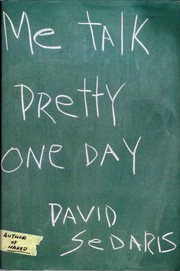
Me Talk Pretty One Day
Sedaris on French classes, family chaos, and learning to speak badly in two languages.
2,111-word summary · 9 min read

Long Walk to Freedom
Mandela's account of a Thembu childhood, a law practice, a banned movement, twenty-seven years in prison, and the negotiation that ended apartheid.
2,454-word summary · 11 min read
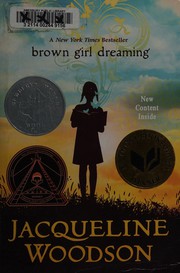
Brown Girl Dreaming
Jacqueline Woodson retells her childhood in verse, moving from Ohio to South Carolina to Brooklyn while the civil rights movement reshapes the world around her.
2,727-word summary · 12 min read

In Order to Live: A North Korean Girl's Journey to Freedom
A young North Korean girl crosses the Yalu, survives trafficking in China, and rebuilds her life in Seoul in this unsparing memoir.
2,027-word summary · 9 min read

Too Much and Never Enough: How My Family Created the World's Most Dangerous Man
Mary L. Trump's 2020 memoir traces how a cold, zero-sum Queens household shaped her uncle, and uses family tax documents to challenge his self-made story.
2,059-word summary · 9 min read
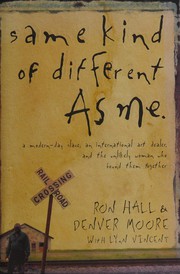
Same Kind of Different as Me
An art dealer and a formerly homeless sharecropper tell the story of the friendship that began at a Fort Worth mission and the woman who insisted on it.
2,023-word summary · 9 min read

Infidel
Ayaan Hirsi Ali's memoir of a Somali childhood, a forced marriage, a Dutch asylum claim, and the political fight that followed the murder of Theo van Gogh.
2,041-word summary · 9 min read

The Happiest Man on Earth
Eddie Jaku's memoir follows a Leipzig childhood, Buchenwald, Auschwitz, a death march, and the slow rebuilding of a life in Australia.
2,597-word summary · 12 min read

Down and Out in Paris and London
Orwell's account of washing dishes in Paris hotels and tramping through London does not ask for pity, only for a clear look at how poverty actually works.
2,282-word summary · 10 min read
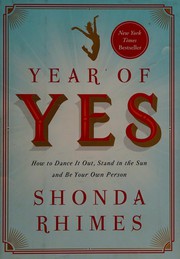
Year of Yes: How to Dance It Out, Stand in the Sun and Be Your Own Person
Shonda Rhimes takes her sister’s accusation seriously and spends a year saying yes to the things that frighten her, from live television to her own reflection.
2,585-word summary · 11 min read

The Girl with Seven Names: A North Korean Defector's Story
Hyeonseo Lee crossed the frozen Yalu River at seventeen, spent years hidden in China, escaped to South Korea, and later returned to rescue her family.
2,404-word summary · 11 min read

Scar Tissue
Kiedis's memoir follows the Red Hot Chili Peppers from Hollywood house parties to fame, heroin, and the long work of staying clean.
2,217-word summary · 10 min read
Love Does
A lawyer and activist tells stories of saying yes, showing up, and loving people through ordinary, often ridiculous actions.
2,411-word summary · 11 min read
Beautiful Boy: A Father's Journey Through His Son's Addiction
David Sheff recounts watching his son Nic slide into meth addiction, and his own desperate, humbling search for how to help without destroying them both.
2,076-word summary · 9 min read
This Time Next Year
Two women give birth minutes apart on New Year's Day 1990, and one takes the other's lucky name. Thirty years on, their children meet again.
2,194-word summary · 10 min read

The Magnolia Story
How Chip and Joanna Gaines met, closed their first shop, nearly lost everything in a housing development, and built Fixer Upper.
2,994-word summary · 13 min read

Lone Survivor: The Eyewitness Account of Operation Redwing and the Lost Heroes of SEAL Team 10
Marcus Luttrell's account of the 2005 SEAL mission in Afghanistan that killed three of his team and left him alone.
2,144-word summary · 10 min read

Life
The Rolling Stones guitarist tells his own story: a Dartford childhood, the band's first gigs, the drug raids, the tax years and Patti Hansen.
2,761-word summary · 12 min read
Dry
A memoir of drinking, rehab and relapse, and the strange business of getting sober one morning at a time.
2,643-word summary · 12 min read

Dear Girls: Intimate Tales, Untold Secrets & Advice for Living Your Best Life
Ali Wong's debut collects fourteen letters to her daughters, covering sex, money, work, marriage, Vietnam, and being a working Asian American mother.
2,266-word summary · 10 min read