
Reading options
What's inside (9 sections)
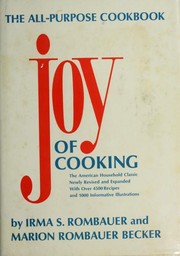
My first copy of this book did not belong to me. It sat on a friend's kitchen shelf between a chipped mixing bowl and a stack of takeout menus, its spine cracked and its margins full of pencil notes. Every time I cooked over there, she would pull it down, flip to some stained page, and say something like, trust the headnote, it tells you when the pan is wrong. I finally bought my own copy after watching her fix a broken pan sauce with nothing but that book and a calm face. The edition I use most is the 1975 printing, the one published by Bobbs-Merrill with 915 pages, ISBN 9780026045704, the version many cooks still call the standard. It is heavy, plain looking, and packed with the kind of instruction that assumes you want to learn, not just follow steps.
That plain look hides a strange and moving history. Irma S. Rombauer self-published the first Joy of Cooking in 1931 in St. Louis after her husband died, paying for a small printing herself and testing recipes with her daughter Marion Rombauer Becker, who drew the illustrations. The first commercial edition came from Bobbs-Merrill in 1936. Marion kept revising the book for decades, and after Irma died, Marion carried it on alone. Her son Ethan Becker later helped with the 1975 revision and with later editions, and the family kept control of the testing and rewriting for generations. When people say Single-Volume Edition, they mean this idea in its simplest form: the whole kitchen in one book, not split across volumes or a boxed set. Several paperback printings spelled that out on the title page, including the Plume editions of the 1970s. The name stuck because it promised exactly what tired cooks wanted. One book, everything inside.
I tell you this first because it changes how you read every page. This is not a chef showing off. It is a family teaching neighbors how to feed people through hard years, war rationing, new appliances, frozen food, and changing tastes. The voice stays practical and a little motherly. It tells you what to do when the roast is tough, when the mayonnaise breaks, when the guests arrive early. That tone runs through all nine hundred pages and it is the reason the book survived while hundreds of prettier cookbooks vanished.
A Book That Teaches Before It Lists Recipes
Most cookbooks open with recipes. Joy opens with lessons. The early chapters walk through tools, cuts of meat, how heat moves through a pan, how to hold a knife, how to measure flour so a cake stands a chance. There are drawings of how to truss a chicken, how to fold dough, how to tell when fish flakes. I skipped these pages for years, the way you skip the manual, and my cooking showed it. When I finally sat down and read them, small mysteries cleared up. My roast chicken got better because I learned where to put the thermometer and how long to rest the bird. My pancakes stopped burning on the second batch because the book explains that pans keep heating after the first side looks fine.
The habit that helps most is reading the short essay at the top of each chapter before you pick a recipe. Each section starts with plain guidance: what to buy, what to avoid, what temperature matters, what can be made ahead. The beef chapter tells you which cuts stay tender with fast heat and which need long slow cooking, and why mixing them up ruins dinner. The egg chapter explains what heat does to whites and yolks in a few short paragraphs that save a dozen failed breakfasts. None of this reads like school. It reads like someone standing next to you, pointing at the stove.
One more habit matters. Joy cross references constantly. A recipe will send you to another page for stock, or sauce, or dough, instead of repeating the same base twenty times. At first this feels annoying. You want everything in one place. After a while you see the point. You learn five base sauces and suddenly forty recipes make sense. You learn one pie dough and the whole pastry chapter opens. The book is built as a system, not a pile of dishes.
The Action Format and How to Follow It
The most famous feature of Joy is the way recipes are written. Instead of listing all ingredients at the top and then giving steps below, many recipes fold the amounts right into the instructions. It will tell you to stir in one cup of milk, then add two beaten eggs, right where each item belongs. Cooks call this the action format, and Marion Becker pushed it because she watched beginners lose their place moving between a list and a paragraph.
I love it once I am actually cooking, with wet hands and a hot pan. You read top to bottom and add things as they appear. No scanning up and down. The trade off is that shopping from the book takes work. You cannot glance at a header and see all you need. You have to read the recipe through, pencil in hand, and write your own list. My method now is to read the recipe twice. First for the shopping list. Second for the plan, checking what needs chopping, what pan to heat, what page the side sauce lives on. Ten minutes of reading saves a burned dinner.
The headnotes deserve respect too. That short paragraph above the ingredients often holds the real lesson: which pan, how hot, what the finished texture should feel like, whether the dish holds or must be served at once. When my friend said trust the headnote, this is what she meant. If it says serve at once, it means it. If it says the batter should look rough, leave the lumps alone.
The Chapters I Open Most
After the teaching chapters comes the long middle: poultry, meat, fish, vegetables, grains, breads, cakes, pies, desserts, canning, freezing, drinks, menus for special meals. It helps to think of the book in three big blocks. First, savory cooking for daily meals. Second, baking and sweets. Third, putting food by and planning: canning, freezing, cooking for crowds, cooking outdoors, cooking when someone is sick.
The poultry section earned its fame honestly. The roast chicken method, with clear notes on seasoning under the skin, oven heat, basting, and resting, turns a nervous first timer into someone who can feed six. The notes on cutting up a bird, with drawings that show where joints bend, saved me more money than any coupon, because whole birds cost less than parts. The chicken and dumplings, the fricassees, the simple pan gravy: these are plain foods done right, with attention to heat and timing rather than fancy ingredients.
Fish is the chapter that surprised me most. I grew up afraid of overcooking it, so I undercooked everything. Joy gives a calm rule for judging doneness by flaking and translucency, plus drawings of how to skin a fillet and how to test a whole fish. The first time I trusted the flake test instead of the clock, dinner worked. The variations that follow, with butter, herbs, or a quick pan sauce, all rest on that one skill. Learn when fish is done and the rest is garnish.
Vegetables get fair treatment rather than second class status. The book tells you when to salt the water, when to steam instead of boil, how to keep greens bright, how to roast roots so edges brown. The gratin method, thin sliced vegetables with cream and crumbs baked until bubbling, turns a bag of tired produce into something guests ask about. I use the same base for potatoes, cauliflower, and leftover squash. The lesson repeats: heat, salt, time, taste.
Then comes baking, and here the 1975 edition shows both its strength and its era. The biscuit and pie dough instructions are patient and exact about cutting in fat, adding cold water a spoon at a time, and resting dough so it rolls without tearing. My first good pie crust came from following those pages word for word on a cold morning with cold butter. The cake section explains creaming, folding, and testing for doneness with a patience modern books sometimes skip. Some sweet recipes taste old fashioned now, heavy on shortening or very sweet frostings, and that is where you adjust. The method stays sound even when you cut the sugar or swap fats. Learn the method, then tune the taste.
Canning, Freezing, and the Backpacking Pages
One reason cooks keep the 1975 printing is the preserving and planning material. There are full chapters on canning, freezing, pickling, and jam, written when home freezers were still fairly new in many houses. The safety notes are careful about acid, processing times, and clean jars. I would still check current official guidance before canning low acid foods, since safety rules have been updated since the seventies, but for freezing, jam, and pickles the book remains a steady teacher. My freezer finally made sense after I read the charts on blanching times and wrapping. Less waste, fewer gray lumps.
The same edition carries those odd, beloved extras people quote with affection: notes on cooking while backpacking and hiking, on stretching meals, on substitutions when the store has no lemons or cream. At first these pages read like a time capsule. Then you try them. The substitution charts rescue weeknight dinners more often than any single recipe. No buttermilk becomes milk with lemon. No cake flour becomes sifted all purpose with cornstarch held back. These are the pages with pencil marks in used copies, and for good reason.
The menu and entertaining chapters work the same way. They suggest plain combinations for Sunday supper, buffet, or holiday meals, with counts and timing. I used the Thanksgiving timing page for three years before I trusted myself to plan it alone. The book does not try to impress guests. It tries to get hot food on the table at the same time, which impresses guests more.
Which Edition Should You Buy
This confuses new buyers, so here is the short version. The original came out in 1931, paid for by Rombauer herself. The first widely sold edition came from Bobbs-Merrill in 1936. Big revisions followed in the forties and fifties, then the edition right after Irma's death, then the 1975 edition that most cooks mean when they say the old Joy. That 1975 book is the one with 915 pages in hardcover, the one whose ISBN 9780026045704 still turns up in used stores and libraries. It was the last revision led by Marion, with help from her son Ethan, and it stayed in print for years through Bobbs-Merrill and later Scribner reprints.
Later came the 1997 revision, which cut some classics and added lighter and more international dishes, and the big 2006 and 75th anniversary editions overseen by Ethan, and then the 2019 edition from Scribner, around twelve hundred pages, revised by Ethan's son John Becker and his wife Megan Scott with fresh testing. Each newer book adds modern dishes, better nutrition notes, and photos and clearer drawings. Each also drops or trims something old fans miss.
My advice after cooking from several: if you want the classic voice and the deepest preserving and planning chapters, find the 1975 printing in good shape and check that the binding holds, since heavy copies crack at the hinges. If you want a daily driver with current food safety, weights, and newer dishes, buy the newest Scribner edition and keep a used 1975 copy beside it for reference. They work well as a pair. The new one guides the week. The old one explains the why.
Libraries often carry both, which lets you compare before spending. When shopping used, open to the baking chapter and the canning chapter. If those pages are stained, the copy fed a real cook. That is the copy to take home.
Where It Shows Its Age
Fair criticism belongs here because the book invites trust, and trust should be checked. The 1975 edition reflects its time in ways that need care. Some nutrition advice is dated, especially around fats, salt, and daily eating. Some menus lean heavy and rich in a way few families eat every night now. The range of world dishes is narrower than a modern cook expects, and some seasoning notes read timid if you grew up with bolder flavors. You will also meet cuts, cans, and package sizes from another era. A recipe calling for a certain can size or a cut by an old name can stall dinner until you look up the modern match.
The tone can grate too. Joy sometimes scolds, with brisk asides about careless cooks or wasteful habits. I find it charming in small doses and tiring across a long baking session. New cooks may also find the sheer size discouraging. Nine hundred pages with cross references is a lot when you only want tacos on Tuesday. The answer is to treat it as a textbook with recipes, not a nightly menu. Pick one chapter a month and work through it. Let weeknight books handle Tuesday.
Safety needs a plain note. For pressure canning and low acid foods, use current guidance from official sources alongside Joy, not instead of it. Science moved on. The same goes for some meat temperatures. The methods for trussing, kneading, folding, and testing doneness hold up well. The numbers for safe internal heat should be checked against a current chart. My copy now has a clipped chart taped inside the front cover. Old teacher, new numbers.
None of this removes the core value. Few books teach heat, timing, and thrift this well across so many dishes. Fewer still do it in a voice that sounds like someone who actually fed a family and cleaned the kitchen after. When my sauce breaks, I still hear my friend: trust the headnote. She was right. The fix is usually printed right above the ingredients, in plain words, waiting for a cook willing to read first.
Why It Lasts
I keep returning to a simple test. Does a cookbook make me a better cook when it is closed. Most fail. They give me one good dinner and no carryover. Joy passes because it drills a small set of moves until they stick. Brown with enough space in the pan. Salt the water. Rest the meat. Chill the dough. Taste before serving. Read twice, cook once. These sound plain until you watch them rescue meal after meal.
The Single-Volume promise matters for another reason. One book means one place to argue with. My margins now hold years of notes: less salt here, hotter oven there, grandmother's addition, child's dislike. The book absorbs all of it without losing its shape. Newer books may cook more modern food. Few invite that kind of long partnership.
If you buy it, give it a real trial. Cook one roast chicken by its pages. Bake one batch of biscuits. Freeze one bag of beans by its chart. Make one pan gravy without a mix. If those four work in your kitchen, the book will pay for itself across decades, the way it has for millions of cooks since a widow in St. Louis paid for the first printing herself in 1931 and asked her daughter to draw what she meant.
FAQ
Which edition of The Joy of Cooking should I buy?
Start with the 1975 Bobbs-Merrill printing with 915 pages if you want the classic voice, or buy the newest Scribner edition for current safety notes and modern dishes. Many cooks keep both side by side.
Is the 1975 edition still safe to cook from?
Yes for method, with care on numbers. Heat, timing, and technique hold up well, but check meat temperatures and low acid canning rules against current official guidance.
What is the action format in Joy of Cooking?
It folds ingredient amounts into the steps so you cook top to bottom without scanning between a list and a paragraph. Read once for shopping, once for planning.
Similar books
How to Cook Everything: Simple Recipes for Great Food
Bittman's 1998 doorstop taught a generation that dinner is a technique, not a recipe, with master recipes and variations instead of rigid instructions.
2,027-word summary · 9 min read
Better Homes and Gardens New Cook Book
First published in 1930, this red-checked kitchen reference teaches basic skills, clear charts, and tested recipes for daily cooking.
2,986-word summary · 13 min read
My Life in France
Julia Child's memoir of learning to cook in Paris, testing recipes for nine years, and becoming the teacher who changed how America thought about French food.
2,038-word summary · 9 min read
At Home: A Short History of Private Life
Bill Bryson tours his own Norfolk rectory room by room to explain how private life and the modern home got built.
2,334-word summary · 10 min read
Cloudy with a Chance of Meatballs
A grandfather tells of Chewandswallow, where soup rains and meatballs fall, until giant food storms force everyone to flee.
2,873-word summary · 13 min read
Julie and Julia: 365 Days, 524 Recipes, 1 Tiny Apartment Kitchen
Stuck at thirty in Queens, Julie cooks all 524 Julia Child recipes in a year and blogs it.
2,834-word summary · 13 min read
Green Eggs and Ham
Sam-I-Am will not stop asking until his friend tries green eggs and ham.
1,977-word summary · 9 min read
The Long Winter
Dakota Territory, 1880: seven months of blizzards cut a town off from the railroad, and a family survives on twisted hay, ground wheat, and a dangerous wheat…
2,210-word summary · 10 min read

The Crying of Lot 49
A California woman named executor of her ex-lover's estate follows a muted post horn into a possible centuries-old postal conspiracy, and Pynchon refuses to…
2,003-word summary · 9 min read
Silas Marner
A falsely accused weaver hoards gold in Raveloe until a stolen hoard and an abandoned child remake his narrow life.
2,699-word summary · 12 min read

Revolutionary Road
A Connecticut couple who believe they are too good for the suburbs plan to move to Paris, and the plan slowly exposes everything they cannot say to each other.
2,085-word summary · 9 min read
Make Way for Ducklings
A pair of mallards raise eight ducklings on the Charles River and lead them across Boston to the Public Garden, with a little help from a friendly policeman.
2,044-word summary · 9 min read

The Hunger Games Tribute Guide
The official 2012 companion to the first Hunger Games film profiles all twenty-four tributes and walks through the reaping, training, and interviews.
2,092-word summary · 9 min read
Rosencrantz and Guildenstern Are Dead
Stoppard's 1966 play retells Hamlet from the wings, where two minor courtiers wait, joke, and walk toward a death they cannot see.
2,021-word summary · 9 min read

Little Town on the Prairie
In the spring after the Long Winter, fifteen-year-old Laura sews shirts, studies for a teaching certificate, and helps send her blind sister Mary to college.
2,071-word summary · 9 min read
Amelia Bedelia
A literal-minded housekeeper follows her employer's list to disastrous and funny effect in the 1963 picture book that made wordplay a children's staple.
2,038-word summary · 9 min read

Howards End
Forster's 1910 novel follows two families, a house in Hertfordshire, and a burned note, asking whether money and feeling can ever be connected.
2,187-word summary · 10 min read
The Mitten
Jan Brett retells a Ukrainian folktale about a boy, a lost white mitten, and the woodland animals that crowd inside until a bear sneezes.
2,609-word summary · 12 min read
The Agony and the Ecstasy
Irving Stone turns Michelangelo's seventy years of carving, painting, and arguing with popes into a novel about the cost of making something that outlives you.
2,260-word summary · 10 min read

Sophie's Choice
A young Southern writer in 1947 Brooklyn befriends a brilliant, unstable couple and slowly learns the story of the Polish Catholic woman at the center of their…
2,798-word summary · 12 min read

Fathers and Sons
Arkady brings the nihilist Bazarov home to his father's estate, and a generational argument turns into love, a duel, and an early death.
2,192-word summary · 10 min read
Clifford the Big Red Dog
Emily Elizabeth picks the smallest puppy in the litter, loves him as hard as she can, and wakes up to a dog the size of a house.
2,092-word summary · 9 min read
The Story of Ferdinand
A gentle Spanish bull would rather smell flowers than fight, and when he is taken to the bullring he simply sits down among the flowers in the ladies' hats.
2,135-word summary · 9 min read
Naked Lunch
Burroughs's banned 1959 collage novel follows Bill Lee through addiction, Tangier, and the nightmare bureaucracy of the Interzone.
2,082-word summary · 9 min read
Go, Dog. Go!
Dogs drive, work, play, and climb a tree for a party in this Beginner Book built on repetition, opposites, and one very unpopular hat.
2,196-word summary · 10 min read
Caps for Sale
A peddler balances his caps on his head, naps under a tree, and wakes to find monkeys wearing his stock in this 1940 picture book.
2,787-word summary · 12 min read
The Moonstone
A cursed yellow diamond vanishes on the night of a birthday party, and eight witnesses tell what they saw.
2,603-word summary · 12 min read

The Chosen
A shattered pair of glasses in a 1944 Brooklyn softball game starts a friendship between a Hasidic boy and his Orthodox neighbor, and their fathers pull them…
2,443-word summary · 11 min read
This Time Next Year
Two women give birth minutes apart on New Year's Day 1990, and one takes the other's lucky name. Thirty years on, their children meet again.
2,194-word summary · 10 min read
The Magnolia Story
How Chip and Joanna Gaines met, closed their first shop, nearly lost everything in a housing development, and built Fixer Upper.
2,994-word summary · 13 min read