
Reading options
What's inside (8 sections)
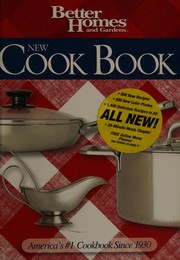
My friend kept her copy next to the toaster, and you could spot it from the doorway. Red and white checks, metal rings, pages puffed out with extra cards tucked in. The cookie chapter fell open on its own because the binding was soft there, and there was a faint brown ring on the banana bread page that no one bothered to clean. I borrowed it one rainy weekend to make dinner and ended up reading it like a magazine. The copy I describe here is the 14th edition, published by Meredith Books in 2006, with 656 pages and ISBN 9780696224034. The work itself first appeared in 1930 from Meredith in Des Moines, and it has been revised many times since.
I had expected something stiff and old fashioned. What I found was plain talk. Short ingredient lists. Steps that tell you what the food should look like. Little boxes that warn you when the heat is too high or the dough is too wet. It felt like someone standing nearby while you cook, not grading you, just keeping you from burning the onions.
Where this red checked book came from
Better Homes and Gardens started as a magazine. It began in 1922 as Fruit, Garden and Home, from publisher Edwin Meredith in Iowa, and took the Better Homes and Gardens name in 1924. The editors ran recipe contests early on, with small cash prizes, and readers sent in thousands of cards. By 1928 the company had set up a test kitchen, which was unusual then. Home cooks trusted the magazine because the recipes had been made more than once and the amounts were written down with care.
The first book came in 1930, in the early months of the Depression, under the title My Better Homes and Gardens Cook Book. The magazine ran a full page ad that made a bold claim, that no cookbook quite like this had existed before. It sounded like sales talk, but cooks responded fast. The book reached best seller lists within about three months. By 1938 the company had sold a million copies. That number is repeated in the company history and in later introductions, and it still surprises me given how tight money was in those years.
Part of the appeal was physical. The book used a ring binder so it would lie flat on the counter. There were tabs to find chapters fast, and blank pages at the back for your own notes. The magazine even printed extra recipe pages you could tear out and add. If you grew up with a parent who kept recipe cards in a tin, this will feel familiar. It was built to be added to, stained, fixed with tape.
Each decade left marks on the pages. During the 1940s the book carried wartime help, including a supplement about ration points and oven meals where meat, vegetables, and dessert baked together to save fuel. The 1950s brought backyard grilling, chilled salads, party foods, and dishes like chicken divan that showed up at gatherings and church suppers. Editors from that period are even credited with helping spread the phrase tossed salad, which tells you how much sway the magazine had.
The 1960s widened the flavors. You start to see chicken cacciatore, chicken Kiev, and other dishes that pointed outside the Midwest. Fondue pots showed up for casual parties. The 1970s pulled back toward budgets, with cheaper cuts, beans and whole grains, granola and yogurt, plus help from new machines like slow cookers and microwave ovens. In the 1980s the editors dropped much of the formal table setting advice because few readers were hosting stiff dinners. They added nutrition numbers to recipes, which was new for many home books. The 1990s added speed flags and prep times, plus foods people were ordering in restaurants, like focaccia and tiramisu and baked brie.
Later revisions kept going, with a 15th edition around 2010, a 16th in 2014 with more than 1,200 recipes, and a 17th later in the decade. Total sales are often given as more than 35 or 40 million, depending on the year. The 1993 Midwest floods destroyed much of the company archive, and readers mailed in old copies to help rebuild it.
My copy is from 2006, so it sits before the all photo books of the 2010s. It still mixes drawings with color photos, and the tone is practical rather than showy.
How the book is put together
Open the rings and the first thing you meet is Cooking Basics. Do not skip it. It covers setting up a kitchen, choosing pans and knives, storing food safely, measuring flour without packing it down, and what terms like simmer, braise, and fold mean in practice. There are charts for oven temperatures, meat doneness, pasta shapes, bean soaking times, and emergency swaps when you run out of baking powder or buttermilk. I have used the swap chart more times than I can count.
After that, chapters run in the order you would plan a meal. Appetizers and snacks. Soups and stews. Salads and dressings. Meats, then poultry, then fish and shellfish. Eggs and breakfast. Breads and rolls. Cakes, pies, cookies, desserts. Then grilling, slow cooker meals, preserving and canning, plus menus and entertaining help. Tabs stick out on the side so you can flip with wet hands, which matters more than it sounds.
Each chapter starts with a short lesson. The bread chapter, for example, explains yeast, proofing, kneading, and how to tell when a loaf is done by tapping the bottom. The meat chapter shows cuts on simple diagrams and gives times per pound plus rest times. The baking chapters list pan sizes and how to adjust when you only own the wrong one. I wish more cookbooks did this. You get the recipe, plus the reason behind it.
Recipes follow the same shape. Name at the top. Short headnote. Prep time and number of servings. Ingredient list in order of use. Numbered steps. At the bottom, nutrition numbers and a few icons. In this edition the icons flag ideas like fast, low fat, vegetarian, or a longtime favorite. Photos sit near the harder recipes, not every single one, so you still have to read. Tips appear in the margins. Secrets to Success boxes point out the one move that keeps a dish from failing, like chilling pie dough or patting chicken dry before searing.
The binder matters. You can pull out a chapter to take to the store. You can slip in a printed family recipe behind the matching tab. My friend had her grandmother pie crust card behind the pie section, held with a paper clip, plus a handwritten note that said use less water in winter. That kind of addition is exactly what the design invites.
If you are new to cooking, start with Cooking Basics, poultry, and cookies. The chicken charts are forgiving, and cookie ratios teach creaming, chilling, and timing fast.
What it actually teaches you
This is a teaching book first and a recipe file second. It assumes you want to get better with practice. The lessons repeat in quiet ways. Season as you go. Taste broth before you serve it. Preheat fully. Rest meat. Cool cookies on the rack instead of the pan. None of this is fancy, but strung together across 600 pages, it builds a cook.
Heat gets a lot of attention. The book explains direct and indirect grill heat, why a crowded pan steams instead of browns, and how to lower a boil to a simmer without losing time. It shows how to test oil with a breadcrumb, how to keep eggs from scrambling in a hot soup by tempering, and how to hold whipped cream just short of butter. I burned less garlic after I started following its timing for sauteing, which is shorter than I had guessed.
Measuring gets the same care. Flour is spooned and leveled. Brown sugar is packed unless noted. Liquids are read at eye level. The book reminds you that baking is less forgiving than soup, so small errors matter more in cakes. That one paragraph saved my banana bread, which had been gummy in the middle for years because I was scooping flour straight from the bag.
Planning is another thread. Each main dish chapter includes simple menu ideas. The entertaining section talks through timing a meal backward from serving, which dishes can wait, and which cannot. There is advice on thawing, leftovers, packing lunches, and stretching a roast chicken into soup the next day. Some of it sounds plain now, but for a new household it removes a lot of worry.
The tone stays calm about mistakes. If bread slumps, check water temperature and yeast date. If gravy lumps, whisk in hot stock a little at a time or pour through a strainer and keep moving. If cookies spread too thin, chill the dough and check oven heat with a thermometer. I like that it names the fix instead of scolding. My copy has a pencil star next to the gravy page, which tells you where I have been.
You also learn thrift without a lecture. The book suggests freezing stock in small tubs, saving bacon drippings in older printings, turning stale bread into crumbs, and using pickle brine in dressings. Not every tip fits how I eat now, but the habit of using what is open before buying more has stuck.
The recipes everyone seems to make
Certain pages wear out first, and you can guess why. The chocolate chip cookies. The banana bread. The white cake that started as a good plain cake batter in 1930 and kept its shape through later books with butter instead of shortening and all purpose flour instead of cake flour. Brownies. Pie crust. Meatloaf. Deviled eggs. Cinnamon rolls. Chicken and noodles. The bread pudding that uses up old buns.
The cookie section shows the method well. Cream butter and sugar until light. Add eggs one at a time. Stir dry goods in by hand at the end, just until mixed. Scoop even mounds. Cool briefly on the sheet, then move. The book gives storage times and freezer notes, plus spins like oatmeal raisin, peanut butter, and snickerdoodle that share the same base moves. When my batch spread too far, the margin note about warm sheets proved right. I had been reusing a hot pan without cooling it.
Chicken appears in many forms, and you can trace the years through it. There is plain roast chicken with pan juices, oven fried chicken coated in crumbs, chicken divan with broccoli and a creamy sauce from the party era, and later style skillet meals with salsa or mustard. The charts give minutes per pound and safe internal temperatures, plus how to poach without toughness. I still use the poaching page when I want shredded chicken for soup.
Beef and pork stay middle American in this edition. Pot roast with carrots and onions. Meatloaf with a ketchup glaze. Pork chops with pan apples. Sloppy joes. Kielbasa with peppers for a crowd. Nothing here tries to impress a restaurant critic. The aim is tender meat, clear juices, and enough to feed six without stress.
Vegetables get straight treatment. Green beans with almonds. Glazed carrots. Baked potatoes with crisp skins. Corn on the cob with flavored butters. Tossed salads with homemade croutons. The dressing formulas are short and balanced, oil and acid with mustard or garlic, and they beat bottled dressing without much work.
Baking is where the test kitchen voice shines. Pie dough is rubbed to pea sized bits, rested cold, rolled from the center, and patched without shame. White bread is kneaded until smooth and springy, risen until doubled, punched down, shaped tight. The troubleshooting notes name the usual faults, from tunnels in muffins to sunken cakes, and give causes in plain words. My pie edges stopped shrinking once I stopped stretching the dough to fit.
Canning and preserving sit near the back. This edition covers jams, pickles, tomatoes, and freezing, with headspace and processing times. Treat those pages as a starting point and check current official guidance before you seal jars, since safety rules have been updated since 2006. More on that below.
How I use it without cooking like it is 1965
I do not cook cover to cover. Almost no one does with a book this size. I use it as a base and adjust.
My routine is simple. On Sunday I pick one main, one vegetable, and one bake. I read the whole recipe first, including the headnote and the tip box, then I shop from the list. At the stove I keep the book open with a spoon rest holding the rings. Pencil marks track what worked. A check means make again. A line through a spice means less next time. A date in the corner tells me when I last made it.
The icons help on busy nights. Fast flags point to 20 minute meals and skillet suppers. Low fat flags point to broiled fish, bean soups, and fruit desserts, though I read those with care now. Favorite flags often match the worn pages, which is a good sign. If a recipe has all three, it is usually worth trying.
I lean on the front and back more than I expected. The substitution chart rescues me when I am short an egg or need self rising flour. The herb chart keeps me from doubling rosemary when thyme would be softer. The meat charts keep roasts on track. The menu ideas keep me from serving three starches at once, which I have done.
A few habits make the book work better today. I cut salt by tasting first. I swap canned soup in some casseroles for stock plus a quick flour thickener. I add more vegetables to skillet meals. The methods stay the same, only the amounts move.
For beginners, I suggest this order. Roast a chicken using the chart and make pan gravy. Bake the banana bread and note your oven heat. Cook a pot of vegetable soup and practice seasoning in small pinches. Each one teaches a skill you will reuse.
For experienced cooks, the value is speed. Need a white sauce ratio. Need a brine. Need a frosting that sets. The answers are short and tested.
One small warning from use. The rings can pinch. Photocopy or write out the recipe if you are frying and splattering. Or slip the page into a clear sleeve. My friend learned this after a tomato sauce pop dotted her salad chapter. We still laugh about it, but the spots never left.
What feels dated and what to check
No book that spans from 1930 to 2006 escapes its time, and this one shows it. The clearest spot is nutrition advice. The 1980s and 1990s push toward low fat and fat free left marks, with sugary fat free cookies, heavy use of canned condensed soups, and margarine in places where most cooks now use butter or olive oil. Sodium runs high in some casseroles and seasoning packets. Sugar runs high in some breads and salads that do not need it. If you follow the book exactly every night, you may eat more salt and refined carbs than current guidance suggests.
I handle this by reading labels and tasting. I rinse canned beans. I pick low sodium stock. I halve added sugar in dressings and slaws first, then adjust. I keep the method and change the amounts. The book itself moved this way over time, adding fruit and vegetable guides and lighter options, but a 2006 printing still reflects its era.
A second dated note is variety. This edition widened beyond meat and potatoes, yet the global shelf is thin by current standards. You will find tacos, stir fries, and curry style skillets, but the seasoning is mild and the pantry stays American grocery store. If you cook a lot of Sichuan, Thai, Indian, or West African food, you will need other books for depth. I see this edition as a solid base for technique, not a map of world flavors.
Entertaining advice also leans formal in spots. There are aspics and molded salads that few people under forty make without irony. Table setting diagrams feel frozen in time. I skip those pages without guilt. The timing advice still helps, though. Planning backward from serving never goes out of style.
Equipment has moved on too. My 2006 copy gives good slow cooker help, but it predates the air fryer and the electric pressure cooker boom. If those machines are central to your kitchen, flip through a newer printing at the library before you buy.
Safety needs a special note. Do not rely only on 2006 canning times and pressure rules. Use the book for method and proportions, then confirm processing times, acidity, and headspace against current national preservation guidance or your local extension service. The same care applies to meat temperatures. My copy temps are mostly fine, but I still check with a thermometer and current charts, since guidance has shifted on pork and poultry rest times.
None of this makes the book unusable. It makes it normal. A reference that old should be read with eyes open. I trust its ratios, its charts, and its plain warnings. I double check its health claims and its jar sealing times. That split has served me well, and my pencil notes show where I landed.
My stained cookie page still falls open. The rings still click. When a neighbor asks for a first cookbook that will last, I point to the red checks and tell them to write in it. Add the winter water note. Clip in the family card. Let it puff out. A book that lies flat and takes notes earns its spot by the toaster.
FAQ
Which edition of Better Homes and Gardens New Cook Book should I buy?
The post describes the 14th edition from Meredith Books in 2006 with 656 pages and ISBN 9780696224034. Newer 16th and 17th editions add more photos and newer tools, so compare at the library before you buy.
Is this cookbook good for beginners?
Yes. The Cooking Basics chapter, meat and baking charts, and margin tips explain measuring, heat, and timing in plain steps. Start with roast chicken, banana bread, or vegetable soup.
Can I trust the 2006 canning times today?
Use it for method and proportions, then confirm processing times, acidity, and headspace against current national preservation guidance. Safety rules and meat temperatures have changed since 2006.
Similar books
How to Cook Everything: Simple Recipes for Great Food
Bittman's 1998 doorstop taught a generation that dinner is a technique, not a recipe, with master recipes and variations instead of rigid instructions.
2,027-word summary · 9 min read
The Joy of Cooking
First self-published in 1931, this one-volume kitchen teacher shows how to learn skills, follow its action format, and pick an edition.
2,591-word summary · 12 min read
My Life in France
Julia Child's memoir of learning to cook in Paris, testing recipes for nine years, and becoming the teacher who changed how America thought about French food.
2,038-word summary · 9 min read
At Home: A Short History of Private Life
Bill Bryson tours his own Norfolk rectory room by room to explain how private life and the modern home got built.
2,334-word summary · 10 min read
Julie and Julia: 365 Days, 524 Recipes, 1 Tiny Apartment Kitchen
Stuck at thirty in Queens, Julie cooks all 524 Julia Child recipes in a year and blogs it.
2,834-word summary · 13 min read

The Hunger Games Tribute Guide
The official 2012 companion to the first Hunger Games film profiles all twenty-four tributes and walks through the reaping, training, and interviews.
2,092-word summary · 9 min read
This Time Next Year
Two women give birth minutes apart on New Year's Day 1990, and one takes the other's lucky name. Thirty years on, their children meet again.
2,194-word summary · 10 min read
The Magnolia Story
How Chip and Joanna Gaines met, closed their first shop, nearly lost everything in a housing development, and built Fixer Upper.
2,994-word summary · 13 min read
Eats, Shoots & Leaves
Truss defends commas with jokes about pandas and posters.
2,423-word summary · 11 min read
Animal, Vegetable, Miracle: A Year of Food Life
A family eats only local for a year from their Virginia farm.
2,270-word summary · 10 min read
In Defense of Food
Pollan argues we stopped eating food and started eating nutrients, and offers a plain way back.
2,320-word summary · 10 min read
Chocolat
A single mother opens a chocolate shop opposite the church during Lent, and a divided French village must choose between pleasure and piety.
2,272-word summary · 10 min read
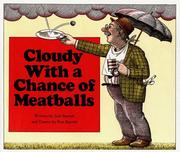
Cloudy with a Chance of Meatballs
A grandfather tells of Chewandswallow, where soup rains and meatballs fall, until giant food storms force everyone to flee.
2,873-word summary · 13 min read
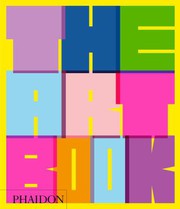
The Art Book
An A to Z of 600 artists with one key work each, built for browsing and learning to look.
2,230-word summary · 10 min read
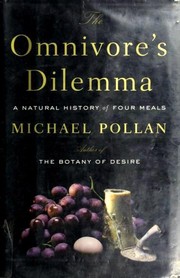
The Omnivore's Dilemma
Four meals traced from corn fields to foraging show what industrial food costs and what else is possible.
1,918-word summary · 9 min read
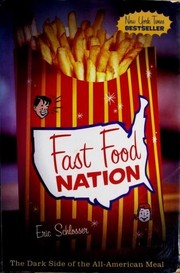
Fast Food Nation
Fries, burgers, and meatpacking traced from stands to slaughterhouses show cheap food true price.
1,938-word summary · 9 min read
Under the Tuscan Sun
Frances Mayes and her husband Ed restore an abandoned villa near Cortona, learning its stone walls, markets, and seasonal cooking one room and one meal at a…
2,619-word summary · 12 min read
The Life-Changing Magic of Tidying Up: The Japanese Art of Decluttering and Organizing
Marie Kondo teaches the KonMari method: keep only what sparks joy, tidied by category for a lasting home reset.
2,413-word summary · 11 min read
Like Water for Chocolate
Tita expresses forbidden love for Pedro through meals in revolutionary Mexico.
2,590-word summary · 12 min read
Kitchen Confidential: Adventures in the Culinary Underbelly
Bourdain on rough kitchens, past drug use, Les Halles years, and why you should never order fish on Monday.
2,562-word summary · 11 min read
The Story of Art
Gombrich traces art from cave painting to modernism with clear stories and famous images.
2,520-word summary · 11 min read

Crying in H Mart
Japanese Breakfast singer Michelle Zauner remembers her Korean mother through food, grief, and growing up in Oregon.
2,337-word summary · 10 min read
Green Eggs and Ham
Sam-I-Am will not stop asking until his friend tries green eggs and ham.
1,977-word summary · 9 min read