
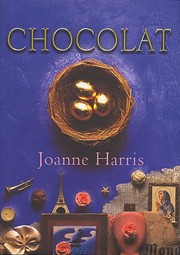
Chocolat
2,272-word summary 10 min read 394 pages in the book
- First published
- 1999
- Publisher
- Doubleday
- Pages
- 394
- ISBN
- 9780385410649
- Series
- Chocolat (#1)
Reading options
What's inside (8 sections)
I came to Chocolat sideways, through the film the way most people my age did. Juliette Binoche smiling behind a shop counter, Johnny Depp with a guitar on a boat, a French village that looked dipped in honey. The movie is sweet and I still like it. The book is stranger and warmer and a little darker, and it stayed with me longer than I expected. It was first published in 1999 by Doubleday and runs 394 pages in that first hardback edition, and it opens with one of my favorite arrivals in fiction: a woman and a six year old girl blowing into town on carnival wind, just as Lent begins.
The woman who arrives with the wind
Vianne Rocher does not drive into Lansquenet-sous-Tannes so much as land there. The village sits in the southwest of France, on an imaginary river, and nothing much has changed there in a hundred years. Vianne rents a disused bakery directly opposite the church, moves in with her daughter Anouk, and starts turning it into a chocolate shop. La Celeste Praline, she calls it. The timing could not be worse, or better, depending on how you look at it. She opens during Lent, the season when the whole village is supposed to be giving things up.
Anouk is six, bright, watchful, and accompanied everywhere by Pantoufle, an imaginary rabbit. Harris based Anouk partly on her own small daughter, and it shows in the small true details: the way Anouk names things to keep them safe, the way she listens at doors. Vianne herself is tall and dark-haired, and the book describes her dark eyes as almost pupilless. She does not go to Mass. She has no husband and offers no explanation for that. She is, in every way that matters in Lansquenet, an outsider. And outsiders notice things.
The book is told in two alternating first person voices. Vianne tells her half. The other half belongs to Francis Reynaud, the young village priest, who writes his sections as a kind of confession to an unseen superior. I found this structure quietly clever. You get the warmth of Vianne's chapters, all scent and flavor and people, and then the chill of Reynaud's, all order and dread. Neither narrator is lying exactly. They just live in different villages that happen to share a square.
What Vianne's mother taught her
Vianne's mother was, in Vianne's own word, a witch. Not the pointy hat kind. She read cards for money, mixed folk remedies, and moved herself and her daughter from city to city whenever the wind changed. Vianne grew up with charms and sayings and a whole private folklore, including a figure called the Man in Black who stood for everything rigid and punishing in the world. When her mother died of cancer, Vianne kept moving on her own, trying to outrun both grief and that old fear, looking for somewhere she could stop.
The magic in this book is deliberately small. Harris once said that if something works you do not have to name it, and the novel holds to that. Vianne does not cast spells over her customers. She pays attention. She has a gift for sensing what a person actually wants, often something they would never ask for out loud, and matching it with exactly the right chocolate. A shy widower gets something gentle. A woman starved of affection gets chili and heat. It sounds precious described cold like that, and I worried it would read as gimmick. On the page it mostly reads as care. The shop becomes a confessional without the grille, which is exactly why the priest across the square cannot stand it.
There is a lot of food writing here and I will be honest that some readers bounce off it. Kirkus famously called the book cloying, and if long passages about ganache and candied peel make your eyes glaze, this novel will test you. For me the food talk earns its place because it is never only about food. Every box Vianne wraps is an argument that pleasure is not a sin. That is the whole fight of the book in miniature.
The priest across the square
Reynaud is in his thirties, serious, thin with fasting, and entirely under the sway of his predecessor Pere Michel, whose standards no living person could meet. He keeps lists. He notices who attends Mass and who slips away to the chocolaterie. At first his campaign against Vianne is almost procedural: a sermon here, a word with the shopkeepers there. Then it turns personal. He leans on the cautious and the respectable, Caroline Clairmont above all, and a quiet boycott takes shape. Certain villagers cross the street rather than pass the shop window. The local paper prints an anonymous denunciation. It would be easy to play Reynaud as a cartoon villain, all cassock and frown, and Harris deserves credit for not quite doing that. His chapters show a man raised on fear, still trying to win the approval of a dead mentor, mistaking control for holiness. You can dislike everything he does and still feel the draft coming off him.
What makes him frightening is how ordinary his tools are. He never raises his voice. He organizes. He suggests. He lets other people do the shunning while he keeps his own hands folded. Small towns run on permission, and Reynaud understands that whoever grants it rules the place. Vianne threatens him not because she argues theology but because she offers an alternative permission: to enjoy things, to gossip over coffee, to be unhappy out loud. Every customer who laughs in her shop is a small crack in his wall.
I should say the middle of this fight dragged a little for me. There are several rounds of sermon and counter merry making, and Reynaud's chapters can feel like variations on one note of dread. The book is 394 pages and there is a stretch around the two thirds mark where I wanted someone, anyone, to act instead of brood. Then someone does, and the last hundred pages move like a cart with cut ropes.
Armande, Josephine, and the man with the dog
The heart of the novel is not the feud. It is the regulars.
Armande Voizin is eighty something, widowed, blunt as a doorstep, and my favorite character by a distance. She is the first in the village to see what Vianne means and to say so. Armande is estranged from her respectable daughter Caroline, who has decided her mother is a bad influence on thirteen year old Luc and keeps the boy away. So Armande starts meeting her grandson in secret at the chocolate shop, and these scenes are done with such tenderness that I found myself reading slowly to put off what I sensed was coming. Armande has diabetes and knows exactly what rich food costs her. She orders anyway. There is a defiance in her appetite that the book treats with complete seriousness: this old woman, told to be careful and quiet and grateful, choosing flavor instead.
Then there is Josephine Muscat, wife of the cafe owner Paul-Marie Muscat, who drinks and beats her. Josephine starts the book as almost a ghost, thin-voiced, stealing small things from her own till as if petty theft were the only choice she owned. Vianne sees her clearly and refuses to look away, and slowly Josephine starts spending afternoons in the shop, learning to laugh without checking the door first. Her path out is neither quick nor clean, which I respected. Courage in this book looks less like a speech and more like a woman packing a bag while her hands shake.
Guillaume Duplessis is the third of the circle, a gentle old man devoted to his ailing dog Charly, who visits the shop because Vianne is kind to both of them without making a project of either. There is a scene I keep thinking about where Guillaume simply sits with his dog asleep on his feet, drinking chocolate he cannot really afford, and nobody hurries him. It is the opposite of everything Reynaud's church offers him: no lesson attached, no attendance taken.
Caroline Clairmont, Armande's daughter, deserves a word too, because Harris refuses to make her a villain. Caroline is exhausted, respectable, terrified of becoming her mother, and she parents thirteen year old Luc with obsessive care: the right friends, the right books, no rough edges. Luc, who stammers everywhere except at his grandmother's table, hides a love of strange dark stories that would horrify his mother. Watching Vianne slowly give both of them room, the boy to be odd and the mother to be tired, is one of the book's quieter pleasures. Nobody gets fixed. People get loosened. If you have ever been lonely in a new place, these chapters will get you. Harris writes belonging as something you practice, not something you find.
The river people and the fire
Midway through Lent a group of travelers moor their boats on the river. They are river people, itinerant workers with children and dogs and music, led in effect if not in title by a red haired man called Roux. The village reacts the way closed places do: shutters, complaints, a refusal of service organized with Reynaud's blessing. Vianne does the opposite. She welcomes them, takes her chocolate down to their fire, lets Anouk play with their children. Roux starts doing odd jobs for her and for Armande, fixing what the village lets rot.
This is where the book stops being only about chocolate and becomes about who counts as a neighbor. The travelers have done nothing except arrive, and that is enough. Harris draws the prejudice plainly, through gossip and small refusals rather than speeches, which makes it feel uncomfortably real. The ugliest man in the village is Muscat, and he proves it one night by setting a petrol fire on Roux's boat. Nobody is killed, but the boats have to move on, and the message is received. What Muscat does not expect is the consequence inside his own house. The fire is what finally shows Josephine who her husband is when no one is watching, and she leaves him. She moves into rooms above Vianne's shop, and the two women start planning the Easter chocolate festival together while Roux settles in a derelict building nearby to rebuild his boat.
I want to pause on Vianne and Roux, because Harris handles them with unusual restraint. There is attraction from early on, straightforward and adult, but Vianne has spent her life leaving, and Roux has spent his being told to leave. Neither reaches easily. Their trust builds through work shared and food shared and one long honest conversation at a time. When they finally come together, late in the book, it feels earned rather than plotted. The film softened all of this into romance. The novel keeps the rough edges: two wary people, a child watching everything, no promises made.
Easter morning in the window
Armande's birthday party is the chapter I will remember longest. Knowing her health is failing, Armande throws herself a farewell feast and invites everyone she loves: her grandson, Vianne and Anouk, Josephine, Guillaume, Roux and the travelers, the strays and misfits of Lansquenet gathered around one table. Vianne worries about what the rich food will do to her and says so. Armande brushes it off with the calm of someone who has made her decision. The party is loud and full and happy, the kind of evening where all the book's separate threads sit down together. After everyone leaves, Vianne and Roux walk out into the garden. And in the night, Armande dies in her sleep, on her own terms, after a last evening of exactly the life she chose.
Then comes Easter morning, and the strangest scene Harris ever wrote. Before dawn, Reynaud lets himself into the closed chocolaterie meaning to wreck the festival display. He has been fasting, praying, winding himself tighter for weeks. Alone among the stacked boxes and the great window arrangement of chocolate, something in him snaps the other way. He starts tasting. Then eating. By the time Vianne arrives he is sprawled in her window among the ruins of his own sabotage, smeared and stuporous, a priest in a chocolate shop window on Easter morning with his war in crumbs around him. It is funny and sad at once, and Harris plays it without cruelty. Vianne does not gloat. She helps him. The festival goes ahead and the whole village turns out, including people who crossed the street a month before, and it succeeds beyond anything Vianne planned.
The ending refuses to tie its ribbon. Vianne learns she is pregnant by Roux. Whether they will raise the child together, whether she will finally stay or hear the wind call again, the book leaves open. Sequels followed years later, but this first novel closes with Vianne still standing in her shop, still uncertain, still choosing day by day. I liked that. A neater finale would have betrayed everything the book argues, which is that a good life is improvised, not prescribed.
So who should read it? Anyone who likes food writing with feeling behind it, anyone interested in small town politics and church politics, anyone who roots for difficult old women. Anyone who wants nonstop plot should look elsewhere; this is a book of arrivals and afternoons, and its magic stays deliberately close to the kitchen. Read the film version after, not before. The movie is milk chocolate. The book has chili in it.
FAQ
Is Chocolat part of a series?
Yes. Chocolat is book one of the Chocolat series, followed by The Lollipop Shoes, Peaches for Monsieur le Cure, and The Strawberry Thief. A prequel called Vianne appeared in 2025.
How is the book different from the film?
The 2000 film with Juliette Binoche and Johnny Depp softens the story. The novel is darker, gives the priest his own narrating voice, and ends with Vianne pregnant and her future undecided.
Do I need to love chocolate to enjoy it?
No. The chocolate descriptions are central, but the story is really about tolerance, motherhood, and small town pressure. Readers who dislike long food passages should know they run through the whole book.
Similar books
More from Chocolat first, then related titles.
The Unmaking of June Farrow
A woman in a North Carolina flower-farming family walks through a red door into 1951, where she must solve her mother's disappearance and decide whether to…
2,701-word summary · 12 min read
Garden Spells
Two sisters reunite in their family home in Bascom, North Carolina, where an apple tree shows anyone who eats from it the biggest event of their life.
2,030-word summary · 9 min read
Like Water for Chocolate
Tita expresses forbidden love for Pedro through meals in revolutionary Mexico.
2,590-word summary · 12 min read
My Life in France
Julia Child's memoir of learning to cook in Paris, testing recipes for nine years, and becoming the teacher who changed how America thought about French food.
2,038-word summary · 9 min read
The Bookshop on the Corner
A Birmingham librarian loses her job, buys a van, and moves to the Scottish Highlands to run a mobile bookshop. Warm and bookish, with uneven pacing.
2,557-word summary · 11 min read

Act Your Age, Eve Brown
Eve Brown crashes into a Lake District bed and breakfast, breaks the owner's arm, and talks her way into his kitchen. A grumpy-sunshine romance about work,…
2,474-word summary · 11 min read
This Time Next Year
Two women give birth minutes apart on New Year's Day 1990, and one takes the other's lucky name. Thirty years on, their children meet again.
2,194-word summary · 10 min read

Indigo Ridge
A new police chief in a Montana town meets the founding family's eldest son in a bar, and one night later a body turns up under their cliff.
2,763-word summary · 12 min read

At First Sight
Jeremy and Lexie are married and expecting a baby when anonymous emails tell him the child may not be his.
2,317-word summary · 10 min read
True Believer
Jeremy Marsh, a science journalist who debunks paranormal claims, comes to a small North Carolina town and falls for a librarian who believes in things he…
2,125-word summary · 9 min read

Say You're Sorry
A widowed prosecutor defends the teenager accused of killing her babysitter, uncovering a small town's secrets and a killer hiding in plain sight.
2,116-word summary · 9 min read

Juniper Hill
Fleeing New York with her baby, Memphis takes a housekeeping job above Knox Eden's garage, and the grumpy chef becomes the first person she can rely on.
2,021-word summary · 9 min read

Delilah Green Doesn't Care
Delilah returns to Bright Falls to photograph her stepsister's wedding and falls for Claire, a bookstore owner and single mother, while a cruel bet threatens…
2,315-word summary · 10 min read

The Bridges of Madison County
A four-day affair between an Iowa farm wife and a photographer asks what a brief happiness is worth against family duty.
2,487-word summary · 11 min read
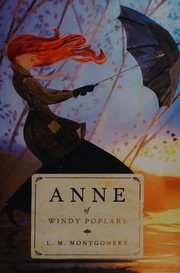
Anne of Windy Poplars
Anne spends three letter-filled years as principal of Summerside High, outlasts the Pringle clan, and warms a lonely vice-principal and a dreaming little girl…
2,599-word summary · 12 min read
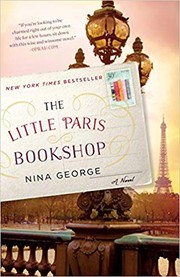
The Little Paris Bookshop
A Paris bookseller who prescribes novels as medicine finally opens a twenty one year old letter from his lost love and sails south through France to find her.
2,050-word summary · 9 min read
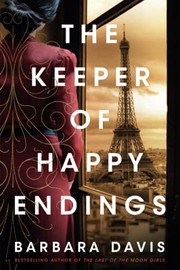
The Keeper of Happy Endings
Barbara Davis's 2021 standalone braids a Paris dressmaker's wartime losses with a grieving Boston artist who unlocks her family's secrets through an old row…
2,437-word summary · 11 min read
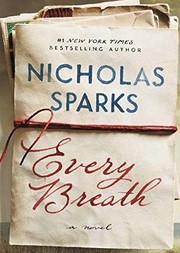
Every Breath
Two strangers share one week at Sunset Beach in 1990, part for duty, and reunite decades later at the mailbox that started it all.
2,357-word summary · 10 min read
The Finish Line
Tobias King seeks forgiveness from Cecelia as the Ravenhood past closes in.
2,868-word summary · 13 min read

Lovelight Farms
Stella fakes dating Luka to save her Christmas tree farm.
2,584-word summary · 11 min read
Never Too Far
Blaire flees Rosemary Beach after Rush's lies, then must decide if his pursuit and Nan's exposed schemes earn trust again.
2,626-word summary · 12 min read

The Simple Wild
City Calla flies to Alaska to face dying father and gruff pilot Jonah, learning bush life and love.
2,284-word summary · 10 min read

Secretly Yours
A bubbly Napa gardener sends anonymous love letters to her grumpy professor neighbor in this steamy small-town rom-com.
2,504-word summary · 11 min read
My Killer Vacation
A teacher and a bounty hunter share a Cape Cod rental with a corpse and a growing attraction.
2,625-word summary · 12 min read
Good Girl Complex
A people-pleasing college girl moves to beach town Avalon Bay and falls for a local boy who distrusts her whole world.
2,225-word summary · 10 min read
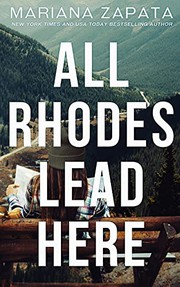
All Rhodes Lead Here
Grieving Aurora moves to Colorado to fix a farmhouse, finding slow healing with her gruff older neighbor Tobias Rhodes.
2,249-word summary · 10 min read
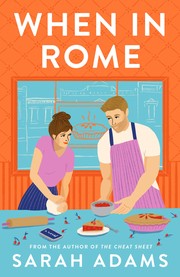
When in Rome
A burnt-out pop star hides out in small-town Kentucky and falls for the grumpy pie-shop owner hiding her.
2,495-word summary · 11 min read

The Wish
A dying photographer recalls 1996 Ocracoke first love and an adoption choice.
2,176-word summary · 10 min read
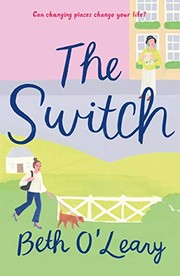
The Switch
A burned-out consultant and her 79-year-old grandmother swap London and Yorkshire homes for two months, facing grief, dating apps, and village politics.
2,782-word summary · 12 min read

The Longest Ride
A stranded widower relives his marriage while a Wake Forest student and a bull rider test new love in North Carolina.
2,488-word summary · 11 min read