
Reading options
What's inside (7 sections)
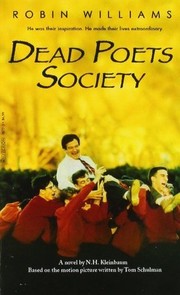
I first saw Dead Poets Society as a tired teen on a school night and stood on a desk after, alone, which tells you everything. N. H. Kleinbaum novelization, based on Tom Schulman film, was first published in 1989 with Hyperion. The Disney Hyperion edition runs 176 pages with ISBN 9781401308773. It is a standalone novel about Welton Academy boys and teacher John Keating who tells them to seize the day. It reads fast and plain. The film gives faces. The book gives quiet. Read both, but read first if you can.
Welton Academy, Vermont, 1959, all boys, blazers, tradition, honor, discipline, excellence. Four pillars on banners. Todd Anderson, shy, new, living in brother shadow, shares room with Neil Perry, bright, loved, trapped by father who plans his life to doctor. Knox Overstreet, awkward, loves a girl from afar. Charlie Dalton, bold, jokes to hide fear. Others round the group. They study, haze, recite. Then English class with John Keating, Welton alum, who walks in whistling, takes them to trophy case, tells them to hear dead boys whisper carpe diem. Make lives extraordinary.
Keating teaches unlike others. He stands on desks to see. He has boys rip textbook pages that rate poetry by math. He makes them walk differently to find voice. He assigns poems, soccer with verse, love letters. He tells them of his own Dead Poets Society, meeting in a cave to read Thoreau, Whitman, Shelley. Boys thrill. They restart the club in an old Indian cave off campus. Night, candles, poems, music, girls sneaked once. For the first time, school feels theirs, not parents.
Boys and pressures
Each boy carries a pressure specific to 1959 prep life that still rings. Todd fears speaking. His brother was valedictorian. His parents send desk sets, not praise. He writes a poem and cannot read it. Keating covers his eyes, makes him yell, coaxes a stream about truth. That scene, in film with Williams shouting, in book quieter, works because Todd finds sound. He later reads at club, voice shaking, proud. His growth from silence to standing on desk at end is the book spine. If you were quiet in school, Todd is you.
Neil carries brightest light and heaviest chain. He wants to act. His father wants Harvard doctor. Neil auditions for Midsummer Night's Dream as Puck without permission and wins. He lies to Keating about permission because he needs one win that is his. Performance thrills. Father finds out, pulls him, forces military school plan. Neil, who taught others to seize, cannot seize against father he loves and fears. His suicide, off page in book, reported plainly, devastates because Kleinbaum does not sensationalize. A gun in study. A knock. Silence. The club learns next day. Grief is handled in short sentences that hurt more than speeches.
Knox carries puppy love. He loves Chris, a cheerleader dating a jock. He writes bad poems, calls, gets rejected, persists respectfully, wins a little. His arc is comic relief with heart. He learns persistence without entitlement, mostly. Modern readers may cringe at some pursuit scenes. Read them as 1959 with 1989 eyes. The book frames consent lightly. Teachers should discuss. Knox growth from objectifying to listening matters, though incomplete.
Charlie carries rebellion. He publishes an article demanding girls at Welton, gets paddled, takes it proud. He brings girls to cave, blasts music, gets expelled first when trouble comes. His boldness inspires and costs. He refuses to sign against Keating at end, losing future. That refusal, quiet in book, is heroic. Other boys sign from fear. Todd does not. Standing on desks at end, O Captain, is their apology and thanks. I cried then and now writing it.
Keating himself is not savior. He inspires and underestimates risk. He tells boys to seize but not how to survive parents, school. After Neil death, administration needs scapegoat. Keating, untenured, odd methods, becomes it. He accepts with tired grace. He does not fight cruelly. He cleans office, takes books, nods to boys. His fault was loving poetry more than caution. The book does not excuse. It shows good teachers can harm by opening doors without warning about stairs. That nuance lifts it above inspirational poster.
School as machine
Welton as institution gets clear, fair treatment. Headmaster Nolan believes tradition saves boys. Teachers believe rigor builds men. Parents pay for Harvard. The machine works for many. It crushes some. Kleinbaum, novelizing Schulman script, keeps dialogue tight. Scenes move. Chapel, classes, dorms, cave. At 176 pages, no fat. Each chapter teaches, then tests. Poetry terms become life terms. Carpe diem starts as thrill, ends as cost. Sucking marrow is sweet until bones show.
The cave club chapters are warmest. Boys read poems, play music, talk about girls, futures, fears. They smoke a little. They laugh a lot. For Todd, cave is first place voice matters. For Neil, stage to rehearse freedom. For Knox, audience for bad verse. For Charlie, pulpit. Keating visits once, then leaves them to own it. That letting go matters. Clubs owned by kids survive teachers leaving. Welton cannot expel what it cannot find, until tragedy gives reason to search.
After Neil death, investigation scenes chill. Parents called. Boys questioned with threats of expulsion. Nolan demands signatures blaming Keating. Most sign. Charlie punched for refusing? In film yes. In book, handled quieter. Todd torn between truth and future. He signs, then lives with shame until final class where he stands. That stand redeems without erasing. He will still face discipline. He stands anyway. Moral courage costs and he pays willingly at last.
Fair criticism is needed. At 176 pages, prose is plain, novelization plain. Descriptions thin. Interiority limited to Todd mostly. Girls barely exist except Chris and a few. The book centers boys becoming, which reflects 1959 Welton but limits now. Suicide handling, though respectful, needs content notes. Do not hand to struggling teen without support. The film tie in nature shows. Scenes read as script directions. Still, story power carries. Plainness suits boys learning to speak. Fancy would lie.
Tevis? No, Kleinbaum style is serviceable. She was a journalist, not poet. She lets poems do beauty. Whitman, Herrick, Tennyson quoted. Keating lines shine because others are flat. That contrast works. When Todd finally writes a true poem, it stands out for being clumsy and real. Teachers can use this. Let kids write badly first. Truth before polish.
Who should read it
Ages ten to fourteen and up as publisher says, grades five to nine, but suicide theme pushes older. Ten year olds should wait. Fourteen and up with discussion fits best. There is suicide, pressure, mild romance, no explicit sex, mild language. Schools assign it for good reason. It teaches voice, pressure, choices. Pair with film after reading. Compare what faces add. Discuss what Keating got wrong as well as right. Ask when seizing harms. Ask how to help friends who go silent like Neil. Keep counselor numbers handy, not as scare, as care.
I closed it wanting to call my English teacher who let me write weird. I did. She laughed and said she still has my poem. We all have a cave somewhere. Keep it. Invite quiet kids. Read aloud. Stand on chairs once, safely, to see. Carpe diem is not about dying young. It is about living awake while you can. Welton boys learned too late for Neil, just in time for Todd. Learn sooner. Seize gently. Stay.
Keating, Nolan, and teaching
Keating teaching methods deserve detail because they are the book manual. Rip the introduction that rates poetry by math. Stand on desks to see new angles. Walk in courtyard to find stride. Yell a barbaric yawp over the fence. Each exercise breaks one rule to teach one freedom. Ripping pages teaches criteria matter more than scores. Standing teaches perspective shifts thought. Walking teaches voice lives in body. Yawping teaches sound before sense. None are tricks. All have writing behind. When Todd freezes, Keating does not give him words. He covers his eyes, asks what he sees, feeds images back until poem comes. That Socratic coaxing is master teaching. Good teachers do not pour. They draw.
Nolan counter teaching also deserves fair reading. Tradition, honor, discipline, excellence are not empty to him. They built men who built bridges. He believes boys need structure before freedom. He is not wrong, only incomplete. When he paddles Charlie, he follows rules. When he fires Keating, he protects school. His failure is mistaking order for care. After Neil death, he needs a cause to tell parents. Keating oddness fits. He chooses institution over person. Many administrators would. The book does not make him monster. It makes him tired man who chose safety. Recognize him in meetings where covering matters more than truth. Do not become him when you lead.
Parents as teachers extend theme. Neil father loves through control. He plans Harvard doctor life because he never had chances. He hears acting as failure, not joy. When Neil lies about permission, father feels betrayed, not curious. His confrontation, cold and final, comes from fear his son will waste gifts. He is wrong and loving at once. Todd parents love through distance. Desk sets instead of praise. They mean well and miss. Knox parents love through rules about girls. They relent a little when he persists respectfully. Each home teaches seizing or sitting. Keating cannot override eighteen years in a semester. He can only open a cave where boys practice different. Practice matters even when homes do not change. Todd stands at end because cave taught stance, though home still silent. That limited win is honest about teaching limits.
Cave, poems, and standing
Cave meetings need sensory detail because they are the book warmth. Damp stone, candles dripping, blankets stolen from dorms, poetry books propped, music low. Boys read Thoreau about sucking marrow. They read Whitman about yawps. They read Shelley about masks. Todd reads his own verse about truth, voice shaking, friends silent in respect. That silence after a quiet boy speaks is the book best sound. Louder than applause. Neil plays Puck with sticks as swords. Knox reads love poems to Chris photo. Charlie conducts with flashlight. They are silly and sacred at once. Anyone who had a basement band, a garage club, knows. Caves make selves.
Poems chosen matter. Herrick to gather rosebuds fits teens told to wait. Tennyson Ulysses to strive fits boys told to sit. Whitman yawp fits Todd learning sound. Byron She Walks fits Knox love. Puck epilogue about dreams fits Neil who will not wake. Keating picks with care, not randomly. He matches poem to boy need. Teachers should steal this. Match text to kid, not curriculum. When Todd cannot write, Keating does not assign easier. He covers eyes and asks what he sees. That image first method works for blocked writers of any age. See, then say. Do not think first. Think after sound. I use it with students still. Close eyes. What do you see. Speak. Write that. Revise later. Voice before polish.
Standing on desks at end redeems without erasing. Todd stands first, though expulsion threatens. Others follow, some hesitate, some sit. Nolan orders them down. Keating nods thanks and leaves. That tableau, boys standing while master exits, reverses first class where master stood while boys sat. Learning completed. They see from his height now. They will be punished. They stand anyway. Moral courage costs and they pay willingly at last. The book ends there, not with graduations. Rightly. Seizing is stance, not prize. Keep standing after pages close and invite quiet kids with you always. Todd voice, once hidden, now leads others to speak. Keating leaves but lessons stay in cave echoes. Welton continues, changed slightly because boys stood. That slight change matters more than prizes. Seize gently. Stay kind. Make lives extraordinary in small daily acts of courage.
Caves still exist. Find yours in a library corner, a late bus, a kitchen after dishes. Invite one quiet friend. Read a poem aloud badly and laugh. Then read again better. Standing starts with sitting together. Keep the club small and honest. It will hold when school pressures rise.
FAQ
When was Dead Poets Society published?
Hyperion first published it in 1989. The Disney Hyperion edition runs 176 pages with ISBN 9781401308773.
Is it part of a series?
No. It is a standalone novelization of Tom Schulman film.
What age is it for?
Ages 10 to 14 and up fits best. There is suicide, pressure, and mild romance.
Similar books
Harriet the Spy
Eleven year old Harriet Welsch fills notebooks with honest, often cruel observations about her neighbors, until her classmates read one and turn her spy route…
2,510-word summary · 11 min read
My Ántonia
Jim Burden recalls his Nebraska boyhood beside Bohemian friend Antonia Shimerda, from prairie farms to town work and a late return.
2,918-word summary · 13 min read
Anne of the Island
Anne leaves Avonlea for Redmond College, shares Patty's Place with friends, and learns to tell admiration apart from love.
2,766-word summary · 12 min read
Anne of Avonlea
Anne teaches at sixteen, adopts twins, and learns that fixing Avonlea takes patience.
1,909-word summary · 8 min read
Stargirl
Leo Borlock likes blending in until homeschooled Stargirl Caraway arrives at Mica High with a ukulele, a pet rat, and kindness that tests them both.
2,980-word summary · 13 min read
I Know Why the Caged Bird Sings
Angelou recalls Stamps, St Louis and San Francisco, from childhood silence after trauma to voice through books and work.
2,607-word summary · 12 min read
The Outsiders
Outsiders retold: Ponyboy and greasers vs Socs, church fire, rumble, stay gold ache.
2,067-word summary · 9 min read
Brown Girl Dreaming
Jacqueline Woodson retells her childhood in verse, moving from Ohio to South Carolina to Brooklyn while the civil rights movement reshapes the world around her.
2,727-word summary · 12 min read

Anya's Ghost
A lonely Russian immigrant falls into a well, befriends the ghost trapped there, and discovers that the ghost's help comes with a dangerous price.
2,001-word summary · 9 min read
The Power of One
A boy in apartheid South Africa decides to become welterweight champion of the world, and the novel follows every mentor, fight, and loss that gets him there.
2,145-word summary · 10 min read

Little Town on the Prairie
In the spring after the Long Winter, fifteen-year-old Laura sews shirts, studies for a teaching certificate, and helps send her blind sister Mary to college.
2,071-word summary · 9 min read

Dumplin'
Willowdean Dickson enters her town's beauty pageant as a protest and discovers that confidence is harder to keep once she lets someone close.
1,922-word summary · 9 min read
Hard Luck
Rowley has a girlfriend, so Greg turns to a Magic 8 Ball, a family Easter hunt and the school yearbook for answers.
2,586-word summary · 11 min read
Five Point Someone: What Not to Do at IIT
Three friends at IIT drift to a five-point GPA, mock the system, and break into a professor's office for an exam paper.
2,458-word summary · 11 min read
Clifford the Big Red Dog
Emily Elizabeth picks the smallest puppy in the litter, loves him as hard as she can, and wakes up to a dog the size of a house.
2,092-word summary · 9 min read

The Chosen
A shattered pair of glasses in a 1944 Brooklyn softball game starts a friendship between a Hasidic boy and his Orthodox neighbor, and their fathers pull them…
2,443-word summary · 11 min read
The Third Wheel
Greg tries to find a date for the Valentine's dance, ends up the third wheel in his own plan, and watches Rowley get the girl.
2,019-word summary · 9 min read
The Second Summer of the Sisterhood
Four friends share the traveling pants through a summer of grandmothers, first loves, and mothers who are learning to let go.
2,209-word summary · 10 min read
Sideways Stories from Wayside School
Thirty stories, one class per floor, and a teacher who turns students into apples: Louis Sachar's absurd school classic.
2,045-word summary · 9 min read

Doctor Zhivago
A doctor and poet lives through revolution, war, and love in Pasternak's novel of private life under the pressure of Russian history.
2,213-word summary · 10 min read

Aristotle and Dante Dive into the Waters of the World
Ari and Dante return for senior year in El Paso, navigating first love, AIDS, family grief, and the cost of being openly gay in 1987 Texas.
2,188-word summary · 10 min read
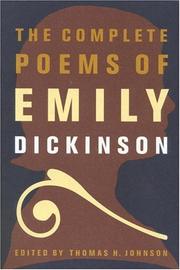
The Complete Poems of Emily Dickinson
Thomas H. Johnson's one-volume edition gathers all 1,775 of Emily Dickinson's poems in their restored texts, the standard reading edition since 1960.
2,191-word summary · 10 min read

Someone Like You
Halley and her best friend Scarlett face a summer of grief, a surprise pregnancy, and Halley's dangerous first romance in Sarah Dessen's 1998 young adult novel.
2,218-word summary · 10 min read
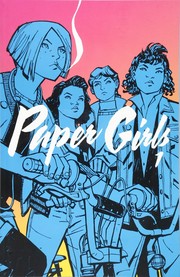
Paper Girls, Volume 1
Four paper girls in 1988 Ohio chase a stolen walkie-talkie into a basement and stumble into a time war, flying dinosaurs, and an older version of themselves.
2,235-word summary · 10 min read

Clap When You Land
Two half sisters, one in Sosúa and one in Queens, discover each other after their father dies in a plane crash, in Elizabeth Acevedo's novel in verse.
2,890-word summary · 13 min read

The Epic of Gilgamesh
Gilgamesh loses Enkidu, then seeks endless life past the flood.
2,246-word summary · 10 min read
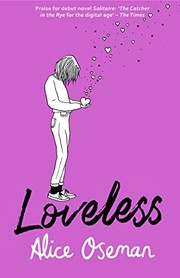
Loveless
Georgia starts university sure she wants love, then learns she is aro-ace.
2,539-word summary · 11 min read
Leaves of Grass
Free verse songs of self, America, bodies and democracy.
2,240-word summary · 10 min read
I Capture the Castle
Cassandra journals six months of love and money trouble in a castle.
2,402-word summary · 11 min read