
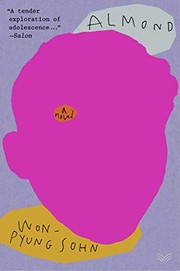
Almond
2,088-word summary 9 min read 259 pages in the book
- First published
- 2017
- Publisher
- HarperVia
- Pages
- 259
- ISBN
- 9780062961389
- Original title
- 아몬드
Reading options
What's inside (8 sections)
I picked up Almond because a friend said it reads like a fable that hurts, and that held true from the first pages. It follows Yunjae, a boy born with alexithymia who cannot feel fear or joy the way others do, growing up in Seoul with a mother and grandmother who teach him to act feelings he does not have inside. Translated by Sandy Joosun Lee, it moves simply and lands hard.
Yunjae cannot feel
Yunjae is born with an undergrown amygdala, the almond shaped part of the brain that signals emotion. Doctors call it alexithymia. He does not cry when hurt, does not laugh when tickled, does not fear bullies. Mother, who runs a used bookstore, and Grandmother, who cooks and scolds, build his life around coaching. When someone smiles, say you are happy. When someone cries, offer tissue. Flash cards with faces. Post it notes on mirrors. Routines for birthdays, funerals, first days of school.
Sohn writes this without making Yunjae cold. He notices details others miss because he watches instead of feeling. The exact shade of mother's tired hands. The way grandmother hums while cutting radish. He loves in actions rather than aches. Carrying bags, warming seats, memorizing schedules. That love is real though he cannot name it as flutter. Readers who expect interior monologues about angst should adjust. Yunjae reports like a careful camera that slowly learns to shake.
School is lonely in specific ways. Classmates call him robot. Teachers call him well behaved. He eats alone without minding until mother worries that not minding is itself a problem. One friend, a boy who likes comics, tolerates him until teen cruelty makes kindness costly. Yunjae records all this without self pity, which makes it sadder. He does not know he should be sad about being alone, so the reader feels it for him.
What I liked is how the book respects disability without curing it by love. Yunjae will not suddenly feel normally because someone hugs him. He learns to act more skillfully and to value the few feelings that do flicker. Fear late, anger late, affection in small warmths. Progress is measured in seconds of hesitation before walking away, not in tears. That restraint keeps the fable honest.
Christmas Eve attack
On Yunjae's fifteenth birthday, Christmas Eve, he goes out with mother and grandmother for noodles. A man with a knife, grieving his own family and lashing at the world, attacks strangers in the street. Grandmother dies shielding Yunjae. Mother is stabbed into a coma that lasts years. Yunjae, unable to feel terror even as blood pools, calls emergency with flat voice that dispatchers mistake for prank. He sits with bodies until sirens come because no one taught him what to do when coaching voices stop.
After, he lives alone in the family home with money from the store and checks from social workers. He cooks rice, waters plants, visits mother in hospital to read aloud though doctors say she cannot hear. Classmates whisper. Landlord pities. He continues school because routine is all he has. Sohn writes grief without Yunjae feeling grief, which sounds impossible and works. The absence where feeling should be becomes its own ache for readers. We cry where he cannot, and that division implicates us. Who feels for whom here.
The attacker gets a few humanizing pages without excusing. Unemployed, bereaved, psychotic, failed by clinics with waitlists. Sohn does not dwell, but the glimpse prevents simple monster talk. Violence comes from untreated pain meeting easy knives, not evil essence. Yunjae, who cannot hate normally, does not hate him. He studies the case file like homework to understand cause and effect. That study leads nowhere comforting, which is the point. Some harms have no lesson, only aftermath to manage.
A fair note is that the attack risks fridging women to grow a boy. Mother comatose, grandmother dead to isolate a teen male lead. Sohn softens this by giving both women full inner lives in flashbacks. Mother's bookstore choices, grandmother's wartime hunger stories, their arguments about raising Yunjae with rules versus love. They live on page before dying, not as props. Still, readers tired of dead mothers as inciting incidents should know going in. The book knows the trope and tries to honor rather than use, mostly succeeding through detail.
Gon arrives angry
Gon enters as the opposite wound. Handsome, volatile teen from a wealthy family that beat and neglected him, expelled from schools for fighting, full of feeling he cannot control. He bullies Yunjae for blankness, calls him defective, steals his bag to provoke. When Yunjae does not react as expected, Gon escalates until a fight leaves both bloody. Teachers punish both equally without asking why. Gon's mother pays to make complaints vanish. His father hits harder at home for embarrassment.
Odd friendship grows through violence and proximity. Gon seeks Yunjae out to taunt and stays to talk because Yunjae listens without flinching at ugly stories. Gon cries about a dead brother, about being hit for crying, about fearing he is bad. Yunjae offers tissue as mother taught, and Gon laughs through tears at the rehearsed gesture that still helps. They trade comics, share ramyeon, skip class to walk the river. Gon teaches Yunjae to run when angry rather than stand still. Yunjae teaches Gon to name feelings before fists. Both lessons stick imperfectly, which is how you know they are real.
Dora, a girl who likes both, adds warmth and complication. Bright, Catholic, curious about Yunjae's condition without romanticizing, she lends books and invites them to church bazaars. Gon likes her with desperate intensity that scares her. Yunjae likes her as first flutter he cannot name but records as stomach heat. No love triangle resolves neatly, which I appreciated. Dora chooses boundaries over rescue, befriending both while refusing to fix either. Girls in such stories often become prizes or therapists. Dora remains person with her own grief about a sick father that mirrors but does not match theirs.
School authorities fail both boys in familiar ways. Counselors with ten minute slots, punishments that reward bullies who know how to cry for parents, expulsions threatened to protect reputation before prom. Yunjae's condition is documented but misunderstood as defiance. Gon's record is read as danger rather than distress. Only one teacher, a worn out homeroom man who stays late, sees pair as wounded rather than bad and covers absences to give them room. That small mercy matters more than any program. Attention without forms.
Learning to want
The middle of the book tracks Yunjae learning to want things beyond routine, which for him is revolution. Wanting to see mother open eyes. Wanting Gon to stay out of jail. Wanting Dora to smile. Each want arrives as physical signal first. Stomach clench, hand shake, sleeplessness. He logs them like data, then acts. Visiting mother daily though no change. Taking blame for Gon's broken window to keep him enrolled. Running to stop Gon from beating a boy who mocked his brother. None of these are grand. All cost a boy who conserved energy by not caring.
Gon learns the opposite lesson. To want less destructively. To want a boxing gym rather than street fights. To want Yunjae's company without owning it. To want his mother's love without demanding it through threats. His progress is messier, with relapses that get him suspended and nearly arrested. Yunjae does not save him with speeches. He shows up at police stations with food, waits through lectures, walks home beside in silence. Presence as practice. It works slowly, then all at once when Gon chooses to walk away from a fight that would have expelled him for good. That choice, made while shaking, is the book's loudest triumph though no one claps.
Mother's long coma frames all this with quiet dread. Yunjae reads to her, plays radio, reports school meals. Doctors say talk helps though scans show little. Bills mount. Store rent lapses. Yunjae considers selling to pay care and hates himself for math that feels like betrayal. When mother finally wakes near the end, weak and confused, the scene avoids miracle beats. She does not speak wisdom. She asks for water. Yunjae cries for the first time, not from joy he names but from overflow his body finally allows. I cried too, less at reunion than at how small and enough it is. Water, name remembered, hand held without coaching card.
What the almond means
The title works on several levels without heavy underline. Amygdala, almond shaped, small as nut, governs fear and feeling Yunjae lacks. Almonds as food grandmother gave for memory. Almond blossoms in spring Dora draws. Sohn lets symbols stay light rather than hammering. Brains are not destiny here, though they shape. Yunjae's undergrowth explains difficulty without excusing cruelty or demanding pity. People with typical brains also fail to feel for others when convenient. The book asks who is really impaired. Boy who cannot name fear, or bullies who feel plenty and still harm. The answer is not simple, which is why the fable lasts beyond case study.
Critics sometimes call the book sentimental for its ending, where Yunjae pleads with a victim's family to forgive Gon and mother wakes. I found the sentiment earned because cost remains. Gon still faces record and anger management. Yunjae still cannot feel normally, only more often and with effort. Mother still needs rehab. No cure, just continuation with slightly wider feeling. The final image of two boys eating together without talking, comfortable in silence that once marked distance, says more than speeches about empathy could. Company as feeling made visible.
Read it if you like short novels that read like parables but stay concrete, if you teach teens about emotions, or if you want Korean fiction beyond thrillers. At under 250 pages in English it moves fast but asks slow thinking after. Pair with Flowers for Algernon for another take on minds that differ, or with The Curious Incident for another narrator who reports without typical affect. Almond is kinder than both to its lead, allowing growth without normalizing. Different brains can learn new routes without becoming typical. That is enough, the book says, and I believed it while finishing the last noodles scene hungry and a little more attentive to my own small almond working inside.
Bookstore, church, and town eyes
Mother's used bookstore gives the book its warmest rooms before loss. Shelves of donated novels, a corner for kids to read free, tea offered to browsers who buy nothing. Yunjae stocks, dusts, and memorizes where grief memoirs sit versus mysteries. Regulars include an old man who reads newspapers aloud, a student who steals poetry books and returns them with notes. That shop teaches Yunjae that stories hold feelings he cannot make alone but can borrow to understand others. When the store closes after the attack for lack of keeper, the loss is second home, not just income. Reopening later with Gon's help sweeping and Dora shelving becomes a community repair project that says healing can be stocked like shelves, one book at a time.
Church and school watch Yunjae with mixed pity and suspicion that Sohn captures without villainizing. Classmates invite then uninvite when silence feels rude rather than shy. Teachers seat him alone to avoid trouble, calling it accommodation. A pastor visits hospital to pray for mother and tells Yunjae feelings will come if faith is strong, a kindness that wounds by implying lack. Dora's church bazaar, where Yunjae volunteers carrying boxes, shows better faith in action. No one preaches at him. They hand him tasks and thank him by name. Belonging built through use rather than confession suits a boy who does with hands what others do with hearts. Town eyes soften when he is seen working rather than explained as diagnosis.
Neighbors in the apartment block form a chorus of practical care that avoids sentimentality. An elderly woman leaves soup at the door without knocking to spare pride. A convenience clerk lets Yunjae pay late and records debts in pencil he erases when mother wakes. A policeman on patrol checks the lock nightly after the attack without making it a case file to close. None of these people understand alexithymia. All understand a kid alone needs watching without smothering. Sohn honors that ordinary vigilance more than any expert intervention. Systems fail, neighbors persist in small ways that keep a boy fed and housed while feeling little. That persistence is the book's quiet argument for community over cure.
FAQ
When was Almond published?
Changbi published the Korean original in 2017. HarperVia published the English paperback on June 15, 2021 with 259 pages.
What is the original title?
Amondeu in Korean. The English title Almond refers to the brain's amygdala, small as an almond, tied to emotion.
What condition does Yunjae have?
Alexithymia, inability to identify feelings. Yunjae cannot cry or fear normally and learns cues by rote.
Similar books

Summer Sisters
Vix and Caitlin share Martha's Vineyard summers from age twelve into adulthood, through first love, grief, marriage, and a disappearance that still haunts Vix.
3,633-word summary · 16 min read

What Happened to Goodbye
Mclean has reinvented herself in four towns since her parents divorced. In Lakeview she uses her real name, and for the first time staying put becomes a choice.
2,796-word summary · 12 min read

Little Earthquakes
Four Philadelphia women meet during pregnancy and discover that new motherhood is nothing like the plan, while friendship becomes the thing that holds them…
1,997-word summary · 9 min read

Dumplin'
Willowdean Dickson enters her town's beauty pageant as a protest and discovers that confidence is harder to keep once she lets someone close.
1,922-word summary · 9 min read

The Second Summer of the Sisterhood
Four friends share the traveling pants through a summer of grandmothers, first loves, and mothers who are learning to let go.
2,209-word summary · 10 min read
On the Come Up
Bri Jackson, a sixteen-year-old rapper in Garden Heights, chases a record deal while a viral song turns her into a symbol she never wanted to be.
2,034-word summary · 9 min read

Aristotle and Dante Dive into the Waters of the World
Ari and Dante return for senior year in El Paso, navigating first love, AIDS, family grief, and the cost of being openly gay in 1987 Texas.
2,188-word summary · 10 min read

Someone Like You
Halley and her best friend Scarlett face a summer of grief, a surprise pregnancy, and Halley's dangerous first romance in Sarah Dessen's 1998 young adult novel.
2,218-word summary · 10 min read
Maame
Maddie Wright, 25, has spent years as the responsible one in her Ghanaian British family, and the year she finally tries to live for herself is the year…
2,108-word summary · 9 min read
How to Walk Away
Margaret Jacobsen has the job, the fiance, and the future mapped out, until a small-plane crash on Valentine's Day takes almost all of it in one afternoon.
2,012-word summary · 9 min read

Since You've Been Gone
Shy Emily spends summer finishing her vanished best friend Sloane list of thirteen dares, finding Frank, Dawn, and courage.
2,566-word summary · 11 min read

The Interestings
Meg Wolitzer follows Jules Jacobson from 1974 arts camp into middle age, as friendship with Ethan and Ash turns into envy, money gaps, marriage strain, and…
2,990-word summary · 13 min read
The Bean Trees
Taylor Greer flees Kentucky, inherits Cherokee toddler Turtle, and roots with Tucson strays.
2,082-word summary · 9 min read

Lola and the Boy Next Door
Costume maker Lola must choose between older Max and inventor Cricket while her two dads hold home steady.
2,045-word summary · 9 min read

I Am the Messenger
Nineteen year old Ed stops a robbery, then gets playing cards sending him to help strangers.
2,124-word summary · 9 min read

Out of My Mind
Eleven-year-old Melody Brooks has cerebral palsy and cannot speak, but she remembers everything and fights to be heard in fifth grade.
2,298-word summary · 10 min read

Life's Too Short
A travel YouTuber facing possible ALS takes in baby Grace and falls for Adrian, the lawyer next door.
2,913-word summary · 13 min read

The Elegance of the Hedgehog
A Paris concierge hides her brilliant mind while a gifted girl plans her death, until a new tenant sees through them both.
2,248-word summary · 10 min read
The DUFF
Bianca Piper hates Wesley Rush for calling her the DUFF, until a secret arrangement during her parents' divorce forces both teens to grow up.
2,323-word summary · 10 min read
Get a Life, Chloe Brown
A chronically ill woman recruits her gruff handyman neighbor to help her finish a bold Get a Life list.
2,147-word summary · 10 min read

Are You There God? It's Me, Margaret
Twelve-year-old Margaret navigates puberty in New Jersey while trying to choose a religion on her own.
2,178-word summary · 10 min read

Always and Forever, Lara Jean
Senior year brings college letters, distance from Peter, and a dad wedding Lara Jean helps hold together.
2,037-word summary · 9 min read
The Absolutely True Diary of a Part-Time Indian
Fourteen-year-old Junior leaves his Spokane reservation school for an all-white farm town, drawing cartoons through grief, basketball, and divided loyalty.
3,224-word summary · 14 min read

The Last Song
Angry teen Ronnie spends a summer in Wilmington with her pianist father, finding first love, family repair, and loss.
2,761-word summary · 12 min read

Divine Secrets of the Ya-Ya Sisterhood
Sidda Walker, a theater director, fights with her mother Vivi after a New York Times interview, then learns Vivi's past through the Ya-Ya scrapbook from…
2,611-word summary · 12 min read

Aristotle and Dante Discover the Secrets of the Universe
Two Mexican American boys in 1987 El Paso become inseparable and learn what love asks of family.
2,093-word summary · 9 min read
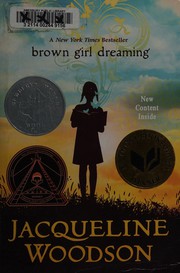
Brown Girl Dreaming
Jacqueline Woodson retells her childhood in verse, moving from Ohio to South Carolina to Brooklyn while the civil rights movement reshapes the world around her.
2,727-word summary · 12 min read
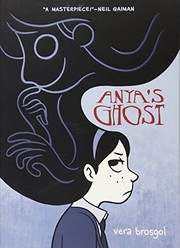
Anya's Ghost
A lonely Russian immigrant falls into a well, befriends the ghost trapped there, and discovers that the ghost's help comes with a dangerous price.
2,001-word summary · 9 min read
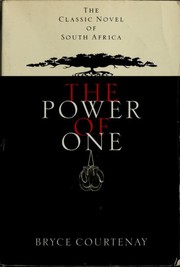
The Power of One
A boy in apartheid South Africa decides to become welterweight champion of the world, and the novel follows every mentor, fight, and loss that gets him there.
2,145-word summary · 10 min read

Little Town on the Prairie
In the spring after the Long Winter, fifteen-year-old Laura sews shirts, studies for a teaching certificate, and helps send her blind sister Mary to college.
2,071-word summary · 9 min read