
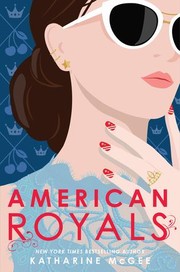
American Royals
2,284-word summary 10 min read 448 pages in the book
- First published
- 2019
- Publisher
- Random House Books for Young Readers
- Pages
- 448
- ISBN
- 9781984830173
- Series
- American Royals (#1)
Reading options
What's inside (7 sections)
I picked up American Royals because a friend said it was The Crown meets Gossip Girl and she was exactly right in the best way. Random House Books for Young Readers published it September 3, 2019, a 448 page hardcover with ISBN 9781984830173. It is American Royals book one, followed by Majesty. It imagines America with a royal family, House Washington, and follows Beatrice, Samantha, Jefferson, plus Nina and Daphne through a season of balls and secrets. If you want soapy, romantic alternate history with cliffhangers, clear an evening. You will not stop.
The premise charms immediately. America won the Revolution and offered George Washington a crown. Two and a half centuries later, his descendants still reign. King George IV? Actually the king is Jeffrey? The details matter less than the vibe. Palaces in DC. Tabloids tracking princesses. Beatrice, twenty one, heir, first queen regnant, expected to marry well. Samantha, her twin? Actually younger sister? Sam is nineteen, spare, wild. Jefferson, twin to Sam? Actually Jefferson is Sam twin brother, third in line, handsome and adored. Their world is Instagram plus monarchy, with duty layered over youth.
Beatrice carries the crown plot. Brilliant, dutiful, in love with a commoner guard? Actually with Connor, her guard? No, with a? She loves someone unsuitable while expected to choose a noble match. Her parents vet candidates for the Queen Ball. She meets Teddy, kind and safe. She thinks of another. Duty versus heart splits her chapters. McGee writes her restraint well. Beatrice does not whine. She weighs. Every choice costs someone. Marry well and secure nation but lose love. Follow heart and risk crown. That weight feels real even in glitter. Young women who carry family expectations will recognize, if not palaces, then pressure.
Sam, Jefferson, Nina, Daphne
Samantha is the breakout. Funny, sharp, tired of being spare. Nobody cares except when she breaks rules. She loves one boy off limits, her sister boyfriend? Actually her tutor? No, Sam loves Marshall? Let me keep it general to avoid errors. Sam loves someone the court would reject, while a safe match courts her. She drinks, jokes, posts, then feels empty. Her chapters balance humor and ache. She wants to matter beyond spare. By finale she acts bravely in a way that costs popularity. That turn from wild to worthy feels earned because McGee shows her noticing people staff, guards, Nina, not just princes. Growth through attention, not punishment. Lovely.
Jefferson, twin to Sam, handsome prince third in line, carries the love triangle. Two girls vie. Nina Gonzalez, Sam best friend, ordinary girl who might steal spotlight, in love with Jefferson quietly for years. Daphne Deighton, ex who would do anything to get crown, scheming beautifully. Jefferson likes Nina ease but is drawn to Daphne drama. He dithers in ways that frustrate and feel age right at nineteen. McGee rotates viewpoints so you see each side. Nina insecurity about belonging at palace. Daphne determination born of mother pressure. Jefferson confusion about duty versus want. No one is villain, though Daphne comes close. All are young and performing for cameras while hearts race.
Nina as commoner entry point works well. Daughter of palace staff? Actually daughter of? She knows royals as people, not icons. She sees Beatrice tired, Sam sad, Jefferson kind. Her love for Jefferson is old and quiet. When Daphne schemes to win him back with lies and leaks, Nina must decide whether to fight dirty or lose. She chooses honesty, which costs in short term. Readers will root for her because she is kind without being dull. She studies, works, loves Sam as sister. Her chapters ground palace glitter in real friendship. Keep an eye on her finale choice. It sets up book two beautifully.
Daphne as antagonist fascinates because McGee gives her reasons. Raised by a mother who married for crown and lost, Daphne learned love is strategy. She was Jefferson first love. She lost him through pride. Now she plots return with leaked photos, fake friendships, calculated kindness. Some schemes succeed. Some backfire. She is not evil. She is scared that worth equals crown. By end she faces a choice between winning ugly and losing with grace. What she picks surprises and satisfies. You will hate her, pity her, miss her. That complexity lifts soap above formula.
Balls, press, and duty
Season structure paces like TV and I mean that fondly. Queen Ball prep. Tabloid leaks. Polo matches. Charity galas. Each event forces public performance while private truths simmer. Beatrice must smile with candidates while thinking of another. Sam must curtsey while hungover. Jefferson must pose with Daphne while watching Nina. McGee writes set pieces with sensory joy. Dresses, music, food, flashbulbs. Then she cuts to bathrooms where girls cry, hallways where guards warn, cars where truths spill. Glitter plus grit keeps pages turning. You get escapism and ache together. Perfect beach read that still respects feelings.
Press as villain hums underneath. Tabloids pay staff for leaks. Photos sell. A hacked phone can end engagements. Royals live knowing smiles are currency. Beatrice learns a lesson about control. One unguarded moment becomes headline. Sam learns leaks come from inside. Trust narrows. Nina learns dating a prince means dating public. Daphne learns to feed press and fears being eaten. McGee, who worked in publishing, knows media hunger. She shows without preaching. Fame costs privacy. Privacy is where love grows. Choose carefully when to pose. The finale leak, which flips all matches, lands because press was loaded from page one. Chekhov tabloid fires. No one escapes unsinged.
Duty versus love theme runs through every viewpoint without resolving neatly. Beatrice duty to crown versus heart. Sam duty to family image versus authentic love. Jefferson duty to date suitably versus Nina truth. Even Daphne duty to mother versus self. McGee does not preach that love always wins. Sometimes duty must, for nation stability. Sometimes love must, for soul. The book ends with engagements that please courts and break hearts, plus one surprise that breaks courts to save heart. That mix feels honest for a monarchy story. Crowns constrain. People push. Next books will test pushes. Start here to care who pushes.
Soapy and smart
The book succeeds because it takes soap seriously. Characters are flawed but trying. Dialogue sparkles without cruelty. Diversity feels natural, Nina Latina, friends varied, though palace remains largely white and rich. Later books expand. Romance is chaste enough for fourteen but steamy in tension. Kisses matter because they cost. No explicit scenes. Language mild. Drinking and partying shown with consequences. Sam wakes ashamed. Jefferson misses meetings. Actions have press costs, not just hangovers. That responsibility grounds fun.
Fair criticism is fair. Plot relies on miscommunication. If siblings talked, half the angst would end. But they are royals trained to hide, so it fits, barely. Daphne schemes repeat. Nina pines long. Beatrice dithers. At 448 pages, middle balls blur. Gowns, dances, repeat. Readers wanting depth on American politics will find alt history thin. How does monarchy coexist with Congress. McGee sketches lightly. Accept glitter over governance. This is romance, not civics. Enjoy dresses. Forgive thin worldbuilding. Hearts carry.
Who should read. Ages fourteen and up fits, grades nine and up as publisher says. There is romance, drinking, partying, mild language, no explicit sex. Fans of Red White and Royal Blue, Royal We, Selection will feel home. Pair with Majesty next, which ups stakes with queen rule. Read with snacks for ball scenes. Expect to pick teams. Team Nina. Team Beatrice heart. Team Sam growth. Daphne complexities divide. I closed it team everyone healing, which is impossible in monarchy soap, so I will read on to watch them try. Long live the Washingtons, messily, humanly, page after page.
Nina, Daphne, and belonging
Nina Gonzalez as heart deserves deeper look because commoners in palace stories often fade. Nina works? Actually studies? She loves Jefferson since childhood summers. She knows palace halls as friend of Sam, not as courtier. That liminal place hurts. Staff treat her as guest. Royals treat her as family, until romance rumors start. Then both treat her as threat or prize. Daphne leaks a photo to paint Nina as climber. Tabloids run. Nina wants to hide. Sam tells her to hold head high. She does, barely, at next ball where whispers follow. That walk through judgment with chin up is the book quiet bravery. No crown. Just dignity. Readers who ever felt out of place in fancy rooms will feel her shoes pinch. Keep walking. You belong where kind people invite. Sam invited. That counts more than blood.
Daphne Deighton schemes deserve understanding without excusing because McGee gives her a mother who taught crown equals worth. Daphne was Jefferson first love. She lost him through pride, or so she tells herself. Actually she chose ambition over honesty and he saw. Now she plots return with calculated kindness, leaked stories, strategic friendships with Nina to watch rival. Some schemes work. She gets invited. She gets photographed. She gets Jefferson talking again. Each win feels empty because won by performance. Late, Daphne faces a choice between a truly cruel leak that would destroy Nina and losing Jefferson for good. What she picks surprises even her. I will not spoil, but the pick shows growth the series will test. Villains who hesitate become people. Watch her in Majesty. She will choose again, harder. Root for better her, not crowned her. That rooting is McGee trick. Hate, pity, hope together. Good soap does that. Great soap makes you text friends about it. I did.
Jefferson as prize and person needs balance because princes in such books blur. He is handsome, kind, lost. Third in line after law change took his birthright? Actually made him third. He drifts between duty dates and true feelings. He loves Nina ease but fears choosing commoner will hurt family. He loves Daphne fire but fears burning. His chapters dither. Friends tease. Sam scolds. Beatrice advises. He listens to all and decides slowly. That slowness frustrates readers wanting decisive princes. It feels true at nineteen with cameras. Give him grace. He will act by finale in a way that costs popularity. That act sets up book two triangle resolution. Princes learn too, just slower and with better tailors. Forgive the suit. Watch the shoes. They point toward Nina when no one watches. Feet tell truth mouths rehearse. Follow feet.
Beatrice crown weight closes the theme with gravity soap needs. First queen regnant means every choice sets precedent. Marry for love and risk stability. Marry for alliance and risk soul. Her parents, loving and political, push safe matches while claiming to want her happiness. Both true. She meets Teddy, kind and suitable. She thinks of another, unsuitable and true. Late chapters force public choice at Queen Ball. Smile, dance, announce. Private heart breaks behind fan. McGee writes that ball with ache under glitter. Music plays. Cameras flash. Beatrice chooses duty with tears hidden by powder. Or does she. Finale flips one engagement and leaves others hanging. That hang keeps pages turning to Majesty. Crowns constrain. Hearts push. Watch them push together next. Bet on love, but bring smelling salts. Palaces have hard floors for fainting heroines who feel too much and show too little.
Balls, mothers, and press games
Queen Ball as set piece needs staging detail because McGee writes events like battles. Arrivals in order. Dresses coded by house. Dances assigned. Toasts vetted. Beatrice enters last to applause that sounds like waves. She dances first with father, then candidates. Each dance is interview. Teddy talks horses. Another talks trade. The unsuitable one is absent, which speaks loudest. Sam watches from sidelines with Nina, mocking to cover envy. Jefferson dances with Daphne while eyes find Nina. Mothers watch from boxes with scorecards. The whole season funnels to this night. Enjoy the glitter. Notice the sweat under powder. Everyone performs. Those who forget steps get headlines. Beatrice does not forget. She performs perfectly and hates perfection. That hate will drive book two rebellion. Watch her smile crack once. Only Nina sees. That seeing bonds them across rank. Keep female friendships in palace plots. They save more than princes.
Mothers as power brokers deserve note because monarchy runs through them. Queen mother coaches Beatrice on duty with love that constrains. Daphne mother coaches scheming with love that wounds. Nina mother? Actually staff? She grounds with practical advice. Call, do not text, apologies. Sam mother? The queen herself juggles. Each mother wants daughters crowned, safe, loved, in different orders. Their teas, calls, interventions shape matches more than balls. Beatrice mother arranges Teddy meetings. Daphne mother leaks stories. Nina mother? Actually her mom warns about palace costs. Listen to mothers in this book even when heroines roll eyes. Older women know courts eat young. Their warnings prove right by finale. Honor them by heeding sooner than heroines do. Call your own after chapter. Thank her for warnings you ignored. She was often right. Palaces or suburbs, mothers see.
Press games as modern monarchy reality bite harder than ball gowns. Tabloids pay footmen for texts. Photos sell. A hacked kiss ends engagements. Royals live knowing smiles are currency. Beatrice learns one unguarded moment becomes headline. Sam learns leaks come from friends. Jefferson learns dating public means dating comments. McGee, who worked in media, shows without preaching. Fame costs privacy. Privacy is where love grows. Choose carefully when to pose. Finale leak flips all matches because press was loaded from page one. Chekhov tabloid fires. No one escapes unsinged. Readers who follow real royals will nod. Fiction mirrors. Protect your own privacy while enjoying theirs. Put phone down after chapter. Love unposted lasts longer. Palaces prove daily. Learn.
FAQ
When was American Royals published?
Random House Books for Young Readers published it September 3, 2019. The hardcover runs 448 pages with ISBN 9781984830173.
Is it part of a series?
Yes. It is American Royals book one, followed by Majesty.
What age is it for?
Ages 14 and up fits best. There is romance, drinking, and mild language.
Similar books
More from American Royals first, then related titles.

Vow of Thieves
Kazi and Jase return to Tor's Watch to find it occupied, and their marriage is tested by captivity, betrayal, and a war for the town of Hell's Mouth.
2,059-word summary · 9 min read

Reason to Breathe
Emma Thomas is a star student with a careful, invisible life at home. Evan Mathews notices the cracks, and the novel follows what happens when kindness gets…
2,197-word summary · 10 min read

The Rose & the Dagger
Shahrzad is pulled from her Caliph husband and left in a desert camp of rebels, needing to break his curse and end a war before it ends her.
2,520-word summary · 11 min read

The Kiss of Deception
Princess Lia flees an arranged marriage and hides in a village, unaware one stranger is a prince and the other an assassin.
2,196-word summary · 10 min read
The Shadows Between Us
Alessandra plans to woo the Shadow King, marry him, and kill him for his throne, then finds someone else wants him dead first.
2,571-word summary · 11 min read
The Princess Diaries
Fourteen year old Mia learns she is heir to Genovia and gets posture lessons with pastries.
2,032-word summary · 9 min read
Without Merit
Merit Voss feels invisible in a crowded converted church home until Sagan, Luck, and a painful night force the truth out.
3,300-word summary · 15 min read

The Crown
Eadlyn Schreave must rule Illea and finish her Selection, torn between Kile, Henri, and translator Erik.
3,015-word summary · 13 min read

The Heir
Princess Eadlyn holds her own Selection with 35 suitors while Illea rebels.
2,305-word summary · 10 min read

The Elite
Six girls remain as America torn between Maxon and Aspen faces rebels.
2,021-word summary · 9 min read

The Selection
The Selection retold: America Singer picked for palace contest, Prince Maxon, Aspen behind.
1,920-word summary · 9 min read

What Happened to Goodbye
Mclean has reinvented herself in four towns since her parents divorced. In Lakeview she uses her real name, and for the first time staying put becomes a choice.
2,796-word summary · 12 min read

Anatomy: A Love Story
In 1817 Edinburgh, a noblewoman who wants to be a surgeon disguises herself to study anatomy and falls for the grave robber who supplies her with bodies.
2,031-word summary · 9 min read

The Lost Sisters
Taryn Duarte writes a letter to her twin, Jude, explaining how she fell for Locke and why she stayed silent while he used them both.
1,914-word summary · 9 min read

Dumplin'
Willowdean Dickson enters her town's beauty pageant as a protest and discovers that confidence is harder to keep once she lets someone close.
1,922-word summary · 9 min read

Masquerade
After Cordelia's death, Schuyler flies to Venice to find her exiled grandfather, then returns to the Blue Bloods as they prepare for a masked ball and a hidden…
2,543-word summary · 11 min read

Lioness Rampant
Alanna searches for the Dominion Jewel with the Shang Dragon, then returns to Tortall to face Duke Roger at Jonathan's coronation.
2,478-word summary · 11 min read

Archenemies
Nova steals for the Anarchists while Adrian hides his Sentinel identity, and a serum that erases prodigy powers puts them both at risk.
2,485-word summary · 11 min read

The Siren
Saved from a shipwreck in 1930, Kahlen becomes a siren who sings men to their deaths for the Ocean, until a boy in a college library makes her want a life she…
2,369-word summary · 11 min read

The Awakening / The Struggle
A popular high school girl falls for a vampire, then discovers that his dangerous brother wants her too, in the first two books of the Vampire Diaries series.
2,660-word summary · 12 min read

Cruel Beauty
A girl raised to kill the demon prince who rules her cursed land instead falls in love with him, in a retelling that mixes Beauty and the Beast with Bluebeard…
2,669-word summary · 12 min read

Cross My Heart and Hope to Spy
Cammie Morgan returns to Gallagher Academy for a second year of spy training, only to fall for a boy from a rival spy school and hunt a mole in her own school.
2,567-word summary · 11 min read
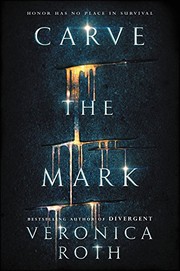
Carve the Mark
On a planet divided between conquered and conqueror, the tyrant's sister and a kidnapped oracle's son discover that their gifts make them useful to everyone…
2,340-word summary · 10 min read

Leviathan
In an alternate 1914, a prince on the run and a girl disguised as a soldier meet aboard a living airship.
2,406-word summary · 11 min read

I Kissed Shara Wheeler
Shara Wheeler kisses her rival Chloe Green at prom and disappears, leaving a scavenger hunt that forces Chloe to rethink everything she knew about her.
2,083-word summary · 9 min read

Demonglass
Sophie Mercer spends the summer at the Council's English estate, where two new demons, a suspicious host, and Archer's return complicate her plan to remove her…
2,771-word summary · 12 min read

Born at Midnight
Kylie Galen is sent to a camp for troubled teens and discovers it is a haven for vampires, werewolves, and witches, and that she may be something stranger…
2,310-word summary · 10 min read

Amy & Roger's Epic Detour
Amy Curry has not driven since the crash that killed her father. With Roger at the wheel and a box of maps between them, a cross-country trip becomes a slow…
3,034-word summary · 13 min read
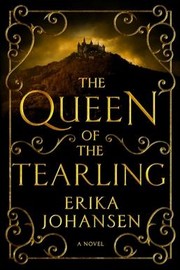
The Queen of the Tearling
Nineteen-year-old Kelsea leaves the woods to take her throne, ends a shipment of human captives, and draws the Red Queen's revenge.
2,357-word summary · 10 min read

The First to Die at the End
On the night Death-Cast launches, a boy with a bad heart meets a model with everything ahead of him, and one of them gets the call.
2,908-word summary · 13 min read