
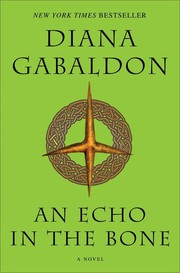
An Echo in the Bone
1,945-word summary 9 min read 1155 pages in the book
- First published
- 2009
- Publisher
- Dell
- Pages
- 1155
- ISBN
- 9780440245681
- Series
- Outlander (#7)
Reading options
What's inside (5 sections)
I started Outlander for the romance and stayed for the history lectures disguised as adventures, so by book seven I knew what I was getting. An Echo in the Bone, first published in 2009, seventh in the Outlander series, Dell mass market edition running 1155 pages, ISBN 9780440245681, with the original Delacorte hardcover in 2009, is the most sprawling and the most divided. Half follows Jamie and Claire in the American Revolution. Half follows Brianna and Roger in the twentieth century with letters bridging. It is long, sometimes baggy, often moving, and it sets up revelations about parentage that fans still argue about.
Jamie Fraser knows from Claire, his time traveling wife from 1945, that America will win, but knowing the winner does not keep you safe. At the start he is trying to get back to Scotland after being trapped in America, then gets pulled into Revolution politics in North Carolina. Claire, a former combat nurse turned surgeon and healer, treats the wounded with whatever is at hand, argues with officers, and tries to keep her family from pointing guns at each other. Their son in all but blood, Fergus, is grown with children. Their nephew Ian is grown and haunted. The war does not care about their plans.
Revolution work
The Revolution chapters are Gabaldon's best research showcase. Muster rolls, supply shortages, smallpox inoculations, amputations without anesthesia, Quaker pacifists sheltering rebels, Loyalists and Patriots living on the same road. Jamie, who fought at Culloden and lost, recognizes the shape of another lost cause that might win this time. He does not want to fight. He fights because neutrality gets you hanged by both sides.
Claire's medical scenes carry weight because she knows modern medicine and lacks tools. She boils instruments, makes penicillin from mold with mixed success, argues for washing hands when surgeons laugh. One amputation scene had me looking away, not from gore but from the calm way she talks a boy through it while Jamie holds him. Their marriage at this point is old, tired, tender, and funny about bodies. They tease about age, about hearing, about who snores. That domesticity inside war is why readers stay for 1000 pages.
The central dread is William. Jamie's son by Geneva Dunsmore, raised as an English lord's heir, now a young British officer who does not know Jamie is his father. Jamie knows and cannot say. William idolizes his dead supposed father and despises rebels. The possibility that father and son meet across battle lines haunts every march. Gabaldon delays the meeting with letters, near misses, and mistaken identities that some readers will find contrived. I found the delay painful in a good way. Every time William rides past, I thought now, and then it was someone else.
John Grey, former governor, Jamie's friend and complicated love, threads through this with his own secrets. He loves Jamie, loves William as a son, serves the Crown while doubting it. His chapters, courtly and sad, balance Jamie's earthiness. A scene where Grey must choose between duty and protecting both Frasers shows why he has become a fan favorite beyond the main couple. He is honorable in a system that makes honor impossible.
For pacing, the war middle can feel episodic. March to a town, treat the sick, argue with a general, march back. Two battles in a row blur unless you track regiments. I kept a list of who was with whom. Fraser's Ridge folk, militia neighbors, Continental regulars. That helped. The naval and printing subplots, with Jamie's press and Claire's pamphlets, add texture but slow momentum. A chapter about paper supplies could have been cut. But then a quiet night where Jamie reads Claire's letters from the future to calm himself before battle reminds you why the length matters. They have history to lose.
Brianna, Roger, and letters
The twentieth century half follows Brianna, Jamie and Claire's daughter, an engineer, and Roger, a historian turned minister turned teacher, raising their kids Jemmy and Mandy in Scotland while dealing with threats from the past bleeding forward. Rob Cameron, a colleague with his own agenda, wants something from them involving old letters and possibly time travel knowledge. Roger, who went back and came forward, struggles with his voice after injury and with faith after violence. Brianna struggles with being the child of legends while trying to be ordinary.
Letters from Claire in the 1770s, hidden and found, bridge the timelines. They describe battles, births, deaths, with a surgeon's eye and a mother's worry. Brianna reads about her parents in danger she cannot prevent. That helplessness mirrors readers' own. You know Culloden happened, you know the Revolution outcome, but you do not know if Jamie survives this skirmish. Gabaldon uses historical certainty to heighten personal uncertainty. The war will be won. Will this family live to see it.
Mandy's heart condition drives urgent modern decisions. Hospitals, specialists, insurance, grandparents arguing. These chapters feel strikingly contemporary after 1700s camps. Roger and Brianna must choose between staying safe in the present and risking travel to save family in the past. A sequence where Roger tries to fix a car while worrying about a letter from 1777 captures the split better than any speech. Practical life continues while history pulls.
Some readers dislike the modern half for slowing the war. I liked the contrast, though Rob Cameron's villainy feels thin compared to Black Jack Randall or even Stephen Bonnet. He wants papers and power, but his motives stay murky for hundreds of pages. Two confrontations repeat. He threatens, leaves, returns. I skimmed one cottage search because I knew nothing would be found yet. The payoff, involving Jemmy and stones, works better and sets up the next book.
Parentage, stones, and what echoes
The title comes from the idea that bones remember. Family traits, old wounds, stories told to children who tell them again. The book reveals more about William's birth, about Lord John raising him, about Jamie watching from distance. It also reveals connections involving Roger and Buck, time travelers meeting out of order, that require careful tracking. Without spoiling, a man Roger thought was one person turns out to be another, and a child’s parentage is less certain than papers claim.
Gabaldon plays fair with clues but expects you to remember book two details about stones at Craigh na Dun and about who can hear buzzing. New readers should not start here. Start at Outlander. Even returning readers may want a reread of Fiery Cross and Breath of Snow and Ashes summaries. I kept the family tree from the front matter open for the first 200 pages. By 400 I knew who was where.
The stones themselves get less mysticism here and more mechanics. Who hears, when, with what gemstone, in what weather. Roger theorizes. Brianna tests with engineering logic. That demystifying risks reducing wonder, but it fits these two. They are practical people dealing with an impractical inheritance. A scene where they explain time travel to a child with drawings is lovely because it admits they do not fully understand either.
For criticism, length is the obvious one. At 1155 pages in this mass market, with small type, it could have lost 150. The printing press details, the Quaker meeting minutes, the second militia argument about shoes, all interesting once, repetitive twice. Dialogue sometimes info dumps history. A general explains the whole Saratoga campaign to Jamie who would already know parts. And Claire's modern speech slips, saying okay or cool in ways that jar against 1770s diction, though Gabaldon usually covers it as time traveler habit.
Still, I finished and immediately picked up Written in My Own Heart's Blood. That is the test for a middle series book. Does it deepen enough to carry you. Jamie choosing not to shoot when he could, Claire choosing to stay in danger to treat strangers, William choosing honor over safety without knowing his blood, Brianna choosing to read another letter even though it hurts, all moved me. The war will be won. The family may still lose each other in it. That tension, held for a thousand pages without breaking, is why Outlander endures.
For who this is for. If you read the first six, do not skip, but pace yourself. Read 100 pages at a time with the tree handy. If you are new, start at book one. You need Culloden, the stones, Frank and Black Jack, to feel why Jamie fears facing William. If you want tight military history, try Cornwell. If you want marriage under fire with research and heart, this delivers. I closed it thinking about letters hidden in walls, which is how families really talk across centuries, in fragments found late.
A practical way I kept the threads straight was to follow paper. Letters, muster rolls, medical notes, printing type, land grants. Jamie carries orders he half obeys. Claire carries case notes she writes by candlelight. Brianna keeps engineering drawings and school forms. Roger keeps parish registers and family trees. Rob Cameron wants old papers for leverage. When the plot feels tangled, ask who holds what sheet. That usually tells you who has power in the scene. A general with a muster roll can hang a man. A wife with a letter can prove he lived. Gabaldon loves paper because paper survives bodies and lies about them at once.
I also want to defend the slower Quaker and printer chapters that many readers skim. They show how ordinary people tried to stay human inside armies. A Friend who feeds both sides and gets suspected by both. A printer who sets type for pamphlets he disagrees with because press freedom matters more than agreement. Jamie, who has seen Culloden, recognizes these people. He protects them when he can, not from strategy but from memory of what happens to villages caught between. Those small protections do not change the war outcome. They change whether Jamie can live with himself after, which for this series has always mattered more than battles.
One more personal note. Reading William's chapters hurt in a specific way because he is decent and wrong through no fault. Raised to honor, brave, loyal to friends, blind about his birth and about empire. Every kindness he shows makes the coming collision sadder. I found myself hoping he would stay ignorant a little longer, then feeling ashamed for hoping it, since ignorance is also a cage. Gabaldon does not rush his education. She lets him learn in pieces, a look from Grey, a comment from Jamie he cannot place, a scar he shares without knowing why. That slow drip is why the eventual meeting, when it comes in later books, carries so much weight. This volume does the hard work of making you love both sides of a future duel.
Claire's surgical kit as character deserves a paragraph. She carries it everywhere, restocks with scavenged tools, sharpens needles, boils linen, labels herbs in her own shorthand. Soldiers mock it until they are hurt, then beg for her. Jamie carries it for her on marches without being asked, which is one of their most romantic habits by book seven. Not flowers, but weight shared. A scene where Claire must choose which instrument to leave behind to make room for food shows triage as love. She leaves a spare saw, keeps the forceps, regrets both. Those material choices ground the time travel. She cannot Google dosages. She must remember, improvise, and live with error. When penicillin works, it feels like miracle and science at once. When it fails, she writes the name in her book and moves to the next cot.
FAQ
Can I start at An Echo in the Bone?
No. Start at Outlander book one. You need Culloden, stones, Frank and Black Jack to feel why Jamie fears facing his son William.
When was An Echo in the Bone published?
Delacorte published it in 2009. The Dell mass market cited runs 1155 pages with ISBN 9780440245681.
Who is William?
Jamie's son by Geneva, raised English, now a British officer who does not know Jamie is his father. They march toward meeting.
Similar books
More from Outlander first, then related titles.
Outlander
Nurse Claire Randall slips through Craigh na Dun from 1945 to 1743 Scotland, torn between Frank and Jamie Fraser as clan politics, war and witch trials close…
2,190-word summary · 10 min read
Dragonfly in Amber
Claire 1968 recalls Jacobite Paris with Jamie to stop Culloden.
2,530-word summary · 11 min read
Voyager
Claire returns through the stones in 1968 after learning Jamie survived Culloden.
2,901-word summary · 13 min read
Drums of Autumn
Brianna crosses stones to save parents, finding love, assault fallout, and a home to build.
2,003-word summary · 9 min read
The Fiery Cross
Jamie musters militia for Tryon while Brianna and Roger wed on the Ridge, ending at Alamance with a hanging that steals Rogers voice.
2,719-word summary · 12 min read
A Breath of Snow and Ashes
Jamie and Claire Fraser face the coming Revolution on Fraser's Ridge, torn between Crown oaths and rebel neighbors as old enemies return.
2,362-word summary · 10 min read
Written in My Own Heart's Blood
1778 war splits Jamies and Claires across rebellion and time as Brianna hunts a kidnapped son.
2,008-word summary · 9 min read
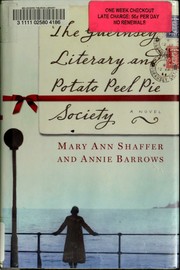
The Guernsey Literary and Potato Peel Pie Society
A London writer trades letters with Guernsey islanders after the war.
1,979-word summary · 9 min read
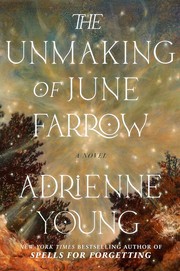
The Unmaking of June Farrow
A woman in a North Carolina flower-farming family walks through a red door into 1951, where she must solve her mother's disappearance and decide whether to…
2,701-word summary · 12 min read
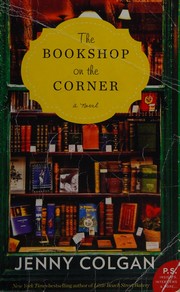
The Bookshop on the Corner
A Birmingham librarian loses her job, buys a van, and moves to the Scottish Highlands to run a mobile bookshop. Warm and bookish, with uneven pacing.
2,557-word summary · 11 min read
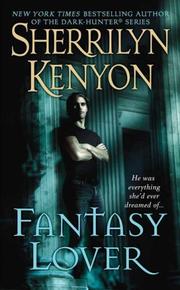
Fantasy Lover
A New Orleans sex therapist summons a cursed Spartan general from an ancient book and gets one month to break his spell.
2,315-word summary · 10 min read
What the Wind Knows
Annie scatters her grandfather's ashes on Lough Gill and is pulled into 1921 Ireland, where she becomes the missing Anne Gallagher and falls for Dr. Thomas…
2,056-word summary · 9 min read
Doctor Zhivago
A doctor and poet lives through revolution, war, and love in Pasternak's novel of private life under the pressure of Russian history.
2,213-word summary · 10 min read
A Reaper at the Gates
The Martial capital falls to an army of ghosts, Elias becomes the Soul Catcher, and Laia and Helene pay brutal prices as the Nightbringer moves to free the…
1,991-word summary · 9 min read
Emerald Green
Gwyneth must close the blood circle that will crown an immortal tyrant, and the prophecy says her death is the final lock.
2,044-word summary · 9 min read
Sapphire Blue
Gwyneth trains with Gideon for new jumps while Lucy and Paul warn the circle must stay open.
2,218-word summary · 10 min read
The Tenant of Wildfell Hall
Helen flees a cruel marriage, hides as Helen Graham at Wildfell Hall, and tells her full story through a long diary young Gilbert Markham must read before…
2,838-word summary · 13 min read
The Island of Sea Women
On Jeju island, haenyeo divers Young-sook and Mi-ja share decades of friendship strained by war and massacre.
2,204-word summary · 10 min read
The English Patient
In a ruined Italian villa in 1945, a burned man, a nurse, a thief, and a sapper trade pasts shaped by desert love and war.
2,006-word summary · 9 min read
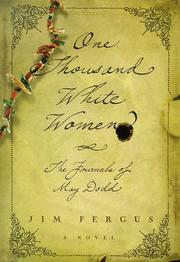
One Thousand White Women: The Journals of May Dodd
May Dodd journals joining Cheyenne as a bride in an 1875 government swap, learning prairie life and loss.
2,036-word summary · 9 min read
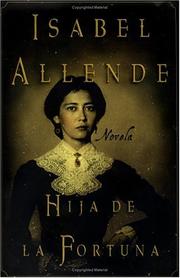
Daughter of Fortune
Eliza Sommers flees Chile for California gold rush San Francisco, disguised and searching for her lover, finding freedom with Tao Chi'en.
2,009-word summary · 9 min read
Brooklyn
Eilis Lacey leaves Enniscorthy for Brooklyn boarding house work, love with Tony, then a home death forces divided choice.
2,143-word summary · 10 min read
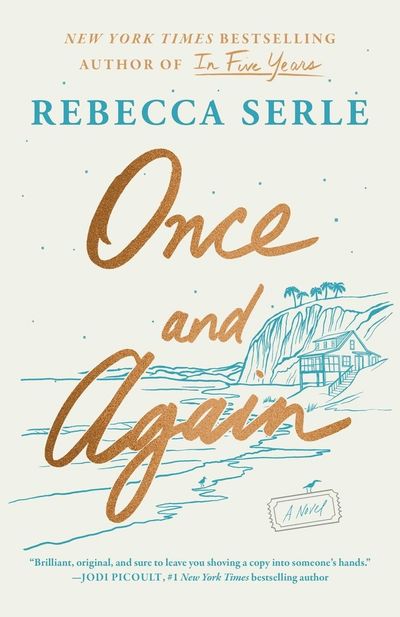
Once and Again
Novak women can redo one moment; Lauren must decide whether to use hers.
2,330-word summary · 10 min read
Nonesuch
A London secretary finds real angels and a fascist plot to erase Churchill in the Blitz.
2,197-word summary · 10 min read
These Violent Delights
Ex lover gang heirs hunt a madness monster in 1927 Shanghai together.
2,122-word summary · 9 min read
The Diamond Eye
Soviet sniper Mila tours America while an enemy hunter tracks her.
2,048-word summary · 9 min read
The Beekeeper of Aleppo
A beekeeper guides his blind wife from Aleppo through camps toward Britain.
1,992-word summary · 9 min read
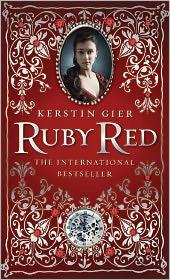
Ruby Red
Gwyneth finds she carries the time travel gene, not her cousin, and is paired with Gideon for dangerous jumps.
3,040-word summary · 14 min read
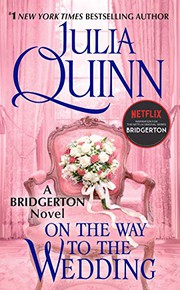
On the Way to the Wedding
Gregory chases the wrong friend while Lucy fights a forced engagement.
1,938-word summary · 9 min read
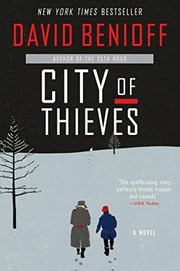
City of Thieves
Two boys cross siege Leningrad to find eggs for a colonel's cake.
1,985-word summary · 9 min read