
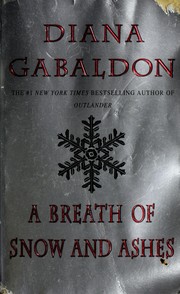
A Breath of Snow and Ashes
2,362-word summary 10 min read 979 pages in the book
- First published
- 2005
- Publisher
- Delacorte Press
- Pages
- 979
- ISBN
- 9780385324168
- Series
- Outlander (#6)
Reading options
What's inside (8 sections)
I did not plan to read a book this long in one go. A friend left her copy on my kitchen table after a weekend visit, all cracked spine and tea stains, and said the sixth Outlander book was the one where everything on the Ridge starts to break. First published in 2005 by Delacorte Press, A Breath of Snow and Ashes runs 979 pages in hardcover, and it carries Jamie and Claire Fraser through the years 1772 to 1776 in the North Carolina backcountry. I opened it meaning to read fifty pages. I stayed with it for two weeks.
What pulled me in was not any single battle. It was the feeling of a family trying to live an ordinary life while history closes around them. Jamie owes service to the Crown and expects to fight against it soon. Claire practices medicine with herbs and a few modern tricks she dares not explain. Their daughter Brianna and her husband Roger are raising a small boy and learning what it costs to stay. The snow in the title is literal enough, since winter on the mountain is hard, and the ashes point at a newspaper clipping from the future that says the Frasers die in a house fire. Every quiet chapter carries that warning underneath.
If you read The Fiery Cross before this, you remember Alamance and the hanging that nearly killed Roger. This book starts in the bruised calm after that, then follows one threat after another until the colonies tip toward war.
The Ridge after Alamance
The story opens on Fraser's Ridge in 1772 with the Regulators broken and Governor Tryon gone north. Jamie Fraser holds land granted in the Crown's name, which means he owes the new governor militia duty when called. He does not believe the peace will hold. Talk of taxes, courts, and boycotts runs through every tavern from Cross Creek to New Bern, and men who stood together at Alamance now watch each other for signs of Tory or Whig feeling.
Jamie tries to keep his tenants out of trouble. He settles boundary fights, lends seed corn, stands godfather to babies, and writes careful letters to men in power. Claire works beside him in her surgery, treating fevers, broken bones, snakebite, and the slow infections that kill more settlers than any raid. She has ether now, and she has made penicillin in secret before, so she can do things no other frontier healer can attempt. She hides how she knows these things, even from people she loves, because the truth about where she comes from would sound like madness.
The Ridge itself feels like a character here. Gabaldon spends time on planting seasons, hog killings, quilting, whisky making, and the long visits between far cabins. Some readers will love this texture. I mostly did, though I admit a few chapters about stills and stores tested my patience. The point of the slow domestic stretch is to show what the family stands to lose. Jamie and Claire have built something real out of wilderness, and the coming war will ask them to risk it for a cause neither Crown nor Congress has yet defined for men like them.
Jamie also carries a private burden through these early chapters. He resigned any love for royal service long ago, yet his oath and his land bind him to answer musters. He drills his militia company with a heavy heart, knowing many of the men he trains may soon face him across a field. Claire sees the strain in him and says little, because there is nothing useful to say. They have been through Culloden and its aftermath, and they recognize the smell of a country sliding toward civil war.
Roger and Brianna make a home
While Jamie and Claire hold the center, the emotional core of the early book belongs to Roger MacKenzie and Brianna Fraser MacKenzie. Roger survived his wrongful hanging after Alamance but lost his singing voice when the rope crushed his throat. His hands still work, his mind still works, yet the music that was half his soul is gone. He grieves it the way a man grieves a death, in flashes, and Brianna learns when to press him and when to leave him alone with his thoughts.
Brianna is raising Jemmy, their sturdy redheaded boy, and running a household that would exhaust anyone. She hunts, she builds, she draws plans for better tools, and she mothers with a ferocity that reminded me of Claire at her best. Motherhood has steadied her without softening her. When neighbors gossip about Jemmy's parentage, because of what Stephen Bonnet did to her before the boy was conceived, Brianna answers with cold pride and refuses to explain further. Jemmy is hers and Roger's son in every way that counts, and the book never wavers on that.
Roger looks for work that fits a man who can no longer sing for his supper. He teaches when he can, he helps Jamie with accounts and letters, and he slowly feels his way toward the ministry. This calling surprises Brianna at first, then strikes her as right for him. Roger has always been the one who listens, who remembers names, who sits with the dying. His path to preaching is gradual and full of doubt, which makes it believable. He studies, he prays, he argues with himself about whether a man from another century can honestly preach to these people.
Their marriage gets real attention here, and I was glad of it. They fight about money, about safety, about whether to stay on the Ridge or think of returning through the stones to their own time. Brianna wants to build engines and make things with her hands. Roger wants roots and a pulpit. Jemmy wants his parents near and his grandparents nearer. The scenes of their cabin life, with the boy underfoot and the dog at the door, gave me the warmth I needed before the darker turns arrived.
Bonnet returns for the boy
Stephen Bonnet has hung over this family since the earlier books. He is a pirate, smuggler, and river thief, a handsome man with cold eyes who attacked Brianna and may or may not be Jemmy's father by blood. Brianna shot him and left him for dead once, and most of us assumed the sea had finished the job. Gabaldon brings him back slowly, through rumors of a masked river robber and uneasy talk in the taverns, and the dread builds well.
Bonnet wants the boy. Whether from pride, obsession, or a twisted idea of fatherhood, he sends word that Jemmy belongs to him and means to take him. Brianna goes rigid with fear and fury. Roger, who chose Jemmy as his son without hesitation, is torn between terror and a strange pity for the child Bonnet once was. Jamie simply prepares for war, because no one threatens his grandson and lives to boast of it.
The hunt for Bonnet runs through rivers, islands, and coastal towns. Brianna insists on being part of it, and the book honors her refusal to hide. She faces Bonnet in a scene I will not spoil beat by beat, except to say she does not flinch and he learns what kind of woman she has become. In the end Bonnet is captured and condemned, and his execution takes place at sea. Jamie and Roger are there to see justice done and to be sure the threat is finished. The sea keeps him this time.
I found this thread the most satisfying in the book, partly because it closes a wound carried across several volumes. Bonnet at last answers for what he did, and the family can breathe. My one complaint is that his return takes a long time to arrive and then resolves fast compared to the buildup. Still, the scenes of Brianna standing her ground are worth the wait, and Roger's quiet claim on Jemmy, spoken plainly before witnesses, moved me more than any battle.
Malva Christie and a murder trial
No sooner is one danger buried than another grows inside the community itself. Tom Christie arrives on the Ridge with his children, including his daughter Malva, a clever girl who becomes Claire's helper in the surgery. Malva watches everything, learns fast, and wants more learning than her stern father thinks proper for a woman. Claire likes her and teaches her willingly, glad of skilled hands. Jamie respects Tom as a serious man, though the two clash over discipline, religion, and pride.
Then Malva claims she is with child and names Jamie as the father. The accusation lands like a stone in still water. Claire knows it cannot be true. Jamie denies it with disgust. But Tom Christie believes his daughter, or believes he must defend her honor regardless, and the settlement splits into whispers. Neighbors who owe Jamie their farms suddenly look away when he passes. Brianna burns with anger on her mother's behalf. Roger tries to keep peace and finds no peace to keep.
Before the matter can be settled by talk or by the small local courts, Malva is found murdered. The details are grim, and Gabaldon does not soften them. Suspicion falls on Claire, partly because of old stories about her healing and her temper, and partly because she quarreled with the girl. Claire is arrested and held for trial, and Jamie is kept from her by law and distance. The Ridge that felt like home becomes a place of locked doors and averted eyes.
The trial chapters are slow and painful in the right way. Claire sits in a filthy gaol, tending fellow prisoners because nursing is what she does when she is afraid. Jamie rides to find witnesses and money for her defense. Brianna and Roger guard Jemmy and keep the farm running while fear eats at them. The case turns on frontier law, gossip, and the hatreds of small minds, and Gabaldon shows how easily a woman who lives differently can be condemned. I will not give away who killed Malva or how the trial breaks off, since the reveal matters, but the resolution fits the facts planted earlier and reframes several characters I thought I had judged correctly.
Abduction, rescue and the long road
The hardest chapters to read come near the end, and readers should know that going in. Claire is seized from her home by a band of deserters and drifters, men broken loose by the coming war, and carried into the woods. What follows includes a prolonged assault, and Gabaldon writes it without flinching. Some will find these pages brave and honest about what such violence costs. Others will find them too long and too graphic. I landed somewhere between, admiring Claire's steel while wishing the ordeal had been shorter on the page.
Jamie gathers a rescue party that includes Roger, kin, and neighbors. They track the gang to a backcountry hideout, moving fast through country that is itself turning lawless as royal authority frays. The rescue is messy, violent, and costly, the work of farmers turned soldiers rather than heroes from a song. People the reader knows are hurt. People the reader hates get what they earned. Claire is brought home alive, which is the only victory that matters, and the family closes around her.
Her recovery is handled with unusual care for a book of this size. Claire does not simply rise from her sickbed and resume life. She shakes, she rages, she cannot bear certain touches, and Jamie learns again how to be near her without pressing her. Brianna, who knows violation from her own past, sits with her mother in silence that says more than speeches. Roger prays over them both and finds his ministry taking shape in suffering rather than sermons. These chapters reminded me why I stay with this series through its excesses. When Gabaldon writes about people enduring, she writes as well as anyone working in the genre.
Around this private crisis the public crisis sharpens. Committees of Safety form, royal governors flee, and the first shots of the war sound far to the north. Jamie musters his men not for the King now but for the coming fight as he understands it. Roger drills beside neighbors he baptized. The Ridge empties of young men and fills with women keeping farms alive. History, held off for hundreds of pages, arrives all at once.
The fire on the horizon and what drags
Through all of this hangs the clipping. Years earlier, in the twentieth century, Brianna and Roger found a newspaper notice saying Jamie and Claire Fraser died in a house fire on the Ridge. Every candle left burning in this book made me nervous. Gabaldon plays fair with the dread, letting small fires, lightning storms, and careless visitors remind us that the big house on the hill is made of wood and the future has already announced its burning.
By the final chapters the family has survived Bonnet, the trial, and the abduction, yet nothing feels settled. The war is coming, the fire is still somewhere ahead, and the children must decide what future they want. Brianna and Roger weigh everything they know about the Revolution against Jemmy's safety. Jamie and Claire choose each other, as always, and prepare to face whatever the fire and the war bring together.
Now the fair criticism, because at 979 pages this book earns it. The middle sags under the weight of its many threads, with council meetings, supply lists, and minor visitors slowing the pace for long stretches. The assault scenes, here and in the Bonnet thread, are brutal enough that some readers will need to skip pages, and the book does not always justify their length. Newcomers should not start here either, since Gabaldon assumes you know dozens of people and three books of backstory. Yet the family scenes shine, the trial grips, and the Bonnet ending satisfies. I closed the book tired, wrung out, and already reaching for the next volume to learn about the fire. For readers invested in the Frasers, that is enough.
FAQ
Is A Breath of Snow and Ashes part of a series?
Yes. It is book six of the Outlander series, after The Fiery Cross. Jamie and Claire live on Fraser's Ridge in North Carolina as the colonies slide toward the Revolution.
When was A Breath of Snow and Ashes published?
It was first published in 2005 by Delacorte Press. The hardcover runs 979 pages and the ISBN cited here is 9780385324168.
Who is Stephen Bonnet?
A pirate and smuggler who harmed Brianna in earlier books. He returns here as a threat to her son Jemmy before he is captured and executed at sea.
Similar books
More from Outlander first, then related titles.

Outlander
Nurse Claire Randall slips through Craigh na Dun from 1945 to 1743 Scotland, torn between Frank and Jamie Fraser as clan politics, war and witch trials close…
2,190-word summary · 10 min read

Dragonfly in Amber
Claire 1968 recalls Jacobite Paris with Jamie to stop Culloden.
2,530-word summary · 11 min read
Voyager
Claire returns through the stones in 1968 after learning Jamie survived Culloden.
2,901-word summary · 13 min read
Drums of Autumn
Brianna crosses stones to save parents, finding love, assault fallout, and a home to build.
2,003-word summary · 9 min read
The Fiery Cross
Jamie musters militia for Tryon while Brianna and Roger wed on the Ridge, ending at Alamance with a hanging that steals Rogers voice.
2,719-word summary · 12 min read
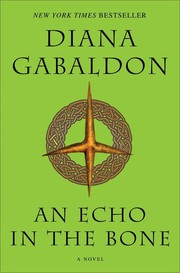
An Echo in the Bone
Jamie and Claire endure Revolution war while Brianna reads their letters at home.
1,945-word summary · 9 min read

Written in My Own Heart's Blood
1778 war splits Jamies and Claires across rebellion and time as Brianna hunts a kidnapped son.
2,008-word summary · 9 min read
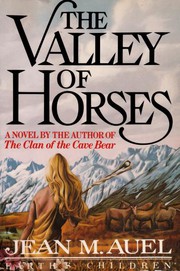
The Valley of Horses
Exiled from the Clan, Ayla survives alone in a hidden valley, tames a horse and a cave lion, and nurses a wounded stranger back to life.
2,311-word summary · 10 min read

Ivanhoe
A disinherited Saxon knight, a great tournament, a besieged castle and a trial by combat. Scott's most famous novel, set in England in 1194.
2,834-word summary · 13 min read
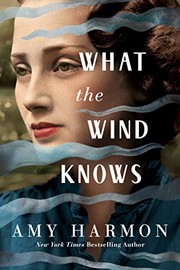
What the Wind Knows
Annie scatters her grandfather's ashes on Lough Gill and is pulled into 1921 Ireland, where she becomes the missing Anne Gallagher and falls for Dr. Thomas…
2,056-word summary · 9 min read
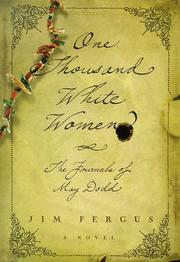
One Thousand White Women: The Journals of May Dodd
May Dodd journals joining Cheyenne as a bride in an 1875 government swap, learning prairie life and loss.
2,036-word summary · 9 min read

Daughter of Fortune
Eliza Sommers flees Chile for California gold rush San Francisco, disguised and searching for her lover, finding freedom with Tao Chi'en.
2,009-word summary · 9 min read
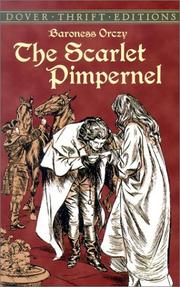
The Scarlet Pimpernel
A foppish baronet rescues aristocrats from the guillotine while his French wife hunts the hero she scorns.
2,980-word summary · 13 min read

The Gentleman's Guide to Vice and Virtue
Bisexual heir Monty flees across Europe with his crush Percy and sister Felicity after stealing a dangerous box.
2,724-word summary · 12 min read
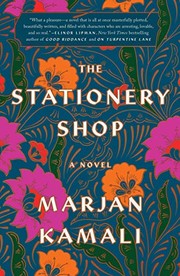
The Stationery Shop
Two teenagers fall in love in a Tehran stationery shop in 1953, are separated by the coup and a family deception, and meet again sixty years later.
2,024-word summary · 9 min read

The Japanese Lover
A Polish refugee and the son of a Japanese gardener fall in love in San Francisco in 1939, then keep the affair secret for nearly seventy years.
2,286-word summary · 10 min read

Anatomy: A Love Story
In 1817 Edinburgh, a noblewoman who wants to be a surgeon disguises herself to study anatomy and falls for the grave robber who supplies her with bodies.
2,031-word summary · 9 min read

Vow of Thieves
Kazi and Jase return to Tor's Watch to find it occupied, and their marriage is tested by captivity, betrayal, and a war for the town of Hell's Mouth.
2,059-word summary · 9 min read

The Shadow Sister
Star D'Apliese steps out of her sister's shadow and follows a bookshop clue into the Edwardian life of Flora MacNichol, a woman who gave up love for duty.
2,260-word summary · 10 min read

Archenemies
Nova steals for the Anarchists while Adrian hides his Sentinel identity, and a serum that erases prodigy powers puts them both at risk.
2,485-word summary · 11 min read
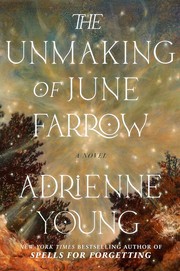
The Unmaking of June Farrow
A woman in a North Carolina flower-farming family walks through a red door into 1951, where she must solve her mother's disappearance and decide whether to…
2,701-word summary · 12 min read
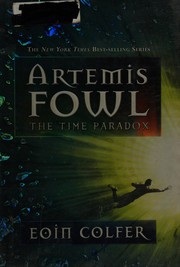
The Time Paradox
When his mother falls ill with a fairy disease, Artemis Fowl travels back in time to find the extinct lemur that can cure her and confronts his younger self.
2,601-word summary · 12 min read

Carve the Mark
On a planet divided between conquered and conqueror, the tyrant's sister and a kidnapped oracle's son discover that their gifts make them useful to everyone…
2,340-word summary · 10 min read

Fantasy Lover
A New Orleans sex therapist summons a cursed Spartan general from an ancient book and gets one month to break his spell.
2,315-word summary · 10 min read

The Rose & the Dagger
Shahrzad is pulled from her Caliph husband and left in a desert camp of rebels, needing to break his curse and end a war before it ends her.
2,520-word summary · 11 min read

Origins
Stefan's diary of 1864 and 1888: how he and Damon fell for Katherine, became vampires, and went looking for a killer in London.
2,056-word summary · 9 min read
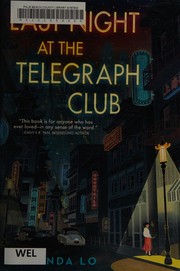
Last Night at the Telegraph Club
The 2021 National Book Award winner follows Lily Hu, a Chinese American teenager in 1954 San Francisco, as she falls for Kath and learns what it costs to be…
2,336-word summary · 10 min read
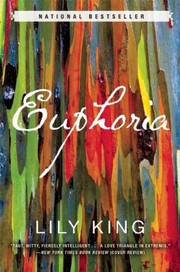
Euphoria
Three anthropologists in 1930s New Guinea turn fieldwork into a love triangle, and a real history breathes behind them.
2,048-word summary · 9 min read

We Hunt the Flame
In a fractured Arabia-inspired world, a disguised huntress and a prince-assassin race to find a magic-restoring book and confront an ancient evil.
2,195-word summary · 10 min read
The Sisters Brothers
Two hired killers ride from Oregon to Gold Rush California to murder a prospector, and find their trade, their brotherhood, and the frontier myth coming apart.
2,095-word summary · 9 min read