
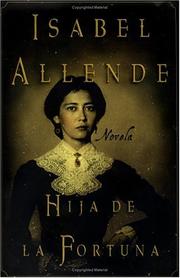
Daughter of Fortune
2,009-word summary 9 min read 428 pages in the book
- First published
- 1998
- Publisher
- HarperCollins
- Pages
- 428
- ISBN
- 9780060194925
- Original title
- Hija de la fortuna
Reading options
What's inside (9 sections)
I started Daughter of Fortune knowing only that it was set during the California gold rush and written by Isabel Allende. I finished with a strong fondness for Eliza Sommers, a girl who refuses the small life planned for her and learns, slowly and at cost, what freedom actually requires. Allende gives her room to be foolish, brave, and tired by turns, which makes the growth feel earned rather than assigned.
Eliza in Valparaiso
Eliza Sommers grows up in Valparaiso, Chile, in the 1840s, raised by the Sommers siblings. Rose is the elegant, unmarried mistress of the house who mothers Eliza with strict manners and secret tenderness. Jeremy is the stern businessman brother who believes in order. John is the sailor brother who drifts in with gifts and stories. Mama Fresia, the Mapuche cook, raises Eliza in the kitchen with smells, songs, and plain talk about bodies and spirits.
Eliza is found as a baby on their doorstep, wrapped in a man's jacket. No one knows her mother for most of the book. That mystery shapes her. She is loved but not quite belonging, Chilean but raised English, proper but wild inside. Allende writes her childhood with sensory richness. Warm bread, sea wind, laundry soap, piano practice, Mass on Sundays followed by kitchen gossip.
Rose teaches her to be a lady. Mama Fresia teaches her to trust her nose and her gut. Both lessons stick. Eliza learns to pour tea and to read weather. She learns to sit still and to run fast when needed. This double education becomes vital later when she must pass as someone else entirely.
What I liked is that Allende does not rush. The first hundred pages let Valparaiso breathe. Port traffic, British merchants, Chilean servants, priests, and prostitutes all share streets. You see why a bright girl might dream bigger than marriage to a clerk.
Joaquin and the decision to leave
At sixteen Eliza falls hard for Joaquin Andieta, a poor clerk with fine manners and big talk about justice for workers. They meet in secret, trade books, and begin a physical affair. Eliza becomes pregnant. Before she can plan, gold is found in California. Joaquin sails north with thousands of other young men chasing fortune, promising to send for her.
Eliza miscarries in grief and fear, hides the pregnancy, and decides to follow him. This is not a sensible plan. It is a teenage vow made real by stubbornness. With help from Tao Chi'en, a Chinese physician she befriends, she boards a ship bound for San Francisco hidden in the hold. She is seasick, hungry, and terrified, but also oddly calm. For the first time she acts for herself alone.
Allende treats the love story without illusion. Joaquin is handsome and sincere in his way, but also careless and hungry for status. Eliza loves an image as much as a man. The book knows this and lets her learn it the hard way. I appreciated that Allende does not punish her for desire. She takes her desire seriously enough to follow it across an ocean and then to question it.
The voyage chapters are strong on discomfort. Bad water, cramped bunks, storms, a captain who looks away for a bribe. Tao cares for Eliza when she bleeds and feverish, asking little in return. Their bond, built on soup and quiet, becomes the moral center the romance never quite is.
San Francisco in chaos
San Francisco in 1849 is mud, tents, gambling halls, and men from everywhere. Prices are mad. Eggs cost a fortune. Claims are bought and lost in a night. Allende fills the streets with Chileans, Mexicans, Chinese, Irish, and Americans pushing and cheating each other. Disease spreads. Fires burn blocks. Justice is quick and often brutal.
Eliza arrives disguised as a boy, a trick Tao arranges to keep her safe. Short hair, bound chest, loose trousers, a new name. She works selling food, washing, and later cooking for a traveling brothel troupe. The disguise both protects and traps her. As a boy she can move, work, and listen. She cannot ask openly about Joaquin without risk.
Tao sets up as a zhong yi, a Chinese doctor, treating sailors, miners, and prostitutes others refuse. His chapters give the book its second heart. Kidnapped from China, trained in herbal medicine, grieving a dead wife, he understands exile. He and Eliza share a small room, then separate lodgings, then letters. He teaches her to track money, to say no, to value skill over charm.
The search for Joaquin leads through mining camps full of mud and hope. Eliza rides with freight wagons, cooks for men who have not eaten a hot meal in weeks, hears stories of a Joaquin Murieta who may be bandit or hero. Each lead dissolves. She writes to Tao about what she sees, and those letters show her changing. Less talk of rescue, more talk of work and weather and people she met.
Tao Chi'en and a different love
Tao's past gets a full thread, and it is some of Allende's best writing here. His childhood poverty in China, apprenticeship to a master acupuncturist, marriage to a frail girl named Lin who dies young. His shame at being tricked aboard a ship, his years of service, his slow reclaiming of practice in California. He carries grief without bitterness, which sets him apart from almost every gold seeker around him.
His friendship with Eliza deepens into love without grand scenes. He respects her appetite for movement. She respects his steadiness. They argue about money, about risk, about when to leave the city. He does not try to own her story. When she returns from the interior broke and hardened, he offers a partnership of work helping Chinese prostitutes escape brothels, not a cage.
I found this relationship far more moving than the first romance. It grows from shared labor, not longing. They nurse the sick, hide girls, bribe officials, and keep books. Physical closeness comes late and quietly. Allende suggests mature love is attention over time, not lightning. After hundreds of pages of chasing a boy, that lesson lands.
A fair criticism is that Tao sometimes feels too good. Patient, wise, skilled, kind to animals and children. Allende gives him flaws, gambling regrets and pride in his craft, but he remains the moral compass while white characters blunder. I accepted it because his goodness is active and costly, not decorative.
Rose, Jeremy, John, and letters home
Back in Valparaiso, Rose and Jeremy reel from Eliza's disappearance. Rose, who prided herself on control, must admit she never truly knew the girl. Jeremy wants police and punishment. John, the sailor, quietly searches and finally learns a secret Rose kept for years about Eliza's birth. The revelation reframes the whole childhood. Love was real, but built on a lie meant to protect.
Their chapters work through letters, newspaper clippings, and gossip. Rose writes to missing Eliza with a mix of scolding and ache. She also opens her house to abandoned girls, turning shame into use. Jeremy softens just enough to be human without losing his stiffness. John sails to California himself, hoping to find his daughter and to make amends for absence.
These parallel scenes keep the book from becoming only a western. Chile and California mirror each other. Both are ports reshaped by greed, both mix strict religion with open vice, both trap women in narrow roles. Rose learning to speak plainly to Jeremy matters as much as Eliza learning to pan for gold. Freedom has to happen at home too.
Paulina Rodriguez de Santa Cruz, a Chilean businesswoman of fierce will, steals several chapters. She runs ships, feeds the gold trade from afar, and speaks her mind to men who expect silence. Through her Allende shows another path for a woman with money and nerve. Eliza watches and learns, though she chooses a smaller, kinder enterprise.
Gold, violence, and what fortune means
Allende does not glamorize gold. The camps are cold, scurvy spreads, claims jumpers kill, and winter buries the unprepared. Men who dreamed of mansions end up washing socks for miners. Women are scarce and often in danger, working as cooks, laundresses, or prostitutes under harsh madams. Law is a meeting that votes to hang someone by dusk.
Eliza sees lynchings, smallpox, and the casual murder of Chinese and Mexicans by Americans who claim the land. She passes as a boy partly to avoid assault, and Allende never lets you forget the threat underneath. When Eliza joins Joe Bonecrusher's traveling troupe as cook and piano player, she finds rough safety among outcast women. Those winter months, cooking stews and playing waltzes in canvas tents, are among the warmest in the book despite the cold outside.
The title turns ironic. Fortune in gold terms goes to suppliers, landowners, and the lucky few. Eliza finds no gold and stops looking. Her fortune becomes skill, friendship, and a chosen family. Tao finds his by returning to medicine with purpose. Even Rose finds hers by using her house for good. Allende argues, without preaching, that luck favors those who work and who stop chasing another person's dream.
The final meeting with the legend of Joaquin is handled well. I will not spoil it fully, but Eliza must look at a dead man's face and decide if her long search was for a person or a story. She chooses truth over comfort, and that choice frees her to write an honest letter home at last.
Style and honest doubts
Allende writes in full, sensuous sentences with room for recipes, remedies, and street scenes. If you like spare prose, this may feel rich. I found the abundance right for a story about hunger in every sense. Food descriptions especially carry meaning. A proper tea in Valparaiso, ship biscuit and rot, San Francisco stew shared from one pot. What people eat shows who they are allowed to be.
The voyage itself deserves more note. Weeks in damp dark with little water test Eliza's resolve daily. She learns to tie knots, to keep her disguise while feverish, to bribe with food rather than coin. Tao watches over her without taking charge, bringing ginger for nausea and warning her which sailors to avoid. Those quiet acts build trust that later love rests on. Without the ship, their San Francisco partnership would not convince. I thought of those nights later whenever Eliza stayed calm in camp chaos. She had already survived worse in the hold.
The book is long and sometimes loose. Some subplots about Paulina's ships and Jacob Todd's journalism could be trimmed. Eliza's time in male disguise stretches belief after months, though Allende notes small size, baggy clothes, and people's inattention. A modern reader may also want more interiority from Joaquin, who remains a handsome blur. That is deliberate. He is a dream Eliza outgrows, not a partner.
Jacob Todd himself, the failed Bible salesman turned journalist, adds a sharp outsider eye. He loves Rose without being loved back, drinks too much, writes purple prose about bandits, and yet sees truths others miss. His letters about Joaquin Murieta blur fact and legend in ways that mirror Eliza's own confusion. He is comic relief with a sad core, and his presence keeps Valparaiso chapters from turning too genteel.
Paulina's business empire also widens the lens. She charters ships, corners produce markets, and outtalks men who expect deference. Eliza studies her the way she once studied fashion plates, not to copy but to learn that a woman can command. When Eliza later negotiates wages for cooking or organizes aid with Tao, you hear Paulina's bluntness filtered through Eliza's kindness.
Read it for Eliza's grit and Tao's quiet care, for Valparaiso and San Francisco drawn as living ports, and for a love story that corrects itself. It is romantic without being naive about what romance costs women with little money and no rights. By the end Eliza is not rescued. She is competent, tired, and free enough to choose. That felt like fortune worth having.
FAQ
When was Daughter of Fortune published?
Plaza and Janes published the Spanish original Hija de la fortuna in 1998. HarperCollins published the English translation in 1999, running 428 pages.
What is the original title?
Hija de la fortuna by Isabel Allende. Margaret Sayers Peden translated it into English.
Does it have a sequel?
Yes. Portrait in Sepia follows Eliza's granddaughter and continues the family story into later decades.
Similar books

Ivanhoe
A disinherited Saxon knight, a great tournament, a besieged castle and a trial by combat. Scott's most famous novel, set in England in 1194.
2,834-word summary · 13 min read

Written in My Own Heart's Blood
1778 war splits Jamies and Claires across rebellion and time as Brianna hunts a kidnapped son.
2,008-word summary · 9 min read
One Thousand White Women: The Journals of May Dodd
May Dodd journals joining Cheyenne as a bride in an 1875 government swap, learning prairie life and loss.
2,036-word summary · 9 min read
Brooklyn
Eilis Lacey leaves Enniscorthy for Brooklyn boarding house work, love with Tony, then a home death forces divided choice.
2,143-word summary · 10 min read

The Valley of Horses
Exiled from the Clan, Ayla survives alone in a hidden valley, tames a horse and a cave lion, and nurses a wounded stranger back to life.
2,311-word summary · 10 min read
Euphoria
Three anthropologists in 1930s New Guinea turn fieldwork into a love triangle, and a real history breathes behind them.
2,048-word summary · 9 min read

The Sisters Brothers
Two hired killers ride from Oregon to Gold Rush California to murder a prospector, and find their trade, their brotherhood, and the frontier myth coming apart.
2,095-word summary · 9 min read

The Signature of All Things
Botanist Alma Whittaker grows up in Philadelphia trade wealth, studies mosses, marries distant Ambrose Pike, and sails to Tahiti seeking how species change.
2,535-word summary · 11 min read
The English Patient
In a ruined Italian villa in 1945, a burned man, a nurse, a thief, and a sapper trade pasts shaped by desert love and war.
2,006-word summary · 9 min read
The Scarlet Pimpernel
A foppish baronet rescues aristocrats from the guillotine while his French wife hunts the hero she scorns.
2,980-word summary · 13 min read

The Gentleman's Guide to Vice and Virtue
Bisexual heir Monty flees across Europe with his crush Percy and sister Felicity after stealing a dangerous box.
2,724-word summary · 12 min read

A Breath of Snow and Ashes
Jamie and Claire Fraser face the coming Revolution on Fraser's Ridge, torn between Crown oaths and rebel neighbors as old enemies return.
2,362-word summary · 10 min read
How to Stop Time
Tom Hazard, aging one year in fifteen, hides behind new identities until a London classroom and a lost daughter force him to live.
2,597-word summary · 12 min read

The Fiery Cross
Jamie musters militia for Tryon while Brianna and Roger wed on the Ridge, ending at Alamance with a hanging that steals Rogers voice.
2,719-word summary · 12 min read

Drums of Autumn
Brianna crosses stones to save parents, finding love, assault fallout, and a home to build.
2,003-word summary · 9 min read
Voyager
Claire returns through the stones in 1968 after learning Jamie survived Culloden.
2,901-word summary · 13 min read
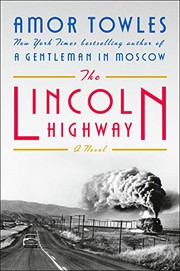
The Lincoln Highway
Emmett and Billy plan California in 1954, but two escapees steal their car and drag them east to New York.
2,954-word summary · 13 min read

Dragonfly in Amber
Claire 1968 recalls Jacobite Paris with Jamie to stop Culloden.
2,530-word summary · 11 min read
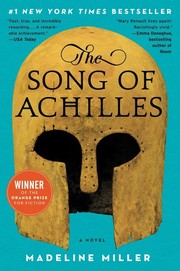
The Song of Achilles
Song of Achilles retold: Patroclus and Achilles from boys to Troy, love and war in Miller prose.
1,925-word summary · 9 min read

Violeta
A woman born in 1920 writes her life story to her grandson, from one pandemic to another, through wealth, ruin, passion, and dictatorship in South America.
2,555-word summary · 11 min read

The Japanese Lover
A Polish refugee and the son of a Japanese gardener fall in love in San Francisco in 1939, then keep the affair secret for nearly seventy years.
2,286-word summary · 10 min read

The Stationery Shop
Two teenagers fall in love in a Tehran stationery shop in 1953, are separated by the coup and a family deception, and meet again sixty years later.
2,024-word summary · 9 min read

Anatomy: A Love Story
In 1817 Edinburgh, a noblewoman who wants to be a surgeon disguises herself to study anatomy and falls for the grave robber who supplies her with bodies.
2,031-word summary · 9 min read

Alone With You in the Ether
Two people in Chicago agree to six conversations, and the experiment becomes a love affair that is also a study of bipolar disorder, obsession, and the shape…
2,713-word summary · 12 min read

Vow of Thieves
Kazi and Jase return to Tor's Watch to find it occupied, and their marriage is tested by captivity, betrayal, and a war for the town of Hell's Mouth.
2,059-word summary · 9 min read

The Shadow Sister
Star D'Apliese steps out of her sister's shadow and follows a bookshop clue into the Edwardian life of Flora MacNichol, a woman who gave up love for duty.
2,260-word summary · 10 min read

The Beach
A young backpacker follows a dead man's map to a hidden island community, then discovers what the people there are willing to do to keep it secret.
2,067-word summary · 9 min read

Archenemies
Nova steals for the Anarchists while Adrian hides his Sentinel identity, and a serum that erases prodigy powers puts them both at risk.
2,485-word summary · 11 min read

Sophie's Choice
A young Southern writer in 1947 Brooklyn befriends a brilliant, unstable couple and slowly learns the story of the Polish Catholic woman at the center of their…
2,798-word summary · 12 min read

James
Percival Everett retells Huckleberry Finn from Jim's side, giving him a library, a hidden school, and a voice the novel lets loose.
2,211-word summary · 10 min read