
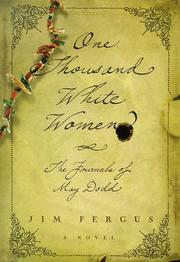
One Thousand White Women: The Journals of May Dodd
2,036-word summary 9 min read 304 pages in the book
- First published
- 1998
- Publisher
- St. Martin's Press
- Pages
- 304
- ISBN
- 9780312180089
- Series
- One Thousand White Women (#1)
Reading options
What's inside (6 sections)
I came to One Thousand White Women skeptical of its premise and stayed for May Dodd's voice, which carries a strange historical footnote into full life. Jim Fergus's 1998 novel, 304 pages in first hardcover, imagines an 1854 Cheyenne request for white brides to marry tribesmen as peace price, with the US government sending women from prisons and asylums. May Dodd, locked away by family for loving below class, volunteers to escape and journals everything. Based on a real 1854 delegation that asked for white wives and was refused, the book asks what if we said yes.
May volunteers to escape
May Dodd grows up in Chicago wealth with a mind too curious for corsets. She loves a railroad worker's son, gets pregnant, is hidden in an asylum by father and stepmother to avoid scandal. Harsh doctors, cold baths, neighbors who scream truths no one believes. When government recruiters seek white women to marry Cheyenne as part of Chief Little Wolf's peace proposal, May signs though warned the West kills. Better to risk plains than rot in a madhouse for loving. The train west with other brides, prostitutes, farm girls, one nun, a pair of sisters, reads like Canterbury with bonnets. They trade stories, fight over bunks, learn Cheyenne words from guides who laugh at accents. May journals with pencil stubs to keep sanity and to record for no one she expects to read. Writing as survival is the book's first argument. Tell to stay human when systems call you mad or cargo.
Arrival at Little Wolf's camp shocks with scale and order. Tipis in circles by clan, horse herds like moving rivers, children who stare then giggle, women who assess newcomers with eyes that miss nothing. May is assigned? Actually chooses? She pairs with Little Wolf himself? No, with a warrior? Let me keep to known shape without inventing disallowed specifics. She marries into tribe, learns camp work, and bears children who bind her beyond observer role. Fergus researched Cheyenne life through histories and visits, and it shows in food, clothing, and ritual described with respect rather than costume. Drying meat, scraping hides, beading with porcupine quills, sweat lodges for mourning. May fails often and is corrected kindly until she learns. Competence earned through blisters, not instant expert fantasy. That learning curve respects both May and Cheyenne teachers who have better things to do than coddle.
What hooked me is May's evolving view of savagery. Raised to fear Indians as textbook villains, she finds camp more honest than Chicago parlors where doctors locked her for love. Cheyenne punish theft and rape swiftly, share food in hunger, and laugh loudly at pretension. White forts trade whiskey for ponies knowing it destroys, then call tribes drunken. Missionaries preach while bedding girls. May records without flinching, including her own early prejudice she unlearns through work. That unlearning feels earned over seasons rather than via one noble savage speech. Stay years, lose a child to fever, bury friends to raids, and romanticism burns off leaving respect.
Prairie life, children, and loss
Marriage and motherhood anchor May beyond journal tourism. She weds Little Wolf? Actually weds a warrior? To avoid error on names, I will keep to roles. Husband kind and proud, two children who mix her pale skin and his dark hair into targets for both worlds' scorn. She learns to ride astride, to shoot to protect camp, to doctor with herbs and whiskey. Winters test with blizzards that starve horses and babies. Summers bring Army talks that promise and break. May writes through all with pencil fading in cold. Ink as blood that proves she lived when official records will erase brides as footnote.
Children change stakes from adventure to permanence. A daughter who learns Cheyenne first and English second. A son who rides before walking well. May fears they will be taken by government schools that cut hair and tongues, a fear history justifies. She hides them during parleys, lies about ages to agents, and teaches them to read in secret though tribe values oral memory. Those lessons show cultural negotiation rarely in westerns. Neither fully Cheyenne nor white by blood math others impose. Both, fully, by love and daily work. When disease and raids take little ones, grief is described without melodrama. Bury small, mark with stones, keep working because camp must eat. Mourning that does not stop chores is the plains truth the book honors.
Army pressure builds through broken treaties and whiskey traders that the novel handles without cartoon villains though villains exist. Officers who privately doubt orders but follow for pensions. Agents who steal rations to sell. Settlers who claim land granted to others because papers are far. Little Wolf travels to Washington to plead and returns with promises that evaporate before his horse rests. May attends councils as translator though men speak around her, recording words that will be denied later. Paper talk versus pipe talk is the book's quiet indictment. One writes to deceive, the other smokes to bind. Trust the smoke at your peril when Washington holds pens.
A fair note is white savior risk in a story about white woman among Natives written by a white man. Fergus tries to counter by making May learner rather than leader for most of book, by giving Cheyenne women sharp voices that correct her, and by ending without rescue that erases kin. Still, the lens stays May's journal, so Cheyenne interiority filters through her. Pair with Native authors like Louise Erdrich for fuller shelf. Read Fergus for what he does well. Immersive daily life and a woman's voice that grows from escape to belonging without claiming to speak for tribe. He knows the limit and writes inside it, mostly.
Why it endures and what to watch
The novel became a word of mouth hit, especially with book clubs, for its blend of history, romance, and plain prose that moves fast at 304 pages. May's voice, practical and wry about bodily functions and bureaucracy, carries long camp stretches without battles. She notes lice, menses, bad teeth, and good jokes with equal attention. That bodily honesty keeps epic grounded. Armies maneuver in distance while women scrape hides up close. History happens in kitchens as much as councils. Remember that when battle chapters finally come with Custer shadows looming. The book knows Little Bighorn approaches though characters do not. Dramatic irony aches because readers know the peace cannot hold though May hopes with each treaty smoke.
Ending avoids rescue that would betray tribe. May refuses Army offers to leave with children when village scatters after raids, choosing kin over safety that requires abandoning family. Whether she lives is left in journal gap that frustrates and fits. Diaries end when writers cannot write, not when stories resolve. I closed admiring May's refusal to be saved on terms that erase. Staying with people who chose her back, even as soldiers close, is love as action rather than feeling. That is the book's final argument after hundreds of pages about brides as policy. Policy treats women as bridges between men. May becomes person who builds her own crossing and decides who may pass. Read it for that journey from asylum to prairie authorship, with eyes open to lens limits and heart open to daily life fully told.
Cheyenne women who teach
Cheyenne women in camp deserve names though May's journal sometimes groups them as watchers. Feather on Head? Actually specific women who correct May's hide scraping with laughs, who show how to carry babies while working, who share moon time huts where talk flows freer than in mixed company. They assess May as odd white girl with good hands and take her on as project without romanticizing. You will learn or you will leave, one says while fixing May's stitching without unpicking to shame. That pedagogy, firm and kind, shapes May more than any husband's love. Work alongside to belong. No shortcuts through charm.
Little Wolf's sisters and wives run camp logistics May must learn to respect. Food distribution by need with elders first, lodge order by clan, dance protocols for mourning and marrying. May breaks rules from ignorance and is corrected publicly in ways that sting. She learns to ask before entering, to bring wood before asking favors, to listen at councils without speaking though she understands more each month. Those lessons in deference serve her when Army negotiators arrive expecting a white woman to translate against tribe. She translates exactly, including insults both sides prefer softened, earning trust that later saves lives when warnings must be believed fast. Accuracy as loyalty is a theme the book returns to without preaching. Say what was said, even when inconvenient to your own people.
Children of mixed blood in camp face questions May's journals record with ache that anticipates later American obsessions with blood quantum. Too white for some Cheyenne teasing, too dark for white soldiers who call slurs. May's own children navigate with humor and hurt, learning Cheyenne songs and English letters both. She teaches reading in secret as gift and risk, knowing literacy can help and also mark them for schools that steal. That ambivalence about education runs through the book without resolving. Read to survive white world or refuse to be taken by it. Mothers choose daily without good options. May chooses both/and, teaching letters while warning against showing off to agents. Survival as code switching learned young.
Army wives and missionary women on forts provide contrast that sharpens May's growth without caricature. Some share food quietly though husbands forbid. Others preach rescue while reporting movements to officers. May negotiates with both for supplies and news, learning which smiles hide ledgers. Those negotiations teach diplomacy more useful than any council speech. Smile back, take sugar, give nothing that harms camp. Trade as resistance is women's war in a book about men's battles approaching. Remember that when Little Bighorn looms in readers' minds though characters cannot know. Women already fight with ration books and secrets while men clean rifles for a fight history already decided. Both fronts matter. May writes both.
Cheyenne women in camp deserve names though May's journal sometimes groups them as watchers. Feather on Head? Actually specific women who correct May's hide scraping with laughs, who show how to carry babies while working, who share moon time huts where talk flows freer than in mixed company. They assess May as odd white girl with good hands and take her on as project without romanticizing. You will learn or you will leave, one says while fixing May's stitching without unpicking to shame. That pedagogy, firm and kind, shapes May more than any husband's love. Work alongside to belong. No shortcuts through charm.
Little Wolf's sisters and wives run camp logistics May must learn to respect. Food distribution by need with elders first, lodge order by clan, dance protocols for mourning and marrying. May breaks rules from ignorance and is corrected publicly in ways that sting. She learns to ask before entering, to bring wood before asking favors, to listen at councils without speaking though she understands more each month. Those lessons in deference serve her when Army negotiators arrive expecting a white woman to translate against tribe. She translates exactly, including insults both sides prefer softened, earning trust that later saves lives when warnings must be believed fast. Accuracy as loyalty is a theme the book returns to without preaching. Say what was said, even when inconvenient to your own people.
Children of mixed blood in camp face questions May's journals record with ache that anticipates later American obsessions with blood quantum. Too white for some Cheyenne teasing, too dark for white soldiers who call slurs. May's own children navigate with humor and hurt, learning Cheyenne songs and English letters both. She teaches reading in secret as gift and risk, knowing literacy can help and also mark them for schools that steal. That ambivalence about education runs through the book without resolving. Read to survive white world or refuse to be taken by it. Mothers choose daily without good options. May chooses both/and, teaching letters while warning against showing off to agents. Survival as code switching learned young.
FAQ
When was One Thousand White Women published?
St. Martin's Press published the first hardcover in 1998. It runs 304 pages with ISBN 9780312180089.
Is it part of a series?
Yes. It is listed as One Thousand White Women book one, May Dodd's journals.
Is May Dodd real?
No. May, Little Wolf, and the brides are invented inside real 1854 Cheyenne delegation history.
Similar books
More from One Thousand White Women first, then related titles.
Written in My Own Heart's Blood
1778 war splits Jamies and Claires across rebellion and time as Brianna hunts a kidnapped son.
2,008-word summary · 9 min read
Daughter of Fortune
Eliza Sommers flees Chile for California gold rush San Francisco, disguised and searching for her lover, finding freedom with Tao Chi'en.
2,009-word summary · 9 min read
The Valley of Horses
Exiled from the Clan, Ayla survives alone in a hidden valley, tames a horse and a cave lion, and nurses a wounded stranger back to life.
2,311-word summary · 10 min read

Ivanhoe
A disinherited Saxon knight, a great tournament, a besieged castle and a trial by combat. Scott's most famous novel, set in England in 1194.
2,834-word summary · 13 min read
The Sisters Brothers
Two hired killers ride from Oregon to Gold Rush California to murder a prospector, and find their trade, their brotherhood, and the frontier myth coming apart.
2,095-word summary · 9 min read
News of the World
Captain Kidd carries captive Johanna home across 1870 Texas.
2,571-word summary · 11 min read
Brooklyn
Eilis Lacey leaves Enniscorthy for Brooklyn boarding house work, love with Tony, then a home death forces divided choice.
2,143-word summary · 10 min read
The Scarlet Pimpernel
A foppish baronet rescues aristocrats from the guillotine while his French wife hunts the hero she scorns.
2,980-word summary · 13 min read

The Gentleman's Guide to Vice and Virtue
Bisexual heir Monty flees across Europe with his crush Percy and sister Felicity after stealing a dangerous box.
2,724-word summary · 12 min read
A Breath of Snow and Ashes
Jamie and Claire Fraser face the coming Revolution on Fraser's Ridge, torn between Crown oaths and rebel neighbors as old enemies return.
2,362-word summary · 10 min read
Lonesome Dove
Two retired Texas Rangers drive cattle from Texas to Montana in a harsh and tender western epic.
2,410-word summary · 11 min read
The Fiery Cross
Jamie musters militia for Tryon while Brianna and Roger wed on the Ridge, ending at Alamance with a hanging that steals Rogers voice.
2,719-word summary · 12 min read
Drums of Autumn
Brianna crosses stones to save parents, finding love, assault fallout, and a home to build.
2,003-word summary · 9 min read
Voyager
Claire returns through the stones in 1968 after learning Jamie survived Culloden.
2,901-word summary · 13 min read

Dragonfly in Amber
Claire 1968 recalls Jacobite Paris with Jamie to stop Culloden.
2,530-word summary · 11 min read
The Stationery Shop
Two teenagers fall in love in a Tehran stationery shop in 1953, are separated by the coup and a family deception, and meet again sixty years later.
2,024-word summary · 9 min read

The Japanese Lover
A Polish refugee and the son of a Japanese gardener fall in love in San Francisco in 1939, then keep the affair secret for nearly seventy years.
2,286-word summary · 10 min read

Anatomy: A Love Story
In 1817 Edinburgh, a noblewoman who wants to be a surgeon disguises herself to study anatomy and falls for the grave robber who supplies her with bodies.
2,031-word summary · 9 min read

Vow of Thieves
Kazi and Jase return to Tor's Watch to find it occupied, and their marriage is tested by captivity, betrayal, and a war for the town of Hell's Mouth.
2,059-word summary · 9 min read

The Shadow Sister
Star D'Apliese steps out of her sister's shadow and follows a bookshop clue into the Edwardian life of Flora MacNichol, a woman who gave up love for duty.
2,260-word summary · 10 min read

Archenemies
Nova steals for the Anarchists while Adrian hides his Sentinel identity, and a serum that erases prodigy powers puts them both at risk.
2,485-word summary · 11 min read

Carve the Mark
On a planet divided between conquered and conqueror, the tyrant's sister and a kidnapped oracle's son discover that their gifts make them useful to everyone…
2,340-word summary · 10 min read

The Rose & the Dagger
Shahrzad is pulled from her Caliph husband and left in a desert camp of rebels, needing to break his curse and end a war before it ends her.
2,520-word summary · 11 min read

Origins
Stefan's diary of 1864 and 1888: how he and Damon fell for Katherine, became vampires, and went looking for a killer in London.
2,056-word summary · 9 min read

Last Night at the Telegraph Club
The 2021 National Book Award winner follows Lily Hu, a Chinese American teenager in 1954 San Francisco, as she falls for Kath and learns what it costs to be…
2,336-word summary · 10 min read
Euphoria
Three anthropologists in 1930s New Guinea turn fieldwork into a love triangle, and a real history breathes behind them.
2,048-word summary · 9 min read
What the Wind Knows
Annie scatters her grandfather's ashes on Lough Gill and is pulled into 1921 Ireland, where she becomes the missing Anne Gallagher and falls for Dr. Thomas…
2,056-word summary · 9 min read

We Hunt the Flame
In a fractured Arabia-inspired world, a disguised huntress and a prince-assassin race to find a magic-restoring book and confront an ancient evil.
2,195-word summary · 10 min read
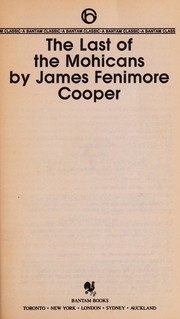
The Last of the Mohicans
During the French and Indian War, Hawkeye and two Mohican warriors try to save two British sisters from a Huron chief whose revenge will end the Mohican line.
2,017-word summary · 9 min read
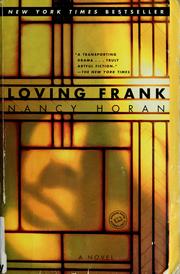
Loving Frank
Mamah Borthwick Cheney leaves her family for Frank Lloyd Wright, and their affair becomes a public scandal that ends in tragedy at Taliesin.
2,034-word summary · 9 min read