
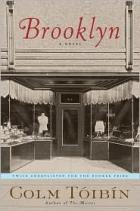
Brooklyn
2,143-word summary 10 min read 262 pages in the book
- First published
- 2009
- Publisher
- Scribner
- Pages
- 262
- ISBN
- 9781439138311
- Series
- Eilis Lacey (#1)
Reading options
What's inside (7 sections)
I read Brooklyn slowly on trains, which suits a novel about crossings, and finished with the ache of having lived in two places at once. Colm Toibin's 2009 novel, 262 pages in Scribner first, follows Eilis Lacey from Enniscorthy, Ireland to Brooklyn boarding house work and love, then home on loss that forces a choice. Quiet, precise, devastating in understatement. It won no big prize it needed. Readers gave it permanence through word of mouth and film.
Enniscorthy to Brooklyn
Eilis grows up in 1950s Enniscorthy with mother and sister Rose, bright at bookkeeping but jobless as Ireland exports youth. Priest Flood arranges passage, job at Bartocci's department store, and room at Mrs Kehoe's respectable house for Irish girls. Leaving is a blur of guilt and relief. Mother packs without crying to be strong. Rose gives savings to start. The boat crossing sickens. Ellis Island questions shame. The train to Brooklyn smells of smoke and hope. Toibin writes emigration without romance. Seasickness, bad food, shared bunks, fear of theft. Leaving is endurance before opportunity.
Mrs Kehoe's house rules shape first months with comedy and control. No visitors after nine, no cooking that smells, church Sundays, rent due Fridays with exact change. Boarders include Patty and Diana, giggly and kind, and Miss Kelly, sour and watchful. Eilis, shy and homesick, eats little, writes long letters home that lie about happiness to spare mother. Work at Bartocci's is standing all day with sore feet and rude customers, supervised by Miss Fortini who notices Eilis's neat accounts and offers more hours. Night classes in bookkeeping at Brooklyn College give structure and a future beyond counter. Small wins accumulate. A paycheck saved. A test passed. A bus route learned without asking.
What hooked me is Toibin's restraint with interiority. Eilis rarely names feelings beyond lonely and tired. Actions show. She irons blouses for Sunday, attends dances she dreads, answers letters the day they arrive. Homesickness is described physically. Stomach ache, sleeplessness, inability to eat American sweets too sweet. Readers fill emotion where she withholds, which makes the book participatory in ways chatty narrators prevent. You mother her a little while reading, wanting her to eat and go out. That care implicates you in later choices. You want her happy in both places though both cannot hold.
Rose's letters from home carry news that wounds through cheer. Mother aging, town gossip, Rose's own suitors declined to stay with mother. Eilis reads guilt between lines. To leave was to abandon though staying meant waste. Immigrant math with no solution, only management through remittances and calls. Toibin, himself an emigrant who writes about leaving well, honors both sides without picking. Home needs you. Away needs you to need away. Choose and lose something either way.
Tony and Mrs Kehoe's
Tony Fiorello courts Eilis with persistence that could annoy and instead charms through decency. Italian American plumber, second generation, funny about baseball, serious about family. He meets her at a dance, walks her home though long way, asks to meet Mrs Kehoe properly, brings flowers for the house not just her. His family invites her to crowded Sunday dinners with pasta and teasing that overwhelm an Irish girl used to quiet. Eilis likes him slowly, then all at once after a beach day where his brothers include her without othering. Love here is not lightning. It is repeated kindness that builds trust across cultures that share Catholicism but not history.
Mrs Kehoe's house both protects and polices courtship. Curfews force goodnight kisses on stoops watched by boarders. Gossip travels faster than subway. Miss Kelly reports late returns to Mrs Kehoe, who warns Eilis about Italians with coded concern that reads as prejudice and care tangled. Eilis learns to navigate with small lies about study groups to gain evenings. Toibin does not judge. Girls in such houses traded freedom for safety and resented both. The boarding house is character with rules that shape romance as surely as Tony's charm. Without its constraints, love would have no texture of stolen time.
Night school and work show Eilis competence that romance does not eclipse. Bookkeeping exams passed with high marks despite English terms unfamiliar. Store promotions offered though she plans to leave. Toibin insists women's work matters as much as love in immigrant stories. Eilis is not saved by Tony's wage. She saves herself through ledgers that prove employability in either country. That economic spine will matter when she must choose between Brooklyn job with future and Enniscorthy offers that trade on guilt. Money is freedom to choose rather than be chosen.
A fair note is quietness that some call dullness. Long passages about shop routines, Mass times, letter writing. No villains, no affairs, no dramatic illness until late. If you need plot, the film adds tension with glances and music. The novel trusts accumulation. Read when calm enough to notice small shifts. A hand held a second longer. A letter answered a day sooner. Those are plot here. Patience rewards with ache that loud books cannot touch.
Rose dies and return
News of Rose's sudden death from heart failure shatters Brooklyn balance. Eilis, now secretly married to Tony at City Hall before his family knew? Actually married quietly to seal love before trip, sails home for mourning with promise to return in weeks. Enniscorthy welcomes with jobs and suitors it denied before. A firm offers bookkeeping at good pay. Jim Farrell, decent local man Rose half chose for Eilis, courts with walks and dances. Mother, grieving Rose, leans hard without asking directly to stay. The town that exported Eilis now claims her as success to keep. The irony would be funny if grief did not choke it.
Eilis drifts in ways that frustrate and convince. She does not tell Jim or mother about Tony. She lets days pass, attends outings, considers staying because guilt plus comfort plus Jim's kindness make Brooklyn feel like dream. Toibin writes this drift without condemning. Grief makes decisions for the bereaved through inertia. Eilis, who never chose loudly, now must choose between husbands in effect if not law. Letters from Tony go unanswered for days though she loves him. Shame silences more than doubt. To admit marriage would end Irish idyll and force rupture she lacks strength to stage while mourning sister.
Mrs Kehoe's rules echo in mother's house with different locks. Curfews replaced by expectations to attend Mass, to visit neighbors, to be available. Eilis, now a married woman used to Brooklyn privacy, chafes at being treated as girl again. That chafing clarifies. Home is not home after leaving though love remains. The choice is not between good and bad men. Jim is kind and suitable. Tony is kind and far. It is between lives. One where she is known from childhood and watched. One where she is unknown and free to become. Most emigrants face some version. Toibin honors both without ranking.
The final confrontation with Miss Kelly? No, with a local gossipy employer who threatens to expose the marriage, forces Eilis to act. Told that secret will spread, Eilis books passage back, tells mother the truth about Tony, and endures mother's silence that is worse than shouting. The parting at the dock mirrors arrival with roles reversed. Mother packs without crying. Eilis boards sick but resolute. Last lines about loving Tony and Brooklyn as home land quietly after storm of indecision. No triumph music, just a woman choosing a life she built over one she inherited. I cried at the restraint. To choose without denouncing home is the emigrant art Toibin practices himself.
Read it before or after the film with Saoirse Ronan, which is faithful and luminous but louder in score. The novel's power is in what it withholds. No sex scenes detailed, no fights, no villains beyond circumstance and kind people with claims. At 262 pages it fits a weekend with tea. It will make you call your mother and check your own divided loyalties between places that both claim you. Brooklyn argues home is where you do the work of staying, not where you were born. Eilis stays in Brooklyn by returning, not by never leaving. That paradox is the immigrant truth the book holds gently and firmly at once.
Priest Flood, Mrs Kehoe, and work
Priest Flood, who arranges passage and job, embodies chain migration kindness with strings of expectation. Irish priest in Brooklyn who places girls in jobs and rooms, takes no fee but expects Mass attendance and good reports back to families. He means well and wields power through gratitude that binds. Eilis owes him and knows it. When she considers staying in Ireland after Rose dies, she pictures his disappointment alongside mother's silence. Debts of passage are moral, not financial, and harder to repay. Toibin, who left Ireland with help from priests and teachers, writes such debts without rancor. Help that enables also obligates. Freedom bought with sponsored tickets still costs.
Mrs Kehoe's boarding house runs on rules that look fussy and work as care. Curfews that keep girls safe on dark streets. Meal times that force company on the lonely. Gossip that polices and also notices when someone stops eating. Eilis chafes at surveillance while relying on its safety to walk home late from classes. Boarders Patty and Diana become sisters through shared bathroom schedules and dress loans. Miss Kelly's sourness warns what happens when rules harden into judgment. Mrs Kehoe herself, widowed and sharp, sees more than she says and intervenes with landladies' tools. Extra blanket without asking. A firm word to a suitor who lingers too long on stoop. Those small governs shape Eilis more than any sermon about America. Home as managed house, not just feeling.
Work at Bartocci's and night school together argue for women's economic personhood as heart of immigrant success. Miss Fortini promotes Eilis for neat accounts rather than looks. Teachers praise essays though accent marks her foreign. Pay envelopes saved in a tin teach budgeting better than advice. When Enniscorthy later offers a good bookkeeping job to lure her back, Eilis can compare real numbers rather than nostalgia. Brooklyn pays more with higher rent. Home pays less with lower costs and mother care included. Choice becomes calculation as well as love, which is why it feels adult rather than romantic. Toibin respects readers enough to show ledger alongside letters. Staying must pencil out as well as feel right when boats cost and mothers age.
Jim, Rose, and staying
Jim Farrell, the Enniscorthy suitor who waits with dances and job offers, deserves a fair look as more than obstacle. Kind, solvent, funny about hurling, respectful of Eilis's Brooklyn polish without resenting it. He courts through walks that allow talk, not grand gestures that demand answer. Rose, before death, half chose him for Eilis in letters that read as matchmaking from beyond. Mother continues the push gently by inviting him to teas where Eilis must be polite. Choosing Jim would mean a good life by local standards. House near mother. Work respected. Children raised among cousins. Toibin makes the alternative genuinely attractive rather than straw to knock down for America. That fairness makes Eilis's return to Tony braver because she refuses comfort, not misery.
Rose herself, dead before the choice, haunts through memory of competence and sacrifice. Older sister who stayed to care for mother, gave savings for passage, wrote weekly with news edited to spare guilt. Eilis learns after death that Rose declined marriage prospects to keep home intact, a fact mother reveals late with tears. Guilt compounds grief. Did leaving kill Rose through overwork and loneliness. Doctors say heart, but daughters hear blame. Eilis's drift in Enniscorthy reads partly as penance. Stay to atone by replacing Rose with herself. Toibin understands that grief offers such bargains and shows why they fail. You cannot replace a sister by taking her room. The living must live their own lives, not finish the dead's. Rose would have wanted Brooklyn happiness over Enniscorthy duty, a truth Eilis reaches only when threatened with exposure forces honesty.
Staying versus leaving resolves not through epiphany but through disgust at small town surveillance that once felt like care. An employer who threatens to tell about Tony unless Eilis stays for Christmas work party. Neighbors who track Mass attendance. Mother's silence after truth that punishes more than shouting. Brooklyn, with its noise and rudeness, suddenly feels honest in its indifference. No one there watches her womb or pew. Tony waits without demanding she choose quickly though tickets expire. That patience contrasts with Enniscorthy pressure and clarifies. Home that loves conditionally is harder than strange city that leaves alone. Eilis boards with relief tangled in sorrow that will last. Both places keep claims. She can only answer one with body while holding the other in letters. That divided answer is emigration itself, not failure to commit.
FAQ
When was Brooklyn published?
Scribner published the US first hardcover in 2009. It runs 262 pages with ISBN 9781439138311.
Is Brooklyn part of a series?
The list marks it as Eilis Lacey book one, following Eilis from Enniscorthy to Brooklyn and back.
Who does Eilis love in Brooklyn?
Tony Fiorello, Italian American plumber who courts Eilis honestly and offers family and house.
Similar books
More from Eilis Lacey first, then related titles.

Daughter of Fortune
Eliza Sommers flees Chile for California gold rush San Francisco, disguised and searching for her lover, finding freedom with Tao Chi'en.
2,009-word summary · 9 min read
The Stationery Shop
Two teenagers fall in love in a Tehran stationery shop in 1953, are separated by the coup and a family deception, and meet again sixty years later.
2,024-word summary · 9 min read

The Lowland
Two brothers grow up beside a marshy lowland in Calcutta, and the choices of the younger one draw the older into a life of duty, distance, and quiet grief that…
2,213-word summary · 10 min read

Ivanhoe
A disinherited Saxon knight, a great tournament, a besieged castle and a trial by combat. Scott's most famous novel, set in England in 1194.
2,834-word summary · 13 min read
Euphoria
Three anthropologists in 1930s New Guinea turn fieldwork into a love triangle, and a real history breathes behind them.
2,048-word summary · 9 min read

This Is How You Lose Her
Yunior cycles through love affairs and betrayals in nine linked stories, tracing the damage he does and the family history behind it.
2,195-word summary · 10 min read

Written in My Own Heart's Blood
1778 war splits Jamies and Claires across rebellion and time as Brianna hunts a kidnapped son.
2,008-word summary · 9 min read
The English Patient
In a ruined Italian villa in 1945, a burned man, a nurse, a thief, and a sapper trade pasts shaped by desert love and war.
2,006-word summary · 9 min read
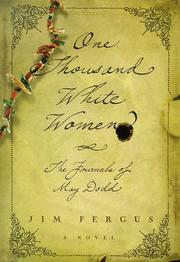
One Thousand White Women: The Journals of May Dodd
May Dodd journals joining Cheyenne as a bride in an 1875 government swap, learning prairie life and loss.
2,036-word summary · 9 min read
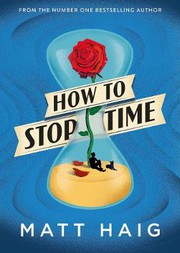
How to Stop Time
Tom Hazard, aging one year in fifteen, hides behind new identities until a London classroom and a lost daughter force him to live.
2,597-word summary · 12 min read
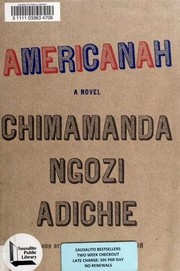
Americanah
Ifemelu leaves Nigeria for America on a scholarship, blogs about race and hair, while Obinze endures undocumented London until they reunite years later in…
2,527-word summary · 11 min read
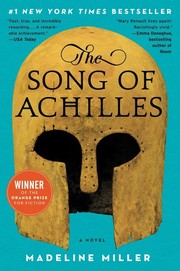
The Song of Achilles
Song of Achilles retold: Patroclus and Achilles from boys to Troy, love and war in Miller prose.
1,925-word summary · 9 min read

Violeta
A woman born in 1920 writes her life story to her grandson, from one pandemic to another, through wealth, ruin, passion, and dictatorship in South America.
2,555-word summary · 11 min read

The Japanese Lover
A Polish refugee and the son of a Japanese gardener fall in love in San Francisco in 1939, then keep the affair secret for nearly seventy years.
2,286-word summary · 10 min read

Anatomy: A Love Story
In 1817 Edinburgh, a noblewoman who wants to be a surgeon disguises herself to study anatomy and falls for the grave robber who supplies her with bodies.
2,031-word summary · 9 min read

Alone With You in the Ether
Two people in Chicago agree to six conversations, and the experiment becomes a love affair that is also a study of bipolar disorder, obsession, and the shape…
2,713-word summary · 12 min read

The Shadow Sister
Star D'Apliese steps out of her sister's shadow and follows a bookshop clue into the Edwardian life of Flora MacNichol, a woman who gave up love for duty.
2,260-word summary · 10 min read

The Valley of Horses
Exiled from the Clan, Ayla survives alone in a hidden valley, tames a horse and a cave lion, and nurses a wounded stranger back to life.
2,311-word summary · 10 min read

Sophie's Choice
A young Southern writer in 1947 Brooklyn befriends a brilliant, unstable couple and slowly learns the story of the Polish Catholic woman at the center of their…
2,798-word summary · 12 min read

Fathers and Sons
Arkady brings the nihilist Bazarov home to his father's estate, and a generational argument turns into love, a duel, and an early death.
2,192-word summary · 10 min read

Unaccustomed Earth
Lahiri’s second story collection follows Bengali families in America and abroad, tracing the quiet distances between parents and children, spouses, and the…
2,333-word summary · 10 min read

The Storyteller's Secret
A New York journalist goes to India to learn why her grandmother loved a British officer, and why a family servant kept the truth for forty years.
2,270-word summary · 10 min read
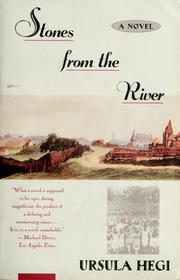
Stones from the River
Trudi Montag is born a dwarf in a small German river town in 1915 and grows up to keep the town's library and its secrets, from the First World War to the…
2,818-word summary · 13 min read

Origins
Stefan's diary of 1864 and 1888: how he and Damon fell for Katherine, became vampires, and went looking for a killer in London.
2,056-word summary · 9 min read

On Chesil Beach
Two newlyweds spend one terrible night on Chesil Beach in 1962, and the rest of their lives is decided by it.
2,456-word summary · 11 min read
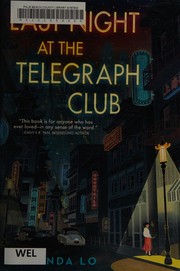
Last Night at the Telegraph Club
The 2021 National Book Award winner follows Lily Hu, a Chinese American teenager in 1954 San Francisco, as she falls for Kath and learns what it costs to be…
2,336-word summary · 10 min read
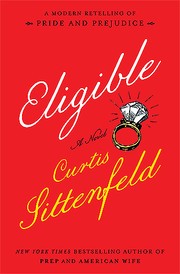
Eligible
Austen's Bennet sisters move to modern Cincinnati, where marriage is a reality show and the house is losing its value.
2,293-word summary · 10 min read

Big Swiss
A transcriptionist for a sex coach falls for one of his clients, the tall Swiss gynecologist she calls Big Swiss, in a funny novel about work and secrets.
2,523-word summary · 11 min read

Wide Sargasso Sea
Jean Rhys gives the first Mrs. Rochester a Caribbean childhood, a marriage built on money and suspicion, and a voice that Charlotte Bronte left in the attic.
2,021-word summary · 9 min read

What the Wind Knows
Annie scatters her grandfather's ashes on Lough Gill and is pulled into 1921 Ireland, where she becomes the missing Anne Gallagher and falls for Dr. Thomas…
2,056-word summary · 9 min read