

A Conjuring of Light
3,660-word summary 16 min read 624 pages in the book
- First published
- 2017
- Publisher
- Tor Books
- Pages
- 624
- ISBN
- 9780765387462
- Series
- Shades of Magic (#3)
Reading options
What's inside (8 sections)
I came to this one tired in the best way, the way you feel at the end of a long trip when you want to get home but you also do not want it to stop. A Conjuring of Light by V. E. Schwab was first published in 2017 by Tor Books, a 624 page hardcover with ISBN 9780765387462. It is book three of Shades of Magic, after A Darker Shade of Magic and A Gathering of Shadows. I had lived with Kell and Rhy and Lila Bard and Alucard Emery through stones and games and masks, and I wanted a finish that would let them rest. I read it in big gulps, late at night, with a pencil nearby that I never used because I kept forgetting to put the book down.
If you have not read the first two, start there. This is a true finale. It picks up threads from Red London court life, from White London hunger, from Grey London theft, and from the sealed door of Black London. Kell carries a life bound to his brother. Lila carries new Antari power she barely controls. Rhy carries a crown he did not expect to wear so soon. Alucard carries a ship and a past full of debts. Holland carries something worse than all of that, a passenger made of shadow and appetite. The Londons themselves feel sick, with magic running thin in some places and wild in others. Schwab moves between these people chapter by chapter, and the shared life between Kell and Rhy shapes every choice.
What follows walks through the book in order, with room for what I loved and what tried my patience. I will keep some plot turns soft because part of the fun is watching doors open. The facts above are firm. The rest is my reading, told plain.
Red London holds its breath
Red London opens the book in celebration and fear at once. The Essen Tach games brought pride and visitors and gossip. They also let something cold slip closer. Rhy Maresh, prince of Red London, plays host with a smile that costs him. He was saved by blood magic that tied his pulse to Kell, and everyone near court knows the story in some bent form. Servants bow lower. Guards watch doors. His parents, the king and queen, speak of strength and grain and ships while studying their sons for signs of breaking.
Kell feels the strain first in his body. As one of the last Antari, able to cross between Red and Grey and White London with blood and will, he has always paid for travel in strength. Now travel itself seems wrong. Doors resist. The air tastes flat, then too sweet. Spells flare or fail. He reports this to the crown and gets careful nods, the kind adults give when they already fear the same thing and do not want to say it aloud. I liked these early court scenes because they show power as paperwork. Sealing orders. River patrols. Letters to far empires. Magic fails, and someone must still pay the sailors.
Rhy tries to be useful in the way only Rhy can, by being seen. He walks markets. He drinks with captains. He thanks healers. He jokes with kitchen staff who have known him since he stole tarts. Under that charm he is angry and afraid. He owes his life to Kell and hates the debt even as he loves his brother. Their bond means a cut to one can kill both. That fact sits in every room they share. Who sleeps. Who stands guard. Who is allowed to risk. Schwab writes this without speeches. A hand checked for fever. A coat pulled tighter. A look that says stay inside tonight.
Lila is gone from court when the book starts, and her absence hums. People speak of Bard, the masked fighter from the games, with awe and doubt. Was that Grey London thief really Antari. Did she really stand against White London cold. Kell checks the docks more than he admits. Rhy asks after ships with forced lightness. The city wants heroes to stay for parades. Heroes rarely do. This stretch is slow on purpose, setting tables before they are flipped. I found it rich rather than dull, though readers who want battles at once may fidget. The dread builds like weather. Bells ring wrong. River fog stays too long. Dogs bark at empty stairs.
A small note on length here. Schwab likes to dress her people. Coats, sashes, boots, pins, all get loving detail. Sometimes a fitting scene tells you who holds coin and who holds knives. Sometimes it just tells you about buttons. In these opening hundred pages I skimmed one long preparation for a public rite and missed little. The gain is texture. Red London feels wet and warm and fed, in contrast to what comes next. You need that comfort in your mouth to taste what hunger means later.
Kell and Rhy and the price of a linked life
The heart of the series has always been Kell and Rhy, and this book puts that bond under full weight. Kell Maresh was raised as a prince in all but blood, an Antari ward of the Red London crown, loved and owned in equal parts. Rhy Maresh was raised as the true prince, golden and careless, adored by crowds who never saw his fear. After death touched Rhy, Kell tied them with old magic. One life cut in two. It saved Rhy. It caged Kell. Now both must learn what that saving costs when war asks for more.
Kell spends much of the middle trying to be good in an impossible spot. The king orders him to stay close. The queen asks him to smile at dinners. Mages ask him to test doors that may kill him. He obeys, then slips out to test them alone anyway, because Antari guilt runs deep. He believes he failed Holland once. He believes he failed Lila by leaving her to sea. He believes he failed Rhy by binding him without asking. That guilt makes him brave and stupid in turn. He volunteers for crossings others fear. He hides nosebleeds. He practices blood sigils until his hands shake. I ached for him even when I wanted to shake him.
Rhy refuses to be a pretty weight. He trains with guards despite healers scolding him. He learns which lords hoard grain and which captains can be trusted with sealed orders. He sits with his mother over maps and asks plain questions about food and fuel. If White London starves, will our stores hold. If doors close, how do we feed Vesk guests stranded here. These scenes give Rhy a spine the first book only hinted at. He is still funny. He still flirts with danger and with people. But he checks on Kell each night with a care that has nothing to do with courts. One quiet scene where he brings soup himself instead of sending a servant told me more than any oath.
Their fights land because both are right. Kell says you cannot rule if you are dead, so let me take the risk. Rhy says you cannot live as my shield, so let me share it. The king and queen watch this with grief that feels parental rather than royal. They chose to keep an Antari child as a son and as a tool. Now the bill arrives. Should they spend him to save the city. Can they order a son to die politely. Schwab does not let them off easy. Orders are given. Orders are bent. Love breaks protocol in small, costly ways.
If there is strain, it is repetition. Kell broods on his cage in similar terms across several chapters. Rhy drinks and regrets and resolves in a loop. I get why. Linked lives would haunt anyone. Still, a tighter pass could have cut one late night talk on a balcony and one early morning talk on a stair and lost nothing. The blood magic rules stay clear throughout, which helps. Blood opens doors. Blood pays. Blood remembers. When the end comes, that memory matters.
Lila Bard and Alucard Emery at sea and ashore
Lila Bard remains my favorite kind of trouble. A Grey London thief with a pistol and knives and a grin, she crossed into Red London by theft and stayed by will. By this book she knows she is Antari, rare and raw, able to work blood magic that others study for years. Knowing does not mean control. Her spells break things. Her crossings leave her sick. She covers fear with theft and jokes, stealing food she does not need and picking locks that are already open. I love her and I worried for her the whole way.
Much of her early story moves with Alucard Emery, privateer captain, water mage, fallen lord son, and the closest thing Lila has to family by choice. Their ship life suits them both. Alucard reads weather and men with the same quick eye. Lila climbs rigging, cheats at cards, learns sea names for winds, and practices magic in secret on deck at dawn. Alucard catches her and teaches in his sideways way, through mockery and small mercies. Do it again slower. Eat first. Sleep or you will kill us all. Their banter hides real care. He knows what it is to be cast out for wanting more. She knows what it is to want a door that stays open.
Ashore, Lila chafes at court manners. She bows wrong on purpose. She wears stolen coats to royal councils. She asks blunt questions that make lords cough. Why guard a door by starving the people near it. Why call Antari rare and then spend them like coin. Her rudeness is a moral tool. It strips polish off hard truths. Kell finds her both relief and risk. Relief because she says what he cannot. Risk because enemies mark her as his weak point. Their bond, forged in theft and travel, deepens here into something steadier than sparks. They argue about cages and keys. Who gets to choose danger. Who gets to leave. No big kiss solves it. Work does.
Alucard gets strong chapters of his own, and I was glad. He must face his family and his past lover and his crew, all of whom want different versions of him. His mother wants a lord son returned. His brother wants penance. His crew wants pay and safe return. His former lover wants truth about a betrayal that broke more than hearts. Alucard meets each with charm that thins as the book goes, until charm drops and plain talk remains. I did this. I will not do it again. Forgive or do not. That plainness costs him and frees him at once. His water magic shines in river fights and storm work, all ropes and tides and held breath. Schwab writes sea action well. You hear wood groan.
The criticism I hold here is about skill growth. Lila learns fast, very fast, for someone with months of practice facing trained killers. She wins fights that should humble her. Schwab tries to balance this with costs. Nosebleeds. Blackouts. A hand that will not stop shaking. Still, I wanted one clean loss in the middle to make later wins feel earned. As written, her power can feel like permission rather than price. Fans may not mind. I minded only a little, because her losses of trust hit harder than any duel. When she fails to ask for help, people bleed.
White London and Holland walk back into fire
White London has always been the cold mirror to Red London warmth. Where Red London magic runs like river water, White London magic runs thin and mean, hoarded by those strong enough to take it. The Danes who ruled it through cruelty are gone or broken. The city starves. Mages drink from each other. Streets empty after dark. Schwab returns us there through Holland, the Antari who served White London kings and then served worse masters, and who now walks with death at his shoulder.
Holland is the saddest figure in this finale, and the hardest to look away from. Once a green eyed Antari made into a tool, chained and spent by rulers who feared him, he died and did not get to stay dead. Something found him in that gap. Readers of book two will know the shape of it. A shadow presence with old hunger, keen to feed on live magic and to reach through doors into richer worlds. Holland carries it because he has no choice and because part of him is too tired to fight. His chapters are spare and cold. He notes bread prices. He notes patrol routes. He notes the exact weight of a knife. Then the hunger moves and notes warm bodies.
I appreciated that Schwab does not make Holland a simple villain here. He warns people when he can. He spares when sparing costs him pain. He remembers every master who used him, from White London kings to Red London orders that left him as a message. That memory makes him clear eyed about Kell and Rhy and Lila. You bind each other with love, he seems to say, and call it better than chains. Chains are chains. There is truth in that, enough to sting. Kell hears it. Rhy hears it. Lila refuses it, which may be pride or wisdom or both.
White London scenes are grim in a good way. A market where spells are traded for bread. A palace where empty thrones gather dust and teeth marks, so to speak. Loyalists who want the old cruelty back because cruelty at least fed them. Reformers who want Red London grain and have no coin to pay. Holland moves through them like weather, both victim and storm. When Kell and others must enter that city, every step costs. Masks help. Lies help more. Blood helps most, and costs most. One crossing sequence, with a door that opens onto wrong cold and wrong light, raised the hair on my arms. No monsters jumped out. The air itself felt tired of being used.
If the villain plan feels thin later, the seeds sit here. Hunger wants to eat. That is not complex. Schwab tries to give it history and voice, through old stories and half remembered songs, but appetite stays appetite. I found Holland compelling and the thing riding him less so. A hungry shadow can scare me for a chapter. Across six hundred pages I wanted motive with more shape. Still, the human cost around him works. White London folk choosing between slow starvation and fast service to shadow made my chest hurt. That choice needs no horns to feel dire.
The shadow king and the Black London door
At the center of the finale sits a name spoken carefully, Osaron, a shadow king tied to old magic and to the fall of Black London. The books have taught us the shape of the worlds. Red London thrives. Grey London forgets. White London starves. Black London was sealed after its magic turned on its people, a door closed by Antari blood and fear. Now seals thin. Doors leak. A being of shadow that feeds on magic presses at those leaks, promising strength to the hungry and freedom to the bound. It speaks in voices borrowed from hosts. It keeps promises the way rivers keep banks, until flood.
Schwab keeps this threat half seen for a long while, which I think is wise. We get signs rather than lectures. A spell that should call water calls ash. A message sent by blood arrives backward. A healer touches a patient and feels something drink back. Kell tests a door and finds Black London on the other side where it should not be, all bright ruin and sweet rot. He closes it shaking. Rhy feels the echo through their link as nausea and cold sweat. Lila dreams of a city that sings to her blood. These beats build better than any council speech. Magic itself is ill, and Antari are both cure and bait.
The middle push involves gathering strength without feeding the shadow. Red London cannot simply pour power at the problem, because power draws it. White London cannot be left to starve, because hunger invites it. Grey London cannot be told plainly, because Grey London has walled off magic and would call it plague. So Kell and Lila and Alucard and Rhy run a narrow path. Warn without panic. Arm without display. Find old lore on sealing without opening what they study. One library hunt through waterlogged archives, with Alucard holding a lamp and Lila picking a lock that has not been touched in years, felt like classic Shades joy. Dust, jokes, fear. Then a page that should help reads like a warning instead.
Action, when it comes, is large and personal at once. Ships burn on a river that reflects wrong stars. Streets empty as bells ring out of order. Antari blood opens and closes passages while ordinary soldiers hold lines with pikes and prayers. Kell faces Holland in scenes that carry three books of weight. They are kin in the way only last Antari can be, both raised as tools, both tired of kneels. Their fights mix spells and talk, which I prefer to pure light shows. Why serve shadow. Why serve kings. Is there a third way that does not spend the small to save the large. Holland answers with grief. Kell answers with stubborn love. Neither answer is clean.
I will keep the final door work general to leave you the joy of it. Doors strain. Debts come due. People choose who stands where when the seal must hold. Rhy gets a brave hour that made me proud and scared for him. Lila pays a price that feels true to her thief heart. Alucard holds a line that suits his captain soul. Holland finds a choice that is his at last, after years of leashes. The magic imbalance steadies not because someone is strongest but because people stop feeding hunger with fear and spite. That theme could have felt soft. On the page, with blood on hands and smoke in lungs, it felt earned.
A note on pirates, since the tag promises them. This is not a book of treasure maps. Alucard privateering gives sea chases and boarding action and port taverns full of spies. Lila thieving gives cut purses and picked locks and false papers. If you want tall ships through every chapter, you will be hungry. If you want thieves and privateers caught in a war of worlds, you will eat well. The sea matters most as freedom set against court walls. When sails fill late in the book, I felt the lift like a held breath let go.
What worked and what wore me down
What worked best for me was the people. Kell learning to ask instead of only giving. Rhy learning to carry instead of only shining. Lila learning to stay instead of only running. Alucard learning to face instead of only charming. Holland learning, too late and just in time, to choose. Schwab writes love in many forms here. Brother love. Friend love. Lover love still shy. Crew love. City love. None of it cures hunger alone. Together it holds doors that strength alone could not. I cried twice, once at a small kindness involving a coat and once at a large choice involving a door. Both felt true.
The writing itself stays readable across a big canvas. Short scenes cut between Londons without losing place. Magic rules stay firm. Blood opens. Balance demands. Hunger grows when fed. Court talk sounds like court talk, all titles and weather words hiding knives. Thief talk sounds like thief talk, all slang and quick math. Sea talk sounds like work, all rope and tide. The finale pace helps too. After early setup, the last third moves fast without turning to mush. Chapters end on turns that made me say one more, then three more.
What wore me down was size and spread. At 624 pages with many viewpoints, the book repeats states of mind. Kell caged. Rhy guilty. Lila restless. Alucard charming through pain. Holland tired. I knew these truths by page two hundred. I did not need them restated at page four hundred with new coats on. A few council debates and costume fittings could have been cut. A few travel crossings blur together. The villain, as noted, stays thin. Osaron hungers and promises and threatens, but never quite becomes a person to me. Fear of hunger is real. Hunger itself is flat.
Should you read it. Yes, if you loved books one and two. This is not an entry point. Start with A Darker Shade of Magic, then A Gathering of Shadows, then come here for payoff. Keep a list of players and Londons handy for the first fifty pages until names settle. Grey, Red, White, Black. Kell, Rhy, Lila, Alucard, Holland. Watch hands. In this series hands tell truth when mouths lie. Blood on a palm, a glove adjusted, a ring turned. Schwab hides honest lines in small gestures.
I closed the book sad and satisfied, which is the best a finale can do. Doors close. Debts settle. Some people sail. Some stay to rule. Some rest at last. Magic steadies but does not turn safe, because power never does. I will miss checking docks for a thief grin and checking courts for a prince laugh. If you read for found family and costly magic and Londons that feel like weather, this finish gives you a home to leave and a sea to keep. Take your time with the last hundred pages. Let the bells ring. Let the fog lift. Say goodbye properly.
FAQ
Is A Conjuring of Light part of a series?
Yes. It is book 3 of Shades of Magic, after A Darker Shade of Magic and A Gathering of Shadows. It closes the main story of Kell, Lila, Rhy, and Holland.
When was A Conjuring of Light published?
Tor Books published it in 2017. The hardcover runs 624 pages and the ISBN is 9780765387462.
Who are the main characters?
Kell and Rhy Maresh, Delilah Bard, Alucard Emery, and Holland carry most of the story. A shadow figure tied to old magic presses them from White London and beyond.
Similar books
More from Shades of Magic first, then related titles.
A Darker Shade of Magic
Antari Kell Maresh, a blood magician who travels between Londons, meets thief Delilah Bard after she steals a stone of Black London magic that should have…
2,541-word summary · 11 min read
A Gathering of Shadows
Kell and Lila reunite for magical games in Red London while a new power hunts Antari blood.
2,055-word summary · 9 min read

The Subtle Knife
Will finds a window to Cittagazze, meets Lyra, and both hunt the knife that cuts between worlds.
3,227-word summary · 14 min read

The Blinding Knife
Kip trains to join the Blackguard while the Prism hides his true identity, loses his colors, and fights a war against a rogue drafter who wants to birth a god.
2,049-word summary · 9 min read

Inkdeath
The final Inkworld novel sends Mo into the land of the dead, leaves Meggie choosing between two boys, and ends the Adderhead's immortality with three written…
2,062-word summary · 9 min read
Hounded
A two-thousand-year-old druid runs a bookshop in Arizona, hides from an Irish god who wants his sword back, and talks to his dog.
2,159-word summary · 10 min read
Dawnshard
Rysn sails toward forbidden Akinah to save her dying larkin and finds a Dawnshard guarded by the Sleepless.
3,229-word summary · 14 min read
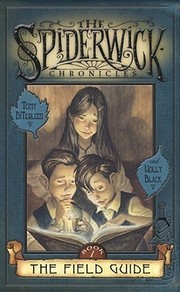
The Field Guide
Three siblings move into a creepy Maine estate, anger a brownie, and find a forbidden guide to the fairy world in the first Spiderwick book.
2,033-word summary · 9 min read

Magic Burns
A magic flare hits Atlanta, and mercenary Kate Daniels must recover stolen maps, find a missing witch, and keep a teenage girl alive while Celtic gods try to…
2,021-word summary · 9 min read
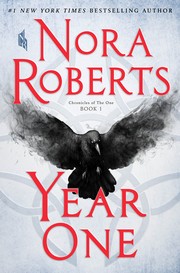
Year One
A plague released in Scotland kills most of humanity, and the survivors discover magic, build a town, and wait for a child who may save them.
2,029-word summary · 9 min read
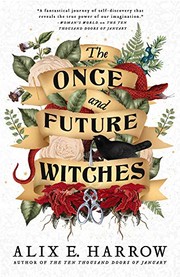
The Once and Future Witches
Three estranged sisters bring witchcraft back to an 1893 city where magic hides in nursery rhymes and the fight for the vote is also a fight for power.
2,132-word summary · 9 min read
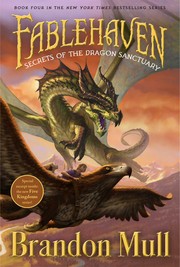
Secrets of the Dragon Sanctuary
Kendra is replaced by a plant copy and held by the Society, while Seth steals a unicorn horn so the family can enter a dragon sanctuary.
2,590-word summary · 12 min read

Lioness Rampant
Alanna searches for the Dominion Jewel with the Shang Dragon, then returns to Tortall to face Duke Roger at Jonathan's coronation.
2,478-word summary · 11 min read

Blood Bonds
Oleander is chained in a Resistance camp, and her five Bonds have to find her before Silas Davies finishes what he started in this third Bonds that Tie book.
2,018-word summary · 9 min read
Witches Abroad
Three Lancre witches fly to Genua to stop a fairy godmother from forcing a servant girl into a storybook marriage, and find a city arranged around a happy…
2,651-word summary · 12 min read
The Time Paradox
When his mother falls ill with a fairy disease, Artemis Fowl travels back in time to find the extinct lemur that can cure her and confronts his younger self.
2,601-word summary · 12 min read

The Siren
Saved from a shipwreck in 1930, Kahlen becomes a siren who sings men to their deaths for the Ocean, until a boy in a college library makes her want a life she…
2,369-word summary · 11 min read
The First Fifteen Lives of Harry August
Harry August dies and is born again into the same life, again and again, until a warning from a child tells him the world is ending faster with each pass.
2,189-word summary · 10 min read

The Golem's Eye
Two years after The Amulet of Samarkand, Nathaniel is a rising bureaucrat, Bartimaeus is his unwilling servant again, and something made of clay is tearing…
2,299-word summary · 10 min read
Magician's Gambit
Garion and his companions cross haunted Maragor and the caves beneath Rak Cthol to recover the Orb of Aldur.
2,391-word summary · 11 min read
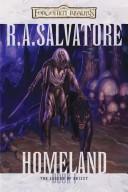
Homeland
Drizzt Do'Urden is born into the cruel drow city of Menzoberranzan, where his father teaches him to fight and to doubt everything his family believes.
2,303-word summary · 10 min read
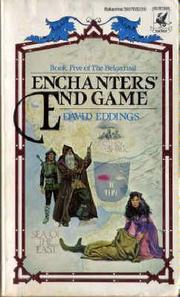
Enchanters' End Game
Garion marches toward Torak while Ce'Nedra leads the West's army in the final Belgariad volume, where prophecy and war meet.
2,557-word summary · 11 min read
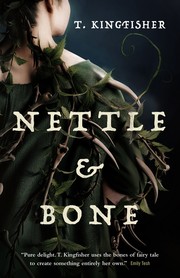
Nettle & Bone
Marra, a princess in a convent, leaves to save her abused sister, but first she must finish three impossible tasks: a bone dog, a nettle cloak, moonlight in a…
2,061-word summary · 9 min read
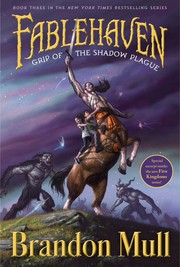
Grip of the Shadow Plague
A plague turns Fablehaven's creatures of light into shadows while Kendra hunts an artifact in Arizona and Seth races to find the cause.
2,131-word summary · 9 min read

The Rose & the Dagger
Shahrzad is pulled from her Caliph husband and left in a desert camp of rebels, needing to break his curse and end a war before it ends her.
2,520-word summary · 11 min read

The Queen of the Tearling
Nineteen-year-old Kelsea leaves the woods to take her throne, ends a shipment of human captives, and draws the Red Queen's revenge.
2,357-word summary · 10 min read
Hogfather
Death fills in for a missing Father Christmas, Susan Sto Helit hunts the Hogfather, and the twentieth Discworld novel turns Santa into a management problem.
2,871-word summary · 13 min read
Fool's Errand
FitzChivalry Farseer has lived in exile for fifteen years. When Prince Dutiful vanishes before his betrothal, Fitz returns to Buckkeep to find him, with a wolf…
2,606-word summary · 12 min read

We Hunt the Flame
In a fractured Arabia-inspired world, a disguised huntress and a prince-assassin race to find a magic-restoring book and confront an ancient evil.
2,195-word summary · 10 min read
The Sword of Shannara
A young half-Elf and a company of companions set out to recover a magic sword before the Warlock Lord destroys the Four Lands.
2,474-word summary · 11 min read