
A Darker Shade of Magic
2,541-word summary 11 min read 400 pages in the book
- First published
- 2015
- Publisher
- Tor Books
- Pages
- 400
- ISBN
- 9780765376459
- Series
- Shades of Magic (#1)
Reading options
What's inside (8 sections)
I picked up A Darker Shade of Magic because a friend said it was the rare portal fantasy where travel feels like work. First published in 2015 by Tor Books, it runs about 400 pages and opens the Shades of Magic series. I expected light fun about coats and knives. I got something heavier about hunger and ownership, dressed in a very fun coat. By the last fifty pages I was reading fast, sorry to leave Red London and glad to be done with White London for a bit.
The hook is simple. Four Londons share one shape on the Thames but sit apart. Red London, called Arnes, has living magic that warms the river. Grey London is our London in the time of mad George III, smoky and almost without magic. White London is starved and cold, where magic has been fought over until the city is thin. Black London is sealed. No one goes there. Only a few blood magicians called Antari can make doors between cities with their own blood. Kell Maresh is one of them. A thief named Delilah Bard robs him. A black stone wakes. That theft pulls all three open Londons toward trouble.
Kell carried the book for me, but Lila nearly stole it, which feels right. I liked the magic rules, the brothers, the fights on roofs and in throne rooms. I tired when Schwab stopped to lecture about how the worlds work, and I rolled my eyes at how often Lila walked out of harm untouched. Taken as a whole, the trade at the end lands. It asks what you would pay to save a brother or a city, and then it makes Kell pay it.
Kell Maresh, Antari of Red London
Kell Maresh lives in the Red London palace as adopted son of King Maxim Maresh and Queen Emira Maresh. He was taken in as a child for his rare power and raised beside their true son, Prince Rhy Maresh. Kell has red hair, one blue eye and one black eye marked by Antari blood, and a coat with many sides. Turn it one way he is a noble. Turn it again he is a beggar. He uses it to slip into the night market and to carry small banned tokens between worlds.
Antari means his blood speaks. He cuts his palm, presses it to a wall, and marks a door to step from one London to another. He can command earth and water and fire with spoken will and blood price. Red London loves him as a prince and fears him as a tool. Servants bow. Guards watch his door. Rhy teases him and loves him without reserve, which gives Kell his one soft place. Maxim treats him with stiff pride, as a weapon kept polished. Kell feels owned by kindness, which is its own kind of chain.
By day Kell serves as envoy. He carries formal letters from Maxim to mad George III in Grey London and brings back answers. He also carries for White London under guard, because someone must. By night he smuggles. A Grey music box. A jar of Red earth. Small things for collectors. It is foolish and he knows it. Schwab makes clear this habit comes from want, not greed. Kell wants a life that is his. That want lets a black stone slip into his pocket in Grey London and change everything.
Red London sold me fast. The river Isle runs red with magic. Ships with red sails crowd the docks. The palace glows at night. People wear bright coats. Beggars can light a finger. Nobles can shape stone. The Night Market sells spells in jars. The mood is generous, almost drunk on plenty. That plenty matters later. After White London, and after hearing what Black London did with plenty, Red London stops looking innocent. It starts looking lucky.
Grey London in the Time of George III
Grey London is London around 1819, dull and soot capped, ruled in name by George III in his long illness. Fog. Coal smoke. Narrow streets. Men in dark coats. No one believes in magic. Kell lands in a tavern called the Stone's Throw, walks to the palace in plain dress, and plays his part. The Grey king is old and lost in his head, talking to dead sons. Kell bows, speaks the formal lines, takes the sealed reply for Maxim, and leaves with a sore heart. He pities the old man. He also pities himself for lying for a living.
This is where the stone enters. Before the palace visit, Kell meets a Grey London man in a back room who holds something that should not exist in a world without flow: a smooth black stone that hums. Kell knows at a touch that it comes from sealed Black London. It whispers. It warms. It pulls at his blood. He should report it or drop it in the Thames. Instead his smuggler habit wins. He takes it, telling himself he will deal with it in Red London.
On the street Lila Bard cuts his pocket clean, takes the stone and his watch, and runs. Kell chases across fogged roofs. He catches her wrist. She turns and fires her pistol, then follows him when he bleeds a door back to Red London because she refuses to lose a prize. That chase sets them. Kell is stronger in craft. Lila is faster in nerve. Neither will drop the thing first. Lila lives in a boarding house attic, steals to eat, dreams of a ship. Kell lives in a palace and still feels caged. Neither fits where they were placed, which is why they click.
Lila Bard, Thief Who Wants a Ship
Delilah Bard calls herself Lila, dresses as a boy when it suits, keeps a knife at her hip and a flint pistol she treasures. She grew up hard in Grey London, learned locks and pockets, and told herself she would one day steal a ship and sail as captain. Not crew. Captain. She is rude, brave, funny, and selfish in the way hungry young people can be. She does not want to be saved. She wants to be seen.
Her theft is no master plan. She sees a fine mark, takes, runs. When she lands in Red London after trailing Kell through his door, she thinks she is dreaming. Colors too bright. River too red. Air too sweet. She steals clothes and food, then steals trouble by refusing to hand the stone back. Kell tells her it will kill her. She hears a dare. The stone speaks to her too, promising strength. She likes being wanted, even by a rock.
Her scenes with Prince Rhy give the middle its charm. Rhy finds this sharp Grey girl thrilling after court manners. He dresses her for a ball, dances with her, asks about ships and pistols. Lila mocks his velvets and then guards his back. Kell watches with fondness and alarm, because Rhy charms everyone and Lila trusts no one, and both traits will cost them.
Here is my first gripe, plain. Lila survives too much. She takes a knife and keeps quipping. She falls and gets up. She faces trained killers and blood workers and walks away with a cut lip. Schwab wants her to feel like luck made flesh, and at times she does. At other times the luck feels like armor. A thief this reckless should have lost more by page two hundred. That she does not makes her fun but less human than Kell, whose every spell costs blood and leaves him pale. If you love scrappy thieves who never stay down, you will forgive it. I half did.
White London Under Dane and Astrid, and Holland in Chains
White London is the cold mirror. Same Thames shape, same palace hill, but the city is white and thin. Magic there was seized and hoarded until the air went brittle. People are pale and scarred. Power is taken by cutting, not shared. On the throne sit twins Dane and Astrid Dane, hard rulers who hold the city by fear and by the leashed strength of their Antari slave, Holland.
Dane is broad and blunt, fond of blades and public pain. Astrid is slim and cold, fond of slow hurt and clear orders. Both wear white and silver and bone. Both smile when others flinch. They came to power by killing, and they keep it by showing they will kill again. When Holland brings word of a Black London stone in play, they want it at once. A thing of sealed plenty could let them feed past need and push doors into the other Londons to take what they lack.
Holland is the saddest figure and, for me, the best written. He is Antari, green eyed and dark haired, once proud like Kell. Dane and Astrid broke him years ago, marked him with a control spell, and use him as hound and key. He bleeds when they tell him to bleed. His body is a map of old cuts. His manner is flat, because feeling too much would kill him faster. Yet small choices show through. A pause before a blow. Holland hates his masters and hates himself for obeying, and that hate keeps a coal warm.
The contrast with Kell is the point. Kell is bound by love to the Maresh house. Holland is bound by pain to the Dane house. Both are owned Antari. Kell can still say no to small things. Holland cannot say no while the mark holds. When Kell carries messages to White London, Astrid touches his face like a collector. Dane tests his nerve with a knife near Rhy's name. Holland watches from the corner, silent, and Kell sees his own face in a worse glass. Those chapters ask whether kindness that still uses you is much better than cruelty that does not hide it.
The Black Stone and the Night of Knives
The stone acts like a character. It is palm sized, smooth, black as river at night, warm to Antari blood and faintly warm even to Lila. It whispers wants. To Kell it offers freedom from service. To Lila it offers a ship and a name. To Dane and Astrid it offers flood after famine. To Holland it offers quiet. Put it in a drawer and it heats. Put it in a pocket and it beats like a heart. Cut yourself near it and it drinks gladly.
Its source is Black London, the fourth city, sealed behind doors no Antari may open. Long ago Black London held magic so thick people stopped serving it and tried to own it wholly. Magic, which in this series has mind and hunger, turned. It ate its hosts and wore their bodies. The city fell in a single terrible stretch remembered as the Night of Knives. That night Antari across the worlds cut and burned doors, gave blood and lives to wall off Black London, and set the rule that none should carry its things across. Most Antari died in the sealing. Kell knows the rhyme children sing about it. Lila learns it late and laughs until she sees Kell is not joking.
Schwab explains this history in lumps, and here is my second gripe. The middle sags with lessons. Kell lectures Lila on doors. Rhy lectures Lila on court. A palace tutor lectures while Lila hides and listens. Each lesson reads well alone, but stacked they stall the chase. I wanted the stone moving while people talked about the stone. Twice I set the book down during White London history and came back only because I liked Holland. Readers who love lore will mind less. Readers who came for heists will fidget.
What works is how the stone spreads rot without moving far. In Red London it sours wine and makes candles burn black. In White London, once Dane and Astrid hold it, it sharpens them. Their spells come faster and cost others more. Holland feels it pull his leash tighter. Kell feels his own blood answer it, which scares him more than any knife. Lila feels it most as song. That song is why she will not drop it, and why Kell cannot let her keep it.
Chase, Cost, and Finale
The back half moves like a pursuit. Kell must get the stone from Lila and keep White London from using it to break through. Lila must keep the stone and not be caged. Holland must obey Dane and Astrid and fetch it, though each order cuts him. All three aims crash at a masquerade ball in Red London where Rhy is stabbed by Astrid through Holland's hand. One moment music, the next blood on marble. Rhy, warm and laughing Rhy, falls.
Kell saves him the only way Antari craft allows at speed. He speaks a binding with his own blood and links his life to Rhy's, heart to heart, so while one lives both live. It is forbidden, desperate magic, and Schwab sells the cost. Kell feels Rhy's wound in his own chest. Maxim rages at the risk to both sons. Emira weeps. Kell does not apologize. For the first time he spends his blood for love rather than duty, and the choice steadies him.
Kell and Lila run for White London to end it. They go through Kell's door with knives and a plan that is barely a plan: get close, take the stone, send it where it cannot feed. Lila picks locks no soldier would try and talks past guards in stolen whites. Kell bleeds too often and leans on walls. Their banter keeps the pages light while the air gets colder.
The palace fight is messy in a good way. Dane meets them with steel and stolen strength, Astrid with pain spells that crawl. Holland is there, held by his mark, forced to fight Kell though his eyes beg otherwise. Lila faces Astrid with pistol and knife and refusal to kneel. Kell loses ground until Holland, at terrible cost, turns his own blood against his masters. The control spell breaks. Holland takes the stone. Kell opens a door not to Red or Grey or White, but to Black London. Holland steps through with the stone to return it to its source and shut the way.
The price holds. Kell lives because Rhy lives, and Rhy lives because Kell will not let go. Holland, who chose at last, is gone into black with the thing that ate a city, which felt right and cruel. Dane and Astrid fall to what they tried to drink. Lila stays in Red London by choice, asking Kell to teach her the blood craft she has glimpsed in herself. Her eyes show a flicker that marks her as more than Grey. What lasts for me is not lore but bonds: Kell and Rhy teasing even in sickbeds, Kell and Lila saving each other without soft words, Holland and Kell meeting too late to be friends. Schwab overwrites lessons and shields Lila too well. Still I closed the book wanting A Gathering of Shadows, for readers who like magic with cost and Londons layered like paper.
FAQ
What are the four Londons in A Darker Shade of Magic?
Red London holds living magic, Grey London has almost none, White London is starved and cruel, and Black London was sealed after its magic turned on people. Kell can reach the first three, and the stone belongs to the fourth.
Is A Darker Shade of Magic first in a series?
Yes. First published in 2015 by Tor Books, it opens Shades of Magic as book 1. It closes its stone plot while leaving Kell, Lila, Rhy, and Holland set for A Gathering of Shadows.
Does Lila Bard have magic?
At first Lila seems an ordinary Grey London thief with knives and a pistol. By the end she shows a glint of blood magic, which explains her pull through the doors and sets up her training.
Similar books
More like A Darker Shade of Magic →More from Shades of Magic first, then related titles.

The Subtle Knife
Will finds a window to Cittagazze, meets Lyra, and both hunt the knife that cuts between worlds.
3,227-word summary · 14 min read

The Color of Magic
A failed wizard guides a tourist across a flat world on a turtle, with comic fantasy chaos.
2,032-word summary · 9 min read
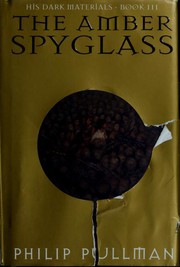
The Amber Spyglass
Lyra and Will cross worlds with amber spyglass to free ghosts and kill Authority.
2,252-word summary · 10 min read

Howl's Moving Castle
Cursed old by the Witch of the Waste, hatmaker Sophie Hatter talks her way into wizard Howl's moving castle and bargains with fire demon Calcifer to break the…
2,363-word summary · 11 min read

The Witches
A boy and his grandmother face the Grand High Witch's plan to turn England's children into mice.
2,738-word summary · 12 min read

The Wonderful Wizard of Oz
Dorothy is carried to Oz by a cyclone and walks the yellow brick road with Scarecrow, Tin Woodman, and Lion.
3,297-word summary · 15 min read