
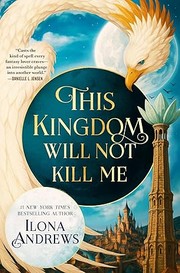
This Kingdom Will Not Kill Me
2,339-word summary 10 min read 480 pages in the book
- First published
- 2026
- Publisher
- Tor Books
- Pages
- 480
- ISBN
- 9781250377265
- Series
- Maggie the Undying (#1)
Reading options
What's inside (9 sections)
A grocery delivery job, then a gutter in a foreign capital
I picked this one up because the premise felt like a dare. A woman who delivers groceries in the suburbs south of Austin falls asleep in her apartment one night and wakes up somewhere else entirely: naked, freezing, and filthy, lying in a gutter in a city called Kair Toren. That city is the capital of Rellas, which is not a place on any real map. It is the setting of an unfinished dark fantasy trilogy that the woman, Maggie, has reread for years. Ilona Andrews, the pen name of a husband-and-wife writing team, opens a new trilogy called Maggie the Undying with this setup, and the bet is that a reader will happily follow a heroine who knows more about a world than the people born into it.
The book is a 480-page Tor Books hardcover, published on March 31, 2026. Its premise belongs to the kind of story readers often call isekai, the transported-to-another-world tale that has grown so common in anime and manga. What makes this version worth a look is the specific nature of the trip. Maggie does not land as a blank slate who must stumble through learning the rules. She arrives as the world's most devoted fan, carrying a lifetime of knowledge that nobody else in Kair Toren can match.
There is a particular pleasure in that kind of setup, and the authors clearly know it. Half the fun of a story like this is watching someone walk into a room and already know how the conversation will end. Maggie brings the reading habits of an ordinary person, someone whose biggest daily problem used to be a delivery route, into a world where those habits turn out to be a kind of weapon. The contrast between her unremarkable old life and her extraordinary new one is the source of much of the book's humor, and it gives the early chapters a light, curious tone before the political machinery starts to grind.
The woman who already knew the ending
Here is the detail that changes the shape of the whole book. The dark fantasy trilogy Maggie has spent years rereading was never finished. Its third book never appeared, and that absence is part of why she kept returning to it. She knows the plot, the geography, the noble houses, and the fates of the characters better than anyone alive. In a sense she has read the ending, or at least the ending the author intended before the project stopped.
That knowledge is both a gift and a private burden. When she wakes in the gutter, the people around her are living inside a story she has memorized. She can name the houses jockeying for power, recognize the city by its streets, and anticipate what certain nobles will do before they do it. Most people who get dropped into a fictional world spend their time asking what is going on. Maggie spends hers quietly confirming what she already suspects.
The unfinished nature of the trilogy matters more than it first appears. Because the third book never arrived, there is no settled, official version of how things were supposed to end. Maggie has had to live with the not-knowing, and that long familiarity with a story that stopped short is part of what makes her reading of events so intense. She is not a casual tourist in someone else's world. She is a fan who has spent years filling in the gaps herself, and now she gets to test her guesses against the real thing.
The writing leans into the comedy of that imbalance. There is a running pleasure in watching her measure real events against the pages she remembers, and in the meta-commentary on fantasy tropes that comes with it. A heroine who has read the genre closely can notice when a scene is playing out like a cliche, and the book gets mileage from her awareness of the machinery behind the world. It is clever, and it is the main reason the premise feels fresh rather than familiar.
Death that does not stick
Maggie's first real discovery in Rellas is that she cannot die. Early in the story she is killed, and instead of staying dead she simply comes back, whole again but in crippling pain. That moment sets the terms of the rest of the book. She starts to probe the limits of the gift, testing what death means when it can be undone and what the cost of each return will be.
It is worth noting how this changes the emotional stakes of her choices. A person who can come back from death is free to take risks that would terrify anyone else, yet the pain of returning is not nothing. The authors use that tension to keep her immortality from being a simple superpower. She can afford to be brave, but bravery still hurts, and the discovery is less a triumph than a new problem to investigate.
She also finds that she can read and speak the local languages. That ability arrives without explanation, the way such gifts often do in this genre, and it matters because it lets her move through Kair Toren and understand its politics almost immediately. Between the languages and her encyclopedic memory of the novels, Maggie is equipped to act rather than merely observe.
Taken together, the two abilities create an unusual kind of freedom. She can survive the physical danger, and she can understand what people are saying and what their alliances mean. Most heroes in this situation get one or the other. Maggie gets both, which is why the book can afford to skip the usual stretch of confusion where a newcomer learns the basics. The flip side is that the authors have to work harder to create suspense, since a heroine this well informed is rarely caught off guard by simple facts.
Eight houses, one empire, and a countdown
What she chooses to do with that equipment is the engine of the plot. Maggie does not spend the book trying to get home. Instead she uses her knowledge to intervene, because she recognizes that Rellas is only months away from catastrophe. Eight noble families, each with very different powers, are tearing at one another. At the same time the neighboring Crimson Empire is preparing to invade. This is exactly how the books foretold events would unfold, and Maggie knows where the trail leads.
So she starts nudging events off their recorded course. The goal is not to seize a throne but to save characters she has come to love across years of reading. That is a distinctive motive for a fantasy heroine. She is not trying to rule Rellas or even necessarily to fix it. She is trying to change the fate of people who, in her world, only ever existed on a page.
The eight families are an important piece of the design because their powers differ from one another. That variety gives Maggie a set of distinct problems to solve rather than one generic conflict repeated with different names. It also explains why the political situation is so unstable. When several powerful houses want different things, and the Crimson Empire is waiting at the border, the whole country becomes a pressure system that could break at any moment. Maggie's foreknowledge lets her see the break coming, but seeing it and preventing it are very different tasks.
This is where the book's structure starts to creak a little, because the setup demands a lot of explaining. To understand why Maggie intervenes in any given moment, the reader needs to know which house is involved, what its powers are, what the old books said would happen, and how her change might ripple outward. The result is a steady supply of backstory and political detail, which some readers will find absorbing and others will find heavy. The information is not decorative. You need it to follow her decisions. It simply arrives in large helpings, and it keeps arriving late into the book.
The family she gathers along the way
Maggie does not do all of this alone. Over the course of the book she collects a found family, and the people in it are drawn from the world of the novels she knows so well. One is a former lady's maid. Another is a deadly soldier or assassin who becomes the slow-burn romantic interest. There are various magical creatures in the mix and a few memorable animal companions, which give the story a warmer, more domestic texture than the house politics alone would suggest.
The romance is worth flagging because it is easy to misread what this book is offering. The soldier or assassin is a real presence and the attraction builds slowly, but the relationship is not the main engine of the plot. The story is driven by Maggie's knowledge and her campaign to redirect the future of Rellas. Readers looking for a romance-first experience may find the slow burn frustrating; readers who prefer their relationships to develop in the shadow of a larger adventure will likely be satisfied.
The found family is doing real work here, well beyond decoration. A woman who is effectively unkillable and who knows too much is a lonely figure by design, and the people she gathers give her something to protect besides an abstract idea of a better future. The former lady's maid, the soldier or assassin, the magical creatures, and the animal companions all give the story smaller, more personal stakes to sit alongside the fate of Rellas. That balance is one of the reasons the book's heartier admirers respond to it.
Around this found family, the princes, dukes, and villains from the original novels pursue their own ambitions. They are not props waiting for Maggie to rearrange them. Each wants something, and her foreknowledge makes her both a prize they want to control and a threat they need to contain. That double status is one of the more reliable sources of tension in the book. Being the person who knows the ending makes her valuable, but it also makes her dangerous to anyone whose plans depend on the ending arriving on schedule. Nothing about that arrangement is comfortable for Maggie, and the best scenes come from the way she has to manage both sides of it at once.
What works, what drags, and what lands hard
The critics have been fairly consistent about the book's weak spot, and it is the same feature that defines its premise. Because Maggie is a superfan, the authors deliver long expository passages about backstory, alliances, and house politics, and those information dumps continue almost to the final page. More than one reviewer admitted to struggling to keep the names straight. If a dense political tangle is your idea of a good time, this will suit you; if it is your idea of homework, the middle stretches may test your patience.
A second complaint is that Maggie's inability to die drains some of the danger out of the story. When the heroine can return from death, it becomes harder to feel the usual dread in a fight. Related to that, some readers found the plot repetitive, since the pattern of learning a danger, surviving it, and moving to the next house can start to feel like a loop. These are fair criticisms, and they are worth knowing before you commit to a 480-page hardcover. They also connect to each other. If the outcome of a physical threat is never really in doubt, the story has to find its suspense somewhere else, and a plot built on one house after another can start to feel like the same move performed with new names.
The admirers, meanwhile, point to different strengths. The humor lands, especially in the moments where Maggie's modern sensibilities collide with the expectations of a fantasy world. The meta-commentary on fantasy tropes is genuinely clever rather than merely referential. The found-family dynamics give the book its heart, and the final chapter delivers a hard-hitting cliffhanger that clearly sets up another volume. Even readers who complained about the exposition often admit that the ending made them want the next book.
The longer game behind the book
There is a real-world story attached to this release that fans of the authors may enjoy. Tor bought the manuscript in 2024, and the final edits were accepted in March 2025, meaning the book spent time in preparation before its 2026 arrival. The sequel, titled This Crown Will Not Rule Me, is planned for September 2027. That gap tells you the trilogy is being built deliberately, with the cliffhanger in this volume serving as a clear handoff to what comes next.
For a reader deciding where to start, the useful takeaway is simple enough. This is a fantasy that rewards people who enjoy the machinery of a fictional world as much as the adventures inside it. If you like the idea of a protagonist who has read the manual, who can die and come back, and who cares more about saving beloved characters than about winning a crown, you will find plenty to like here. If long passages of political backstory make you restless, you may find yourself skimming.
Either way, the book does something distinctive with the isekai premise. It treats encyclopedic knowledge as a kind of power, and it asks what a person would actually do with the ending of a story they love. Maggie's answer is to change it, one nudge at a time, and to gather a family along the way. That is a satisfying premise, and even with the exposition dragging in places, the authors give it enough humor and heart to carry a first volume. The cliffhanger does the rest of the work, leaving the next installment with a clear job to do.
FAQ
Is This Kingdom Will Not Kill Me the first book in a series?
Yes. It opens the Maggie the Undying trilogy, and the sequel This Crown Will Not Rule Me is planned for September 2027.
Do I need to have read the authors' other books to understand this one?
No. Maggie's knowledge of a fictional dark fantasy trilogy is part of the story, and the book supplies the background readers need to follow her choices.
Is this book mainly a romance?
No. There is a slow-burn romantic interest in a soldier or assassin, but the plot is driven by Maggie's foreknowledge and her effort to change Rellas's fate.
Similar books
More from Maggie the Undying first, then related titles.
Golden Fool
FitzChivalry Farseer returns to Buckkeep as a servant and a grieving Skillmaster, teaching Prince Dutiful while court intrigue, the Piebalds and a…
2,583-word summary · 11 min read
Fool's Fate
Prince Dutiful must kill a dragon to secure his betrothal, and FitzChivalry Farseer is caught between the Fool and Chade over Icefyre's fate.
2,247-word summary · 10 min read
Magician's Gambit
Garion and his companions cross haunted Maragor and the caves beneath Rak Cthol to recover the Orb of Aldur.
2,391-word summary · 11 min read
Enchanters' End Game
Garion marches toward Torak while Ce'Nedra leads the West's army in the final Belgariad volume, where prophecy and war meet.
2,557-word summary · 11 min read
Fool's Errand
FitzChivalry Farseer has lived in exile for fifteen years. When Prince Dutiful vanishes before his betrothal, Fitz returns to Buckkeep to find him, with a wolf…
2,606-word summary · 12 min read
The Sword of Shannara
A young half-Elf and a company of companions set out to recover a magic sword before the Warlock Lord destroys the Four Lands.
2,474-word summary · 11 min read
Pawn of Prophecy
Farm boy Garion learns sorcerers watch him as an old Orb wakes.
2,331-word summary · 10 min read
The Magician's Land
Exiled from Fillory, Quentin takes a teaching job at Brakebills, joins a crew of magical thieves, and must help rebuild a dying world to finish the trilogy.
2,204-word summary · 10 min read

Jade City
On an island where jade grants power, two clans fight over the mineral, the family name, and the right to decide what loyalty costs.
2,403-word summary · 11 min read
Temple of the Winds
In Sword of Truth book four, a magical plague sweeps the Midlands and prophecy demands that Richard enter the Temple of the Winds, but only through an…
2,962-word summary · 13 min read
Keys to the Demon Prison
The fifth and final Fablehaven book sends Kendra and Seth Sorenson across secret preserves to keep the last keys to the demon prison out of rival hands.
2,251-word summary · 10 min read
Blood of the Fold
In Sword of Truth book three, Richard Rahl takes command of Aydindril while a zealot army and an emperor who walks in dreams threaten everything he loves.
2,321-word summary · 10 min read
The Lady of the Lake
Ciri is trapped by the Aen Elle while Geralt winters in Toussaint, and the Witcher saga closes with the siege of Stygga and a fog-bound farewell.
2,445-word summary · 11 min read
Blood Song
Anthony Ryan's Blood Song follows Vaelin Al Sorna from the Sixth Order's brutal training to the war that earns him the name Hope-Killer, in the first Raven's…
2,479-word summary · 11 min read
The Blinding Knife
Kip trains to join the Blackguard while the Prism hides his true identity, loses his colors, and fights a war against a rogue drafter who wants to birth a god.
2,049-word summary · 9 min read
Secrets of the Dragon Sanctuary
Kendra is replaced by a plant copy and held by the Society, while Seth steals a unicorn horn so the family can enter a dragon sanctuary.
2,590-word summary · 12 min read

Lioness Rampant
Alanna searches for the Dominion Jewel with the Shang Dragon, then returns to Tortall to face Duke Roger at Jonathan's coronation.
2,478-word summary · 11 min read
Homeland
Drizzt Do'Urden is born into the cruel drow city of Menzoberranzan, where his father teaches him to fight and to doubt everything his family believes.
2,303-word summary · 10 min read
The Queen of the Tearling
Nineteen-year-old Kelsea leaves the woods to take her throne, ends a shipment of human captives, and draws the Red Queen's revenge.
2,357-word summary · 10 min read
Magician: Apprentice
An orphan kitchen boy and a smith's son grow up in a frontier castle just as invaders from another world open a rift and begin a war that will change both of…
2,114-word summary · 9 min read
The Tower of the Swallow
Ciri flees as a bandit while Geralt gathers allies to find her.
2,580-word summary · 11 min read

The Emperor's Soul
Forger Shai must stamp a new soul for the dying emperor in 100 days.
2,313-word summary · 10 min read
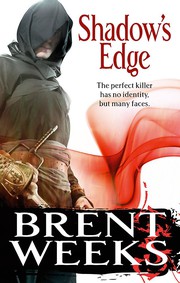
Shadow's Edge
Kylar fakes death as a king killer while Vi hunts him for the Godking.
2,245-word summary · 10 min read
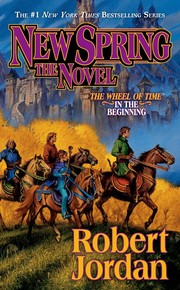
New Spring
Moiraine and Lan hunt the newborn Dragon before the Black Ajah finds him.
2,475-word summary · 11 min read
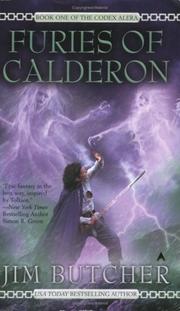
Furies of Calderon
Furyless Tavi defends Calderon Valley when the Marat return and lords scheme.
2,587-word summary · 11 min read

Stone of Tears
After the veil tears, Richard seeks training from the Sisters while Kahlan holds a fracturing Midlands and Zedd hunts the missing Stone.
2,483-word summary · 11 min read
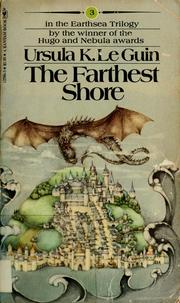
The Farthest Shore
Archmage Ged and Prince Arren sail to the far west to stop Cob, whose bid for endless life drains magic across Earthsea in Le Guin's sad 1972 third volume.
2,800-word summary · 12 min read
Edgedancer
Hungry street thief Lift and her vine-like friend Wyndle cross the Herald Nale in Tashikk when a child emperor shows Radiant signs and she refuses to step…
2,328-word summary · 10 min read
Dragons of Autumn Twilight
Old friends reunite at the Inn of the Last Home, guard a glowing Blue Crystal Staff, face black dragon Khisanth, and free slaves at Pax Tharkas in this 1984…
2,803-word summary · 12 min read
The Eyes of the Dragon
In the kingdom of Delain, a jailed prince and his younger brother face a magician whose long plot for the throne turns on a napkin clue.
2,018-word summary · 9 min read