Reading options
What's inside (7 sections)
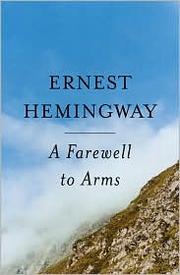
I picked up A Farewell to Arms because I wanted Hemingway on war straight, after years of hearing the short sentences quoted out of place. The copy I am retelling is the Scribner edition, first published in 1929, about 355 pages in the modern printing. It follows Frederic Henry, an American driving ambulances for Italy in World War I, through drink and friendship and a love affair that starts light and turns grave, then through a retreat and a desertion and a winter in Switzerland that saves no one. I read it slow, then fast at the end. The last hospital stretch stayed with me for days.
Frederic narrates flat and careful. He is in his early twenties, a lieutenant in the Italian ambulance service because he was in Italy and joined. He gives no speech about duty. He drives up toward the Isonzo, brings back wounded, waits, drinks, sleeps. He speaks Italian well enough to joke with drivers. He is not heroic in any poster sense. He does his runs, looks after his cars, and tries to stay decent while keeping clear of talk about glory.
Gorizia is home base at first, a town taken from the Austrians, dusty in summer and cold when rains start. Frederic shares a house with other officers. Bottles on the table. Talk of the Villa Rossa brothel. Maps on the wall. Hemingway keeps meals concrete. Bread, cheese, wine, coffee.
Rinaldi fills that house. He is an Italian surgeon, handsome and quick and funny, always working and always keen for company when work stops. He operates for hours, washes up, drinks cognac, teases Frederic about being pale and American and shy with women. He calls Frederic his brother and means it. They eat together, walk together, cover for each other. Rinaldi introduces Frederic to nurses, lends money, notices when Frederic is low. The friendship feels lived in because it runs on small favors and teasing rather than speeches.
The priest in the house gives the other pole. He is young, from the Abruzzi, gentle, mocked a little by the mess for his faith. He talks with Frederic about hills and clean living and lasting love, about God without pushing. Frederic likes him and keeps him at arm length. He visits the priest's country on leave and sees snow and quiet villages far from the guns. I found these talks slow, then apt.
Meeting Catherine Barkley
Catherine Barkley arrives through Rinaldi. She is English, twenty four, tall and fair, serving as a volunteer nurse with her friend Helen Ferguson. Her fiance was killed on the Somme the year before, blown up, and she is still raw with it. She feels guilt for not marrying the boy before he went. She drinks a little too much. She cries at night. When Frederic first kisses her in the garden at Gorizia, she plays at love as if repeating lines will make feeling return. She asks him to say he loves her. She pretends the past can be covered by a new story.
Frederic plays along at first. He admits it plainly. He is lonely, she is lovely, the nights are dull. Then habit grips him. Catherine wants closeness that shuts out fear. She asks Frederic to hold her while she sleeps, to tell her the same words each night. She says she fears rain because she sees herself dead in it. Frederic laughs it off and holds her tighter. What starts as a game steadies into need on both sides.
Helen Ferguson watches with narrow eyes. She is Scottish, proper, loyal to Catherine, sure Frederic will harm her friend. She scolds him in corridors, then writes sharp letters, then softens for an hour before hardening again. I liked having her near. She says aloud what a reader now thinks. Catherine is fragile. Frederic is careless. Someone should keep count.
Work breaks the courtship before it settles. Frederic is ordered to Plava, above the river, to run ambulances from a dugout. He lives there with four drivers. Passini is thin and afraid and argues against the war in plain peasant terms. Bonello is loud. Aymo is steady. Piani is young and willing. They cook pasta, drink wine, argue about officers, wait for calls. Hemingway writes the waiting well. Jokes, complaints about rations, silence when shelling starts on the road.
The wound comes on a still night. Frederic is bent over cheese when a trench mortar round lands close. The blast tears both his legs, marks his scalp and arms, kills the man next to him and maims Passini badly. Frederic feels air rush out, then pain, then strange clarity. He ties a tourniquet on his own leg, stays with Passini while he dies, and lets stretcher men carry him down. He stays awake for much of it, asking after his drivers. The trip runs from dressing station to field hospital to train south. By the time Milan takes him, his war has changed shape.
Milan and a summer apart
Milan gives the middle calm. Frederic goes to the American hospital under Miss Van Campen, strict about rules. Dr. Valentini looks at the knees, jokes in rapid Italian, decides to operate at once. The operation goes well. Frederic spends weeks on crutches, then with canes, in a high room with afternoon sun. Catherine, by luck and pulling strings, is posted to Milan and put on his case. Helen comes too. The city heat, the park, the shops, the wine in his room after hours, all feel cut off from Plava.
Night duty shapes their love. Catherine works, then stays. They eat out when Frederic can walk, ride in open carriages, take a small boat when he gets a pass. They speak of marriage and set it aside. Catherine says papers do not matter, she will be true in her own way. She tells him she is pregnant, simply, without panic. He says they will marry when papers can be managed.
Drink marks the summer too. Frederic takes too much whiskey and brings on jaundice, which keeps him in hospital longer and, by accident, keeps him with Catherine. Miss Van Campen finds empty bottles and reports him. He loses leave and comforts. The clash is petty on both sides. Still, the weeks read as tender. Two people build a shelter from each other and close the door.
That shelter can pinch now. Catherine calls Frederic darling in nearly every speech. She says she wants no life apart from him, no hair he does not like. Frederic likes it and asks for more. Hemingway does not step in to correct them. He shows two lonely people narrowing their world to a room. I felt moved and, at times, shut out. Catherine jokes and fears and tends, but we learn little of her nursing work or family or aims beyond Frederic and the child. The devotion is real. The frame stays small.
Summer ends with orders. Frederic must return north. Catherine stays awhile, then moves to Stresa on Lake Maggiore to wait near the border. They promise letters. Frederic boards the train with medals for his wounds, feeling fit and older.
Back to the line and Caporetto
Gorizia in autumn 1917 feels tired. Talk runs to strikes and peace and bad bread. Rinaldi looks worn thin. He has cut without rest, he drinks more, his jokes land harder. Sitting on a bed, not meeting Frederic eyes, he says he thinks he has caught syphilis and waits on tests. The bright brother of spring is scared. Frederic tries to comfort him and fumbles. The scene hurts because Rinaldi cannot charm his way past blood results. The war has spent his lightness.
The priest is still there, quieter. He and Frederic speak once before Frederic goes to the Bainsizza plateau. The priest says the war will end soon and Frederic will be happy with Catherine. Frederic wants to believe him. In the mountains cold comes early. Food runs short. Shells fall on roads that cannot be mended. Men slip away through woods. Frederic checks cars, begs petrol, sleeps in his coat.
Then the Austrians break through with German help at Kobarid. This is Caporetto, the real collapse of late October 1917, and Hemingway stays close to Frederic rather than pulling back to maps. Roads jam with guns and carts and marching men. Orders change by the hour. Bridges blow too soon or too late. Frederic pulls his ambulances into the column and crawls south. Bonello picks up a rifle, then drops back. Aymo is killed by frightened Italian rear guards who take his car for Germans.
The Tagliamento crossing turns worse. Battle police hold the bridge and pull officers from the stream for questioning. Unit. Orders. Reason for being away from guns. Men who answer badly are led to the bank and shot and dropped in the river. Frederic watches it happen ahead, quick and without paper. When his turn nears, a carabiniere grabs his collar. Frederic knows his accent will condemn him and his lost cars will read as guilt. He twists free, runs, and dives in.
The swim carries the book for pages, and it earns its fame. Frederic holds a timber, keeps low, lets the current take him past branches. Shots miss. He climbs out far downstream, strips his tunic with the stars still sewn on, wrings his shirt. In his head he quits. He makes what he calls a separate peace. He walks to a farm, eats, sleeps in a barn, then jumps a freight car south under a tarpaulin.
Milan is unsafe now. He is, by army paper, a deserter. A friend gives him civilian clothes and news. Catherine has left for Stresa. Frederic takes the train to the lakes. At the hotel in Stresa he finds Catherine with Helen. For a few days joy returns, fuller than Milan because danger sharpens it. Count Greffi joins them one evening, ninety four and clear eyed, a man Frederic knew over billiards. Soon after, Emilio the bartender warns Frederic that arrest is set for morning. Frederic and Catherine pack at once and step into rain toward the boat.
The row to Switzerland and loss at Brissago
Emilio lends a rowboat with sandwiches and cognac. They leave Stresa after dark in rain, Catherine in a heavy sweater, Frederic at the oars. Lake Maggiore runs rough. Frederic rows for hours, steering by shore lights, resting when hands cramp. Catherine sleeps with her head on his coat, wakes, offers to row, is refused gently. They pass an island, push on, lose lights, find them again. By dawn they cross into Swiss water near Brissago. Swiss officers meet them, polite and formal. Frederic says he is an American seeking refuge with his wife. They give up the boat and accept detention, then are sent to Locarno for papers and let to settle above Montreux.
Winter above Montreux is the calmest writing in the book. They rent a chalet, walk to town for lunch, play chess, read, chop wood. Frederic grows a beard. Catherine lets hair grow long again. They talk of the boy they expect and try names. They quarrel only over small things. Frederic drinks little. The war sits in papers they barely open. Snow, pine smoke, lake light. Hemingway lets peace last long enough to feel real, which makes what follows cut deeper.
In March they move to Lausanne to be near a good hospital. Catherine goes into labor, and it goes wrong from the start. Pains stall. Gas does little. The doctor tries forceps, then readies surgery. The child, a boy, is born dead, cord tight around his neck. Frederic holds him once, sees small hands and feet, and gives him back. Catherine bleeds heavily after the Caesarean. Transfusions lift her for an hour. She talks clearly, asks after Helen, jokes weakly about hair. Then bleeding returns in the night and the death comes. She dies while Frederic waits outside the room. Nurses step back. Frederic walks out into rain, walks back, prays briefly though he trusts no answer, and leaves alone.
Rain had trailed the book from Gorizia to Stresa to that last walk. Catherine had feared it since Milan. Hemingway does not press the sign. He lets Frederic stand in it. The close is spare. No speech. No lesson stated. A man says goodbye to a body and steps into wet streets with nothing to carry but habit and memory.
What holds and what stays apart
What holds for me is the retreat and the two water crossings. The Caporetto road reads like reporting from a truck seat. Jammed wheels, cold soup, lost guns, men throwing away rifles, rear guards firing on their own drivers, police shooting officers for losing units. Hemingway drove an ambulance on this front and was wounded near Fossalta in July 1918, and that lived detail shows in mud and petrol and wet wool. The Tagliamento swim and the night row from Stresa to Brissago are paced with care, long pulls of effort broken by short rests. When Frederic sheds his uniform and rows all night, the acts feel earned.
The love story moves me in parts and thins in others, and plain criticism belongs here. Hemingway keeps Frederic detached by plan. Frederic reports pain without lifting his voice, notes tears without joining them, watches his own joy as if from a chair nearby. That control steadies battle scenes and the final hospital hours. It also keeps Catherine at a distance. We hear her fears and jokes and terms of love, but little of her work or past or aims beyond Frederic and the child. Helen sees the gap and names it, which helps, yet Helen fades once Switzerland takes over, as if her witness task is done.
Style cuts both ways too. Short sentences, few adjectives, talk that loops back on the same words. Darling, good, fine. At best the loops sound like tired people holding on. Rinaldi, the priest, Greffi, Valentini each sound distinct. At times the drivers blur unless Passini is arguing, and Catherine and Frederic can sound alike when they repeat vows. The Milan middle moves slowly by design, wine and rooms and small spats, and some readers will want it shorter. I came to like the slowness because the retreat then hits with force, but I grant the cost.
Read it beside All Quiet on the Western Front, also from the late twenties, for a German view of the same ruin from trenches rather than an ambulance seat. Pair it with Hemingway stories in In Our Time for the Nick Adams youth that feeds Frederic. Give room to the hospital chapters, which ask patience, and to the final Lausanne hours, which ask steadiness. Notice Rinaldi cracking, the priest hoping, Helen guarding, Greffi listening. They see Frederic more clearly than he sees himself. His walk from Brissago calm back into rain feels less like a verdict and more like a man left to start with empty hands.
FAQ
When was A Farewell to Arms first published?
It was first published in 1929 by Scribner in a 355 page edition.
Who are Frederic and Catherine?
Frederic Henry is an American ambulance lieutenant in Italy. Catherine Barkley is an English nurse who loves him and dies after stillbirth in Switzerland.
Is the Caporetto retreat based on a real battle?
Yes. The Italian collapse at Caporetto in October 1917 is real, and Hemingway builds the retreat, bridge police, and river swim around it.
Similar books
More like A Farewell to Arms →
The Sun Also Rises
Jake Barnes drifts through Paris bars and Pamplona bullfights with Brett Ashley and a wounded generation.
3,187-word summary · 14 min read

War and Peace
Pierre, Natasha, and Andrei search for meaning amid the Napoleonic wars.
2,536-word summary · 11 min read

All Quiet on the Western Front
Paul Bäumer enlists at nineteen and faces the trenches of World War I in Remarque's 1929 classic, told from the German side of the wire.
2,543-word summary · 11 min read

Gone with the Wind
Scarlett O'Hara schemes through the Civil War and Reconstruction, from Tara to burning Atlanta, chasing Ashley while Rhett waits and watches.
2,049-word summary · 9 min read

Wuthering Heights
Emily Bronte's Wuthering Heights retold: Heathcliff and Cathy on the moors, two houses, two generations.
2,056-word summary · 9 min read

Romeo and Juliet
Shakespeare's Romeo and Juliet retold: Verona feud, balcony, Friar's plan, and why the last minutes collapse.
2,531-word summary · 11 min read