
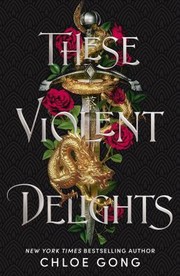
These Violent Delights
2,122-word summary 9 min read 464 pages in the book
- First published
- 2020
- Publisher
- Hodder & Stoughton
- Pages
- 464
- ISBN
- 9781529344530
- Series
- These Violent Delights (#1)
Reading options
What's inside (5 sections)
I had heard this pitched as Romeo and Juliet in 1920s Shanghai with gangs and monsters, which sounded like a lot, and it is, but Gong controls it better than the pitch suggests. These Violent Delights, first in the These Violent Delights duet, first published in 2020, Hodder & Stoughton edition running 464 pages, ISBN 9781529344530, follows Juliette Cai and Roma Montagov, heirs to rival gangs, ex lovers forced together by a madness spreading through the city. It is historical fantasy with a monster, a slow burn second chance romance, and sharp writing about colonialism that never feels like lecture. I finished it wanting book two immediately, which is the point of a duet opener, but also satisfied because this volume has its own arc.
Juliette is eighteen, American educated, returned to Shanghai to inherit the Scarlet Gang from her father. She is ruthless in public, soft in private with cousins and with Roma in memory. Roma is twenty, heir to the White Flowers, Russian, gentle with his sisters and lethal when required. Four years ago they were young lovers until a betrayal, which Juliette believes Roma caused, ended it. Now a sickness makes people claw their own throats out while whispering about monsters, and both gangs lose members. Their leaders agree to a truce investigation. Juliette and Roma must pretend to guard each other while actually investigating together. Old feelings complicate surveillance. Neither trusts the other with full truth, which is fair because both were hurt badly.
Gangs, Shanghai, and 1927
The setting does heavy lifting that never feels like tourism. Shanghai in 1927, with Communists and Nationalists clashing, foreigners holding concessions, jazz clubs next to teahouses, rickshaws and motorcars. The Scarlet Gang runs Chinese networks. The White Flowers run Russian émigré networks. Both pay police, both fear the other more than colonizers, which colonizers exploit. Gong weaves real history through gang war without turning characters into lessons. A British officer demands tribute. A French doctor hoards medicine. Chinese workers die first when monsters come because they live where monsters hunt. Those details show colonialism as daily tax rather than speech. Juliette, Chinese but American schooled, navigates both worlds and belongs fully to neither, which is why she leads uneasily. Roma, Russian in China, understands displacement differently. Their shared outsiderness bonds even as gang blood divides.
The monster plot starts as rumor. People gone mad in the Huangpu? Actually in alleyways, scratching throats, whispering a name. Gang doctors call it madness. Juliette suspects weapon. Roma suspects insects. Together they find a creature, part science and part myth, that spreads through breath and water? I will keep mechanics light to preserve discovery, but the investigation structure works like detective story inside romance. Interview witnesses who lie for gang reasons. Bribe morgue workers. Follow shipments. Each clue costs a favor that complicates truce. A scene where Juliette trades gang territory for lab access shows leadership as math with lives. She hates the trade and makes it. Roma does similar with family jewels. Both bleed resources to learn. Those costs keep investigation from feeling like heroes solving while city suffers passively. The city pays for every answer in bodies.
For pacing, the first 150 pages balance reintroduction and worldbuilding well. Party where exes meet, foiled assassination, truce terms. Two gang meetings in a row follow similar beats, posturing then private softness. I skimmed one because the pattern, threaten in public, confess in hallway, was clear. Then a monster attack at a club snaps it back. Chaos described through Juliette's tactical eye, exits, weapons, who freezes. She leads while scared, which is the book's definition of heir. Roma does same on his side, shielding sisters while shooting. Those parallel leadership scenes show why they respected each other at fourteen and why they might again at eighteen, despite blood.
Second chance with knives
The romance works because hurt is specific, not generic misunderstanding. Four years ago, Juliette shot Roma? Actually she believes he betrayed her trust to his family, causing deaths. He believes she chose gang over him without hearing his constraints. Both were teenagers with guns making adult choices under family pressure. Now they must touch to pretend alliance while flinching at memory. Gong writes physical proximity with tension that never feels gratuitous. Hands almost touching while passing files. Back to back in fights. Sharing a coat in rain while refusing to meet eyes. Those small contacts carry more than kisses would at this stage because touch means trust they lost. When they finally kiss mid book, it feels like surrender rather than victory. We still love, damn the cost. Then cost arrives immediately as gang consequences. Love does not solve. It complicates, which is honest.
Benedikt and Marshall, Roma's loyal friends, and Rosalind and Celia, Juliette's cousins, give the book its humor and heart. Benedikt, big and gentle, loves Marshall quietly in a time and place that punishes. Their glances during meetings tell a whole second romance in margins. Rosalind, sharp shooter, teases Juliette about Roma while covering her in fights. Celia, younger, wants to help and gets protected to her frustration. Those four carry travel chapters that could drag. Train rides, safe houses, stakeouts. Their banter about food, clothes, languages keeps pages light without undermining stakes. A scene where they share dumplings while planning to lie to both gangs shows family as chosen through work, not just blood. Gangs demand blood loyalty. These six offer earned loyalty across lines, which is the book's quiet thesis. Chosen bonds hold where inherited ones crack.
For craft, Gong's sentences are lush without purple. She describes qipaos, knives, club lights with specific textures. If you like sensory historicals, you will underline. Dialogue mixes English, Mandarin, Russian terms without italics overload. Readers who do not speak those languages still follow through context. Footnotes are absent, which I appreciated. Trust to infer. Action scenes are clear about space. Who stands where in alley, where fire escape leads. Even with monster chaos, geography holds. That clarity matters in a book with many players. You never wonder which gang shoots whom by mistake. Mistakes happen, but you see why through sightlines, not author convenience.
Monster as colonialism made flesh
Without giving the creature's origin, the reveal ties to Western experiments and local myth in ways that reward the colonialism theme. The monster was made by outsiders meddling with things they did not understand for profit, then abandoned when inconvenient. Locals suffer first while foreigners debate theory. Juliette and Roma must use both Western science and Chinese stories to fight it, translating between lab reports and grandmother tales without dismissing either. That synthesis feels pointed in 2020s context. Neither empire knowledge nor folk memory alone suffices. Together, handled respectfully, they work. A late scene where a Chinese doctor and a Russian nurse combine methods while gang heirs guard the door shows cooperation the leaders preach but rarely practice. Workers solve while bosses posture. Familiar and satisfying.
For criticism, the book runs long for its plot. At 464 pages, with monster mystery that could resolve in 350, some investigation loops repeat. Another witness who lies, another lab that needs bribing, another near kiss interrupted by attack. Two interruptions in a row blurred for me. I skimmed one rooftop chase because pattern, run, hide, almost talk, was clear. Also, Juliette's American slang sometimes jars against 1927. She says okay and cool in ways that feel 2020. Given American schooling, some modernity fits, but a few lines pulled me out. And Roma's sisters, while sweet, fade mid book when monster plot dominates. Given family motivates Roma most, one more scene with them before finale would help.
Still, I finished and ordered Our Violent Ends the same night. That is what a duet first should do. Resolve immediate monster while opening gang war wider and leaving romance at ache rather than rest. Juliette and Roma choose each other in private while performing enmity in public. That split cannot hold, which is why book two matters. The final pages, with a death that costs both gangs a beloved figure and a letter that reframes betrayal, hit hard because groundwork was laid in small kindnesses, not twists. Someone saved dumplings for someone else. That saved dumpling matters more than revelation. Care as clue to love that never died.
For who this is for. If you like Romeo and Juliet retellings that interrogate rather than repeat, try it. This keeps feuding families and young love but gives Juliette guns and agency Shakespeare denied. If you want standalone, know this ends with sequel hooks. Monster paused, not ended. Gangs bleeding, not healed. Lovers together but not safe. I closed it thinking about Shanghai foghorns, which Gong uses as punctuation between chapters, low sounds that warn ships and readers. Fog hides monsters and lovers equally. Listen for horns. Keep walking anyway.
Language politics as love language deserves a last look because Gong writes multilingual intimacy rare in YA. Juliette thinks in English, swears in Shanghainese when angry, writes notes in Mandarin to cousins. Roma thinks in Russian, counts in English learned at school, whispers endearments in Russian Juliette half understands. Their private language mixes all three plus gang slang neither family speaks. When they argue, they switch to languages the other knows less well to wound precisely. English for formal accusations. Native tongues for hurts too deep to translate. Those switches show bilinguals how fights actually work across tongues. You choose the language that hits or shields. Reconciliation requires returning to shared tongue invented together, gang pidgin plus childhood nicknames. A scene where Roma apologizes in broken Shanghainese he practiced with Marshall lands harder than fluent English could because effort shows. Mispronounced tones as love proof. Juliette corrects gently rather than mocking, which is forgiveness as language lesson. They rebuild shared speech word by word after betrayal broke fluency. That rebuilding matters more than plot resolution because duet will test again. Couples who can fight across languages and repair in invented tongue survive monsters. Those who need perfect understanding shatter at first accent. Gong knows and shows without lecturing. Listen to how they switch. You will hear love returning before they admit.
Benedikt and Marshall as parallel couple also earn mention beyond comic relief. Two boys in gangs that would kill them for loving, hiding through banter about food and missions. Their glances during meetings carry whole romance in margins while main couple takes pages. When they finally hold hands briefly in a safe house pantry, the smallness devastates more than any kiss. No declarations possible. Just fingers intertwined between jars while listening for footsteps. That image stays longer than Juliette and Roma's kisses because stakes are higher for less power. Heirs can scandalize and survive. Foot soldiers cannot. Gong honors that difference without making side couple tragedy porn. They get jokes, competence, care. Marshall patches Benedikt's wound with steady hands while teasing about crying. Benedikt cooks for Marshall with scarce ingredients. Domesticity as resistance when public love means death. Their survival to book two matters politically as well as romantically. Queer love persists in 1927 Shanghai despite gangs and law. That persistence is hope the main plot needs when monsters seem unbeatable. If pantry hands can hold, cities can heal.
Juliette's American education as both weapon and wound deserves a final paragraph because Gong returns to it when Juliette must choose between gang logic and outside perspective. At school in America she learned girls can lead, argue, shoot in clubs without shame. Back in Shanghai, those lessons mark her as foreign to elders who want obedient heir. She code switches brilliantly, speaking deference to father while ordering hits by phone in English. That split exhausts more than violence. She belongs nowhere fully, too American for Scarlet elders, too Chinese for school friends who fetishize exotic. Roma understands because Russian émigrés similarly float. They bond over being in between as much as over past love. When they plan together, they use American tactics learned from movies? Actually from school plays about strategy, combined with Shanghai street knowledge from cousins. That hybrid thinking solves what pure gang tradition cannot. How to trap a monster that reads both lab reports and old tales. Answer in both languages at once. Shoot with research and ritual loaded together. Those solutions feel earned because education was shown early as more than backstory. Classroom scenes where Juliette debated ethics return as tactics. What she learned about debate, concede small to win large, becomes negotiation with Roma about trust. Concede fear to earn honesty. That transfer, school to street to love, structures her growth better than heir training montages. Mind as weapon she actually uses, unlike guns she hates but fires well.
FAQ
Who are Juliette and Roma?
Juliette Cai of the Scarlet Gang and Roma Montagov of the White Flowers, lovers at fourteen split by believed betrayal, forced into truce investigation at eighteen.
When was These Violent Delights published?
It was first published in 2020. The Hodder edition cited runs 464 pages with ISBN 9781529344530.
Is it part of a series?
Yes. It is book 1 in the These Violent Delights duet, followed by Our Violent Ends. Monster paused, gangs bleeding, lovers exposed.
Similar books
More from These Violent Delights first, then related titles.
The Night Circus
Two young magicians duel inside a black-and-white circus that only opens at night, and fall in love against the rules.
2,660-word summary · 12 min read
Six Scorched Roses
A dying scholar bargains with a reclusive vampire for blood, and six roses turn a transaction into a slow, dangerous romance.
2,663-word summary · 12 min read

Vow of Thieves
Kazi and Jase return to Tor's Watch to find it occupied, and their marriage is tested by captivity, betrayal, and a war for the town of Hell's Mouth.
2,059-word summary · 9 min read
The Lost Sisters
Taryn Duarte writes a letter to her twin, Jude, explaining how she fell for Locke and why she stayed silent while he used them both.
1,914-word summary · 9 min read

Magic Burns
A magic flare hits Atlanta, and mercenary Kate Daniels must recover stolen maps, find a missing witch, and keep a teenage girl alive while Celtic gods try to…
2,021-word summary · 9 min read
At Grave's End
Cat and Bones face Max, a zombie-raising ancient vampire, and a prophecy that ties their marriage to Patra's death in the third Night Huntress novel.
2,061-word summary · 9 min read
Blood Bonds
Oleander is chained in a Resistance camp, and her five Bonds have to find her before Silas Davies finishes what he started in this third Bonds that Tie book.
2,018-word summary · 9 min read

Archenemies
Nova steals for the Anarchists while Adrian hides his Sentinel identity, and a serum that erases prodigy powers puts them both at risk.
2,485-word summary · 11 min read

The Siren
Saved from a shipwreck in 1930, Kahlen becomes a siren who sings men to their deaths for the Ocean, until a boy in a college library makes her want a life she…
2,369-word summary · 11 min read
Cruel Beauty
A girl raised to kill the demon prince who rules her cursed land instead falls in love with him, in a retelling that mixes Beauty and the Beast with Bluebeard…
2,669-word summary · 12 min read
Demonglass
Sophie Mercer spends the summer at the Council's English estate, where two new demons, a suspicious host, and Archer's return complicate her plan to remove her…
2,771-word summary · 12 min read

Born at Midnight
Kylie Galen is sent to a camp for troubled teens and discovers it is a haven for vampires, werewolves, and witches, and that she may be something stranger…
2,310-word summary · 10 min read
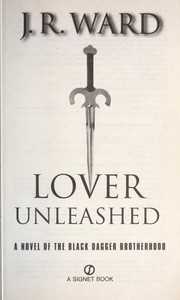
Lover Unleashed
Paralyzed vampire warrior Payne and surgeon Manny Manello collide in an adult paranormal romance, as Xcor's Band of Bastards arrives in Caldwell for revenge.
2,374-word summary · 11 min read

The Rose & the Dagger
Shahrzad is pulled from her Caliph husband and left in a desert camp of rebels, needing to break his curse and end a war before it ends her.
2,520-word summary · 11 min read

We Hunt the Flame
In a fractured Arabia-inspired world, a disguised huntress and a prince-assassin race to find a magic-restoring book and confront an ancient evil.
2,195-word summary · 10 min read
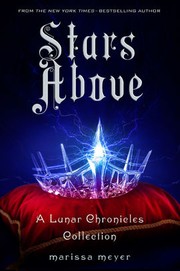
Stars Above: A Lunar Chronicles Collection
Nine Lunar Chronicles stories fill in the histories of Cinder, Wolf, Thorne, Cress, Winter, and Jacin, and end with a wedding after the war.
2,230-word summary · 10 min read
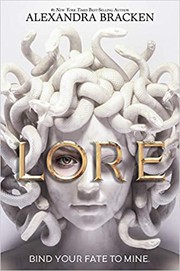
Lore
Lore Perseous, the last of a hunted bloodline, is pulled back into the Agon when a wounded Athena offers her revenge against the god who killed her family.
2,188-word summary · 10 min read
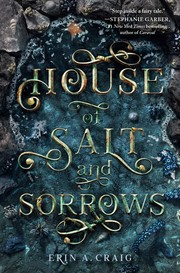
House of Salt and Sorrows
Annaleigh Thaumas investigates her sister's death in a cursed island manor where the balls are illusions and the sea god is always listening.
2,025-word summary · 9 min read
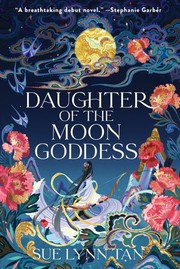
Daughter of the Moon Goddess
The daughter of Chang'e hides in the Celestial Court, trains as an archer, and risks everything to free her mother from the Emperor's punishment.
2,146-word summary · 10 min read
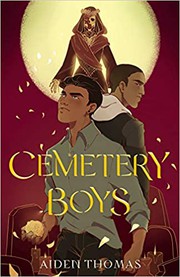
Cemetery Boys
A trans brujo in East Los Angeles summons the ghost of a boy who refuses to move on, and together they uncover a murder hidden beneath Día de los Muertos.
1,997-word summary · 9 min read
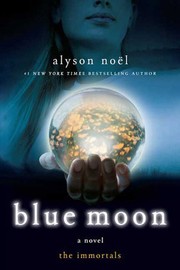
Blue Moon
Ever Bloom tries to save her immortal boyfriend, Damen, from a mysterious illness while a new student named Roman quietly takes control of her school and her…
1,998-word summary · 9 min read
An Enchantment of Ravens
Isobel, a mortal artist in the fairy town of Whimsy, paints a portrait of the autumn prince and falls in love with him, breaking the laws of her craft.
2,087-word summary · 9 min read
Switched
A Minnesota teenager who can make people obey her discovers she is a changeling troll princess, and the hidden kingdom she came from wants her back.
2,131-word summary · 9 min read
A Reaper at the Gates
The Martial capital falls to an army of ghosts, Elias becomes the Soul Catcher, and Laia and Helene pay brutal prices as the Nightbringer moves to free the…
1,991-word summary · 9 min read
A Fate Inked in Blood
In Norse-inspired Skaland, a fish gutter hiding a goddess's blood is claimed by a jarl, bound by oath, and guarded by the son she cannot want.
1,971-word summary · 9 min read
Savage Bonds
Oli's deadly gift is out in the open, her Bond runs the show, and the Resistance is closer than ever in the second Bonds that Tie novel.
2,431-word summary · 11 min read
Fable
Abandoned on a lawless island at fourteen, Fable spends four years diving for gems to buy passage off it, straight into the cutthroat trade of the Narrows.
2,320-word summary · 10 min read
World After
Penryn wakes from near-death to find her altered sister Paige hunted as a monster, and follows her into the angels' scorpion factory and Uriel's coup.
2,213-word summary · 10 min read
The Prison Healer
Kiva, a teenage healer in a death prison, volunteers to face four elemental trials for a dying rebel queen, and the truths she uncovers change everything.
2,062-word summary · 9 min read