
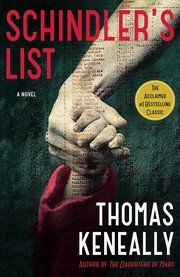
Schindler's List
2,048-word summary 9 min read 398 pages in the book
- First published
- 1982
- Publisher
- Touchstone
- Pages
- 398
- ISBN
- 9780671880316
- Original title
- Schindler's Ark
Reading options
What's inside (12 sections)
I read Schindler's List because the film devastated me years ago and I wanted Keneally's cooler account. Thomas Keneally published it in 1982, in Australia and the UK as Schindler's Ark, with the US edition from Simon and Schuster. My reading follows the 398 page Touchstone paperback. Oskar Schindler, womanizing war profiteer, spends a fortune saving over a thousand Jews through factory lists. It won the Booker Prize by turning testimony into novel without betraying either.
Krakow under Nazi occupation sets the stage with bureaucratic menace. Ghetto walls rise. Deportations schedule. Oskar Schindler arrives from Czechoslovakia with charm, suits, and an eye for war business. He takes over an enamelware factory, staffs it with Jewish workers because they cost less, and bribes officials with cognac and cash. Early chapters show no hero. A Black marketeer who loves women, drink, and deals. Keneally refuses retrospective halo. The man starts self interested. Transformation, when it comes, has to earn itself across pages, not arrive as premise.
Plaszów and the villa balcony
Goeth's villa above the camp deserves extended attention as the book's image of evil with a view. He shoots prisoners between movements of music, exercises power as aesthetic pastime. Keneally renders these scenes through survivor eyes that remember arbitrary details. Which morning. Which prisoner. What song played after. Those specifics prevent abstraction from softening horror. Evil here has a balcony, a dog, and a mistress it also abuses. Domesticity frames atrocity without explaining it. Readers seeking reasons for Goeth find routine instead, which terrifies more. He kills the way others garden. Regularly, almost thoughtfully, and entirely for self.
Helen Hirsch's position in that villa carries the book's most sustained moral agony. Jewish maid singled out for Goeth's twisted attachment, she lives between beating and favor with no exit. Schindler glimpses her and looks away too long before acting. That delayed recognition shames him into later risks, Keneally suggests without stating. Her survival through such proximity seems miraculous and damning at once. To be desired by power that murders your people is its own camp. The book honors her endurance without making her symbol. She is person first, evidence second. Remember the name with the list.
Stern, Goeth, and the lists
Itzhak Stern, accountant with mournful precision, becomes Schindler's conscience through paperwork. He channels wages to relief, types names that matter, and argues in margins that profit needs living workers. Their partnership, built on forged documents and shared office whispers, carries the book's moral engine. Schindler provides cover and cash. Stern provides names and memory. Neither could save alone. That collaboration across Pole and Jew, boss and clerk, models rescue as administration. Lists save. Pens rescue. The title is literal before it is symbolic.
Amon Goeth, commandant of Plaszów, supplies the opposite pole of charisma. Handsome, cultured, and lethally arbitrary, he shoots prisoners from his villa balcony between appreciations of music. Keneally writes him as evil that understands itself partially and continues anyway. His twisted attachment to his Jewish maid Helen Hirsch, desire mixed with murderous ideology, disturbs more than battlefield cruelty because it shows feeling perverted rather than absent. Schindler and Goeth mirror as German opportunists who chose opposite uses of power. Drink together. Diverge forever. That pairing structures the book's argument about choice inside systems. Same war. Different lists.
The lists themselves arrive late and dominate memory disproportionately, which is fitting. Names typed, argued over, bought with diamonds and cars. Who qualifies. Who gets added in margins. Keneally renders the typing scenes with documentary flatness that heightens dread. No swelling music on page. Just carbon copies and bribes. Brünnlitz factory, relocated to Czechoslovakia as Russians advance, becomes ark built from enamelware retooled for armaments that deliberately fail. Sabotage as production policy. Workers making shells that will not fire while guards watch output tallies. That industrial irony sustains the final third. Useless work saves useful lives.
Brünnlitz as final ark
The relocation to Brünnlitz deserves detailed attention as the book's closing movement and moral proof. As Russians advance, Schindler moves his Jews to Czechoslovakia under cover of armaments production, spending last fortunes on bribes, trains, and inspections survived. The factory produces deliberately defective shells while guards count output. That sabotage as salvation inverts industrial logic beautifully. Useless work saves useful lives. Foremen who suspect say nothing. Inspectors who notice accept watches. Complicity spreads just wide enough to float over a thousand souls. Keneally renders logistics with thriller tension. Schedules. Shortages. Close calls at stations.
Arrival does not end danger, which the book refuses to soften. Guards remain. Food runs short. The war's last weeks kill through chaos what order failed to finish. Schindler spends himself into nothing buying time by days. Those final pages read like accounting where currency is hours and goods are lives. Every delay purchased matters more than any speech. When liberation finally comes, it arrives as anticlimax rather than trumpet. Gates open. Survivors stare. Saviors weep without knowing what comes next. History continues past last pages into displaced camps and new countries. The ark docks nowhere final. It floats into memory.
Novel from testimony
Keneally's method deserves attention because it defines the book's texture and controversies. He interviewed dozens of Schindlerjuden, wove their accounts into novelistic scenes with imagined dialogue, and called the result fiction built from fact. The Booker win sparked debates about history versus novel that continue in classrooms. Purists want footnotes. Novelists want scenes. Keneally chose scenes with testimony underneath. That choice moves general readers where archives can not reach. A bribe negotiated in dialogue teaches more than a ledger line. Feel first. Verify after through histories.
What the method costs is interiority's uncertainty. Schindler's motives stay partly opaque because survivors saw actions more than reasons. Was he saint, sensualist, or showman who found his role. Keneally declines verdict, presenting womanizing alongside rescue without reconciling. That refusal frustrates readers wanting conversion scene with date stamp. Instead transformation accrues through expenditures. Money spent. Risks taken. Comforts refused. By the end the profiteer is broke and hunted for his Jews. Follow the money backward and motive appears. He bought lives at cost of everything. Call that what you will.
Postwar chapters land with necessary bleakness. Schindler, useless in peace, drifts through failed businesses and relief funds. The saved scatter to new countries. Goeth hangs. Stern remembers. Those codas refuse triumph that the film's cemetery finale risks. Rescue did not redeem the rescuer into competence. It left him dependent on those he saved. That dependency inverts power with grace both sides mostly sustain. Annual support packages. Awkward visits. Love without illusion. The book honors that aftermath longer than most Holocaust narratives dare. Survival continues. So does need.
What endures and what distances
What endures is testimony preserved in narrative built to travel. The novel brought Schindlerjuden voices to millions who would never read archives, then Spielberg carried them to hundreds of millions more. Keneally's flat, reportorial prose suits the material by refusing to aestheticize horror. Camps described plainly. Selections stated. Numbers given. That restraint trusts readers to supply feeling, which they do. The Los Angeles Times called it masterful account of the soul's growth. Growth measured in names typed. Count them at the book's end. Over a thousand. Each a refutation.
What distances is coolness that can read as detachment across 398 pages. Keneally rarely enters consciousness deeply, preferring observed action and reported speech. Readers wanting interior anguish may find the book dry beside more intimate Holocaust fiction. The large cast blurs into names on lists, which is thematically apt and narratively costly. Keep the cast list handy. The final third's factory logistics, trains and bribes and inspections, demands attention to detail that tired readers may skim. Push through. Lists matter here more than lyricism.
Length suits the archive it carries. No bloat, though middle Plaszów chapters repeat variations on arbitrary cruelty that numb by design. Numbing is the point about camp routine, but pages still drag where horror normalizes. The film solved this through faces. The book asks readers to hold names steady themselves. Do the work. It repays with the list scene's quiet thunder. Paper saves where guns rule.
Women on the margins of lists
The book's women operate at edges of male paperwork and deserve notice for how they push paper too. Emilie Schindler, Oskar's wife, endures his affairs while managing Brünnlitz practicalities that keep Jews fed. Her late arrival in narrative corrects early absence with quiet competence. She nurses. She negotiates. She stays when leaving would be easier. Keneally grants her dignity without sanctifying a difficult marriage. Partnership under monstrous pressure takes forms outsiders misjudge. She chose to help his Jews despite his betrayals. That choice stands separate from wifely duty. Honor it distinctly.
Helen Hirsch's survival through Goeth's obsession similarly centers female endurance that lists undercount. Typists and maids who smuggled food, warned of selections, and held children still for counts appear in glimpses that accumulate into shadow workforce of rescue. Keneally names many where records allow. Those names matter as much as Schindler's signature because rescue required networks, not heroes alone. Lone savior myths comfort. Collective survival convinces. The book leans toward latter while keeping Oskar central for narrative spine. Read margins for heroines. They are there keeping books of their own.
Film shadows and book light
Spielberg's adaptation hovers over every reading and deserves direct comparison without letting cinema replace prose. The film follows Keneally closely while heightening Goeth and softening Schindler's roughest edges for audiences. Black and white photography aestheticizes what the book reports flatly. Girl in red coat condenses systemic murder into single image the novel distributes across names. Both work in their mediums. Readers should experience book first where possible to meet testimony before iconography. Lists read differently than montages linger. Paper demands imagination that film supplies. Each has costs. Pay both attentions.
What the book keeps that film compresses is administrative texture across hundreds of pages. Bribes itemized. Trains scheduled. Inspections survived through cognac and nerve. That procedural bulk teaches how rescue actually functioned day to day rather than in set pieces. Films need climaxes. Rescue needed calendars. Keneally's patience with logistics honors workers who filed as much as fighters who shot. For readers with stamina, those chapters reward with understanding no montage conveys. Evil runs on schedules. Good must keep better ones. Bring pencils to both.
Names as memorial method
The book's accumulation of names deserves final reflection as literary memorial strategy. Hundreds appear with brief identifiers. Ages. Trades. Fates where known. That cataloging risks overwhelming narrative but serves remembrance that statistics can not. Each name insists on personhood against numbers Nazis assigned. Readers who skim lists miss the point deliberately made through tedium. Stay with names. Pronounce inwardly. The effort mirrors Schindler's own learning curve from labor units to individuals. What began as workforce ended as neighbors. Language tracks moral progress precisely. Units became names. Names became debts. Debts got paid.
Teaching the book without flattening
Classrooms adopting the novel face challenges worth naming directly for educators reading this summary. Students arrive knowing the film's images, which both helps and harms. Helpful because engagement comes preloaded. Harmful because Keneally's cooler method gets judged against Spielberg's strings. Teach the difference explicitly. Where does camera swell. Where does prose stay flat. Those comparisons build media literacy alongside history. Also prepare students for the book's large cast and flat affect. Provide character lists. Allow slow starts. The payoff in list scenes rewards patience with moral weight blockbusters rarely sustain. Study survivors' names aloud. That exercise justifies semesters.
Who should witness
Give Schindler's List to historical fiction readers who want testimony driven narrative, to students of the Holocaust ready for adult detail, to film viewers seeking Keneally's cooler source. It suits book clubs that discuss fiction versus history with care. Do not give it to young readers or those needing interior catharsis. Pair it with Spielberg's film and survivor testimonies for full witness.
At 398 pages I read it across a week, marking list pages. Schindler starts profiteering from ghetto labor and ends broke with a factory making duds that save. That arc, from user to spent shield, is why the Booker judges chose a novel that reads like archive with pulse. Save whom you can. Write down names. Both rescue.
FAQ
When was Schindler's List published?
Published in 1982 as Schindler's Ark. This Touchstone paperback runs 398 pages and the ISBN is 9780671880316.
What was its original title?
Schindler's Ark, its original Australian and British title before the American retitling.
Did it win the Booker Prize?
Yes, in 1982, built from Schindlerjuden testimony woven into novel scenes.
Similar books
Beneath a Scarlet Sky
Pino Lella guides Jews over Alps then drives for Nazis in Milan.
2,271-word summary · 10 min read
The Orphan's Tale
A Dutch teenager rescues a Jewish baby from a death train and joins a German circus, where a Jewish aerialist teaches her to fly.
2,943-word summary · 13 min read

Sophie's Choice
A young Southern writer in 1947 Brooklyn befriends a brilliant, unstable couple and slowly learns the story of the Polish Catholic woman at the center of their…
2,798-word summary · 12 min read
A Long Walk to Water
Two eleven-year-olds in southern Sudan, twenty-three years apart: a Dinka boy fleeing war and a Nuer girl walking hours for water, until their stories meet at…
2,217-word summary · 10 min read
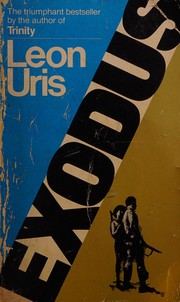
Exodus
Leon Uris's sweeping 1958 novel follows Jewish refugees, Haganah fighters, and Holocaust survivors from Cyprus to the founding of Israel and the 1948 war.
2,529-word summary · 11 min read
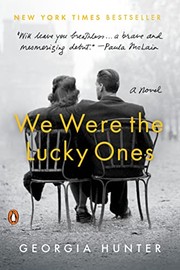
We Were the Lucky Ones
Based on her own family, Hunter follows the Kurc family of Radom as war scatters five siblings from Siberia to Brazil and back toward reunion.
2,805-word summary · 12 min read
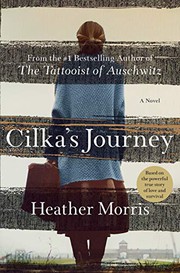
Cilka's Journey
After surviving Auschwitz, Cilka Klein is sentenced to a Siberian labor camp, where she trains as a nurse and fights to stay human.
2,365-word summary · 11 min read
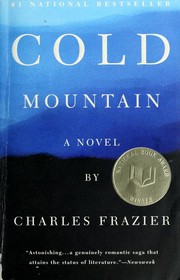
Cold Mountain
Wounded deserter Inman walks home to Ada as the Civil War ends, while she learns to keep a mountain farm in North Carolina with tough Ruby.
2,314-word summary · 10 min read
Between Shades of Gray
In 1941, fifteen-year-old Lina is deported from Lithuania to Siberia and uses her drawings to survive and send word to her father.
2,263-word summary · 10 min read
Lilac Girls
Three women meet across World War II: a New York volunteer, a Polish courier turned prisoner, and a German camp doctor.
2,731-word summary · 12 min read
Unbroken
Louis Zamperini survives a Pacific crash, sharks and POW camps after running in the Berlin Olympics.
3,263-word summary · 15 min read
The Tattooist of Auschwitz
Heather Morris retells the years of Lale Sokolov as tattooist at Auschwitz Birkenau, his love for Gita Furman, and the food trades and quiet risks that kept…
2,442-word summary · 11 min read
The Zookeeper's Wife: A War Story
The directors of the Warsaw Zoo hid roughly three hundred Jews in empty cages and outbuildings after the German invasion, while Jan worked for the resistance.
2,065-word summary · 9 min read

The Long Winter
Dakota Territory, 1880: seven months of blizzards cut a town off from the railroad, and a family survives on twisted hay, ground wheat, and a dangerous wheat…
2,210-word summary · 10 min read
The Power of One
A boy in apartheid South Africa decides to become welterweight champion of the world, and the novel follows every mentor, fight, and loss that gets him there.
2,145-word summary · 10 min read
The Valley of Horses
Exiled from the Clan, Ayla survives alone in a hidden valley, tames a horse and a cave lion, and nurses a wounded stranger back to life.
2,311-word summary · 10 min read
The Happiest Man on Earth
Eddie Jaku's memoir follows a Leipzig childhood, Buchenwald, Auschwitz, a death march, and the slow rebuilding of a life in Australia.
2,597-word summary · 12 min read
The Agony and the Ecstasy
Irving Stone turns Michelangelo's seventy years of carving, painting, and arguing with popes into a novel about the cost of making something that outlives you.
2,260-word summary · 10 min read
The Girl with Seven Names: A North Korean Defector's Story
Hyeonseo Lee crossed the frozen Yalu River at seventeen, spent years hidden in China, escaped to South Korea, and later returned to rescue her family.
2,404-word summary · 11 min read
Lone Survivor: The Eyewitness Account of Operation Redwing and the Lost Heroes of SEAL Team 10
Marcus Luttrell's account of the 2005 SEAL mission in Afghanistan that killed three of his team and left him alone.
2,144-word summary · 10 min read
The Silence of the Girls
Briseis, queen of Lyrnessus, is captured by Achilles and narrates the Trojan War from inside the Greek camp, where women are prizes and survival is its own…
2,098-word summary · 9 min read
The Last of the Mohicans
During the French and Indian War, Hawkeye and two Mohican warriors try to save two British sisters from a Huron chief whose revenge will end the Mohican line.
2,017-word summary · 9 min read
Doctor Zhivago
A doctor and poet lives through revolution, war, and love in Pasternak's novel of private life under the pressure of Russian history.
2,213-word summary · 10 min read
Those Who Save Us
A Minnesota professor hunts her mother's hidden wartime past in Weimar, where survival came wrapped in an SS officer's protection. A dual timeline about…
2,345-word summary · 10 min read
The Last Kingdom
Kidnapped by Danish raiders as a boy and raised in their halls, Uhtred of Bebbanburg must choose what he is when the fight for England begins.
1,997-word summary · 9 min read
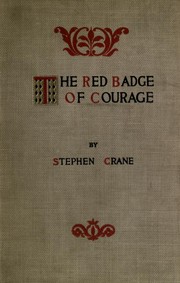
The Red Badge of Courage
Henry Fleming runs at Chancellorsville, then returns to stand.
2,486-word summary · 11 min read
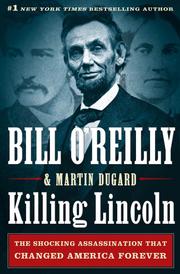
Killing Lincoln
Booth plots as Lincoln pushes war end and reunion in 1865.
2,486-word summary · 11 min read
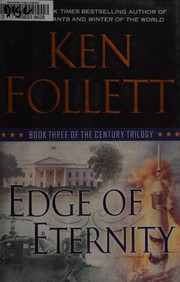
Edge of Eternity
Five families cross civil rights, Cold War and Berlin Wall to the eighties.
2,489-word summary · 11 min read
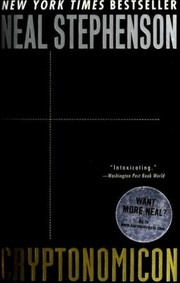
Cryptonomicon
Codebreakers in World War II and hackers in the 1990s chase gold, ciphers, and a secret data haven.
2,280-word summary · 10 min read
The Island of Missing Trees
A talking fig links 1970s Cyprus lovers Kostas and Defne with their grieving London daughter Ada years later.
3,172-word summary · 14 min read