
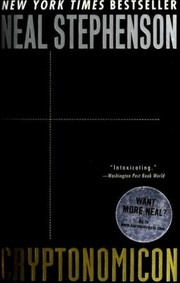
Cryptonomicon
2,280-word summary 10 min read 918 pages in the book
- First published
- 1999
- Publisher
- Avon Books
- Pages
- 918
- ISBN
- 9780380788620
Reading options
What's inside (10 sections)
I came to this book after hearing programmers talk about it like a founding text, and I expected a dry puzzle novel. It is not dry. It is loud, funny, violent, and packed with explanations of ciphers, money, and why people keep secrets. First published in 1999 by Avon Books, at 918 pages in the first hardcover, it stands alone but shares bloodlines with Stephenson's Baroque Cycle. The edition most readers find now is the Perennial paperback with the same 918 page count under ISBN 9780380788620.
The structure cuts between two times. In World War II, Lawrence Pritchard Waterhouse, a Navy codebreaker with a gift for math and a tin ear for people, helps break Axis ciphers. Bobby Shaftoe, a Marine with a rough past and a sharp instinct in combat, runs missions to hide the fact that codes have been broken. In the 1990s, Randy Waterhouse, Lawrence's grandson, and Avi Halaby, his business partner, try to build a data haven, a place where information can live beyond easy seizure. A hunt for sunk war gold ties the eras together.
Lawrence and the problem of knowing
Lawrence Waterhouse is one of my favorite odd heroes because his brilliance is narrow. He can see patterns in noise and holds organ music in his head like math. He struggles with small talk, navy ranks, and women he admires from far away. Put him in a room with a cipher and he shines. Put him at a dance and he sweats through his shirt.
His war work sits inside a cruel puzzle. If the Allies act on every broken message, the enemy will know codes are broken and change them. So Lawrence helps build lies to cover true knowledge. A convoy is saved one day and left exposed the next, to keep the secret safe. Stephenson does not rush past the cost. Men die so that a larger secret holds, and Lawrence does the arithmetic while hating it.
The Navy unit around him mixes Brits and Americans who argue about methods and credit. Alan Turing appears as a colleague and friend, written with respect and sadness. Their talks about machines that think, about what can be proved and what must be guessed, give the war half its brain. I liked how Stephenson lets Turing be wry and tired rather than a statue.
Lawrence also marries, awkwardly and sweetly, and his letters home show a man trying to be normal while holding horrors in his head. Those domestic pages slow the plot, but they humanize a character who could feel like a calculator. His fear of being found ordinary is touching. He wants to matter in a war that treats him as a tool.
Shaftoe and the cost in the field
Bobby Shaftoe carries the other half of the war story in his body. He starts as a Marine who loves altoreligious fervor, drugs, and war in confused portions, then gets shaped by missions he only half understands. He remembers jungles, ships, and a woman he loves in fragments. His memory breaks after injury and trauma, and the book returns to him in flashes.
Shaftoe's missions often exist to plant cover stories. His unit stages a fake sighting here, leaves a clue there, so that a real intercept looks like luck. He does not know why. He follows orders, survives by instinct, and watches friends die for reasons no one will name. Stephenson writes combat with harsh clarity. Mud, bad radios, bad luck. No glamour.
His love story with Glory, a nurse, gives him a reason to live beyond orders. Their scenes are tender without softening the war around them. Later, his family line matters for the 1990s plot, as his descendants inherit both his toughness and his damage. I found Shaftoe the easiest to picture and the hardest to read when hurt, because his confusion feels physical on the page.
A fair note: Shaftoe's drug use and sexual scenes are blunt. Some readers will find them crude or too long. They fit his chaos, but Stephenson lingers. If you prefer clean war stories, this thread will test you. I thought the mess served the point about men used as cover, though a trim would help.
Randy, Avi, and the data haven
Jump to the 1990s. Randy Waterhouse is a programmer and sysadmin type who left a big company to build something freer. He is smart, anxious, and funny about his own limits. Avi Halaby is bolder, a dreamer with plans for a sovereign data haven in Southeast Asia, with strong encryption, backup power, and law on its side. They argue like brothers about risk, money, and whether ideals survive contact with investors.
Their company scenes felt familiar even decades later. Whiteboards, late night code, fights over naming, and the thrill of a system that finally runs. Stephenson explains public key crypto, randomness, and trust in long passages that some will love and some will skim. I loved most of them because he uses stories and jokes rather than lectures. A coin flip becomes a lesson. A card game becomes a protocol.
The gold hunt funds the dream. Records hint at a huge stash hidden during the war, moved by soldiers and lost in maps and lies. Randy follows clues with the help of Shaftoe descendants, including Doug Shaftoe, who brings field skill and family memory. Local politics, rival firms, and an old enemy complicate every step. Diving, digging, and decoding mix in a way that kept me turning pages late.
Romance threads through this half too. Randy reconnects with Amy Shaftoe, capable and direct, who calls out his hedging. Their talks about work and family are some of the best dialogue in the book. Avi deals with marriage strain as his big bet eats time. Neither plot is sappy. Both show how money dreams press on love.
Gold, codes, and how money moves
The book cares deeply about where value lives. Gold bars in a jungle, paper cash in wartime, numbers in a computer. Stephenson traces how each form needs trust and guns in different mixes. A gold hoard means nothing if you cannot move it. A cipher means nothing if no one believes your cover. A data haven means nothing if a state cuts power or arrests staff.
That theme links the eras. In the 1940s, the Allies hide broken codes to protect future convoys. In the 1990s, Randy and Avi hide data to protect future speech. Both efforts need boring work: logs, backups, bribes, repairs. Stephenson respects boring work. He shows characters checking seals, testing radios, and reading contracts line by line. It sounds dull and reads as tension because failure costs lives or fortunes.
The Enoch Root figure drifts through both times, barely aging, offering help and riddles. Some readers love him as a thread. I found him useful but vague. He lets Stephenson hint at larger forces without explaining them, which fits a book about secrets but can feel like a dodge when you want answers.
History buffs will enjoy the cameos and set pieces: Bletchley Park routines, Pacific island hops, post Cold War Asian business zones. Stephenson did homework, and it shows in uniforms, ship names, and office slang. He also bends history for story, which he admits by feel if not in notes. Take the big twists as fiction built on real methods, not as secret history.
Vanity, family, and funny detours
For a long book, humor keeps it moving. Randy's internal monologue about meetings, food, and fear of looking stupid made me laugh out loud. Lawrence's attempts at normal life, like buying a house or playing organ, are sweetly off. Shaftoe's tall tales in bars mix horror and jokes in a way soldiers recognize.
Family is the quiet engine. Waterhouses pass down math skill and social awkwardness. Shaftoes pass down courage and scars. Goto engineers, Japanese soldiers turned builders, pass down duty and craft. The book respects how traits echo without making fate simple. Randy can choose differently than Lawrence. Amy can be kinder than Bobby was allowed to be.
There are detours that will divide readers. A long section on eating cereal, a full explanation of a card trick as crypto, pages on bicycle chains and plumbing. I enjoyed most because voice stays lively, but I skipped a paragraph here and there on reread. If you want lean plot, this is not that book. It is a big house with many rooms, and some rooms are workshops.
Women in the book are capable but fewer than men, and romance can feel side staged to tech talk. Amy, Glory, and Charlene are sharp, yet they get less page time than code and gold. That imbalance is a fair criticism. Stephenson writes smart women well when present, but the crowd scenes tilt male, especially in war and startup rooms.
What holds and what sags
The strengths are scope and clarity about hard ideas. Encryption, operational security, and money flows are explained in plain stories that stick. Action scenes hit hard. The two era braid pays off when clues from the 1940s unlock 1990s doors. When Randy finds a mark his grandfather left, the chill is real.
Length is both gift and cost. At 918 pages, threads sag. The middle startup funding talks repeat. Some war cover missions blur together. A tighter cut could save a hundred pages without losing heart. Readers new to Stephenson should know this pace before starting. Read in chunks, not in a rush.
The ending satisfies without tying every knot. Gold is found and fought over, lovers choose each other with eyes open, and secrets stay partly sealed. Enoch Root walks off still strange. Lawrence's legacy settles into family rather than medals. Randy learns to act instead of hedging. It feels like life more than a puzzle solved.
If you like science fiction that touches history, or war novels that care about math, or startup stories with real stakes, try it. If you want short chapters and fast romance, start with Snow Crash or Seveneves by the same author, both already on this site under Neal Stephenson. For those ready, Cryptonomicon rewards patience with big ideas, bruised people, and a finale that links code to gold to kin in a way I still think about.
How to read it without drowning
This book begs for a practical approach. Do not try to memorize every cipher detail on first pass. Follow who wants what, and let the math wash over you. Lawrence wants to solve and belong. Shaftoe wants to survive and get back to Glory. Randy wants freedom with safety. Avi wants a haven that pays. Gold is the excuse that forces them to act.
Keep a light map in mind. England for code rooms, Pacific for cover missions, Philippines and nearby zones for the modern search. When names pile up, focus on Waterhouse for brains, Shaftoe for hands, Goto for building, Root for mystery. The rest are helpers, rivals, or warnings. That frame held me steady through long funding calls.
Take breaks between eras. I read war chapters in the morning and modern chapters at night, which matched their moods. War reads cold and tight. Modern reads warm and talky. Switching too fast can blur them, since both involve secrets and maps. A pause helps the braid click instead of tangle.
Skim kindly. If a ten page explainer on randomness loses you, read the first and last pages of it and move on. The story will remind you of what matters when Randy types or Lawrence draws. Stephenson repeats key points in dialogue later, so you will not be lost for skipping a proof. No shame in that. The book is built to allow it.
Talk back to it. I kept notes like why hide this convoy, who pays for power, what does trust cost here. Those questions are the real plot. Gold and ciphers are vehicles. The book wants you to ask how groups keep secrets and what they pay to keep them. That question follows you after the last page into news about leaks, hacks, and money.
Who should skip or sample first
Not every reader should start here, and that is fine. If long technical passages make you close books, sample the first hundred pages before committing. You will meet Lawrence, Shaftoe, Randy, and Avi fast enough to know if voices carry you. Libraries carry the Perennial paperback widely, so trying costs little.
If war violence hits hard, know this book does not look away. Wounds, drownings, and interrogations are described plainly. Shaftoe's injuries affect memory and behavior for chapters. The book treats those injuries as real rather than heroic marks, but pages still hurt. Read with care on hard days.
If you want more women at the center, pair this with The School for Good Mothers or other books on this site that foreground mothers and daughters. Cryptonomicon respects its women but keeps them at edges of large male rooms. Reading across books balances the shelf.
For programmers, the 1990s internet details feel both dated and fresh. Dial tones and early browsers date it, yet debates about privacy, jurisdiction, and backup still read like today. Younger readers may laugh at hardware talk while recognizing cloud fights in modern dress. That mix is part of the fun.
In the end I kept thinking about a small image. Lawrence writes a note and hides it where only family will find it decades later. No grand speech, just care in an envelope. Against gold vaults and server farms, that note matters most. People, not vaults, carry secrets forward. That is why the book lasts past its tech.
FAQ
When was Cryptonomicon published?
Avon Books published Cryptonomicon in 1999. The first hardcover runs 918 pages and stands alone, though it shares families with the Baroque Cycle.
Who are the main characters?
Bobby Shaftoe, Lawrence Waterhouse, Randy Waterhouse, and Avi Halaby. The Shaftoes serve as soldiers and the Waterhouses work with codes and computers.
Similar books
Leviathan
In an alternate 1914, a prince on the run and a girl disguised as a soldier meet aboard a living airship.
2,406-word summary · 11 min read
Consider Phlebas
The first Culture novel follows a spy for the opposing side, a man hired to hunt a fugitive through a war between an anarchist post-scarcity utopia and a…
2,350-word summary · 10 min read

The Last of the Mohicans
During the French and Indian War, Hawkeye and two Mohican warriors try to save two British sisters from a Huron chief whose revenge will end the Mohican line.
2,017-word summary · 9 min read
The Last Kingdom
Kidnapped by Danish raiders as a boy and raised in their halls, Uhtred of Bebbanburg must choose what he is when the fight for England begins.
1,997-word summary · 9 min read
Warcross
Emika Chen glitches into the Warcross Tokyo championship, joins the Phoenix Riders to hunt the masked Zero, and must face Hideo Tanaka's plan to read minds for…
2,826-word summary · 13 min read

Caliban's War
Ganymede burns, Bobbie survives it, Avasarala curses through politics, and Prax hunts daughter Mei.
2,080-word summary · 9 min read
Congo
In Crichton's 1980 jungle thriller, Karen Ross leads a Congo expedition to find lost Zinj and its diamonds, bringing Amy, a signing gorilla, into grey gorilla…
3,013-word summary · 13 min read
Shogun
An English pilot wrecked in 1600 Japan becomes a pawn in Lord Toranaga's patient bid for power, and slowly becomes Japanese himself.
2,251-word summary · 10 min read
Jurassic Park
Hammond clones dinosaurs on Isla Nublar and invites Grant, Sattler and Malcolm to certify safety before opening.
2,388-word summary · 11 min read
The Diamond Age: Or, A Young Lady's Illustrated Primer
A stolen nanotech primer raises a poor girl in 22nd-century Shanghai, and Neal Stephenson turns her education into an argument about class, freedom, and who…
2,055-word summary · 9 min read
Seveneves
Stephenson 880-page William Morrow epic, May 2015: the Moon shatters, the Cloud Ark fails, seven women restart humanity, and heirs meet survivors on Earth.
2,389-word summary · 11 min read

The Orphan's Tale
A Dutch teenager rescues a Jewish baby from a death train and joins a German circus, where a Jewish aerialist teaches her to fly.
2,943-word summary · 13 min read
The Blinding Knife
Kip trains to join the Blackguard while the Prism hides his true identity, loses his colors, and fights a war against a rogue drafter who wants to birth a god.
2,049-word summary · 9 min read

Prelude to Foundation
A young Hari Seldon arrives on Trantor with a theory he cannot yet prove, and a hunt through the planet-city forces him to turn psychohistory into a real…
2,013-word summary · 9 min read

Archenemies
Nova steals for the Anarchists while Adrian hides his Sentinel identity, and a serum that erases prodigy powers puts them both at risk.
2,485-word summary · 11 min read
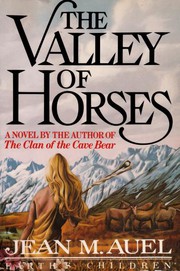
The Valley of Horses
Exiled from the Clan, Ayla survives alone in a hidden valley, tames a horse and a cave lion, and nurses a wounded stranger back to life.
2,311-word summary · 10 min read

Sophie's Choice
A young Southern writer in 1947 Brooklyn befriends a brilliant, unstable couple and slowly learns the story of the Polish Catholic woman at the center of their…
2,798-word summary · 12 min read
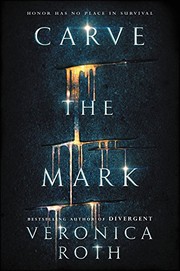
Carve the Mark
On a planet divided between conquered and conqueror, the tyrant's sister and a kidnapped oracle's son discover that their gifts make them useful to everyone…
2,340-word summary · 10 min read
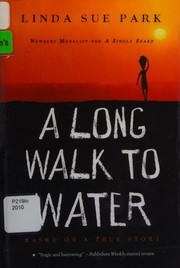
A Long Walk to Water
Two eleven-year-olds in southern Sudan, twenty-three years apart: a Dinka boy fleeing war and a Nuer girl walking hours for water, until their stories meet at…
2,217-word summary · 10 min read

Starsight
Spensa Nightshade goes undercover aboard the Superiority space station Starsight to steal a hyperdrive, and finds a frightened bureaucracy where she expected…
2,568-word summary · 11 min read

Saving the World and Other Extreme Sports
Max and the flock split in two to take down the lab behind their lives, one half in California and the other in Europe.
2,175-word summary · 10 min read
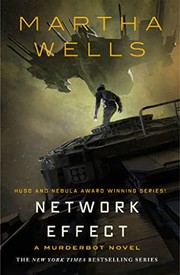
Network Effect
Murderbot's contract job turns into a rescue mission when a hijacked research ship and a colony of corrupted colonists appear.
2,256-word summary · 10 min read

Ivanhoe
A disinherited Saxon knight, a great tournament, a besieged castle and a trial by combat. Scott's most famous novel, set in England in 1194.
2,834-word summary · 13 min read
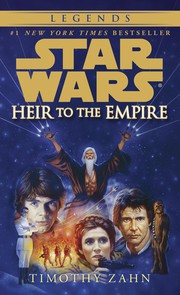
Heir to the Empire
Grand Admiral Thrawn returns from the Unknown Regions and outmaneuvers the New Republic while Luke, Leia, Han and smuggler Talon Karrde race him toward…
2,323-word summary · 10 min read
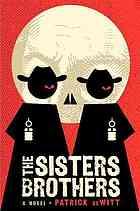
The Sisters Brothers
Two hired killers ride from Oregon to Gold Rush California to murder a prospector, and find their trade, their brotherhood, and the frontier myth coming apart.
2,095-word summary · 9 min read
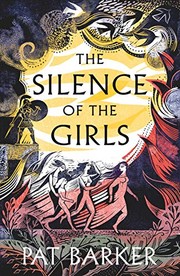
The Silence of the Girls
Briseis, queen of Lyrnessus, is captured by Achilles and narrates the Trojan War from inside the Greek camp, where women are prizes and survival is its own…
2,098-word summary · 9 min read
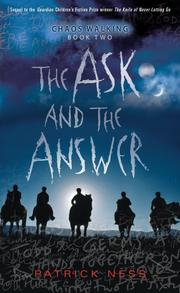
The Ask and the Answer
Todd and Viola are separated in occupied Haven, where the Mayor's Ask tortures suspects and the Answer plants bombs in the name of freedom.
2,265-word summary · 10 min read
Saga, Volume 3
Marko, Alana, and Hazel hide on the planet Quietus with the reclusive author who inspired their romance, while assassins and a prince close in.
1,989-word summary · 9 min read
Out of the Silent Planet
A Cambridge philologist is kidnapped and taken to Mars, where the natives are civilized and the humans are the dangerous invaders.
2,612-word summary · 12 min read