
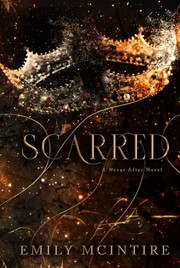
Scarred
2,074-word summary 9 min read 463 pages in the book
- First published
- 2022
- Publisher
- Sourcebooks
- Pages
- 463
- ISBN
- 9781728278353
- Series
- Never After (#2)
Reading options
What's inside (4 sections)
I had read Hooked and liked how McIntire makes villains the point without softening, so Scarred, second in the Never After series, first published in 2022, Sourcebooks edition running 463 pages, ISBN 9781728278353, retelling Lion King with Scar as brooding king and Sara as spy bride, sounded right. It follows Tristan Faasa, scarred prince who took throne after brother's death, and Sara Beatreaux, princess sent to marry him while spying for rebels. It is dark romance with explicit scenes, enemies to lovers with arranged marriage, and more political plotting than Hooked. I finished it entertained and thinking about it less than Hooked, mostly about how scars work as metaphor that sometimes slips into decoration.
Tristan rules a kingdom that fears him for face scar and colder manner after brother's death? Actually after family tragedy. He drinks, broods, pushes advisors away, keeps kingdom running through fear and competence. Sara arrives as part of alliance, younger sister of a king? Actually princess traded to secure peace, trained to spy and report weaknesses back home. Their first meetings spark through hostility performed for courts. He insults her manners. She insults his scars to his face, which no one dares. That bravery interests him more than beauty. She sees flinch he hides and does not pity, which interests her. Those mutual recognitions, scar as history not costume, give early chapters charge beyond banter. When they spar with words at dinners while courts watch, attraction builds through wit as weapon. Who wins verbal duel decides bedroom power later. McIntire writes those duels well. Short sentences. Interruptions. No one yields. Readers who like banter will underline plenty.
Arranged marriage with spying
The marriage plot moves fast. Wedding night with rules. Separate rooms unless summoned. Report to handlers through maids. Sara maps castle for rebels while playing queen. Tristan knows she spies and lets her to see what she takes. That cat and mouse could feel repetitive. McIntire varies through objects. Letters steamed open and resealed with care that shows respect even in betrayal. Maps copied with mistakes introduced to test what enemy does with false info. Poisons tasted by food testers who become characters with loyalties. Those tradecraft details, learned from spy romances, keep middle from only bedroom. A scene where Sara copies a war plan while Tristan watches from doorway without stopping her reframes power. He wants her to have enough rope to choose loyalty freely. That gamble defines his love style throughout. Give room to betray, hope she does not. Risky and romantic in dark romance logic where control would be easier. He chooses trust as strategy that becomes real trust through practice. She notices and files away with other evidence that he differs from brother tyrants.
Sara's rebel handlers pressure for more as weeks pass. Send troop movements. Poison wine. Open gate at ball. She delays, edits, warns Tristan indirectly through changed routines. Those delays show shifting loyalty better than declarations. Actions withhold harm while appearing to help rebels. When handlers threaten her family back home to force compliance, stakes sharpen from politics to personal. Obey and kill husband you now want. Refuse and sister suffers. That dilemma drives late book better than early banter. No good choice. Only costs distributed differently. Sara chooses Tristan while trying to protect family through lies that satisfy no one fully. Those lies collapse at the worst moment, as they must, during a ball where masks literalize deception. Unmasking scene with scars revealed publicly works because private acceptance preceded. She saw his face alone and stayed. Court seeing changes nothing between them, though it changes everything around. That order matters for dark romance that wants love to redeem without erasing power. Acceptance first in private gives strength to face public.
Tristan's brother? Actually dead brother Michael? As ghost memory shapes rule. He was golden heir, beloved, killed in ways Tristan blames himself for surviving. Flashbacks show boys playing at kings with wooden swords, then accident or murder that scars Tristan outside and inside. Present Tristan drinks to quiet guilt, pushes advisors who knew brother, keeps brother's rooms untouched. Sara enters those rooms uninvited and cleans without erasing, which enrages then moves him. Grief as housekeeping. Who dusts shrines. Who opens windows. Those domestic details humanize brooding king trope that could feel cartoon. He is not cruel for fun like Peter in Hooked. He is tired and guilty and competent enough to rule while hating ruling. That weariness makes him sympathetic even when he orders harsh punishments for traitors. He hates ordering and does it anyway because kingdom needs. Those reluctant cruelties complicate moral ledger usefully. Good man doing bad job versus bad man enjoying. Readers decide where Tristan falls and may disagree, which is good for book clubs that like debating redeemability.
For pacing, the court intrigue middle can blur with names. Advisors with similar titles, rebel contacts with code names, balls that repeat. Two council meetings in a row follow similar beats, threat report, Tristan dismisses, Sara notes who flinches. I skimmed one because pattern, danger summarized, was clear. Then a bedroom scene where spying pauses for honesty about scars snaps it back. He lets her touch face without turning away. She asks about pain, not story. Those questions reach past lore to feeling. How does it hurt in winter. What helps besides drink. Care as curiosity about daily living with mark. That curiosity builds intimacy faster than declarations. Dark romance often rushes to explicit to prove passion. Here slowness around wound creates more heat than scenes that follow, though those are explicit and frequent after midpoint with consent negotiated through safe words and aftercare that McIntire handles better than many in genre. Check ins woven into action without pausing. Still want. Yes here. Slower. Those checks keep power play safe enough to enjoy for readers who need care shown. Still, gap remains as genre requires. King and spy bride with handlers threatening. No checking erases structure, only mitigates. Readers who cannot enjoy that structure should skip even careful version.
Lion King echoes without copying
The retelling works through theme rather than plot copy, which saves it from Disney comparison fatigue. Scar as king who did not want throne after Mufasa-like brother dies. Sara as Nala-like figure who left and returns with outside perspective? Actually Sara arrives rather than returns. Hyenas as rebel factions hungry for scraps. Those echoes orient without dictating. Readers who know film will catch nods, scar over eye, stampede memory, presentation of heir, without needing scene matches. McIntire trusts readers to feel resonance while following new plot about spies and balls. That trust respects both sources. Lion King provides emotional shorthand for brother guilt and exile return. Original politics provide fresh stakes about alliances and trade. Together they feel familiar and new at once, which is what retellings should do. Failures come when books copy beats without theme. Here theme, what makes worthy king versus feared tyrant, drives both sources. Tristan learns visibility as duty. Show scarred face to court rather than hide. That lesson mirrors Simba returning to Pride Rock but with adult politics about legitimacy through care, not roar. When Tristan finally addresses court unmasked without drink, the scene lands because private acceptance preceded. Sara taught by staying. Court learns slower, but some nod. Enough to rule without daily fear. That enough is victory in dark romance where happy ever after means stable enough, not perfect.
For craft, McIntire's voice is direct and steamy with short chapters ending on threats or touches. If you like brief literary, look elsewhere. This is commercial that knows its lane. Heat scenes are explicit and frequent, with dirty talk that characterizes. Tristan commands in bedroom as at court, then asks after in ways that show learning. Sara submits in scenes and commands in spying, keeping agency split rather than surrendered. Those dynamics will satisfy dark romance fans and trouble others, which is genre contract. Content warnings matter here more than Hooked. Violence, coercion themes, explicit content, death of family. McIntire lists warnings online, which I appreciated after finishing. Check before gifting to younger readers even though fairy tale source suggests YA. This is adult, clearly marketed but easily mistaken by cover. Booksellers should shelve carefully. Libraries do, mostly, but confusion persists.
For criticism, length at 463 pages includes subplots that could trim. A rebel attack on a village to prove stakes repeats earlier ball tension. One would do. Sara's family back home appears through letters that tell rather than show pressure. One scene with sister would deepen cost of betrayal. As is, family threat feels abstract compared to Tristan's tangible court. Also, Tristan's drinking resolves fast once love arrives. Real recovery takes longer than plot allows. A few more slips would honor struggle without undermining romance. Still, at this length it reads fast for fans. I finished in three evenings, faster than Hooked, because court mystery propels even when romance pauses. Who sent rebels info from inside. Thatmole hunt? Actually mole hunt sustains through finale without cheating. Pay attention to maids. They see everything and choose sides with reasons. Those downstairs choices decide upstairs fates more than king orders. Nice inversion of Lion King focus on royals. Servants as kingmakers. Remember who pours wine. They decide who drinks.
For who this is for. If you liked Hooked for dark Peter Pan, try Scarred for more politics and less trafficking horror. If you are new, start with Hooked for series order, though each retells separate tale with new couple and stands alone fine with cameos orienting. If you want cozy, look elsewhere. This is explicit with wounds, physical and emotional, described without flinching. I closed it thinking about scars touched gently, how Sara traces without pity and Tristan leans into touch rather than away. That image stays longer than any ball. Acceptance as finger tracing ridge. Simple and enough. Practice that attention with loved ones' marks, physical or otherwise. Look without flinching. Ask about pain in winter. Stay when answer hurts.
Sara's spying tradecraft as learned skill rather than natural talent deserves emphasis because McIntire shows training through mistakes. Early copies smudge. Dead drops get watched. Codes use obvious book ciphers rebels break. Handlers scold through letters that arrive opened, signaling interception Sara misses first time. Those failures teach faster than successes. She learns to vary routes, to copy maps from memory rather than carry, to report verbally in crowded ballrooms where listeners cannot isolate. A scene where she passes info through dance card exchange while Tristan watches amused shows growth. He knows what she does and lets her practice on him, correcting grip on pencil used for copying like dance instructor correcting posture. That complicity, cat letting mouse train, defines their courtship better than banter. He enjoys watching her get better at betraying him because competence attracts more than loyalty speeches. When she finally uses skills against his enemies rather than him, the turn feels earned through practice pages, not sudden conversion. Training montages matter when later applied to new targets. Remember maids who taught her which corridors creak. Those lessons save lives when fleeing with Tristan rather than from him. Skills transfer across loyalties. Keep training even when side changes. Competence outlasts causes.
Rebel handlers as family pressure rather than faceless evil also complicate moral ledger usefully. Sara's brother? Actually sister? Family back home sends letters begging for help that is also orders. Do this or we suffer. Love as leverage. Sara obeys from love, not ideology, which makes betrayal of Tristan hurt doubly. She betrays new love for old family, impossible math with no right answer. Handlers know and exploit, sending childhood photos with instructions on back. Those photos as weapons hit harder than threats because they remind what is protected through harming. McIntire understands insurgencies run on family hostages more than beliefs. Fighters fight for people at home to eat, not manifestos. That grounding prevents rebels versus crown simplicity. Both sides feed families through violence. Difference is who admits cost. Tristan admits his orders kill. Handlers hide costs in euphemisms about necessity. Sara sees through both by end because she paid both prices. Bodies she mapped died. Family she fed still hungry. No clean side. Choose who lets you sleep after, which turns out to be scarred king who snores rather than righteous handlers who send photos to control. Sleep as moral test. Who lets you rest. Stay there.
FAQ
Who are Tristan and Sara?
Tristan Faasa, scarred king ruling through fear and guilt, and Sara Beatreaux, princess sent to marry and spy for rebels.
When was Scarred published?
Sourcebooks published it in 2022. The paperback runs 463 pages with ISBN 9781728278353.
Is Scarred part of a series?
Yes. It is book 2 in Never After after Hooked, retelling Lion King. Stands alone fine with cameos.
Similar books
More from Never After first, then related titles.
Hooked
James Hook kidnaps Wendy to take revenge on Peter Pan in this dark retelling.
2,584-word summary · 11 min read
Wretched
The Wicked Witch of the West becomes a heroin chemist, and the DEA agent sent to destroy her family falls for the very woman he was assigned to ruin.
2,117-word summary · 9 min read
My Dark Romeo
A debutante ball kiss traps Dallas Townsend in a marriage to Romeo Costa, a man who wants her as leverage in a war against his father and her fiance.
2,530-word summary · 11 min read
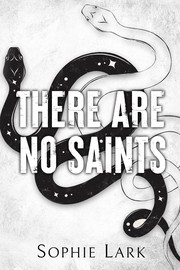
There Are No Saints
Two rival artists circle a struggling San Francisco painter. Cole Blackwell wants her, Alastor Shaw wants her dead. Book one of the Sinners duet.
2,190-word summary · 10 min read
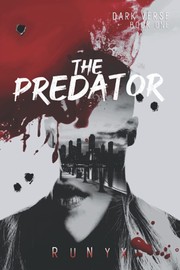
The Predator
Coder Morana Vitalio and mob enforcer Tristan Caine chase stolen software while a case of missing girls from twenty years back catches up with them both.
2,296-word summary · 10 min read

The Rose & the Dagger
Shahrzad is pulled from her Caliph husband and left in a desert camp of rebels, needing to break his curse and end a war before it ends her.
2,520-word summary · 11 min read
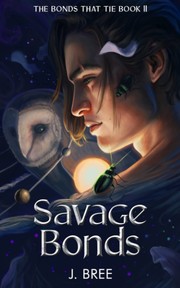
Savage Bonds
Oli's deadly gift is out in the open, her Bond runs the show, and the Resistance is closer than ever in the second Bonds that Tie novel.
2,431-word summary · 11 min read
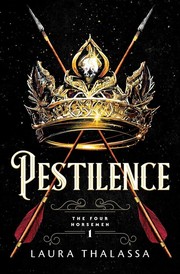
Pestilence
Firefighter Sara Burns shoots the Horseman Pestilence and discovers he cannot die. Taken captive, she rides with him as his plague sweeps the world.
2,508-word summary · 11 min read
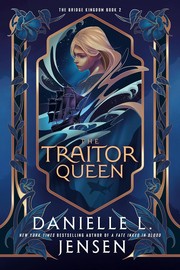
The Traitor Queen
Exiled Lara returns to free Aren and break her father hold.
2,328-word summary · 10 min read
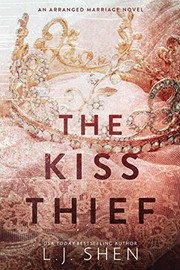
The Kiss Thief
Promised to one man, taken by another, Francesca must choose in Chicago.
2,545-word summary · 11 min read
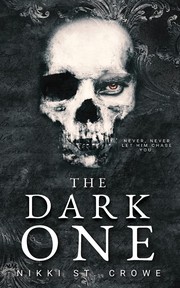
The Dark One
Winnie trades with Hook while Peter Pan turns cruel in Neverland.
2,596-word summary · 12 min read
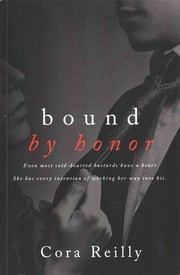
Bound by Honor
An arranged mafia marriage between a Chicago girl and a New York heir turns to love.
2,586-word summary · 11 min read
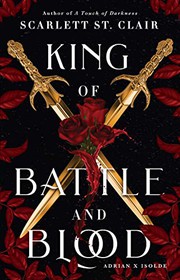
King of Battle and Blood
A bride sent to marry vampire king Adrian plans to kill him, fails, and must survive his court.
2,465-word summary · 11 min read
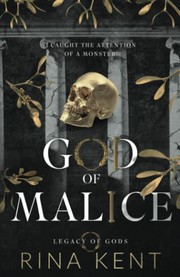
God of Malice
Rina Kent's God of Malice fully retold: Glyndon King, Killian Carson's fixation, secret societies, and the Devlin twist that resets everything.
2,849-word summary · 13 min read
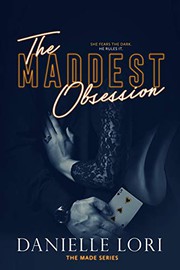
The Maddest Obsession
Sharp-tongued Gianna spars with secretive Christian Allister in this 2019 Made #2 mafia romance, where teasing hides danger and lies.
3,903-word summary · 17 min read
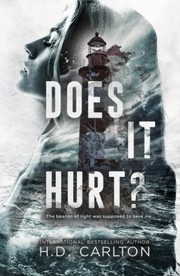
Does It Hurt?
Running Sawyer hitches a sailboat with guarded Enzo and wrecks off the Australian coast.
2,251-word summary · 10 min read
Neon Gods
Promised to Zeus, Persephone flees to Hades and trades fake dating for real choice in Olympus.
2,002-word summary · 9 min read
Six Scorched Roses
A dying scholar bargains with a reclusive vampire for blood, and six roses turn a transaction into a slow, dangerous romance.
2,663-word summary · 12 min read
Her Soul to Take
A paranormal vlogger in a cult-run town summons a bound demon, and the only way to survive the god beneath the mine is to give him her soul.
2,089-word summary · 9 min read

Vow of Thieves
Kazi and Jase return to Tor's Watch to find it occupied, and their marriage is tested by captivity, betrayal, and a war for the town of Hell's Mouth.
2,059-word summary · 9 min read

Blood Bonds
Oleander is chained in a Resistance camp, and her five Bonds have to find her before Silas Davies finishes what he started in this third Bonds that Tie book.
2,018-word summary · 9 min read
Cruel Beauty
A girl raised to kill the demon prince who rules her cursed land instead falls in love with him, in a retelling that mixes Beauty and the Beast with Bluebeard…
2,669-word summary · 12 min read
The Ex Talk
Two rival public radio producers pretend to be exes for a dating show, then fall for each other while the lie grows.
2,389-word summary · 11 min read
Nightfall
Emory Scott wakes in Blackchurch, a remote house for the sons of the powerful, where the boy she once loved is imprisoned and the story she told about him…
2,339-word summary · 10 min read
Deviant King
A scholarship student at an elite boarding school is targeted by the king of the Four Horsemen, who seems to know her forgotten past.
2,384-word summary · 11 min read
The Casanova
Kate Landon's boss is also the pen pal she falls for online, hiding behind fake names, until family secrets and a trip to Paris get in the way.
2,274-word summary · 10 min read

Indigo Ridge
A new police chief in a Montana town meets the founding family's eldest son in a bar, and one night later a body turns up under their cliff.
2,763-word summary · 12 min read
Eligible
Austen's Bennet sisters move to modern Cincinnati, where marriage is a reality show and the house is losing its value.
2,293-word summary · 10 min read
Stars Above: A Lunar Chronicles Collection
Nine Lunar Chronicles stories fill in the histories of Cinder, Wolf, Thorne, Cress, Winter, and Jacin, and end with a wedding after the war.
2,230-word summary · 10 min read
Daughter of the Moon Goddess
The daughter of Chang'e hides in the Celestial Court, trains as an archer, and risks everything to free her mother from the Emperor's punishment.
2,146-word summary · 10 min read