
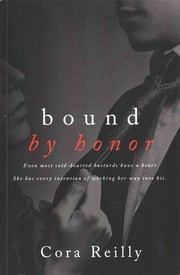
Bound by Honor
2,586-word summary 11 min read 317 pages in the book
- First published
- 2014
- Publisher
- CreateSpace Independent Publishing Platform
- Pages
- 317
- ISBN
- 9781505399707
- Series
- Born in Blood Mafia Chronicles (#1)
Reading options
What's inside (7 sections)
I picked up Bound by Honor knowing it is mafia romance with arranged marriage, and I wanted to see if it handles consent and power with care. First published in 2014 by CreateSpace Independent Publishing Platform at 317 pages in paperback, it is book one in the Born in Blood Mafia Chronicles. Aria Scuderi, raised in Chicago mob family, was betrothed at fifteen to Luca Vitiello, heir in New York, to stop war. At eighteen she marries him. He is called the Vice, feared, cold. She is sweet, sheltered, brave in quiet ways. Their marriage starts as duty and turns to love through respect earned slowly. I found it addictive and troubling in turns, which is honest for the subgenre. You have to decide if you can enjoy fantasy built on control.
Aria grows up knowing her fate. Chicago Outfit families trade daughters for peace. Her father is strict, her mother loving but powerless, her sisters Bianca and Lily watch and fear their own turns. Aria trains to be a good wife. Cooking, hosting, looking pretty, obeying. She also reads, dreams, loves sisters fiercely. At fifteen she meets Luca briefly, grown man who stares and says little. She fears him. At eighteen, wedding day comes with white dress and guns in pews. Vows said, hands shaking. Luca lifts veil, looks, nods. That nod is first kindness. Not love, but acknowledgment. She clings to it on the drive to New York.
Luca leads with fear. Eldest son of New York head, raised to punish, to decide who lives. He is handsome in a hard way, tattooed, scarred, polite when he chooses. He does not want a child bride. He wants peace and an heir eventually. He tells Aria rules. Do not leave without guards. Do not lie. Do not embarrass. He gives her space in a huge house, his room separate at first. That distance helps. He does not force wedding night crudely. He waits, talks, touches gently when she permits. For mafia romance, that restraint matters. Consent is still constrained by arrangement, no real choice to marry, but within marriage he asks. I watched for that and felt relieved when he did. Still, power gap never vanishes. He can have her killed in this world. She knows. He knows she knows. Love grows inside that cage, which is fantasy and problem both.
New York life
New York Cosa Nostra runs on ritual. Sunday dinners, church, clubs, guards. Aria learns names. Matteo, Luca's flirty brother. Romero, loyal soldier. Gianna, fierce girl. Women trade gossip and warnings. Be good, do not ask about work, keep house beautiful. Aria tries. She cooks Italian her mother taught, hosts, dresses well. She makes mistakes. Asks about business. Goes out without telling. Luca corrects sharply, sometimes frightening. He never hits her, which the book stresses as proof of goodness in this world. That bar is low and the book knows. Other men hit wives. Luca does not. Praise for not abusing feels thin outside genre, but inside, it signals he is one of the good monsters. You have to accept genre contract or skip. Bad men who love one woman right. I accepted for story while noting discomfort. Fantasy of safe danger appeals because real danger is unsafe and unsexy. Here danger wears suits and asks before touching after first fear. That ask matters to many readers. It did to me, partly.
The marriage warms through small acts. Luca brings Aria a book she mentioned. He sits while she reads. He defends her against rude cousin. She brings him food when he works late. She learns his coffee. He learns she hates being locked in. He loosens guard rules slightly. They talk at night about childhoods. He was beaten to harden. She was sheltered to soften. Both lonely in roles. Sex starts tense, becomes tender. Descriptions are explicit but not endless. Focus stays on feelings. Does she want. Does he check. Yes, increasingly. That checking builds trust that allows heat. Readers who like slow burn with mafia edge will enjoy. Those needing equal power will chafe. She cannot leave. He can. That inequality underlies even sweet scenes. The book does not hide. Aria thinks about it. She chooses to make best of cage by loving warden who learns to unlock doors a little. Is that empowerment or Stockholm. The book says love. Critics say Stockholm. I sat between. Her agency grows within limits. She influences Luca to spare, to listen, to protect sisters. That influence is real power in this world, though not freedom as outsiders define. Sit with that tension if you read.
Threats come from outside and inside. Chicago watches if Aria loyal. New York old guard doubts Chicago girl. A shooting at a party, a traitor in crew, a rival family probing. Luca goes to war meetings, comes home bloody, showers, holds Aria. She learns to clean wounds, to wait up, to not ask details that endanger. That waiting is its own labor. Wives in this series hold homes while men bleed. Aria does with grace that costs sleep. Her sisters' futures loom. Bianca will marry to seal another deal. Aria wants to protect her by pleasing Luca. That sister love drives many choices. Endure cold wedding night to keep sister safe longer. Smile at cruel mother in law to keep peace. Those sacrifices feel real to anyone who placated family for siblings. Scale differs. Feeling same.
What works and what troubles
What works is pace and emotion. Short chapters, alternating viewpoints? Actually mostly Aria with Luca glimpses. Wedding, move, dinners, threats, reconciliations. You turn pages to see if kindness holds. Cora Reilly writes clearly without purple overload. Dialogue is direct. Threats blunt. Love scenes tender amid hardness. At 317 pages it flies. You will finish in sittings. Series hooks with sisters and brothers waiting for books. Bianca's story next tempts. That serial pull is strong. If you like arranged marriage fantasies, this delivers core beats. Fear to trust to love, with danger outside to force closeness.
Luca as hero will divide. He kills, orders deaths, threatens. He also protects Aria, respects no, avenges insults to her. The book frames his violence as duty to family, not pleasure, except with enemies. That framing excuses much. Readers must decide if duty excuses. I found him compelling as fantasy while not wanting real Luca. That split is key to enjoying dark romance responsibly. Fantasy safe because fictional. Do not confuse with real mafia romance, which is abuse and prison. The book does not claim otherwise. It offers escape where danger is controlled and love tames. Take as escape or skip. Do not take as guide.
Aria as heroine also divides. She obeys often, rebels rarely, finds power in softness. Some want her to run or fight system. She does not. She works inside, influencing Luca to be less cruel, protecting sisters through compliance. Is that agency. Within world, yes. She chooses kindness as strategy. She withholds sex till trust, demands respect in small ways, tells Luca when scared. He listens more over time. That listening is growth for him. For her, growth is speaking louder. By end she tells him no and he accepts. That no matters in a world where women cannot refuse. Celebrate small wins while noting cage remains. Both true.
Content is adult. Arranged marriage at eighteen with older man, power gap, violence, murder, threats, explicit consensual sex after initial fear, language strong. No non consensual scenes lingered? Wedding night is consensual though pressured by arrangement. The book stresses checking. Still, arrangement itself is coercion. Readers sensitive to age gaps and mob violence should skip. It is dark romance, not sweet. The enemies to lovers tag fits early fear turning. Mafia tag warns. Go in knowing.
Who should read it
Read it if you like mafia romance with arranged marriage, like Twisted Love but darker, or Born in Blood series starters. Read it for Luca and Aria slow thaw, for Chicago New York politics, for sisters. Start here in order. Later books follow siblings.
Skip it if arranged teen marriage bothers even fictional, if mafia glorification offends, if you need equal power from page one. This builds respect inside inequality, not outside. That premise will anger some rightly. Honor that anger and skip. There are romances with equal footing that may suit better.
For me, the image that stays is Aria in a New York kitchen too big, making her mother's pasta while guards stand outside, Luca coming home late, bloody cuff hidden, sitting to eat because she asked about his day. Normal inside abnormal. At 317 pages, Bound by Honor argues honor binds and blinds. Families trade girls for peace and call it honor. Girls make honor livable by demanding care within. Luca learns to honor Aria as person, not treaty. Aria learns to demand honor as respect, not obedience. That mutual learning, slow and incomplete, held me despite discomfort. I closed it thinking about sisters waiting for their books and hoping they get louder nos. That hope for louder nos inside loud guns is why series continues. Take fantasy as fantasy. Hold real standards outside. Both can coexist if you read with eyes open.
Sisters and Chicago roots
I want to say more about Bianca, Lily, and Chicago, because family pressure shapes Aria more than Luca does at first. Bianca, younger sister, fierce and funny, faces her own arranged future and watches Aria to learn how to survive. They share clothes, secrets, fears at night. Bianca jokes about running, then cries about leaving mother. Lily, youngest, still child enough to play while understanding too much. Aria mothers both, braiding hair, telling stories, promising to call. Those promises ache because phones are monitored and visits rare. Leaving Chicago for New York feels like exile, not marriage. The drive with guards, wedding dress packed, sisters waving from porch, stuck with me longer than wedding. Sisters left behind in a system that will take them next. Aria's compliance buys them time, not freedom. She knows. She complies anyway to delay. That delay is love in this world. Small wins matter when war looms. Buy Bianca two more years of girlhood with your own early wedding. Many eldest daughters will recognize that math. Sacrifice self to shield siblings. Honorable and sad. The book respects that choice without romanticizing system that demands it. Fathers trade. Mothers cry. Sisters wait. Cycle continues till someone says no louder. Bianca will later, in her book, say louder. Here Aria whispers no and is heard by Luca, which starts shift.
Chicago Outfit home also deserves detail. Big house with guards, kitchen smelling of sauce, father stern at head of table, mother gentle and complicit. Aria's father loves in his way, providing, protecting from outside while delivering to Luca. That contradiction confuses Aria. Is he good. He beats? Actually he does not beat daughters, but orders marriages that feel like sale. He believes honor requires. That belief, learned from his father, blinds. Aria sees love inside control. Father cries at wedding, hugs tight, whispers be strong. That hug is real and insufficient. Good men in bad systems still do harm while loving. Sit with that. Do not excuse, but understand to change. Luca's family mirrors with New York hardness. His father, head, colder. His mother dead? Actually absent. Brothers Matteo and others watch Aria for weakness. She learns quickly who smiles truly. Romero, soldier assigned to guard, kind in professional way. Gianna, strong girl, befriends with blunt advice. Those allies help her navigate new house rules. Which doors locked. Which topics avoid at dinner. That learning curve, from Chicago rules to New York variants, shows intelligence. She is not naive long. She maps power fast. That mapping is survival skill girls in patriarchies learn early. Notice who really decides. Often not the loudest man. Often his mother, advisor, or wife whispering. Aria learns to whisper effectively. That whisper network among women, sharing warnings about moods and meetings, saves more than guns. Pay attention to kitchen talk. It runs empires.
Luca learning softness
Luca's growth needs more credit for how slowly and unevenly it happens, which feels real for men raised to hardness. Early chapters he orders, watches, tests. Does Aria obey. Will she spy for Chicago. Can she host. He respects competence when she shows. Hosting a dinner well earns nod. Handling a rude cousin with calm earns respect. Those small wins build trust more than beauty. He chose her for peace, not love, but finds himself liking her laugh. He is confused by liking. Feelings were trained out except loyalty and anger. Liking feels like weakness till he sees it steadies hands. He shoots better rested after talking with Aria than after brooding alone. That practical benefit convinces a pragmatist. Love as performance enhancer. Unromantic and true. Later he admits he waits to hear her steps before sleeping. Vulnerability in a man who kills for a living. That admission costs him more than murders. He tells only her. She holds gently. Those night talks, him bloody and tired, her in nightgown listening, build intimacy more than sex. Sex follows trust, not before. Good ordering for dark romance. Talk first, touch asked, stay after. That sequence models healthier patterns inside unhealthy arrangement. Take note if you write such books. Talk matters as much as touch.
His violence outside home contrasts with gentleness inside, and the book does not hide split. He tortures a traitor, then brings Aria flowers. He orders hits, then cooks pasta badly to make her laugh. That split disturbs and attracts. Can a man compartmentalize so cleanly. Real killers cannot without damage. Luca shows damage in nightmares, drinking, distance. Aria sees and does not fix. She sits nearby while he shakes. That sitting, not solving, is love here. Do not expect therapy arcs. Expect endurance with softening. He kills less impulsively after marrying? Actually he considers consequences for Aria before acting. That pause is growth. From hot Vice to cooler head. Still Vice, still lethal, but less reckless. Peace between families holds partly because Luca thinks of Aria before retaliating. That think first saves lives beyond their bedroom. Private love has public effects in mafia worlds. Beautiful and troubling. One woman's influence calms wars. Pressure on her immense. If she fails to soothe, men die. That burden is unfair and central. Aria feels it. She tries harder to please when tensions rise, linking worth to peace. That link will resonate with women taught to keep peace at home to keep safety. Scale differs. Feeling same. Name it while reading. Care is not cure for systems. But it helps individuals survive systems while working to change. Bianca will work more overtly later. Here Aria starts by surviving kindly. Enough for book one.
If you reread, watch for honor language. Characters say honor, respect, loyalty constantly. Meanings shift. Fathers mean obedience. Luca means protection. Aria means care. Same word, different demands. By end they negotiate shared meaning. Honor as mutual respect, not one way obedience. That linguistic negotiation is book's quiet triumph. Pay attention to vows. Wedding vows said under guns. Later private vows whispered in kitchen. Second vows matter more. Make your own vows after arranged ones. Choose words together. That choosing is freedom inside cage. Small, real, worth noting. At 317 pages, the book does not free Aria from mafia. It frees her voice inside marriage. Louder books will free more. Start here, hear whisper grow. Listen.
FAQ
When was Bound by Honor published?
It was first published in 2014 by CreateSpace Independent Publishing Platform at 317 pages. It is book one in the Born in Blood Mafia Chronicles.
What is the setup?
Aria Scuderi, fifteen when betrothed, marries Luca Vitiello at eighteen to seal peace between Chicago and New York families.
Similar books
More from Born in Blood Mafia Chronicles first, then related titles.

The Predator
Coder Morana Vitalio and mob enforcer Tristan Caine chase stolen software while a case of missing girls from twenty years back catches up with them both.
2,296-word summary · 10 min read
Wretched
The Wicked Witch of the West becomes a heroin chemist, and the DEA agent sent to destroy her family falls for the very woman he was assigned to ruin.
2,117-word summary · 9 min read
The Kiss Thief
Promised to one man, taken by another, Francesca must choose in Chicago.
2,545-word summary · 11 min read

The Darkest Temptation
Sheltered Mila flies to Moscow and falls for captor Ronan, a Russian enforcer seeking revenge.
2,023-word summary · 9 min read
The Maddest Obsession
Sharp-tongued Gianna spars with secretive Christian Allister in this 2019 Made #2 mafia romance, where teasing hides danger and lies.
3,903-word summary · 17 min read
My Dark Romeo
A debutante ball kiss traps Dallas Townsend in a marriage to Romeo Costa, a man who wants her as leverage in a war against his father and her fiance.
2,530-word summary · 11 min read
There Are No Saints
Two rival artists circle a struggling San Francisco painter. Cole Blackwell wants her, Alastor Shaw wants her dead. Book one of the Sinners duet.
2,190-word summary · 10 min read
Savage Bonds
Oli's deadly gift is out in the open, her Bond runs the show, and the Resistance is closer than ever in the second Bonds that Tie novel.
2,431-word summary · 11 min read
Pestilence
Firefighter Sara Burns shoots the Horseman Pestilence and discovers he cannot die. Taken captive, she rides with him as his plague sweeps the world.
2,508-word summary · 11 min read
God of Malice
Rina Kent's God of Malice fully retold: Glyndon King, Killian Carson's fixation, secret societies, and the Devlin twist that resets everything.
2,849-word summary · 13 min read
Scarred
A spy bride sent to ruin a scarred king learns his scars first.
2,074-word summary · 9 min read
Brutal Prince
Aida's small fire forces a marriage to Callum Griffin to stop a Chicago mob war neither wants.
2,042-word summary · 9 min read
Does It Hurt?
Running Sawyer hitches a sailboat with guarded Enzo and wrecks off the Australian coast.
2,251-word summary · 10 min read
Den of Vipers
Handed to the four Vipers over her father's debt, Roxy fights to hold her ground in their guarded house and busy club in this long 2020 dark romance.
4,247-word summary · 19 min read
The Sweetest Oblivion
Sheltered Elena Abelli catches the eye of feared made man Nicolas Russo after her sister flees an arranged match.
3,342-word summary · 15 min read
Hooked
James Hook kidnaps Wendy to take revenge on Peter Pan in this dark retelling.
2,584-word summary · 11 min read
Six Scorched Roses
A dying scholar bargains with a reclusive vampire for blood, and six roses turn a transaction into a slow, dangerous romance.
2,663-word summary · 12 min read
Her Soul to Take
A paranormal vlogger in a cult-run town summons a bound demon, and the only way to survive the god beneath the mine is to give him her soul.
2,089-word summary · 9 min read

Blood Bonds
Oleander is chained in a Resistance camp, and her five Bonds have to find her before Silas Davies finishes what he started in this third Bonds that Tie book.
2,018-word summary · 9 min read
The Ex Talk
Two rival public radio producers pretend to be exes for a dating show, then fall for each other while the lie grows.
2,389-word summary · 11 min read
Nightfall
Emory Scott wakes in Blackchurch, a remote house for the sons of the powerful, where the boy she once loved is imprisoned and the story she told about him…
2,339-word summary · 10 min read
Deviant King
A scholarship student at an elite boarding school is targeted by the king of the Four Horsemen, who seems to know her forgotten past.
2,384-word summary · 11 min read
The Casanova
Kate Landon's boss is also the pen pal she falls for online, hiding behind fake names, until family secrets and a trip to Paris get in the way.
2,274-word summary · 10 min read

Indigo Ridge
A new police chief in a Montana town meets the founding family's eldest son in a bar, and one night later a body turns up under their cliff.
2,763-word summary · 12 min read
Fearless Fourteen
Bounty hunter Stephanie Plum babysits a teenager, guards a fading singer, and hunts nine stolen million dollars under her boyfriend's basement.
2,466-word summary · 11 min read

Say You're Sorry
A widowed prosecutor defends the teenager accused of killing her babysitter, uncovering a small town's secrets and a killer hiding in plain sight.
2,116-word summary · 9 min read
Lean Mean Thirteen
Stephanie Plum's ex-husband disappears after she attacks him, leaving her suspected of murder and chasing a forty-million-dollar secret through Trenton.
2,100-word summary · 9 min read
Twelve Sharp
Stephanie Plum is stalked by a woman claiming to be Ranger's wife, and when Ranger's daughter is kidnapped, Stephanie becomes both bait and target.
2,064-word summary · 9 min read
The Sinner
Sin, a Lord at Barrington, rigs his secret society's rules to claim Elli, the girl he has protected since killing her abuser, while the conspiracy around her…
2,059-word summary · 9 min read

Ten Big Ones
Stephanie witnesses a gang robbery dressed as a devil, and the Comstock Street Slayers put her on a list of people to kill.
2,062-word summary · 9 min read