
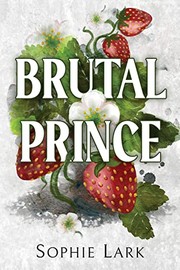
Brutal Prince
2,042-word summary 9 min read 304 pages in the book
- First published
- 2020
- Publisher
- Bloom Books
- Pages
- 304
- ISBN
- 9781728294186
- Series
- Brutal Birthright (#1)
Reading options
What's inside (10 sections)
I read Brutal Prince because BookTok would not stop talking about mafia romance. Sophie Lark first published it in 2020, and my reading follows the 304 page Bloom Books paperback from 2023. It is the first in Brutal Birthright. Aida Gallo sets a small fire in Callum Griffin's library, and their families arrange a marriage to stop a Chicago mob war. It is enemies to lovers with explicit scenes, quick banter, and higher stakes than I expected from the cover.
The setup is Romeo plus Godfather. The Gallos are Italian mafia. The Griffins are Irish mafia. They have battled for Chicago for generations. Aida, youngest Gallo, wild, funny, sharp with knives and words, crashes a Griffin party and accidentally burns books. Her father, to avoid bloodbath, offers her to Callum Griffin, eldest son, cold, ambitious, brutal in business and careful with family.
Arranged marriage with sparks
Neither wants it. Callum wants obedience and alliance. Aida wants freedom and art. Their first meetings crackle with insults. He calls her reckless. She calls him boring. She poisons his drink lightly on the wedding night to prove she can. He admires the nerve while furious. That dynamic, challenge plus attraction, drives the book.
Lark writes their banter fast. Short exchanges. Nicknames. Teasing about clothes, cars, guns. Underneath, both watch. Callum notices Aida feeds stray cats and protects younger cousins. Aida notices Callum trains brothers, visits his mother, and reads strategy late. Those observations soften hate into interest without erasing edge. They are still trying to dominate the marriage. They just start enjoying the fight.
The explicit scenes are frequent and frank, for mature readers only. Lark choreographs with consent talk inside dirty talk, which matters for the genre. Aida demands, refuses, negotiates. Callum listens, pushes, stops when told. Their chemistry works because power play is discussed, even when the discussion is brief. Readers who want fade to black should skip. Readers who want open door with banter will find plenty.
What surprised me was how much plot surrounds spice. Smuggling routes. Dock deals. A mole. A shooting. Family councils where old men shout. Aida uses her outsider eyes to spot a traitor Callum misses because he trusts blood. Callum uses his calm to save Aida when her temper traps her. Those competence beats give the romance spine beyond attraction.
Families and Chicago
The families are large and distinct. Gallo father is hot tempered and loves hard. Griffin father is colder and political. Brothers and cousins circle, some kind, some cruel. Aida's siblings tease and defend. Callum's brothers test him. Mothers maneuver with food and guilt. Those dinners, with lasagna and whiskey side by side, show two cultures forced to share a table. Jokes land. Glasses break.
Chicago itself is backdrop more than character. Clubs, mansions, warehouses, lake wind. Lark focuses on interiors, bedrooms, offices, kitchens, rather than city history. That inward gaze suits romance. Action moves between houses more than streets. A warehouse shootout late is tense but brief. The real battles are at tables, in beds, over phones.
Violence is present but not gory wallow. Beatings, threats, a kidnapping scare. Callum kills when needed and dislikes waste. Aida stabs when cornered and hates cruelty. The book does not glorify torture. It treats mob work as business with blood costs that stain. That moral shading helps readers who flinch at mafia heroes. These are criminals with codes, not saints.
The marriage pact trope gets fresh energy because both families watch. Every kiss is politics. Every quarrel risks war. A scene where Aida and Callum must dance at a party while enemies watch for cracks captures pressure. They smile, whisper insults, hold tight. Performance becomes foreplay. That public private blur is the book's smartest engine.
Chicago business and wedding pressure
The mob business chapters give the romance somewhere to stand. Docks, trucks, clubs, and ledgers all need attention while the couple fights. Callum runs meetings with calm threats and spreadsheets. Aida, locked out initially, spots patterns because she is new. A shipment that always loses a little. A cousin who spends too much. Those details let Aida contribute beyond charm. She audits like an artist, noticing color out of place.
Her eye helps catch a mole whose betrayal drives the late action. I will not name who, but the reveal plays fair through small clues about phones and absences. Callum, who trusted blood absolutely, must accept that family can bleed him. That lesson humbles him more than any fight with Aida. His apology to his brothers for blindness felt real. Leadership means doubting your own.
Wedding pressure shapes every kiss. Photographers, priests, mothers, and enemies all watch. Aida must wear white she hates and smile for people who want her dead. Callum must toast peace he does not trust. A dance scene where they whisper threats and compliments while twirling captures the book's blend. Performance as intimacy. They learn each other's tells under lights. She taps when nervous. He stills when angry. Those tells later save them in a warehouse when words fail.
Family meals deserve note for how Lark writes culture. Gallo tables loud with overlapping talk, red sauce, and teasing. Griffin tables quieter with whiskey, roasts, and toasts. Forced joint dinners mix both badly at first, with insults over dessert. Slowly, younger cousins trade music and jokes. Food does diplomacy that guns can not. Those scenes, warm and tense at once, show why peace matters beyond the couple. Children eat better when old men stop shooting.
Aida's art thread also grounds her. She sketches dresses, paints murals, and tags an alley wall that Callum pretends not to see. He funds her studio secretly, which she discovers and resents before accepting as care rather than control. That negotiation, gift versus leash, recurs in mafia romance and Lark handles it better than most by letting Aida set terms. Fund, do not direct. Praise, do not use. Those boundaries make their happy ending believable rather than bought.
Heat with negotiation
The explicit chapters work better than many in the genre because Lark keeps negotiation inside heat. Aida says slower, harder, stop, again, and Callum obeys or teases within bounds. Aftercare scenes with water, blankets, and jokes matter as much as acts. Those details model that rough play needs talk. Readers who skim for spice may miss how much consent talk structures it. It is there, brief and clear.
Aida's pleasure is centered without making her naive. She knows what she likes from experience and asks for it. Callum learns her particular map rather than performing generic dominance. A scene where he asks what a scar means mid kiss and waits for answer before continuing shows attentiveness that romance needs. Heat plus curiosity sustains. Heat alone would bore by chapter ten.
Conflict after intimacy drives growth. They fight about family orders that interrupt nights. About exes who text. About birth control and futures. Those fights, loud and specific, avoid miscommunication trope where a talk would fix all. Here talks happen and still hurt because values clash. Independence versus duty. Art versus empire. They compromise without surrendering cores. She keeps studio. He keeps command. Both adjust schedules. That mundane bargaining grounds fantasy.
By the end, their public unity feels earned because private negotiation preceded it. At a final party they present as team, finishing sentences and covering flanks. Enemies notice and recalculate. That shift from reluctant pair to alliance changes Chicago math more than any shooting. Love as strategy sounds cold. Lived as daily choice, it warms. Lark lands that paradox through small touches held under tables while toasts drone.
Power and apology
What kept me reading past heat was how the book handles apology. Callum apologizes with changed schedules, not just flowers. He moves meetings to attend Aida's show. He fires a man who insulted her though it costs business. Those acts cost. Aida apologizes with restraint, not just tears. She warns before fires, asks before pranks, and cleans her own messes. Those shifts show growth without erasing spark. They still fight. They fight fairer.
Family apologies matter too. Gallo father admits he sold his daughter too fast for peace. Griffin father admits he tested the couple cruelly to prove strength. Those admissions, gruff and brief, reset alliances. Younger cousins who mocked the marriage attend its defense when attacked. That widening circle from couple to clan gives the finale weight beyond bedroom. Peace holds because many choose it daily, not because two kissed.
By the last page, brutal has new meaning. Not cruel, but honest about harsh world while refusing to harden inside it. Callum still orders hits when needed and hates it more. Aida still carries knives and reaches for words first. Both protect softness in each other that mobs would mock. That mutual guarding, tough outside and tender inside the apartment, defines their version of love. It is not safe. It is chosen. That choice satisfies.
Why the series continues
Lark sets up siblings with care so each next book has a hook. A brother who watched Callum soften and wants the same. A sister who mocked Aida's marriage and now faces her own pact. Those glimpses, dealt in kitchen scenes and party asides, promise more without stealing this book's ending. Readers who came for one couple stay for family. The Chicago war cools but does not end, which is honest about mob peace. Treaties hold until someone gets greedy. That open door suits series without cheating standalone promise. At 304 pages this entry is lean by romance standards, which helps newcomers. Later books run longer. Start here to learn rules, then follow whoever charmed you at dinner.
What works and what wobbles
What works is voice, pace, and pair. Aida is funny without being ditzy. She loves art, hates boredom, protects family fiercely. Callum is controlled without being blank. He loves order, hates waste, learns to laugh. Their growth is mutual. He loosens. She focuses. Both apologize badly and try again. That trying charmed me.
What wobbles is depth for outsiders. If you do not like mafia romance, the premise will irritate. Arranged marriage as peace treaty romanticizes coercion, even with spice and banter. Lark mitigates by giving Aida knives, choices, and exits, but the frame remains. Some side characters blur. Brothers with similar names and suits merge. Business talk repeats. A middle section of parties and shopping sags between action.
The prose is clean, modern, and fast. Short chapters. Texts and POV switches between Aida and Callum. No purple. Explicit scenes use plain words. Fights use clear blocking. Emotions get one sharp line rather than paragraphs. That efficiency suits the audience. Literary readers may find it thin. Romance readers will find it quick.
Length at 304 pages reads in two sittings. No cliffhanger; the couple gets happy ending while series continues with siblings. You can stop here. If you like them, five more books wait with similar heat and less hate.
Who should marry
Give Brutal Prince to adult romance readers who like enemies to lovers, arranged marriage, mafia settings, and open door scenes with banter. It suits fans of Ana Huang and Rina Kent who want Chicago Irish plus Italian flavor. Do not give it to teens, to readers who avoid explicit content, or to those who dislike romanticized organized crime. Pair it with water and sleep. You will stay up late and want the next sibling story immediately. The Griffins and Gallos will be waiting with fresh insults and weddings.
Give Brutal Prince to adult romance readers who like enemies to lovers, arranged marriage, mafia settings, and open door scenes with banter. It suits fans of Ana Huang and Rina Kent who want Chicago Irish plus Italian flavor. Do not give it to teens, to readers who avoid explicit content, or to those who dislike romanticized organized crime. Pair it with water and sleep. You will stay up.
At 304 pages I finished it late, amused and a little moved. Aida starts setting fires to feel alive and ends tending one home fire she chose, with a man who learned to ask before ordering. That turn, from arson to hearth, is the whole arc. Brutal softens. Wild steadies. Neither surrenders. That balance is why the series sells.
FAQ
When was Brutal Prince published?
First published in 2020. The Bloom Books paperback runs 304 pages and the ISBN is 9781728294186.
Is it part of a series?
Yes. It is book one of Brutal Birthright, with a happy ending while siblings continue the series.
Is it suitable for teens?
No. It is adult mafia romance with explicit scenes, for mature readers only.
Similar books
More from Brutal Birthright first, then related titles.
There Are No Saints
Two rival artists circle a struggling San Francisco painter. Cole Blackwell wants her, Alastor Shaw wants her dead. Book one of the Sinners duet.
2,190-word summary · 10 min read
The Maddest Obsession
Sharp-tongued Gianna spars with secretive Christian Allister in this 2019 Made #2 mafia romance, where teasing hides danger and lies.
3,903-word summary · 17 min read

The Predator
Coder Morana Vitalio and mob enforcer Tristan Caine chase stolen software while a case of missing girls from twenty years back catches up with them both.
2,296-word summary · 10 min read

Indigo Ridge
A new police chief in a Montana town meets the founding family's eldest son in a bar, and one night later a body turns up under their cliff.
2,763-word summary · 12 min read
The Kiss Thief
Promised to one man, taken by another, Francesca must choose in Chicago.
2,545-word summary · 11 min read
Bound by Honor
An arranged mafia marriage between a Chicago girl and a New York heir turns to love.
2,586-word summary · 11 min read

The Darkest Temptation
Sheltered Mila flies to Moscow and falls for captor Ronan, a Russian enforcer seeking revenge.
2,023-word summary · 9 min read
Den of Vipers
Handed to the four Vipers over her father's debt, Roxy fights to hold her ground in their guarded house and busy club in this long 2020 dark romance.
4,247-word summary · 19 min read
Blood Bonds
Oleander is chained in a Resistance camp, and her five Bonds have to find her before Silas Davies finishes what he started in this third Bonds that Tie book.
2,018-word summary · 9 min read
My Dark Romeo
A debutante ball kiss traps Dallas Townsend in a marriage to Romeo Costa, a man who wants her as leverage in a war against his father and her fiance.
2,530-word summary · 11 min read
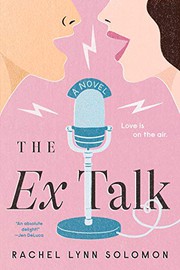
The Ex Talk
Two rival public radio producers pretend to be exes for a dating show, then fall for each other while the lie grows.
2,389-word summary · 11 min read
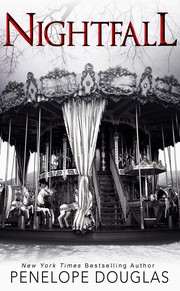
Nightfall
Emory Scott wakes in Blackchurch, a remote house for the sons of the powerful, where the boy she once loved is imprisoned and the story she told about him…
2,339-word summary · 10 min read
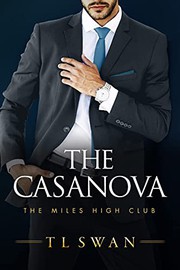
The Casanova
Kate Landon's boss is also the pen pal she falls for online, hiding behind fake names, until family secrets and a trip to Paris get in the way.
2,274-word summary · 10 min read
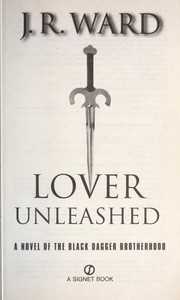
Lover Unleashed
Paralyzed vampire warrior Payne and surgeon Manny Manello collide in an adult paranormal romance, as Xcor's Band of Bastards arrives in Caldwell for revenge.
2,374-word summary · 11 min read
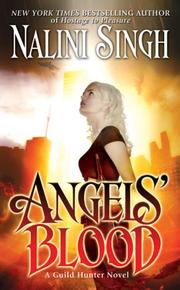
Angels' Blood
Nalini Singh's 2009 Guild Hunter opener sends vampire hunter Elena Deveraux after a murderous archangel in New York, while its most powerful ruler watches.
2,367-word summary · 11 min read
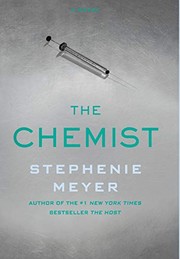
The Chemist
A former government interrogator on the run takes one last job, then learns the case she was handed was built to pit her against him.
2,249-word summary · 10 min read
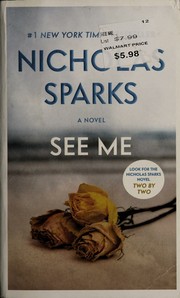
See Me
A law student with a violent past falls for a prosecutor whose old case returns as a stalker, in a romance with a thriller at its center.
2,007-word summary · 9 min read

Say You're Sorry
A widowed prosecutor defends the teenager accused of killing her babysitter, uncovering a small town's secrets and a killer hiding in plain sight.
2,116-word summary · 9 min read
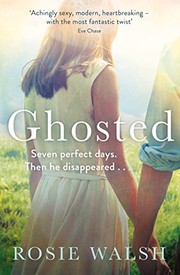
Ghosted
After seven perfect days with Eddie, Sarah is ghosted, and her search for answers uncovers a secret tied to the accident that changed both their lives.
2,011-word summary · 9 min read
Savage Bonds
Oli's deadly gift is out in the open, her Bond runs the show, and the Resistance is closer than ever in the second Bonds that Tie novel.
2,431-word summary · 11 min read
Wretched
The Wicked Witch of the West becomes a heroin chemist, and the DEA agent sent to destroy her family falls for the very woman he was assigned to ruin.
2,117-word summary · 9 min read

The Sinner
Sin, a Lord at Barrington, rigs his secret society's rules to claim Elli, the girl he has protected since killing her abuser, while the conspiracy around her…
2,059-word summary · 9 min read
Pestilence
Firefighter Sara Burns shoots the Horseman Pestilence and discovers he cannot die. Taken captive, she rides with him as his plague sweeps the world.
2,508-word summary · 11 min read
Pen Pal
A grieving widow receives letters from a man in prison who signs himself Dante, and the haunting in her house turns out to be the story of her own death.
2,066-word summary · 9 min read
These Hollow Vows
Brie trades with the Unseelie to save her sister and steals for a prince.
2,384-word summary · 11 min read

The Winner's Curse
An aristocratic girl buys a slave who is secretly a prince plotting rebellion.
2,124-word summary · 9 min read
The Traitor Queen
Exiled Lara returns to free Aren and break her father hold.
2,328-word summary · 10 min read
The Finish Line
Tobias King seeks forgiveness from Cecelia as the Ravenhood past closes in.
2,868-word summary · 13 min read

Broken Prince
Reed loses Ella and ruins his name while rivals circle him.
2,356-word summary · 10 min read
Broken Bonds
Oleander returns after five years on the run to face the five men she is bonded to, in J. Bree's 2021 opener of resentment, training, and slow trust.
2,582-word summary · 11 min read