

Den of Vipers
4,247-word summary 19 min read 464 pages in the book
- First published
- 2020
- Publisher
- Podium Publishing
- Pages
- 464
- ISBN
- 9781039498365
Reading options
What's inside (8 sections)
I picked up Den of Vipers because I kept hearing it described as the most over the top reverse harem on the dark romance shelf, the one people either finish in two days or put down fast. I wanted to see which reader I would be. A quick note before I get into it, since this book needs one. This is adult dark romance with rough matter throughout, including coercion, violence, death, and explicit group scenes. I keep all of that general here and off the page. If those themes are hard for you, skip this one without guilt. There are plenty of gentler mafia books on this site.
The edition facts, so we are working from the same page. The book first appeared as an indie release in 2020, and the Podium Publishing edition I cite runs 464 pages. It is a standalone, no series to catch up on, which I liked going in. One book, one long stay with one woman and the four men who run the Vipers. That is the whole setup, and the book never pretends to be anything smaller than it is.
The short shape of the story is simple. Roxy ends up handed over to the Vipers over a debt tied to her father, and she goes to live under their roof and under their rules. The four Vipers run a club and a criminal business in their city, and they share power, money, women, and grudges. Roxy refuses to cower, which interests them and irritates them in equal measure. Over months of tests, fights, parties, and threats from outside, hate thins into attachment on all sides, and she stays with all four by choice at the end. That is the why choose promise, kept fully.
What surprised me was how much I liked Roxy as a narrator even when the world around her repelled me. She is foul mouthed, funny in a bleak way, and stubborn past the point of sense. She walks into a house full of dangerous men and starts learning the floor plan instead of hiding in her room. I finished the book tired, annoyed at parts, entertained at others, and fairly sure I will remember her voice longer than the plot.
The debt that hands Roxy over
Roxy's life before the Vipers is rough and small. She drinks too much. She fights with her father. She works odd jobs and sleeps badly. Her father owes money and favors to bad people, and he has the kind of charm that creates messes other people have to clean up. Roxy loves him in the tired way kids love a parent who keeps failing them, with one eye always open. When his debt to the Vipers comes due and he cannot pay, he offers her as payment, or agrees to an arrangement that amounts to that. I keep the mechanics general because the book cares less about paperwork than about the shock of it. One day she is free and broke. The next she belongs, on paper, to four men she has only heard about in warnings.
The handover scene sets the tone for everything after. Roxy does not beg. She swears at her father, swears at the men, and walks into their car with her head up because she will not give any of them the sight of her crying. The Vipers do not comfort her. They lay out terms. She lives in their house. She follows their rules. She does not run. If she behaves, she eats well and stays safe from everyone except them. If she does not, she learns what happens to people who waste their time. It is ugly and blunt, and the book wants you to feel the ugliness rather than smooth it over.
I found this opening hard to sit with, and I think that is the point. There is no softening of the deal. Roxy is traded over a man's debt, and the men who take her feel entitled to her time, her body, and her obedience. The book frames this as dark fantasy rather than real world advice, and readers need to hold that frame hard. Nothing here models healthy consent. Roxy says no plenty, and the men ignore plenty. If you need clear consent on the page, stop here. The story never becomes that kind of book.
What kept me reading past the discomfort was Roxy's inner voice. She is not a passive girl waiting to be saved. She catalogs exits. She tests locks. She pockets a knife from the kitchen on her first night. She decides fast that if she has to live with vipers, she will learn which ones bite first and which ones warn before they strike. Her humor is crude and constant, aimed mostly at herself, and it gave me something to hold onto while the situation stayed grim.
Her father's shadow hangs over the first third. Roxy keeps expecting him to come back with money or a plan, then keeps realizing he will not. That slow letdown is one of the better written threads. She stops checking her phone for his name. She stops making excuses for him to herself. By the time she admits he sold her out and stayed out, it lands with a dull thud rather than a scream, which felt honest. Some betrayals arrive loud. This one arrives like a bill you knew was coming.
The house she lands in
The Vipers live together in a big guarded house that functions as home, office, and cage. Private rooms. Shared living space. A kitchen Roxy slowly claims as hers because cooking is one of the few normal things she can still do. Guards at the gates. Cars coming and going at odd hours. The book spends a lot of time just moving Roxy through these rooms, learning where she is allowed and where she gets stopped by a hand on her arm. I liked this slow mapping. It made the house feel real, and it showed her brain working even when her mouth was getting her in trouble.
The rules come fast. Do not leave without permission. Do not touch their business. Do not lie to them. Do not enter certain rooms. Roxy breaks most of these within days, not because she is foolish but because she cannot stand being managed. She sneaks into the kitchen at night. She listens at doors. She walks out to the pool alone to smoke and think. Each small break earns her a confrontation, and each confrontation teaches her something about who she is dealing with. One Viper yells. One goes quiet. One smiles in a way she learns to fear more than shouting.
Daily life in the house has a strange rhythm. Mornings are quiet, with men on phones and laptops, coffee going cold while deals get argued over. Afternoons bring deliveries, visitors, low talk in offices with doors shut. Nights bring the club or the living room, music, drinks, cards, Roxy perched on the edge trying to look bored while she memorizes everything. Food scenes do a lot of quiet work. Who cooks. Who eats with her. Who leaves cash for groceries without a word. In a house with so much posturing, sharing a meal starts to mean something before anyone admits it.
Roxy's bedroom becomes her only private ground, and the book respects that small space. She locks the door when she can. She reads. She showers long. She cries exactly once early on, fast, with the water running, then shuts it off like a tap. I liked that restraint. The story could have wrung her grief for chapters. Instead it shows her packing it away to stay functional, which tells you plenty about how she survived her father and her old life. She knows how to keep going on little sleep and less hope.
The isolation wears on her, though, and the book is honest about that. She misses her old friends, such as they were. She misses walking to a shop without a guard watching the door. She hates asking for tampons and toothpaste from men who own her on paper. Little humiliations pile up. She pushes back where she can, by cooking too spicy on purpose, by playing loud music, by refusing to dress up for their parties. These rebellions are small and a bit childish, and I mean that kindly. When you have no power, small refusals keep you upright.
One early night captures the whole house dynamic. Roxy comes downstairs hungry past midnight and finds two of the Vipers in the kitchen, tired and human in sweatpants, arguing about a delivery while eating cereal straight from the box. For a minute they are just young men, not bosses. Then she drops a bowl, they go still in the same instant, hands moving toward weapons that are not there, and the room turns cold. She apologizes. They stare. Then one of them slides the cereal box toward her without a word. Kindness and threat in the same gesture. That is the house in miniature.
Four Vipers, one set of rules
The four men who run the Vipers work as a unit, and the book asks you to learn them as types rather than as fully separate histories. There is the leader, the oldest in manner if not always in years, who makes final calls and carries the weight of the business. There is the fighter, quick to anger and quick to bleed, who tests Roxy hardest because softness scares him. There is the smooth one, charming in public and sharp in private, who handles the club crowd and the pretty lies. And there is the youngest in spirit, playful and crude, who befriends Roxy first through jokes and stolen snacks. I keep them general like this on purpose, because the book builds them through scenes together more than through backstory alone.
What binds them is history. They grew up toward this life together, or found each other young and never split. They have rules between them about sharing money, women, and punishment. No one man claims what all four have not agreed on. No one man forgives a debt the others still hold. That pact is why Roxy faces four instead of one. She cannot win one over and hide behind him. Any softness has to pass all four, and early on none of them wants to be the first to show it.
The leader watches Roxy the longest without touching her. He asks about her old job. He notices she reads labels in the pantry like she once counted coins. He leaves books or better shampoo without saying it was him. His care looks like logistics, which made sense to me for a man who runs a business built on supply. He does not say sleep well. He makes sure the hall light stays on. When he finally speaks to her plainly about her father, it is short and without comfort. Your father is not coming. Make your plans from there. Cruel and useful at once.
The fighter clashes with her from day one. He baits her at meals. He blocks doorways to make her ask to pass. He mocks her clothes, her swearing, her cooking. Under it sits a clear fear. He has seen women used as collateral before, and he hates that Roxy is now collateral living in his kitchen. Every time she stands up to him, he respects her a fraction more and likes that fact a fraction less. Their fights peak early in shouting matches that end with doors slammed and plates broken, then settle over time into sparring that both of them half enjoy.
The smooth one is the most dangerous to Roxy's resolve because he is easy. He dances with her in the kitchen. He teaches her card games. He compliments her cooking and means it. In public at the club he keeps a hand near her back and scares off drunks with a smile. In private he pries gently, asking about her mother, her school years, the jobs she worked. Roxy knows he reports back to the others, and she tells him things anyway, because being listened to feels rare. I winced at those scenes even as I understood them.
The youngest wins her first real laugh. He steals her fries. He shows her the best shower with actual water pressure. He lends her his console and loses loudly when they play. He is still a Viper, still capable of cold acts when business calls, and the book does not let you forget it. But around Roxy he drops the act first, and that small softness gives the other three cover to follow. By the middle of the book she has separate small routines with each man, and the house starts to feel less like a jail and more like a badly run family home.
I should be plain about the sexual politics, kept general as promised. The book moves toward a shared arrangement where Roxy is with all four, and scenes get explicit, sometimes with more than one of them. The power gap never closes fully. She is the debtor living under their roof. They set terms. Even when she asks for contact, the setting shapes the ask. The story treats her yes as real within its fantasy, and her pleasure as genuine, but readers should know the frame stays uneven throughout. The book does not interrogate that gap much. It enjoys it.
Club nights and tests
The club the Vipers run is their public face and Roxy's testing ground. By day it is deliveries and staff rotas and plumbing problems. By night it is lights, bass, lines at the door, money moving fast. Roxy starts going along some nights, first because they will not leave her alone unwatched, then because she asks to help. She collects glasses. She learns the till. She watches how each Viper works a room. The leader holds court in the back. The fighter walks the floor and ends problems early. The smooth one charms big spenders. The youngest runs the bar crowd and pockets gossip.
These chapters are long, and they repeat, but they serve a purpose. Roxy proves she can be useful. She spots a short till before staff can cover it. She calms a drunk bride before security has to lift her. She remembers faces and warns the men when someone banned tries a side door. Each small win buys her a little room back. A later curfew. A phone with limits. Permission to cook for a staff meal. Freedom in this house is measured in inches, and Roxy collects every inch.
Tests keep coming, some fair and some cruel. They leave cash out to see if she takes it. They ask her opinion about a staff fight to see if she lies to please them. They bring her father up in conversation to watch her face. One hard night they let her think she can leave with an old friend, then stop the car at the gate to remind her what the debt still says. Roxy rages after that one, throws things, refuses food for a day. I did not blame her. The lesson was clear without the theater. The theater was for them, not her.
Outside threats sharpen through the club too. Rival crews want the Vipers corner cut down. A supplier plays both sides. A man Roxy knew from her old life shows up drunk and grabs her arm, and the response from the Vipers is instant and frightening. That scene matters because it flips something in Roxy. For the first time these dangerous men use their menace for her instead of at her, and the relief she feels scares her more than the fight did. Being protected by vipers still means sleeping near fangs.
I liked the staff characters around these nights, small as their parts are. A tired bartender who teaches Roxy how to cut limes fast. An older doorman who calls her kid and slips her mints. A coat girl who warns her which VIPs to avoid. These normal workers ground the fantasy. They show Roxy as a coworker rather than a prize, and they give her people to be kind to when kindness to the Vipers feels too loaded. Her staff meal, cooked late after close with cheap ingredients and a lot of pepper, is one of my favorite chapters. No sex, no threats, just tired people eating together.
The middle sags here, no question. There are too many club nights that play the same way. Arrive, dress to provoke, work the floor, spot trouble, get pulled close by one Viper in front of watchers, fight about it after. I started skimming entrances and drink orders because I knew the shape. At 464 pages, this book has room to breathe, and sometimes it breathes the same air twice. A firmer cut that merged three club tests into one strong night would have kept the tension higher.
Still, one club scene earns its length. A rival sends men to cause a scene during a packed event, glasses break, music cuts, lights come up harsh. Roxy keeps her head, gets staff and a few scared girls into the back, and holds the door with the doorman until the Vipers reach them. She gets hurt a little, nothing grave, a cut hand and a bruised shoulder. After, in the office with the door locked, all four fuss over her in their clumsy ways, and she cries from the rush coming down. It is the first time she lets them see her shake. It is also the first time I believed they saw her as more than a debt.
When hate thins into something else
Feelings shift in the second half, slowly enough that I bought most of it. Roxy stops planning escape every hour and starts planning how to stay on better terms. She learns which Viper needs quiet after a bad night and which needs noise. She cooks for the fighter after he comes home bloody, without asking what happened. She sits with the leader over ledgers and helps him spot a skim because she once lived close to scams. She lets the smooth one hold her hand in the car when rivals follow them home. She beats the youngest at cards and takes his dessert as tax. Piece by piece, a shared life forms.
The book handles her consent within its fantasy by giving her more say as trust grows. She starts to set terms. Knock before entering. Do not follow me into the kitchen when I am cooking to think. If we do this, I pick when. The men mostly honor those lines once she draws them clearly, which tells you they were always able to do so. That sideways truth bothered me even as I liked the warmer chapters. Care that arrives only after it is demanded still counts, but it counts differently.
Physical closeness grows in step with that trust, and again I keep it general. Early contact is claimed more than shared, and the book does not hide the coercion in those pages. Later contact is sought by Roxy too, sometimes tenderly, sometimes with the same crude humor she brings to everything. The why choose shape settles in here. She does not pick one Viper over the rest. She wants different things from each, steadiness from one, fire from another, ease from a third, play from the fourth, and she stops apologizing for wanting all of it. Readers who came for that promise will find it kept at length.
Jealousy still flares, inside and outside the house. An ex of one Viper tries to humiliate Roxy at the club. A drunk patron tells Roxy she is just the current girl. One Viper pulls away for a stretch, scared by how much he looks forward to her laugh in the mornings, and Roxy pursues him with angry persistence until he admits it. These loops can feel young for such hardened people. Grown criminals who run a city corner should talk better than this. But the loops also fit the fantasy. Big scary men undone by one stubborn woman is the engine of the genre.
Her father returns in the middle of this thaw and ruins the air. He shows up cleaner, sober for a day, with a story about money almost raised and a plan almost finished. Roxy wants to believe him so badly that she hates herself for it. The Vipers want him gone. The meeting goes badly, with old lies surfacing and new ones forming on the spot. Roxy ends it by telling him not to come back unless he can pay in full and stay gone after. It is a strong scene, played quietly in a kitchen rather than loudly at a gate. I respected that choice. The loudest break would have been easier to write.
After that, Roxy stops calling the house theirs and starts, in small slips, calling it ours. She buys cheap curtains for her room. She plants herbs on a sill. She learns the alarm code because the leader finally gives it to her instead of walking her through the door himself. These domestic beats did more for me than the love scenes. A woman making a home inside a cage is a sad and hopeful image, and the book lets it sit without explaining it to death.
Blood, choices, and what I thought after
The last quarter turns violent the way these books must. Rivals who have circled the club and the house stop circling. There is a kidnapping scare, a beating, a night where phones do not stop ringing and Roxy is locked in a safe room with a guard and a shaking hand. I will leave the order of blows vague. What matters is how everyone behaves under fire. Roxy follows instructions for once, stays down, keeps quiet, then breaks cover exactly once to help someone bleeding. The Vipers arrive fast and leave damage. No one walks away clean.
The crisis forces plain talk. The leader admits the debt paper was always partly about wanting her, about more than money, which is an ugly admission dressed as honesty. The fighter admits he tested her hardest because he was afraid to care about someone who could be taken. The smooth one admits he reported her soft moments back to the others and hated himself while doing it. The youngest admits he joked through fear most nights. Roxy listens, asks a few short questions, and tells them what she needs going forward. No more tests. No more gates as theater. If she stays, she stays as theirs in truth, with say and with keys, or she walks and they deal with her father another way.
I liked that she frames it as a choice even though the book never fully earns free choice. Given the house, the debt, the danger outside, walking was never simple. Still, within the story, her terms land as power. The Vipers agree fast, which tells you how far they have moved. They burn or tear the old paper, depending on how you read the scene, and they give her keys, codes, and a share of club tips in her own envelope. Symbols matter in closed worlds. These symbols say she belongs rather than is owned, at least as much as this genre allows.
The ending gives the fantasy its full reward. Roxy stays. She works the club by choice. She sleeps where she likes. She claims each man openly and refuses to rank them. There is a loud family style meal with staff, too much food, crude toasts, the youngest stealing bites off every plate. There is a quiet night after where she moves between rooms without asking permission, and no one stops her. The outside threat is handled with final violence that I will not detail, plus a truce that feels shaky in a believable way. No Epilogue wedding, no neat bow, just a house that finally feels chosen.
Now my honest tally, because this book needs a clear eyed close. Roxy's voice carries it. She is funny, profane, tender in flashes, and tougher than the men who bought her debt. The house, the club, the slow shift from rules to routines, all of that works. The length does not. At 464 pages the story repeats tests and parties past the point of tension, and the middle could lose a hundred pages without losing a beat that matters. The taboo setup will repel many readers, rightly, and the book does little to answer that beyond offering heat and loyalty after. The crime plot is thin, mostly rivals circling and one supplier playing games, with little strategy to chew on.
Who should try it. Readers who know the why choose shelf and want the fullest version, four men, one woman, no choosing, with rough edges left on. Readers who like a heroine who swears, cooks, fights, and refuses to shrink. Skip it if you need equal footing from page one, if coercion themes harm you, if group scenes are not your taste, if very long books test you. I finished worn out, fond of Roxy, wary of her men, and glad I read it so I can point the right readers toward it and steer the rest away with a clear head.
FAQ
Is Den of Vipers part of a series?
No. It is a standalone first published in 2020, with the cited Podium Publishing edition running 464 pages.
What is the central relationship in Den of Vipers?
Roxy lives with the four men who run the Vipers and, in the why choose ending, stays with all four.
Is Den of Vipers appropriate for sensitive readers?
No. It contains coercion, violence, and explicit group scenes, so readers should check content warnings first.
Similar books

The Darkest Temptation
Sheltered Mila flies to Moscow and falls for captor Ronan, a Russian enforcer seeking revenge.
2,023-word summary · 9 min read

The Maddest Obsession
Sharp-tongued Gianna spars with secretive Christian Allister in this 2019 Made #2 mafia romance, where teasing hides danger and lies.
3,903-word summary · 17 min read
Nightfall
Emory Scott wakes in Blackchurch, a remote house for the sons of the powerful, where the boy she once loved is imprisoned and the story she told about him…
2,339-word summary · 10 min read

There Are No Saints
Two rival artists circle a struggling San Francisco painter. Cole Blackwell wants her, Alastor Shaw wants her dead. Book one of the Sinners duet.
2,190-word summary · 10 min read

The Predator
Coder Morana Vitalio and mob enforcer Tristan Caine chase stolen software while a case of missing girls from twenty years back catches up with them both.
2,296-word summary · 10 min read

The Sinner
Sin, a Lord at Barrington, rigs his secret society's rules to claim Elli, the girl he has protected since killing her abuser, while the conspiracy around her…
2,059-word summary · 9 min read
Pen Pal
A grieving widow receives letters from a man in prison who signs himself Dante, and the haunting in her house turns out to be the story of her own death.
2,066-word summary · 9 min read

The Kiss Thief
Promised to one man, taken by another, Francesca must choose in Chicago.
2,545-word summary · 11 min read
The Finish Line
Tobias King seeks forgiveness from Cecelia as the Ravenhood past closes in.
2,868-word summary · 13 min read
Bound by Honor
An arranged mafia marriage between a Chicago girl and a New York heir turns to love.
2,586-word summary · 11 min read

Kill Switch
Out of prison, Damon moves into Winter's house with keys and a plan, and old lies about that night crack open.
2,732-word summary · 12 min read
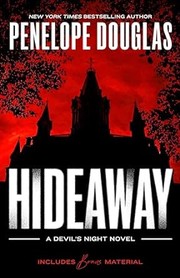
Hideaway
Ex-con Kai hunts a hotel secret while Banks hides who she really is.
2,481-word summary · 11 min read

Brutal Prince
Aida's small fire forces a marriage to Callum Griffin to stop a Chicago mob war neither wants.
2,042-word summary · 9 min read

The Sweetest Oblivion
Sheltered Elena Abelli catches the eye of feared made man Nicolas Russo after her sister flees an arranged match.
3,342-word summary · 15 min read

Corrupt
College student Rika Fane faces Michael Crist and his friends three years after Devil's Night put them in prison.
2,870-word summary · 13 min read

Too Late
Sloan is trapped with drug lord Asa until undercover Luke offers a way out.
2,958-word summary · 13 min read

Six Scorched Roses
A dying scholar bargains with a reclusive vampire for blood, and six roses turn a transaction into a slow, dangerous romance.
2,663-word summary · 12 min read

Her Soul to Take
A paranormal vlogger in a cult-run town summons a bound demon, and the only way to survive the god beneath the mine is to give him her soul.
2,089-word summary · 9 min read

My Dark Romeo
A debutante ball kiss traps Dallas Townsend in a marriage to Romeo Costa, a man who wants her as leverage in a war against his father and her fiance.
2,530-word summary · 11 min read

Deviant King
A scholarship student at an elite boarding school is targeted by the king of the Four Horsemen, who seems to know her forgotten past.
2,384-word summary · 11 min read

The Chemist
A former government interrogator on the run takes one last job, then learns the case she was handed was built to pit her against him.
2,249-word summary · 10 min read

Indigo Ridge
A new police chief in a Montana town meets the founding family's eldest son in a bar, and one night later a body turns up under their cliff.
2,763-word summary · 12 min read

See Me
A law student with a violent past falls for a prosecutor whose old case returns as a stalker, in a romance with a thriller at its center.
2,007-word summary · 9 min read

Say You're Sorry
A widowed prosecutor defends the teenager accused of killing her babysitter, uncovering a small town's secrets and a killer hiding in plain sight.
2,116-word summary · 9 min read
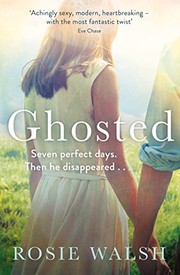
Ghosted
After seven perfect days with Eddie, Sarah is ghosted, and her search for answers uncovers a secret tied to the accident that changed both their lives.
2,011-word summary · 9 min read

Savage Bonds
Oli's deadly gift is out in the open, her Bond runs the show, and the Resistance is closer than ever in the second Bonds that Tie novel.
2,431-word summary · 11 min read
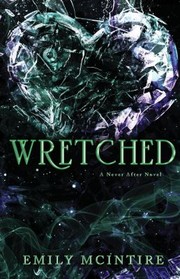
Wretched
The Wicked Witch of the West becomes a heroin chemist, and the DEA agent sent to destroy her family falls for the very woman he was assigned to ruin.
2,117-word summary · 9 min read
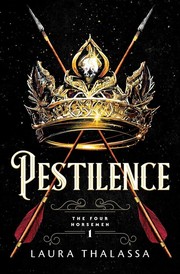
Pestilence
Firefighter Sara Burns shoots the Horseman Pestilence and discovers he cannot die. Taken captive, she rides with him as his plague sweeps the world.
2,508-word summary · 11 min read

The Dark One
Winnie trades with Hook while Peter Pan turns cruel in Neverland.
2,596-word summary · 12 min read
Never Never
Charlie and Silas wake with no memory of each other, and the notes their past selves left raise darker questions in part one of the Hoover and Fisher series.
2,516-word summary · 11 min read