
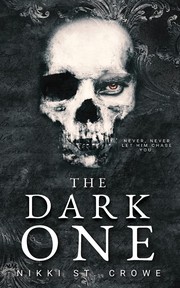
The Dark One
2,596-word summary 12 min read 230 pages in the book
- First published
- 2022
- Publisher
- Blackwell House LLC
- Pages
- 230
- ISBN
- 9798985421231
- Series
- Vicious Lost Boys (#2)
Reading options
What's inside (8 sections)
I picked up The Dark One because the first Vicious Lost Boys book left Winnie in a bad spot and I wanted to know if Peter Pan would fix it or make it worse. I like fairytale retellings when they commit to a new shape, and this series does. Neverland is not a nursery game here. It is a cold island with deals, blood, and boys who stopped being boys a long time ago. I read it in two sittings, mostly late at night, which fit the mood.
This is book two, so it starts heavy. Winnie Darling is already tangled with Peter Pan and his Lost Boys. Vane, Kas, and Bash have each marked her in their own way. Peter calls himself the Never King and acts like it. He is jealous, hot and cold, tender in one scene and cruel in the next. If you have not read The Never King, you will feel lost for the first chapters. The book assumes you know how Winnie came to the island, why the fae want her, and why Hook wants Peter gone. Start with book one. This one does not slow down to reteach it.
The tone is darker than book one. More fights. More bargains. More explicit scenes. The plot moves toward open war between Peter's camp and the forces gathering around Captain Hook and the fae queen. Winnie sits in the middle because both sides think she can tip the balance. She spends much of the book trying to buy room to breathe, and every deal costs her.
Where Winnie stands
Winnie opens the book worn down. Life on Neverland has changed her. She came looking for escape and for answers about her family, and she stayed because the Lost Boys got under her skin. Now she sees the price. Peter keeps secrets about what he is, what his shadow means, and what the island needs from him to stay whole. The Lost Boys follow him, but they also watch Winnie with hunger and care that Peter notices and hates.
St. Crowe writes Winnie as stubborn rather than helpless. She argues. She sneaks out. She asks rude questions. When Peter shuts her out after a fight or a scare, she does not sit in the hut and wait. She goes to Kas for blunt honesty, to Vane for sharp edges, to Bash for warmth that feels safer. Those bonds were built in book one, and they carry weight here. The boys share food with her, teach her paths through the forest, warn her away from water and clearings where the island listens. Found family is the soft center of the book, and it works because the boys show care in small acts while saying harsh things out loud.
Peter is the problem she cannot solve. He wants her close and obedient. He says she is his. He punishes distance with cold silence or sudden force. Then he turns and holds her like she might vanish. The book frames this as part of his nature as the Never King. He is tied to the island. He is missing part of himself. He believes softness will get them all killed. Winnie feels the pull because the tender moments feel true, but she also starts to name the pattern. Love should not require flinching. That slow naming is the strongest character work in the book.
A fair note early on. If possessive heroes bother you, Peter will bother you a lot here. The book does not excuse him so much as explain him through island magic and old wounds. Some readers will find that enough. Others will not. I landed in the middle. I understood why Winnie stays, because the alternative is Hook or the forest alone, but I kept wishing she had more outside help.
Peter turns cruel
The middle of the book pushes Peter from moody to menacing. He is trying to get his shadow back and secure his throne, and he treats everyone as a tool for that goal. He withholds information about the fae queen. He picks fights with Vane and Kas when they side with Winnie. He uses intimacy as reward and withdrawal as punishment. One night he is careful with Winnie, learning what she likes, saying she belongs with him. The next day he locks her out of plans and tells the boys not to answer her questions.
The shadow plot matters because it explains some of the cruelty without forgiving it. In this version, Peter's shadow is not a cute lost piece of cloth. It holds memory and power. Without it, he is less stable and less able to hold Neverland against rivals. He feels the island slipping. Trees go wrong. Paths move. Shadows in the forest watch longer. Peter responds by gripping tighter. More rules. More tests of loyalty. More anger when Winnie asks why.
Kas gives Winnie the clearest read on Peter. He tells her Peter has always been this way when threatened, charming when winning and brutal when cornered. Vane is less patient and more physical, ready to fight Peter if it protects Winnie, which only feeds Peter's jealousy. Bash tries to keep peace and often fails. The hut scenes crackle because four men who love violence are trying to share one girl and one leader. St. Crowe lets conversations turn fast from teasing to threats. That speed feels true to boys raised without rules.
Winnie tries to reach Peter by offering trust, then by refusing him, then by demanding terms. None of it holds long. He breaks promises when fear spikes. A scene near the midpoint where he drags her back from an edge of the island and then blames her for running captures the loop. He scares her. He soothes her. She forgives because she sees the scared boy under the king act. He scares her again. Readers who have seen this loop in real life may find it hard to read. The book does not present it as healthy. It presents it as the trap Winnie must find a way out of, with or without Peter.
The bargain with Hook
Hook enters as the other option, and St. Crowe writes him as polite danger. James Hook, captain, enemy of Peter, collector of debts, knows Neverland in a different way. He has ships and men and contacts among the fae. He speaks softly to Winnie when Peter shouts. He offers answers about her blood, her mother, and why the island wants her. The price is time and access. Walk with him. Eat with him. Let him touch her hand in sight of spies. Tell him what Peter plans.
Winnie does not trust Hook. She says so on the page, more than once. But Peter has cut her off, the fae queen is moving, and Hook is the only person offering maps instead of orders. So she trades. A meeting for a truth. A dance for a warning. A kiss she can stop for passage through waters Peter cannot guard. Each trade is written as a choice rather than a trick, which I respected. Winnie knows Hook will use anything she gives him. She decides some risks are worth it to stop feeling blind.
Hook keeps his side of the surface bargain while playing a longer game. He feeds Winnie real information about the fae court and about Peter's missing shadow. He warns her that war is coming and that neutrals get crushed. He also probes her ties to each Lost Boy, learning where jealousy runs hottest. His crew watches and reports. His interest in Winnie feels part desire and part strategy. He wants her because Peter wants her, and because her blood may open doors on the island that stay shut to others.
The best Hook chapters happen off Peter's land. On the beach. On the ship. In clearings where island magic runs thin. Hook tells stories about Peter's past cruelties that the Lost Boys will not tell. Some sound like slant truth meant to wound. Some sound true enough to chill. Winnie listens, pockets what helps, and refuses what feels like bait. The tension works because Hook never pretends to be safe. He says he will take Neverland and take her with it if she lets him. That honesty lands harder than Peter's vows after Peter has lied by omission for half the book.
I should flag the consent question readers ask about. Scenes with Hook are explicit and negotiated on the page. Winnie says yes or no and Hook, unlike Peter in his worst moments, stops when told to stop in these chapters. That contrast seems deliberate. Hook the villain respects a stated line while Peter the supposed love interest crosses emotional lines. It does not make Hook good. He still plans to use Winnie against Peter. But it makes Winnie's pull toward Hook understandable. Someone finally asks instead of taking.
The island chooses sides
While Winnie shuttles between camps, Neverland itself turns meaner. The forest thickens. The lagoon sirens sing longer. Pixie dust runs short or burns wrong. The fae queen, cold and patient, moves pieces through servants and whispers. She wants Peter weakened and Hook useful, or Hook weakened and Peter desperate. Either path leaves her stronger. Winnie learns that being wanted by the court is not flattery. It means being spent.
The Lost Boys split under pressure. Vane wants to fight Hook head on and damn the cost. Kas wants to pull Winnie out of the center and hide her until the shadow business settles. Bash wants to hold the group together and hates every plan that risks Winnie. Peter overrules them all and then blames them when plans fail. Fights that used to end with laughter now end with blood and slammed doors. The book does a good job showing how a small group rots when the leader stops listening.
Winnie trains in her own way. She learns paths, tides, and safe hours. She practices with a blade because no one else will always be there. She learns which fae lies sound sweetest. She studies Hook's maps and Peter's moods with the same care. St. Crowe gives her wins that feel earned. She talks her way past a fae checkpoint. She finds a back way onto Hook's ship. She gets Vane to tell her what Peter hid about the last battle. None of these wins fix the war, but they keep her from being luggage.
The fae court scenes are short and sharp. The queen does not monologue. She offers Winnie a place, a title, safety for her family off island, all for a small service that is clearly not small. Winnie refuses, or delays, which is the same thing in court eyes. That refusal paints a target on her. Attacks increase. A night ambush in the trees leaves blood on Winnie's clothes and fear in the hut. Peter uses the attack to justify locking Winnie down harder. Hook uses it to argue Peter cannot protect her. Both men are right about the danger and wrong about the answer, which is why Winnie starts planning for herself.
Magic has costs here, and the book keeps them physical. Using fae bargains leaves marks. Calling island power brings nosebleeds, cold shakes, lost hours. Peter pays most, which explains his swings. Winnie pays some, which scares the boys. Hook pays in coin and crew, which makes him careful. I liked that magic never feels free. Every shortcut tightens the knot.
Heat, fights, and a cliffhanger
Readers come to this series for heat, and book two delivers more than book one. Scenes with Peter are rough and possessive, built around marking and claiming. Scenes with Vane and Kas carry different charges, anger and ache, and St. Crowe gives each Lost Boy a distinct style. Scenes with Hook are slower, verbal, full of near touches and traded promises. The book spreads these moments through the plot rather than pausing the plot for them, which kept me reading. A fight leads to a kiss. A bargain leads to a bed. A rescue leads to an argument that ends with clothes off.
That said, the balance tips. Around the last third, the plot starts sprinting while the romance still demands pages. An attack, a capture, a rescue, a betrayal, and a ritual pile up fast. Some turns rely on Winnie running alone into obvious danger to force a rescue. Some rely on Peter arriving exactly on time. I forgave most of it because the pace fit war breaking out, but two reveals felt rushed. A traitor among minor helpers gets little setup. A fae weapon appears with thin explanation. Readers who want tight fantasy logic may frown. Readers here for feeling will likely forgive.
The ending lands hard and stops short. Without spoiling the exact beat, Winnie makes a choice meant to save the boys that puts her in Hook's power and in the queen's sight at once. Peter's attempt to reclaim his shadow peaks during a battle that costs blood on both sides. Someone Winnie trusts is hurt. Someone she hates gains ground. The final pages leave her fate open and the throne undecided. The book states plainly that the story continues in Their Vicious Darling. If cliffhangers anger you, wait until you have book three ready. I closed the file annoyed in the best way, already reaching for the next one.
What lands and what does not
The strengths are voice and momentum. St. Crowe writes short chapters, plain speech, and sharp ends that push you forward. Winnie's first person narration stays consistent. She is funny when scared, blunt about want, clear about fear. The island feels wet and green and rotten in the right places. Hook steals every scene he enters. The found family beats with Bash and Kas give softness without slowing the war plot.
The weaknesses center on Peter and repetition. Peter cycles through the same fight with Winnie several times. Accuse, freeze out, grab back, apologize with touch, repeat. The loop serves the theme of control, but four rounds felt like two too many. The Lost Boys also blur in action scenes. Vane, Kas, and Bash have distinct voices in quiet chapters and similar growls in battle. A scorecard would help new readers.
Content warnings matter for this one more than book one. Power gaps. Dubious decisions under magic influence. Violence against Winnie and by her. Explicit group dynamics and jealousy used as fuel. St. Crowe lists warnings on her site, and the book assumes an adult reader who wants dark romance rather than cozy fantasy. Do not hand this to a young teen who loved Disney Peter Pan. This Pan would scare that reader, which is the point but also the risk.
Still, as the middle of a trilogy, The Dark One does its job. It deepens Winnie, darkens Peter, sharpens Hook, and moves Neverland from skirmishes to war. It made me care more about Kas and Bash than I expected and less sure about Peter than I wanted. I finished wanting Winnie to stop choosing between kings and start choosing herself, with the boys beside her rather than above her. If book three pays that off, this hard middle will feel worth it.
For now, read it if you want a fast, spicy Peter Pan retelling where no hero stays clean. Skip it if you need steady consent, slow courtship, or a closed ending. Keep book three close. You will want it within reach when the last page cuts out.
FAQ
Do I need to read The Never King before The Dark One?
Yes. The Dark One is book two in Vicious Lost Boys and ends on a cliffhanger. Start with The Never King, then read this one, then continue with Their Vicious Darling.
Is The Dark One spicy or dark?
Yes, it is dark romance with explicit scenes, rough power play, and violent fights for control of Neverland. Check the author website content warnings if you prefer milder romance.
Who published The Dark One and how long is it?
Blackwell House LLC published the 2022 edition, listed at 230 pages. The ISBN 9798985421231 identifies that edition.
Similar books
More from Vicious Lost Boys first, then related titles.
Gleam
Captive Auren finds power in gold touch while Slade hunts her across kingdoms in Plated Prisoner book three.
2,073-word summary · 9 min read
Glint
A gold-skinned captive of Midas falls to Fourth Kingdom troops and learns to fight with the ribbons she hid.
2,969-word summary · 13 min read
Gild
A gold-skinned woman kept as Midas favored learns her cage is a bargain, then war drags her onto the road.
2,755-word summary · 12 min read
Neon Gods
Promised to Zeus, Persephone flees to Hades and trades fake dating for real choice in Olympus.
2,002-word summary · 9 min read
Six Scorched Roses
A dying scholar bargains with a reclusive vampire for blood, and six roses turn a transaction into a slow, dangerous romance.
2,663-word summary · 12 min read
The Lost Sisters
Taryn Duarte writes a letter to her twin, Jude, explaining how she fell for Locke and why she stayed silent while he used them both.
1,914-word summary · 9 min read
Cruel Beauty
A girl raised to kill the demon prince who rules her cursed land instead falls in love with him, in a retelling that mixes Beauty and the Beast with Bluebeard…
2,669-word summary · 12 min read

The Rose & the Dagger
Shahrzad is pulled from her Caliph husband and left in a desert camp of rebels, needing to break his curse and end a war before it ends her.
2,520-word summary · 11 min read
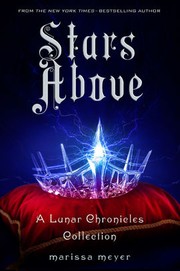
Stars Above: A Lunar Chronicles Collection
Nine Lunar Chronicles stories fill in the histories of Cinder, Wolf, Thorne, Cress, Winter, and Jacin, and end with a wedding after the war.
2,230-word summary · 10 min read
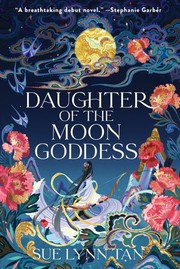
Daughter of the Moon Goddess
The daughter of Chang'e hides in the Celestial Court, trains as an archer, and risks everything to free her mother from the Emperor's punishment.
2,146-word summary · 10 min read
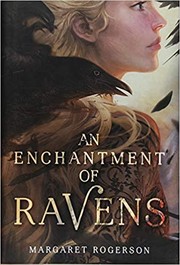
An Enchantment of Ravens
Isobel, a mortal artist in the fairy town of Whimsy, paints a portrait of the autumn prince and falls in love with him, breaking the laws of her craft.
2,087-word summary · 9 min read
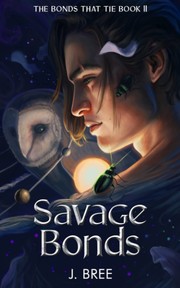
Savage Bonds
Oli's deadly gift is out in the open, her Bond runs the show, and the Resistance is closer than ever in the second Bonds that Tie novel.
2,431-word summary · 11 min read
Wretched
The Wicked Witch of the West becomes a heroin chemist, and the DEA agent sent to destroy her family falls for the very woman he was assigned to ruin.
2,117-word summary · 9 min read
Pestilence
Firefighter Sara Burns shoots the Horseman Pestilence and discovers he cannot die. Taken captive, she rides with him as his plague sweeps the world.
2,508-word summary · 11 min read
Dreamfever
With the walls between worlds down and Mac broken by the Fae, Dreamfever is the darkest volume of the Fever series, and the one that changes everything.
2,007-word summary · 9 min read
Deadlocked
A dead woman on Eric's lawn starts a murder investigation, a vampire queen wants Eric as her consort, and the fairies in Sookie's life close in.
2,885-word summary · 13 min read
A Deal with the Elf King
A village herbalist is exposed as the hidden Human Queen, married to a cold elf king, and given three months to save his dying kingdom or be bound to it…
2,094-word summary · 9 min read
These Hollow Vows
Brie trades with the Unseelie to save her sister and steals for a prince.
2,384-word summary · 11 min read

The Iron Queen
Meghan faces the Iron King past while Ash pays a winter price.
2,548-word summary · 11 min read
Shadowfever
Mac Lane hunts the Sinsar Dubh in Dublin as Fae walls fail and Barrons secrets surface.
3,016-word summary · 13 min read
Fated Throne
Twins face the throne trial as heirs close in and stars shift.
2,349-word summary · 10 min read
Bloodfever
Mac hunts the Sinsar Dubh in Dublin while Barrons tests her.
2,124-word summary · 9 min read
A Touch of Malice
Engaged Hades and Persephone face gods who vote on their marriage.
2,562-word summary · 11 min read
Cursed Fates
Twin heirs Tory and Darcy Vega face Lionel Acrux, brutal trials and tangled mate bonds in this fifth Zodiac Academy book, a 749-page bridge to open war and…
2,750-word summary · 12 min read
Shadow Princess
Tory and Darcy learn they are Phoenixes with shadows inside them and face Lionel, the Heirs and a rescue that goes wrong.
2,837-word summary · 13 min read
The Reckoning
Twin heirs survive trials and hazing at Zodiac Academy while the heirs start to split.
1,984-word summary · 9 min read
Scarred
A spy bride sent to ruin a scarred king learns his scars first.
2,074-word summary · 9 min read
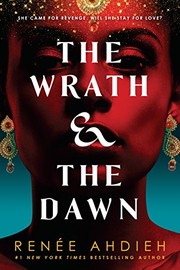
The Wrath and the Dawn
Shahrzad marries a king who executes each bride at dawn, hoping to stay alive through stories. A lush Arabian Nights retelling about grief, trust, and palace…
3,568-word summary · 16 min read