
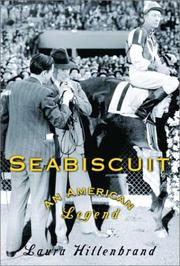
Seabiscuit: An American Legend
2,145-word summary 10 min read 416 pages in the book
- First published
- 2001
- Publisher
- Random House
- Pages
- 416
- ISBN
- 9780375502910
Reading options
What's inside (10 sections)
I picked up Seabiscuit expecting a horse book and found a Depression portrait. Laura Hillenbrand published it in 2001 with Random House. My reading follows the 416 page hardcover. It tells how a crooked legged horse, an immigrant trainer, a failed jockey, and a car magnate lifted a tired country. It is nonfiction that reads like a novel, carefully sourced, and it made me care about split times.
The horse first. Seabiscuit was small, knobby kneed, fond of sleeping and eating, lazy in morning workouts. He lost early races, got claimed cheap, and earned a reputation as mean spirited. What looked like laziness was partly pain, bad handling, and boredom. He needed someone to notice he liked to run at his own rhythm, late, from behind, with a target to chase.
The men around him were also overlooked. Tom Smith, the trainer, was a taciturn mustang breaker from the West who talked to horses more than people. Red Pollard, the jockey, was too tall, half blind in one eye from a riding accident, broke, and bookish. Charles Howard, the owner, was a bicycle repairman turned car dealer who lost a son and wanted something to love. None fit the sleek racing establishment of Eastern millionaires. Together they fit each other.
America needs a horse
Hillenbrand sets the stage with care. The 1930s were dust, breadlines, bank failures. Racing was one of the few escapes that cost little. A radio in a bar could carry a race. A two dollar bet could dream. Seabiscuit arrived as the country doubted itself. An underdog horse for an underdog decade.
She explains racing without condescending. How claiming races work, how handicaps assign weight, how match races hype, how tracks rake. Early chapters about Howard building car dealerships, Smith breaking mustangs, Pollard riding cheap circuits, read like three short biographies that converge. Some readers may find the background long. I liked it because when the team forms, you understand why each man needed the horse.
Pollard's story hit me hardest. He was abandoned in a way, left to ride as a teen, starved to make weight, blinded in a fall he hid to keep working. He read literature in tack rooms, quoted Shakespeare to grooms, and nursed injuries with whiskey and pride. Hillenbrand does not romanticize his drinking or his hunger. She shows a gifted rider destroying his body to stay small enough to ride.
Smith's methods fascinated me. He bedded Seabiscuit next to a companion horse to calm him. He rang a bell at feeding to train a rush. He let the horse sleep long, gallop late, and choose pace. Those details, sourced from interviews and records, show training as listening. Modern readers used to data will enjoy this older craft of eye and patience.
Learning to win
Seabiscuit's turnaround was not magic. Smith fixed his legs with care, lightened his moods, and entered him where he could build confidence. Pollard learned to let him lag early, then unleash with a target. Howard spent money wisely and shielded the team from press that wanted a speedy star. Wins accumulated. Claimer to stakes winner to record breaker.
Hillenbrand writes races superbly. She gives track, weather, odds, break, fractions, turns, stretch, without losing a novice. One early Santa Anita handicap where Seabiscuit threads through traffic made me hold breath. She names rival horses and jockeys, explains tactics, and keeps the horse central. You hear hooves, smell dirt, see Pollard's silks.
The rivalry with War Admiral, Triple Crown winner, larger, regal, owned by establishment, drives the middle. War Admiral was speed from the gate. Seabiscuit was late charge. Newspapers framed it as West versus East, working class versus blue blood, little versus large. Hillenbrand shows both horses with respect while noting how promoters used the contrast. The 1938 Pimlico match race, winner take all, forty million listening, remains one of sport's great set pieces.
I will not spoil splits for those who do not know, but the training for that race deserves note. Smith drilled Seabiscuit to break fast, against his habit, because War Admiral would steal the lead otherwise. He used a bell, a whip crack, a starting gate at dawn. Pollard, half blind, memorized the track by feel. Those dawn workouts, with fog and stopwatches, are as tense as the race.
Injury and return
Success broke bodies. Pollard shattered a leg in a spill and nearly lost his career. Seabiscuit ruptured ligaments and was thought finished. Hillenbrand slows here for convalescence, and those chapters are the heart. Two cripples in adjacent stalls, man and horse, healing together on a California ranch. Howard, who knew loss, refused to destroy the horse. Smith devised a rehab of walking, swimming, patience.
Pollard's recovery was stubborn and painful. He set his own fractures badly before, drank through pain, and now faced a leg that would not hold. He studied, did exercises, and willed himself back because the horse was waiting. Seabiscuit's recovery was slower, with setbacks that Hillenbrand reports without sentimentality. A hot leg. A dull eye. A day he would not eat. Then a morning he galloped for joy.
Their return at Santa Anita in 1940, old by racing standards, drew crowds who remembered Depression Sundays. Hillenbrand captures old fans bringing children, grooms crying, odds makers confused. The race itself, with a young rider up because Pollard could barely walk, then Pollard reclaiming the mount, is told with restraint. No miracle speech. Just a horse who loved to run and men who gave him chance.
After racing, Seabiscuit retired to stud, sired foals, lived comfortably. Pollard rode sparingly, married, worked. Smith faded into old age with horses. Howard grieved and gave. Those codas avoid fairy tale. Bodies stayed damaged. Money did not fix all. But a partnership held.
Owners, grooms, and the racing world
What I appreciated more on this read was how Hillenbrand honors labor around the horse. Grooms who slept in barns, hotwalkers who cooled legs, exercise riders who reported moods, blacksmiths who shaped shoes for crooked feet, vets who decided when to push and when to rest. She names them, quotes them, and shows their hands. Seabiscuit's story is often told as three men and a horse. The book shows dozens.
Howard's role as owner deserves nuance. He spent freely but listened. He did not demand races Smith opposed. He paid medical bills without press releases. He used fame to sell cars, yes, but also to fund retirements for stable workers. His grief for his son Frankie, killed in a truck accident, explains why he clung to Seabiscuit without making the horse a symbol. He needed something alive to care for that could win sometimes. That need is human, not cynical.
Smith's taciturn craft contrasts with modern training built on times and scans. He watched ears, manure, appetite, sleep. He talked low and moved slow. He believed horses tell truth if you stand long enough. Pollard, who lived on the horse's back, translated that truth to humans. He told Smith when Seabiscuit felt dull or bright. That loop, eye on ground plus feel in saddle, made the team. Data would have called the horse too small and too crooked. Attention called him ready.
The media chapters fascinated me. In the late 1930s, radio carried races live to millions who never saw a track. Seabiscuit received more coverage in 1938 than political leaders. Howard opened barns to reporters, let children pet the horse, and staged dawn workouts that drew crowds. The match race buildup with War Admiral, with weeks of debate and special trains to Pimlico, shows hype at its best. Shared attention heals a little. That is why the book lasts beyond turf fans.
Injury, patience, and return
The injury chapters test the book's thesis that care beats speed. Seabiscuit's suspensory rupture should have ended him. Pollard's shattered leg should have ended riding. Hillenbrand details rehab without montage. Cold hosing. Hand walking. Small paddocks. Setbacks where a hot tendon means weeks lost. Smith's patience looks like stubbornness to outsiders who want the horse destroyed for insurance. Howard refuses. That refusal costs money and earns loyalty that money can not buy.
Pollard heals beside the horse in a bunkhouse, reading, whittling, and learning to walk again. He rigs pulleys, does painful exercises, and accepts help from a wife who loves him without illusions. Those domestic pages balance track drama. A man who lived for crowds learns to live for breakfast. When he finally rides again, his leg aches with every post. He rides anyway because the horse is waiting and because work is identity. That decision is both admirable and worrying. Hillenbrand lets both sit.
Their comeback at Santa Anita in 1940 drew old fans who remembered lean years. The horse was seven, ancient for stakes. The rider was half broken. Odds reflected doubt. Hillenbrand reconstructs the race from charts and memories. A clean break. A patient stalk. A move on the far turn that made the crowd roar before the stretch. No photo finish trick. Just a good horse running his race one last time while a rider who trusted feel over sight guided. Afterward, retirement to stud felt right rather than sad. They had proved enough.
What lingers is not the win but the waiting that made it possible. Months of walking in circles. Nights checking legs by lantern. Mornings doubting. Those unglamorous hours are the book's real subject. Talent matters. Luck matters. Care matters most. That message suits anyone healing anything, not just legs. Read those chapters slowly. They teach.
Reading the races closely
If you read for craft, watch how Hillenbrand builds a race paragraph. She opens with break and position, adds fractions at quarter poles, notes traffic and brushes, then tightens sentences as the far turn comes. Verbs shorten. Win, press, urge, drive. In the stretch she lets breath return with crowd noise and jockey hands. That rhythm mimics running itself. Effort, crowd, release. Mark one race and read it aloud. You will hear gallop.
She also teaches betting without encouraging it. Odds show public belief. Weights show official doubt. Post positions shape trips. She explains why Seabiscuit, a closer, needed honest pace ahead and why Pollard angled outside to avoid kickback. Those tactics turn gambling into geometry. Even readers who never bet will enjoy the puzzle. Where to sit early to fly late. That question drives every race and gives the book its suspense beyond winning.
For book clubs, discuss luck versus care. Seabiscuit was lucky in owners and unlucky in legs. Pollard was lucky in talent and unlucky in size and sight. Smith was lucky in eye and unlucky in era that prized fancy barns. Howard was lucky in money and unlucky in loss. The book suggests luck deals hands, care plays them. That moral avoids bootstrap preach while honoring effort. Talk about your own long shots. Who waited with you. What waiting taught.
What shines and what sags
What shines is research worn lightly and race writing that never confuses. Hillenbrand interviewed grooms, read turf papers, walked tracks. She cites sources without clogging narrative. Her portraits of grooms, exercise riders, and track vets honor labor often ignored. The socioeconomic context, Tijuana racing, mob money, radio hype, gives depth beyond sports.
What sags for some is length and detail. At 416 pages with pedigrees, past performances, and training logs, readers who want only the horse may skim the car business or breeding theory. I skimmed one pedigree chapter and still followed. Horse averse readers may need the human thread to pull them. Pollard and Howard provide it, but the horse remains protagonist. If you do not learn to love a cantankerous colt, the middle will drag.
The prose is clear, lyrical in moderation, with short sentences for stretch runs and longer ones for history. Hillenbrand avoids anthropomorphizing cheaply. She says what the horse did, not what he thought, and lets action imply heart. That restraint makes the famous line about his quality being mostly in his heart land harder because a groom said it, not the author inflating.
Who should bet
Give Seabiscuit to nonfiction readers who like American history, to sports fans who want tactics, to horse lovers who know tack, and to skeptics who think racing is only gambling. It suits book clubs because class, luck, and care spark talk. Do not give it to readers who need fast fiction pace. Pair it with the 2003 film for faces, then return to the book for depth.
At 416 pages I read it across a week, marking race pages. Seabiscuit starts sleeping through workouts and ends charging past champions while a half blind rider trusts feel over sight. That image, a overlooked team refusing to quit through Depression and injury, explains why the country listened on radios. Sometimes a horse carries more than a jockey. Sometimes he carries hope.
FAQ
When was Seabiscuit published?
Random House published it in 2001. The hardcover runs 416 pages and the ISBN is 9780375502910.
Is it part of a series?
No. It stands alone as narrative nonfiction, though Hillenbrand later wrote Unbroken about Louis Zamperini.
What was the famous race?
The 1938 Pimlico match race against Triple Crown winner War Admiral, heard by forty million on radio.
Similar books
The Boys in the Boat: Nine Americans and Their Epic Quest for Gold at the 1936 Berlin Olympics
Washington rowers led by Joe Rantz chase gold in Hitler's Berlin in 1936.
2,439-word summary · 11 min read
Unbroken
Louis Zamperini survives a Pacific crash, sharks and POW camps after running in the Berlin Olympics.
3,263-word summary · 15 min read

The Zookeeper's Wife: A War Story
The directors of the Warsaw Zoo hid roughly three hundred Jews in empty cages and outbuildings after the German invasion, while Jan worked for the resistance.
2,065-word summary · 9 min read

Long Walk to Freedom
Mandela's account of a Thembu childhood, a law practice, a banned movement, twenty-seven years in prison, and the negotiation that ended apartheid.
2,454-word summary · 11 min read

1491: New Revelations of the Americas Before Columbus
Charles C. Mann gathers archaeology, ecology, and demography to argue that the Americas before Columbus were older, fuller, and more deliberately shaped than…
2,712-word summary · 12 min read

The DaVinci Code: A Quest for Answers
A short 2006 dialogue in which three friends test Dan Brown's claims about Jesus, Mary Magdalene, Nicaea, and the canon.
2,088-word summary · 9 min read

Nothing to Envy
Barbara Demick follows six defectors from Chongjin through the North Korean famine, showing how ordinary people lived, believed, and finally left.
2,068-word summary · 9 min read
Down and Out in Paris and London
Orwell's account of washing dishes in Paris hotels and tramping through London does not ask for pity, only for a clear look at how poverty actually works.
2,282-word summary · 10 min read
The Wright Brothers
David McCullough tells the story of two self-taught Ohio brothers, working largely alone and out of a bicycle shop, who solved the problem of flight before…
2,027-word summary · 9 min read
Lone Survivor: The Eyewitness Account of Operation Redwing and the Lost Heroes of SEAL Team 10
Marcus Luttrell's account of the 2005 SEAL mission in Afghanistan that killed three of his team and left him alone.
2,144-word summary · 10 min read

Bury My Heart at Wounded Knee: An Indian History of the American West
Dee Brown's 1970 retelling of the American West from the point of view of the people it destroyed.
2,233-word summary · 10 min read
At Home: A Short History of Private Life
Bill Bryson tours his own Norfolk rectory room by room to explain how private life and the modern home got built.
2,334-word summary · 10 min read
The Blind Side: Evolution of a Game
Michael Lewis traces how the left tackle became a premium position and tells the story of Michael Oher, a homeless Memphis teenager whose size and speed made…
2,038-word summary · 9 min read

Prisoners of Geography: Ten Maps That Tell You Everything You Need to Know About Global Politics
Tim Marshall explains how mountains, rivers, coasts, and resources shape the choices of nations, from Russia's flat borders to the chokepoints of the South…
2,328-word summary · 10 min read
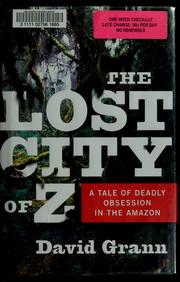
The Lost City of Z: A Tale of Deadly Obsession in the Amazon
David Grann retraces Percy Fawcett's 1925 disappearance in the Amazon and finds that the lost city he sought was not entirely a fantasy.
2,493-word summary · 11 min read

The Letters of Vincent van Gogh
Vincent van Gogh's letters to his brother Theo, in a Penguin Classics selection edited by Ronald de Leeuw, trace a decade of work, faith, and obsession.
2,611-word summary · 12 min read

The World Is Flat: A Brief History of the Twenty-first Century
Thomas L. Friedman's 2005 bestseller argues that technology, trade, and open borders leveled the global playing field, and it names the ten forces that did it.
2,369-word summary · 11 min read
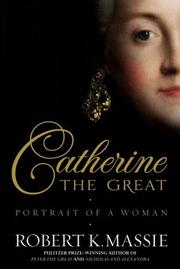
Catherine the Great: Portrait of a Woman
A German princess survives a miserable marriage and a coup to rule Russia for thirty-four years, torn between Enlightenment ideas and absolute power.
2,065-word summary · 9 min read
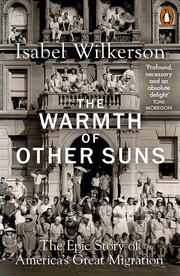
The Warmth of Other Suns
Three migrants ride north out of Jim Crow toward Chicago and LA.
2,561-word summary · 11 min read
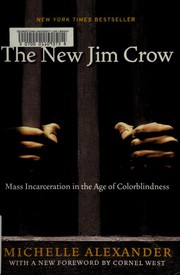
The New Jim Crow: Mass Incarceration in the Age of Colorblindness
How mass incarceration became a racial caste system after civil rights.
2,413-word summary · 11 min read
The History of the Hobbit, Part One: Mr. Baggins
Rateliff traces every draft of Bilbo from 1930 notes to print.
2,410-word summary · 11 min read

The Emperor of All Maladies
A biography of cancer from Galen to chemo through one doctor cases.
2,255-word summary · 10 min read
Killing Lincoln
Booth plots as Lincoln pushes war end and reunion in 1865.
2,486-word summary · 11 min read
In the Heart of the Sea: The Tragedy of the Whaleship Essex
The whaleship Essex sunk by a whale leaves men in boats for ninety days.
2,750-word summary · 12 min read
Hidden Figures
Black women computers at Langley launch rockets past Jim Crow.
2,385-word summary · 11 min read

Wild Swans
Three generations of women survive warlords, revolution, and the Cultural Revolution in Jung Chang's family memoir.
2,356-word summary · 10 min read
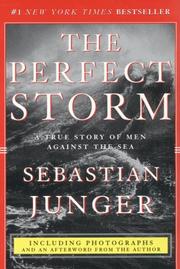
The Perfect Storm
Gloucester's Andrea Gail vanished in the October 1991 nor'easter; Junger joins the crew, storm science, and Tamaroa rescues into a plain and hardworking sea…
2,592-word summary · 12 min read

The Hot Zone
Ebola and Marburg move from African outbreaks to a Virginia monkey house and an Army response in suits.
2,291-word summary · 10 min read
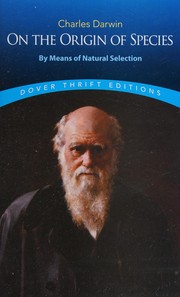
On the Origin of Species
Darwin's 1859 case for evolution by natural selection, from Beagle finches and breeding pigeons to fossils and anatomy.
2,589-word summary · 12 min read

How to Be an Antiracist
Kendi blends memoir and history to argue that fair policy, not self fixing, creates an equal society.
2,513-word summary · 11 min read