
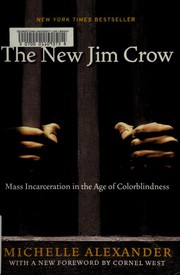
The New Jim Crow: Mass Incarceration in the Age of Colorblindness
2,413-word summary 11 min read 312 pages in the book
- First published
- 2010
- Publisher
- The New Press
- Pages
- 312
- ISBN
- 9781595586438
Reading options
What's inside (5 sections)
I read The New Jim Crow slowly with a notebook because arguments this big need notes. First published in 2010 by The New Press at 312 pages in hardcover, nonfiction by civil rights lawyer Michelle Alexander about mass incarceration as racial caste. Thesis plain and devastating. Mass incarceration is metaphorically the New Jim Crow. War on drugs, though drugs used similarly across races, targets Black men, labels them felons, then allows legal discrimination in jobs, housing, voting, jury. From 300,000 to over two million prisoners in decades. One third of Black men likely to serve. I finished angry and clearer, which is what important books do. At 312 pages it is dense but readable, with stories, data, and law.
Alexander starts with her own reluctance. Despite civil rights background, she took years to see entanglements fully. She expects readers to resist too. That humility helps. She is not scolding from above. She learned late and shares process. Central premise from which title derives is that mass incarceration functions like Jim Crow. Not identical, but similar in creating undercaste locked by law and custom. Slavery, Jim Crow, mass incarceration as three iterations of racial control adapting language. Slavery explicit. Jim Crow legal segregation. Now colorblind criminal justice that is anything but. When Black men disproportionately labeled criminals, a range of legal discriminations unlocks. Employment boxes, housing bans, education loss, benefits denied, voting stripped, jury excluded. Once labeled, marginalization permanent even after release. That hidden underworld of legalized discrimination is the book's core revelation. Many know prisons grow. Fewer know punishment continues for life after sentence through legal means. That continuation is the caste.
War on drugs as tool gets full history. Reagan administration escalated in 1982 purportedly responding to crack crisis in Black ghettos, announced before crack arrived in most inner cities. Media campaign generated support for expansion into urban neighborhoods. Federal authorities publicized while CIA linked Contra cocaine smuggling into US cities, blocked from exposure. Street level arrests exploded. Sentencing disparities, 100 to 1 crack versus powder then 18 to 1 after reform, meant inner city residents buying cheaper crack got felonies and long terms while suburban powder users got less. That disparity by drug form maps to race and class. Alexander shows with data that whites more likely to commit drug crimes than people of color, yet Black men sent at twenty to fifty times rates in some states. Targets defined largely by race, not conduct. That claim, backed by Human Rights Watch and surveys, still shocks. Read twice. Sit with. It reframes crime as enforcement choice, not behavior difference. Who police search decides who is criminal. Search Black neighborhoods, find Black criminals. Leave suburbs alone, miss white crime. Simple, devastating.
Caste and courts
Caste language borrows from science to name stigmatized group locked inferior by law and custom. Alexander calls it undercaste to update. Slavery, Jim Crow, now mass incarceration with rationalizations. To see, look beyond prisons to those on parole, probation, labeled. She defines incarceration broadly to include state control outside cages as well as inside. Arrested not tried, on parole, released but labeled. All carry stigma. That broad definition matters because numbers in cells undercount controlled. Millions more circle. Once in system, pleading guilty to avoid longer sentences, 90 to 95 percent never go to trial, creates records that follow. Plea bargaining as expediency undermines truth finding, as Ruth Grant notes. Innocent plead to avoid risk. Guilty get off easy by copping. Truth lost. That system crashes poor who cannot afford trial. Alexander suggests strategy attributed to Susan Burton. If large numbers demand trials, system crashes for lack of resources. Controversial, risky, but shows scale. Courts cannot try all they charge. They rely on pleas. That reliance is feature, not bug, to process caste quickly. Think about that next time you hear tough on crime. Efficiency over justice creates caste.
Courts discussed fill pages with cases that protect system from challenge. Alexander lists dozens. Terry v Ohio on stops, Whren on pretext, Armstrong on selective prosecution, McCleskey on death penalty disparities requiring proof of conscious bias impossible to show. That legal architecture immunizes racial control from claims. Need to prove racist intent of specific actor, not disparate impact. Since system speaks colorblind, intent hard. Laws allow stop for any traffic violation to search for drugs. Consent searches coerced. Jury exclusion via peremptory strikes with race neutral excuses. Each case closes a door to reform through courts. That mapping will exhaust non lawyers but rewards patience. You see how rights erode procedure by procedure. It is not one bad law. It is web. To undo, need movement not just lawsuits. Alexander aims to mobilize civil rights community to put incarceration front and center, which historically focused on affirmative action benefiting elites while ignoring one third of young Black men under control. That critique stings and is necessary. Elite gains coexist with mass lockdown. Celebrating Obama while ignoring caste misses. She wrote before Obama's second term, after election hailed as post racial triumph. She warned triumph premature while caste grows. History proved her right. Read now after years more data. Still true.
Reception and critiques deserve fair hearing for a balanced review. The book won NAACP Image Award, PASS Award, Constitution Project award, praised by Forbes, New York Times, New York Review as intelligent, forceful, readable. It galvanized readers Black and white, sparked debates, was banned in some New Jersey prisons in 2018, a badge of threat. Critics like James Forman Jr argue it obscures Black support for tougher crime laws in 1990s and downplays violent crime role. John McWhorter praises drug war critique but says causes simplified, many Black leaders favored escalation then. John Pfaff in Locked In argues drug offenders small part of prison population, violent offenders majority, county state systems drive numbers not federal drug cases. Brookings reconciles. Drug crimes predominant reason for new admissions though stock smaller. Rolling back drug war helps by reducing exposure though not solving all. Include these critiques to avoid hagiography. Alexander focuses on entry gateway that labels for life, even if stock includes violent. Gateway matters because label follows. Violent crime real and needs response, but response need not create caste. Alternatives exist. Restorative justice, shorter sentences, ban the box, voting restoration. Pfaff and Alexander agree more than oppose on reforms. Read both. Think.
What shines is clarity and moral force. Alexander writes like a lawyer who learned to write for people, not courts. Statistics woven with stories. A young man stopped for broken taillight, searched, found with small drugs, labeled felon, denied jobs, housing, voting for life. Repeat millions. That narrative pattern sticks more than tables, though tables support. At 312 pages it is teachable in semesters. Chapters on history, courts, colorblindness, backlash. Each ends with takeaways. Use in classrooms with discussion about language. Colorblind, criminal, felon. Words do work. Who gets called criminal for same conduct. Ask. That asking changes how students hear news. Crime reporting uses mugshots selectively. Hiring boxes filter. Landlords check. Those filters create undercaste without slurs. See system, not just individuals. That seeing is book's gift. Once seen, cannot unseen. You will notice boxes, stops, sentences differently. Good. Notice and act. Vote for reform. Support ban the box. Fund reentry. Talk about race explicitly. Colorblindness hides. Color consciousness heals if paired with justice.
What weighs is despair without easy fix. After mapping web, solutions feel vast. End war on drugs, end mandatory minimums, restore voting, ban discrimination, fund communities. All needed, none imminent. Readers may feel helpless. Alexander ends with call to moral awakening like abolitionists and civil rights. That call inspires some, overwhelms others. Take small steps. Support local bail funds. Hire formerly incarcerated. Vote for prosecutors promising reform. Those acts matter while system shifts slowly. Also, book centers Black men, noting discrimination prevalent among other minorities and poor, but less on women, Latinos, Native. Later editions address more, but core remains Black male. Supplement with works on women and immigration detention for fuller picture. Intersectionality matters. Use book as start, not end. Read widely after. That widening honors Alexander's aim to stimulate discussion, not end it.
Content is nonfiction with policy and law. No graphic violence lingered, though descriptions of stops, prison, and collateral consequences ache. Suitable for older teens and adults ready for systemic critique. Classrooms use widely. Pair with data updates since 2010, 10th anniversary edition 2020 discussed on Ellen and NYT front. Numbers grew then partly fell? Actually prison population peaked then declined slightly, but caste persists through records. Update with recent stats while keeping thesis. System adapts language again. Fentanyl, immigration. Watch for new disguises. That vigilance is book's lasting lesson. Racial control changes costume. Learn pattern to spot next. Stay awake. Talk about race explicitly with care. That talk, uncomfortable and necessary, is how caste ends. Start now.
Who should read it
Read it if you care about justice and want to understand why prisons grew while crime fell. Read it for courts, data, and moral clarity. At 312 pages it demands but rewards.
Skip it for now if you need hope fast or cannot sit with systemic critique. This will unsettle, especially if you believed progress linear. Take breaks, discuss, act small. Do not look away permanently. Return when ready. System persists whether you read or not. Better to know.
For me, the image that stays is a young man checking a job box labeled felon, pen hovering, knowing truthful check means trash, lie means later firing. No good choice. At 312 pages, The New Jim Crow argues boxes create caste more than bars. Remove boxes, restore votes, end pretext stops. Those reforms, concrete and achievable, start to dismantle. I closed it checking my own boxes. Who do I exclude with language. What policies do I support that punish forever for one mistake. Ask, then change one hiring practice, one vote, one conversation. Small dismantling aggregates. Caste built by many small laws. Undo similarly. Keep talking about race explicitly till colorblindness no longer hides. That talking, steady and brave, is why the book endures since 2010, ranked among century's best. Read, mark, act. Do not file away. Carry.
Schools, jobs, and voting
I want to say more about collateral consequences, because bars are only start. Once labeled felon, even for small drug possession, legal discrimination follows for life in most states. Employment applications ask. Many employers trash felon boxes without interview. Housing authorities ban. Public housing evicts families if member arrested. Student loans denied. Food stamps limited. Voting stripped in many states, sometimes for life, sometimes till parole done. Jury service barred. Those exclusions create undercaste where upward mobility blocked. Alexander details with statutes and stories. A man released after years for possession cannot get job, apartment, vote, serve jury. He is free but not citizen in full. That half freedom defines caste more than cell. It is hidden because each discrimination seems reasonable alone. Who wants felons next door. Together they strangle. See system, not single rule. Change requires banning boxes, restoring votes, ending housing bans together. Piecemeal helps but leaves web. Demand full.
Schools to prison pipeline feeds web early. Black boys suspended for behaviors white boys warned for. Police in schools arrest for fights once handled by principals. Those records start caste young. Alexander focuses on drugs, but critics note violent crime and school discipline matter too. Supplement with works on schools. Still, drug war gateway labels many who never harmed. A teen caught with small crack gets felony that bars college aid. That single bust alters life course more than act warrants. Think about proportionality. Should one mistake at nineteen bar voting at forty. Most say no when asked plainly. Yet laws say yes. That gap between values and laws shows colorblind language hides. Felon sounds race neutral. Impact is racial. Ask who is felon in your mind. Picture. Likely Black man despite white drug use equal. That mental image reveals bias system uses. Change image by changing enforcement and language. Talk about people first, not felons. Person with record, not felon. Words shape. Use humanizing language while pushing law change. Both needed.
Voting restoration deserves emphasis as concrete reform. In many states, felons cannot vote while incarcerated, on parole, on probation, sometimes ever without petition. That strips millions, disproportionately Black, from electorate. Politicians then ignore their interests, perpetuating. Alexander calls this political powerlessness key to caste maintenance. Without votes, undercaste cannot change laws that bind. Restore votes and power shifts. States that restored show turnout and engagement. Support restoration in your state. Check laws. Many allow restoration after sentence but require paperwork few know. Help with clinics. That direct aid matters while pushing automatic restoration. Democracy needs all voices, especially those harmed by system, to fix. Exclude them and system self perpetuates. Include and change possible. Simple, achievable, urgent. Do it.
Employment boxes similarly actionable. Ban the box delays criminal history inquiry till after interview, giving chance to impress first. Studies show it helps though employers may guess race and discriminate anyway without box. Pair with enforcement and support for hiring. Alexander notes indifference sustains caste as much as hostility. Employers who do not think about race still trash boxes that disproportionately exclude Black men. Examine your own hiring if you hire. Remove box. Train interviewers. Partner with reentry programs. Those steps dismantle locally while laws change nationally. Housing likewise. Landlords banning felons perpetuate homelessness that leads to reoffending. Support fair housing for records. Small landlords can decide individually to give chance. Do it. That giving breaks cycle for one family, which matters even if system persists. Aggregate many gives.
If you teach, pair book with visits from formerly incarcerated speakers. Numbers move minds, stories move hearts. Both needed. Alexander blends. Follow her model in class. Start with story of young man stopped, then show data on stops by race, then discuss laws. That arc from personal to systemic prevents defensiveness. Students see person before policy. They ask why. Then data answers. End with action. Register voters, write employers, support clinics. Hope replaces despair when action concrete. At 312 pages, the book can feel heavy. Break into chapters with actions between. Read history one week, volunteer next. That rhythm sustains. Do not read alone if possible. Discuss. Discomfort shared eases and motivates. Keep talking about race explicitly till colorblindness no longer hides. That talking, in classrooms and kitchens, is how caste ends. Start now, keep going.
FAQ
When was The New Jim Crow published?
It was first published in 2010 by The New Press at 312 pages. It won the NAACP Image Award.
What is the thesis?
Civil rights lawyer Michelle Alexander shows war on drugs created legal discrimination in jobs, housing and voting.
Similar books
How to Be an Antiracist
Kendi blends memoir and history to argue that fair policy, not self fixing, creates an equal society.
2,513-word summary · 11 min read
Between the World and Me
Coates writes to his son about the Black body in America, from Howard to the loss of Prince Jones.
2,234-word summary · 10 min read

Long Walk to Freedom
Mandela's account of a Thembu childhood, a law practice, a banned movement, twenty-seven years in prison, and the negotiation that ended apartheid.
2,454-word summary · 11 min read
Nothing to Envy
Barbara Demick follows six defectors from Chongjin through the North Korean famine, showing how ordinary people lived, believed, and finally left.
2,068-word summary · 9 min read

Down and Out in Paris and London
Orwell's account of washing dishes in Paris hotels and tramping through London does not ask for pity, only for a clear look at how poverty actually works.
2,282-word summary · 10 min read

Why I'm No Longer Talking to White People About Race
Reni Eddo-Lodge traces black British history and shows how institutions, culture, and everyday assumptions keep producing racial inequality.
2,071-word summary · 9 min read
Red Notice
An American financier in Moscow exposes a $230 million tax fraud, watches his lawyer die in prison, and turns the case into an international human rights law.
2,008-word summary · 9 min read
Prisoners of Geography: Ten Maps That Tell You Everything You Need to Know About Global Politics
Tim Marshall explains how mountains, rivers, coasts, and resources shape the choices of nations, from Russia's flat borders to the chokepoints of the South…
2,328-word summary · 10 min read
The World Is Flat: A Brief History of the Twenty-first Century
Thomas L. Friedman's 2005 bestseller argues that technology, trade, and open borders leveled the global playing field, and it names the ten forces that did it.
2,369-word summary · 11 min read
The Warmth of Other Suns
Three migrants ride north out of Jim Crow toward Chicago and LA.
2,561-word summary · 11 min read
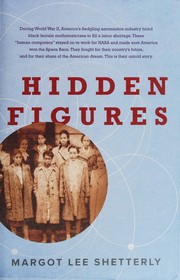
Hidden Figures
Black women computers at Langley launch rockets past Jim Crow.
2,385-word summary · 11 min read
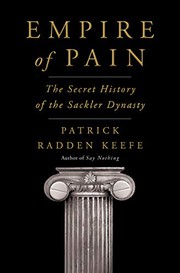
Empire of Pain: The Secret History of the Sackler Dynasty
How the Sackler family sold OxyContin and shaped an overdose crisis while giving to museums.
2,048-word summary · 9 min read
Say Nothing
Patrick Radden Keefe traces Jean McConville's 1972 disappearance through the Price sisters, Brendan Hughes, and Gerry Adams, using Boston College tapes to…
2,846-word summary · 13 min read
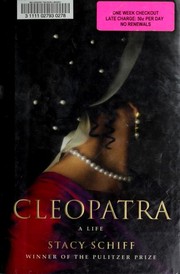
Cleopatra: A Life
Pulitzer winner Schiff restores Cleopatra as a capable ruler, from Ptolemy debts and Caesar to Antony, Actium, and her death in 30 BC, built from coins and…
3,586-word summary · 16 min read
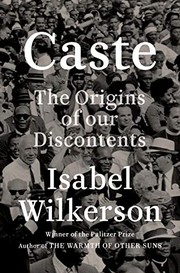
Caste: The Origins of Our Discontents
Wilkerson argues America runs on a hidden caste system, tracing eight pillars across the US, India, and Nazi Germany.
2,629-word summary · 12 min read
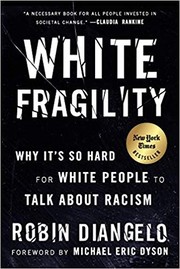
White Fragility: Why It's So Hard for White People to Talk About Racism
DiAngelo's 2018 bestseller on why cross-racial talk about racism stalls, and what white readers can practice instead.
2,904-word summary · 13 min read
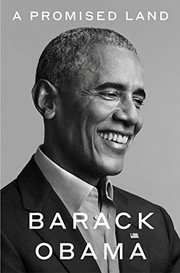
A Promised Land
First-volume memoir from Iowa 2008 through the 2011 bin Laden raid, crisis management and doubt.
2,243-word summary · 10 min read
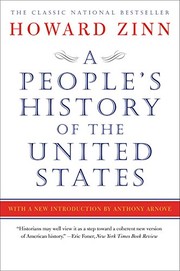
A People's History of the United States
A bottom-up history of the United States from Columbus to Clinton, told through workers, women, Native nations and Black voices against elite rule.
2,398-word summary · 11 min read
The Prince
Machiavelli advises Lorenzo on rule through fear and love, fortune, cruelty and mercy.
2,204-word summary · 10 min read

The Zookeeper's Wife: A War Story
The directors of the Warsaw Zoo hid roughly three hundred Jews in empty cages and outbuildings after the German invasion, while Jan worked for the resistance.
2,065-word summary · 9 min read
Take My Hand
In 1973 Montgomery, a young nurse discovers that two sisters were sterilized without consent, and spends the rest of her life living with what she could not…
2,126-word summary · 9 min read
Nudge: Improving Decisions About Health, Wealth, and Happiness
Thaler and Sunstein show how defaults, framing, and social cues steer choices, and argue for choice architecture with an opt-out.
3,146-word summary · 14 min read
1491: New Revelations of the Americas Before Columbus
Charles C. Mann gathers archaeology, ecology, and demography to argue that the Americas before Columbus were older, fuller, and more deliberately shaped than…
2,712-word summary · 12 min read
The DaVinci Code: A Quest for Answers
A short 2006 dialogue in which three friends test Dan Brown's claims about Jesus, Mary Magdalene, Nicaea, and the canon.
2,088-word summary · 9 min read

In Order to Live: A North Korean Girl's Journey to Freedom
A young North Korean girl crosses the Yalu, survives trafficking in China, and rebuilds her life in Seoul in this unsparing memoir.
2,027-word summary · 9 min read

Too Much and Never Enough: How My Family Created the World's Most Dangerous Man
Mary L. Trump's 2020 memoir traces how a cold, zero-sum Queens household shaped her uncle, and uses family tax documents to challenge his self-made story.
2,059-word summary · 9 min read

Infidel
Ayaan Hirsi Ali's memoir of a Somali childhood, a forced marriage, a Dutch asylum claim, and the political fight that followed the murder of Theo van Gogh.
2,041-word summary · 9 min read

The Girl with Seven Names: A North Korean Defector's Story
Hyeonseo Lee crossed the frozen Yalu River at seventeen, spent years hidden in China, escaped to South Korea, and later returned to rescue her family.
2,404-word summary · 11 min read
The Wright Brothers
David McCullough tells the story of two self-taught Ohio brothers, working largely alone and out of a bicycle shop, who solved the problem of flight before…
2,027-word summary · 9 min read

Lone Survivor: The Eyewitness Account of Operation Redwing and the Lost Heroes of SEAL Team 10
Marcus Luttrell's account of the 2005 SEAL mission in Afghanistan that killed three of his team and left him alone.
2,144-word summary · 10 min read