
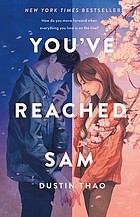
You've Reached Sam
2,887-word summary 13 min read 304 pages in the book
- First published
- 2021
- Publisher
- Wednesday Books
- Pages
- 304
- ISBN
- 9781250762030
Reading options
What's inside (8 sections)
I picked up You've Reached Sam because a friend told me it wrecked her and she meant that as praise. I was wary. Books about teen grief can tip into sentiment fast, and the premise sounded risky. A girl calls her dead boyfriend's phone and he answers. That could be sweet or it could be silly. I read it across three evenings, mostly on the couch with my phone face down, and I cried once near the end in a way that annoyed me because I had decided not to.
Dustin Thao published the novel in 2021 with Wednesday Books. The hardcover runs 304 pages. It was his debut, and it became a New York Times bestseller. The story follows seventeen year old Julie Clarke in her senior year after her boyfriend Sam Obayashi dies in a car crash. What follows is part love story told in flashback and part account of the months after, when Julie gets a temporary and unexplained phone connection to Sam and has to decide what to do with it.
I went in expecting a romance with a supernatural trick. What I got was more patient than that. A lot of the book sits with avoidance and guilt and the awkward work of going back to school when everyone knows what happened to you.
The future Julie had mapped out
Julie and Sam have been together for three years when the book opens in memory. They are seniors with plans that feel specific enough to hurt later. Leave their small Washington town. Find a place in the city. Julie wants to study creative writing. Sam wants to keep playing music. They talk about spending a summer in Japan, which matters to Sam because of his family background and matters to Julie because she wants new material and a break from home.
Thao builds their history in small scenes rather than big declarations. Sam comes into the bookstore where Julie works part time and leaves a paper cherry blossom on the counter. Julie starts showing up at the cafe where Sam works. He remembers her drink, a honey lavender latte, and makes it when she sits down to study. He takes her to see Reed College in Portland, which is her dream school. He sets up a telescope because she wants to write about Saturn's rings. He helps her through fights at home around her parents' split. She helps him through stage fright before his first real gig.
Their friends fill in the edges. Mika is Sam's cousin and Julie's close friend, funny and blunt and physical in a way Julie is not. Oliver is Sam's best friend from the music scene. Yuki and Rachel and Jay are exchange students from Japan who knew Sam and later make room for Julie at lunch. Sam's younger brother James looks up to him and fights with him the way younger brothers do. Julie's mother tries to hold steady while Julie pulls away. Mr. Lee, who runs the bookstore, gives Julie space to work and later gives her a blank clothbound notebook that someone donated, telling her to keep writing.
I liked how ordinary much of this feels. There are drives to school on Thursday mornings in his dad's car. There is a school dance where Julie watches Sam slow dance with a friend named Taylor and leaves early because she feels foolish for caring. There is homework and radio songs she will not admit she likes. If you have been seventeen and half in love, you will recognize the mix of confidence and dread.
One small complaint here. Some dialogue sounds a touch polished for high school. Everyone remembers the right detail at the right time. I did not mind it much because the scenes move, but readers who want rougher teen voices may notice it.
The accident and the weeks after
Sam dies while driving to pick Julie up. The details come out in pieces, the way they do when someone does not want to tell the story straight. He had been at a bonfire with friends and forgot. Julie called, frustrated. They argued. She did not answer when he tried calling back. Later a truck hit the driver's side of his car. Julie tells herself that her call set it in motion. She also told him she could walk home from the station, which makes the guilt loop tighter.
Was it her fault. No, in any fair sense. She did not drive the truck. Thao knows that and Julie half knows that, but grief does not grade on logic. That gap drives the next month.
Julie skips the funeral. She skips the vigil Mika helps plan. She throws out Sam's denim jacket and CDs and gifts she gave him. She wants to forget him altogether, or at least to stop seeing him in every room. She meets Mika at a diner about a week later and it goes badly. Mika is mourning her cousin and also losing her friend in the same week. Julie says she wants to erase Sam. Mika hears that Julie never loved him. Both of them leave hurt.
Julie tries to reclaim the thrown away things and learns the garbage has already gone. That scene stayed with me. It is such a plain mistake. You act fast to stop pain, then pain changes shape and you want the objects back.
Work and school fall off. Mr. Lee had been with Julie when she got the news and drove her to the hospital, so he knows not to press. Her mother watches her disappear into her room. At school Julie feels marked. Some classmates stare. A few whisper. Taylor, who was at the bonfire that night, blames Julie outright for making Sam leave to get her.
The avoidance makes sense even when it frustrates you. Julie is not cruel. She is flooded. Every memorial asks her to feel in public what she cannot yet feel in private.
My gripe in this stretch is pacing. The avoidance cycle repeats. Julie dodges, someone confronts her, she runs, she replays the last calls she ignored. The repetition is probably honest to early grief. On the page it can feel like circling. I put the book down for a night around here and came back fresher.
A voicemail that answers back
The turn comes when Julie finds a note Sam left in her yearbook. It cracks her routine. She goes out toward the lake with her journal, then into the woods in the rain, and calls Sam's number hoping to hear his recorded greeting. She wants his voice without a living person attached to it.
Sam answers.
He knows he is dead. He does not know how the connection works and neither does Julie. The book never explains the mechanism, which will bother some readers and relieved me. Thao keeps the rules simple and sad. The calls only work on Julie's phone. If Sam calls her, she has to pick up or the link may break for good. The time they have is limited. Later calls get shorter and full of static.
At first the calls feel like rescue. Julie rushes home from school to make them. She asks Sam if he blames her and he says no, with the steadiness that made her love him. They revisit jokes and songs. She plays him lyrics she is trying to finish for him. He tells her to keep living her life, which she hears and then sets aside because hearing him feels like living.
There is a cost Thao handles well. While Julie is linked to Sam, her phone stops receiving other calls and texts. Messages from Mika and Oliver and her mother never arrive. She misses the lantern lighting friends plan for Sam. She misses check ins that might have helped. The phone becomes a locked room. Comfort inside, silence outside.
I found myself pausing here to think about what I would do. Probably the same as Julie. Of course you would stay on the line. Of course you would tell yourself one more call will make the leaving easier, even as it makes ordinary life thinner.
A rare line worth quoting comes when Sam warns her the connection will not hold. The wording in my copy was plain, something close to a reminder that they are borrowing time. Thao does not dress it up, which helps.
I kept thinking about that yearbook note while I read the middle chapters, how a few handwritten sentences can pull you back when big speeches cannot.
If you need systems and reasons for strange events, this book may irritate you. No technician arrives. No lore chapter explains the veil between worlds. The premise asks you to accept longing as enough of a reason. I accepted it, but I understand the objection.
Going back to school while holding a secret
Julie returns to school because the calls give her enough energy to face hallways again. That sentence sounds odd and it is odd. A secret phone line to a dead boy steadies her enough to sit through English.
Lunch is the clearest test. Yuki and Rachel and Jay welcome her. They talk about Sam without flinching. Oliver approaches too, though his history with Julie is prickly. He did not like her much when Sam was alive. Now he wants to talk about Sam and asks if he can text her about memories. Julie says yes and then hurries home for the next call. She wants connection on her terms, on schedule, without surprise.
Taylor confronts her in front of others and says Sam would still be alive if Julie had not made him drive. Julie answers that she did not drive the truck and she told him not to come. The words are true and still shake her. Julie shoves Taylor. Mika steps in with the self defense training she has and the fight ends fast. Mika defends Julie even though their friendship is strained, which tells you a lot about Mika.
Work helps in a quieter way. Julie goes back to Mr. Lee's bookstore and shelves beside a younger coworker named Tristan. She writes in the clothbound notebook. She drafts a sample for college writing programs. She got into Central Washington University and got rejected from Reed, her first choice. Portland had been tied to Sam's college visit with her, so the rejection lands with extra weight. She starts to consider what a local future could look like, though she resents having to consider it.
Thao moves between present days and memory without flashing arrows. One chapter you are at a lunch table, the next you are watching Sam calm Julie down before a reading or hearing him talk through a song arrangement. I sometimes had to reread a transition. Mostly the drifting felt right for a narrator who lives half in recall.
The middle does sag a little. Calls follow a pattern. Julie worries, Sam soothes, they promise to talk tomorrow, Julie misses something in daylight. After the third loop I started skimming call openings to get to the school scenes. A tighter edit could have cut one cycle and kept the ache. Still, the accumulation has a point. You feel how easy it is to choose the voice you control over the people you cannot.
Letting other people in
The turn toward other people starts with guilt about Mika. Julie knows Mika lost both Sam and, for a while, Julie. She goes to Mika's house to apologize. Mika says plainly that Julie's disappearance felt like a second loss. Julie decides to share the secret. She lets Mika speak to Sam once.
Mika tests him with childhood memories only Sam would know. He passes. She cries and thanks Julie. It is generous and costly. After that shared call, Julie's own calls get briefer and more broken up. Sam had warned her that sharing might thin the link. She does it anyway, which is the first clear sign she can put someone else's need ahead of her hunger to hear him.
Oliver's thread deepened the book for me. He tells Julie he loved Sam in a romantic way and never told him. He carried that while watching Julie and Sam together. His grief has a different shape from Julie's, less about plans for a shared apartment and more about words unsaid. Their talks give both of them a fuller picture of Sam. Not just boyfriend Sam. Friend Sam. Bandmate Sam. The guy who stayed late to run a riff again.
James gets a call too. Sam's little brother runs off to the playground after a fight before Sam's death left him thinking his brother hated him. Julie finds him and lets him talk to Sam. James hears what he needs, that his brother did not hate him, that brothers fight and still belong to each other. Julie gives up more of her dwindling time. I admit I teared up here. It earns it because James is a kid trying to rewrite his last memory.
Other repairs happen off the phone. Julie spends more time with her mother without checking the screen every minute. She keeps writing the story of her and Sam instead of only replaying it. She goes on a day trip to Seattle with Mika and Oliver that feels normal in the best way, snacks and jokes and a little quiet when Sam's name comes up. She tries to finish Sam's songs so people can hear them, though Sam gently pushes back on the idea that finishing his unfinished work will fix anything.
If I have a criticism of this section, it is that Taylor stays flat. She exists to blame and to sneer. Maybe some people are like that after a death, especially teens looking for a reason. I wanted one scene where Taylor showed fear instead of spite. Without it she reads like a device to force Julie to defend herself.
Readers who dislike ensemble grief may find these chapters crowded. Mika needs care. Oliver needs honesty. James needs reassurance. Julie's mother needs her daughter back. I found the crowding moving, because loss spreads. One death rearranges five or six lives. Thao lets you see that without lecturing.
The last call on graduation night
Julie and Sam agree their final talk will happen on graduation night. The date gives Julie a frame. Finish school. Say what needs saying. Let the static take the rest.
Thao does not let it go smoothly. At graduation Julie breaks her phone. She tries other phones and none connect. The link was always tied to her device and her number, fragile in a way she ignored while it worked. Panic takes over. She drives out to the barley fields Sam once showed her and says aloud the things she had saved for the call. It is not the same as telling him. It steadies her enough to think.
She goes to Sam's family house and finds his old phone. She moves her SIM card over and dials. Sam picks up. Their last conversation is short. The static is bad. They say they love each other. They thank each other for the years they had. Sam asks her to do one hard thing. He will call back once more and she must let it go to voicemail. That recording will be hers to keep. If she answers, she risks holding them both in place.
Julie keeps the promise. She watches his name light up and does not pick up. He leaves a voicemail she can replay when she needs his voice without reopening the link. When the screen goes dark, all the missed calls and texts that piled up while she was linked start flooding in. The image is simple and effective. The living world had been waiting.
The epilogue moves forward without rushing. Julie attends the college that accepted her. She stays close to Mika and Oliver and Sam's family. She finishes writing their story. She still thinks of Sam daily. She also makes plans that do not include him, which feels like growth rather than betrayal.
I appreciated that Thao does not stage a grand transformation. Julie does not return from the fields cured. She returns able to answer messages, show up for people, and write honestly about what happened. For a book with a supernatural phone, the ending is practical. Keep the voicemail. Go to class. Call your mother back. Remember without disappearing.
Who should skip this. If you want the magic explained, you will be annoyed. If you have little patience for teen romance dialogue, the early flashbacks may test you. If you are newly grieving, some scenes might land too hard, especially the passages about missed last calls and thrown away belongings. I would hand it to readers who liked If I Stay or Your Name and wanted more time with the goodbye, and to anyone who wants a YA romance that takes friendship as seriously as first love.
I closed it thinking less about the trick of the phone and more about Mika's line about losing two people at once. That stayed with me longer than the final voicemail. It made me text a friend I had been slow to answer. Make of that what you will.
FAQ
When was You've Reached Sam published?
It was published in 2021 by Wednesday Books as a 304 page hardcover. It was Dustin Thao's debut novel.
How does Julie talk to Sam after he dies?
She calls his cell phone expecting his voicemail and he answers. The connection only works on her phone, weakens over time, and ends after graduation night with a voicemail she keeps.
Does the book explain how the phone calls work?
No. The novel sets rules like limited time and static but never gives a reason for the link. Readers who need a clear explanation may find that unsatisfying.
Similar books

We Are Okay
Marin fled San Francisco after her grandfather vanished and stopped answering anyone. When Mabel visits her college dorm, she has to say what happened.
2,253-word summary · 10 min read
The First to Die at the End
On the night Death-Cast launches, a boy with a bad heart meets a model with everything ahead of him, and one of them gets the call.
2,908-word summary · 13 min read

Someone Like You
Halley and her best friend Scarlett face a summer of grief, a surprise pregnancy, and Halley's dangerous first romance in Sarah Dessen's 1998 young adult novel.
2,218-word summary · 10 min read

Lock and Key
Abandoned Ruby moves in with her sister and learns to trust Nate and Cora.
2,407-word summary · 11 min read

Dumplin'
Willowdean Dickson enters her town's beauty pageant as a protest and discovers that confidence is harder to keep once she lets someone close.
1,922-word summary · 9 min read

Amy & Roger's Epic Detour
Amy Curry has not driven since the crash that killed her father. With Roger at the wheel and a box of maps between them, a cross-country trip becomes a slow…
3,034-word summary · 13 min read

The Second Summer of the Sisterhood
Four friends share the traveling pants through a summer of grandmothers, first loves, and mothers who are learning to let go.
2,209-word summary · 10 min read

Aristotle and Dante Dive into the Waters of the World
Ari and Dante return for senior year in El Paso, navigating first love, AIDS, family grief, and the cost of being openly gay in 1987 Texas.
2,188-word summary · 10 min read

The No-Show
Three women are stood up on Valentine's Day by the same man, but the timeline is not what it seems. O'Leary's warmest book with a knife in it.
2,127-word summary · 9 min read
Wayward Son
Simon and Baz road trip America after the war to decide what normal means.
2,505-word summary · 11 min read

The Sky Is Everywhere
Lennie grieves Bailey while torn between Toby and Joe.
2,251-word summary · 10 min read
Loveless
Georgia starts university sure she wants love, then learns she is aro-ace.
2,539-word summary · 11 min read
If Only I Had Told Her
Finn, Jack and Autumn speak after the crash that took one of them.
2,543-word summary · 11 min read
Every Last Word
A girl with OCD finds poetry and friends who know her secrets.
2,434-word summary · 11 min read
The Upside of Falling
Two teens fake-date for a summer dare and end up facing grief, family secrets, and first love.
2,274-word summary · 10 min read

Since You've Been Gone
Shy Emily spends summer finishing her vanished best friend Sloane list of thirteen dares, finding Frank, Dawn, and courage.
2,566-word summary · 11 min read

Me and Earl and the Dying Girl
A self-protective Pittsburgh senior is pushed to befriend a classmate with leukemia, and a clumsy film with Earl changes all three.
2,773-word summary · 12 min read
Fly Away
After Kate's death, Tully, Marah, and Dorothy face grief and addiction while trying to rebuild their lives.
2,940-word summary · 13 min read

Evvie Drake Starts Over
A widow hiding a painful secret rents her back apartment to a pitcher who lost his throw, and they slowly learn to start again.
2,584-word summary · 11 min read
What If It's Us
Two teens meet by chance at a New York post office and try to turn missed connection into first love.
2,033-word summary · 9 min read

Love & Gelato
After her mother dies, Lina spends a summer in Tuscany, follows a journal through Florence, and learns who Howard is.
2,768-word summary · 12 min read

Let It Snow
Three Christmas stories collide at a Waffle House in a blizzard.
2,094-word summary · 9 min read
Forever, Interrupted
Elsie elopes in May, loses Ben nine days later, and learns grief beside the mother in law she never met.
2,051-word summary · 9 min read

I'd Tell You I Love You, But Then I'd Have to Kill You
Cammie Morgan trains at a secret spy school and falls for a town boy she can never tell the truth.
2,179-word summary · 10 min read

Bloodlines
Alchemist Sydney Sage hides Moroi princess Jill in Palm Springs, where tattoo shops and old vampires test every rule she was taught.
2,622-word summary · 12 min read

The Truth About Forever
A grieving teen trades a dull library summer for catering work and learns to let people in again.
2,088-word summary · 9 min read
The Summer of Broken Rules
Meredith plays Assassin at Vineyard wedding a year after sister Claire died.
2,288-word summary · 10 min read

Five Feet Apart
Two teens with CF fall in love where six feet keeps alive and five tempts.
2,214-word summary · 10 min read
Where She Went
Three years after the crash, rock star Adam Wilde spends one night in New York facing Mia and their breakup.
2,942-word summary · 13 min read

Stargirl
Leo Borlock likes blending in until homeschooled Stargirl Caraway arrives at Mica High with a ukulele, a pet rat, and kindness that tests them both.
2,980-word summary · 13 min read