
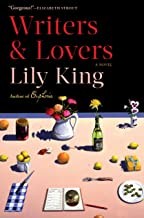
Writers & Lovers
2,473-word summary 11 min read 320 pages in the book
- First published
- 2020
- Publisher
- Grove Press
- Pages
- 320
- ISBN
- 9780802148537
Reading options
What's inside (8 sections)
I picked up Writers and Lovers on a gray weekend when I wanted something quiet and human, a book about books that did not feel like homework. A friend had said, you will like Casey even when you want to shake her, and that turned out exactly right. Published in 2020 by Grove Press, 320 pages, this is Lily King novel about a thirty one year old waitress in Cambridge trying to finish her first novel while grieving her mother, drowning in debt, and falling for two very different men. I finished it in three sittings, mostly on the couch with tea going cold, underlining lines about writing that felt uncomfortably true.
What hooked me was how close the narration stays to Casey Peabody. We live inside her tired head, counting tips, dodging landlords, rewriting the same paragraph, replaying things her mother said. King writes in short scenes that move like days in service, rush then lull then rush. It is funny in places, sad in others, often both on one page. This is not a plot heavy thriller. It is a year in a life where small choices, send the pages or delete them, call back or let go, pay the dentist or the loan, add up to a direction. If you have ever tried to make art while working a job that eats your feet, you will feel seen.
Thirty one, broke, and serving in Cambridge
Casey is thirty one when we meet her, living in a cramped apartment in Cambridge with a roommate, working dinner shifts at a restaurant called Iris. She has an MFA in creative writing and the loans to prove it. Her mother, who was her closest reader and steadiest support, has died recently after a short illness. Her father is distant and unreliable. She is behind on rent and dental work, her shoes hurt, her car is dicey. She owes money and time to almost everyone.
King makes waitressing vivid without turning it into shtick. Casey carries trays, memorizes mods, smiles through bachelor parties and first dates gone stiff. Iris has its own hierarchy, managers with moods, cooks with tempers, servers who cover or stiff each other. Tips decide whether she eats well or eats toast. She is good at the job in the way tired people are good, fast and observant, able to read a table in seconds. After shifts her feet throb and her mind buzzes, too wired to sleep and too tired to write. Anyone who has worked food service will nod at the details, the side work, the split shifts, the regular who thinks familiarity buys patience.
The Boston setting matters. Winter presses in. Apartments are cold and small. The literary world feels both near and far, readings in bookstores she can walk to, famous writers teaching across town, friends with fellowships she did not get. Casey moves through it as an insider outsider. She has the degree and the talent, but no cushion. A bad week can tip her from scraping by to crisis. King keeps money present on almost every page, not as background but as pressure that shapes choices about love and work.
What I liked early is that Casey does not narrate herself as a victim. She jokes, often dryly, about her own mess. She knows she is late on pages and short on cash. She keeps showing up anyway. That mix of humor and stubbornness carried me through slower stretches later. You root for her because she keeps trying, not because she is polished.
The novel that will not end
Casey has worked on her novel for six years. It began in grad school with heat and promise, then stalled under grief and doubt and life. She revises the same opening, cuts chapters, restores them, changes names, loses the thread. Rejections arrive in thin envelopes and flat emails. One editor shows interest and then goes quiet. A friend gets a deal. She feels happy for them and sick at once, a feeling King captures without cruelty.
King knows this process from the inside, and it shows. Casey writes in stolen hours, mornings before shifts, days off meant for rest. She worries her book is too quiet, too sad, too female, too whatever the market is not buying that month. She reads over old pages and hears only flaws. She throws out twenty good sentences to save one true line. Her doubt is not abstract. It sits in her shoulders while she carries entrees, whispering that waitresses at her age do not debut.
Her mother haunts these pages in the best way. She was the person who believed first and longest, who read drafts with a pen and made soup when Casey spiraled. Without her, Casey has to learn to mother her own work, to say keep going when no one claps. Grief arrives in waves, at the grocery, on the train, mid shift when a customer orders her mother dish. King does not stage big weeping scenes every chapter. She lets loss leak through small moments, which felt honest. I lost track of how many times Casey almost calls her mother before remembering.
There is also the practical side of finishing. She needs time, which means money, which means shifts, which steal time. She applies for residencies and teaching gigs, most of which pay little or want publications she lacks. She borrows, she defers, she calculates. A dentist tells her what she needs and she does math in the chair. This loop will feel familiar to any freelancer. The book respects how hard it is to protect morning hours when rent is due Friday.
Silas and Oscar, two futures
The love story, or love tangle, centers on two men who want Casey and represent different lives. Silas is younger, a fellow writer with a teaching job, kind and attentive, funny in a loose way. He reads her pages with care. He meets her where she is, cramped kitchens and late buses, without flinching. Dates with him feel easy, full of talk about books and plans. He has his own debts and doubts, which makes him feel like a peer rather than a rescue.
Oscar is older, a widowed father of two young boys, established in the Boston literary scene, connected and kind in a polished way. He lost his wife and carries that loss openly. His house is warm and chaotic, toys and manuscripts side by side. He can open doors for Casey, introductions and blurbs and advice that actually lands. He offers steadiness, a stocked fridge, adult calm. Being with him feels like stepping into a life already built, where she could write upstairs while kids laugh below.
King lets Casey want both and feel torn for real reasons, not just chemistry. Silas offers sameness and spark, someone to grow alongside, with no safety net. Oscar offers shelter and entry, plus children who need care she is not sure she can give while finishing a book. Friends weigh in. Muriel, sharp and loyal, warns her about power gaps and about dating from need. Others see Oscar as a catch and Silas as a delay. Casey listens, then follows her own pulse, which gets her into trouble more than once.
I will admit the triangle tested my patience in the middle. Scenes repeat, dinner with one, reading with the other, guilt after both. You can see the shape from far off, youth versus security, passion versus plan. Yet King saves it by keeping Casey gaze clear. She notices how each man reads her work, how each handles no, how each acts when she is broke or sick or late. Those tests reveal more than grand speeches. By the last third I stopped asking who she will pick and started asking what she will accept for herself.
Iris, roommates, Muriel, and Harry
The supporting cast keeps the book from narrowing to romance. Muriel is the standout friend, direct and funny, working her own job while telling Casey truths no one else will say. She calls out self pity fast and shows up faster, bringing food or a ride or a spare twenty. Harry, another writer friend, offers a different mirror, talented and blocked in his own way, generous with notes, messy with life. Their talks about sentences and agents feel lived in, full of shop detail that never turns dry.
Work at Iris gives the novel its beat. King nails the small theater of service, the pre shift meeting, the regulars, the manager math on comps, the way a bad tip can ruin a night and a good one can feel like rescue. Casey both resents and relies on the place. It pays, barely, and it gives her people to watch. Writers are told to observe, and servers observe all day. She steals gestures and lines for pages later. I liked how King shows exhaustion as a writing problem, not only a mood. Tired hands type slower. Tired minds choose easy words.
Housing adds pressure. The apartment with her roommate is tight, with thin walls and shared bills and different schedules. Privacy is rare. Quiet hours to write must be begged or bought with favors. Casey moves through borrowed spaces, libraries and cafes where coffee buys a table, friends couches when she needs air. Each move costs focus. You start to understand why six years have passed. It is not only fear. It is logistics.
Small kindnesses land hard here. A coworker covers a shift so Casey can meet an editor. Muriel edits pages with a blunt pen that actually helps. An older writer gives ten minutes that change a chapter. None of these fix her life. Together they keep her upright. King is good at showing how broke artists survive on favors and pride in equal parts.
Money, grief, and learning to choose herself
The middle of the book is a long squeeze. Loans press. Work hours climb. The novel stalls again after a hopeful burst. Casey makes choices she knows are shaky, borrowing from the wrong attitude, saying yes to dates for the meal as much as the man, skipping care she needs. King does not scold her. She shows the math. When you have forty dollars till Thursday, principles get flexible.
Grief complicates every decision. Her mother was the person who would have told her to dump the wrong guy and keep the right paragraph. Without that voice, Casey outsources judgment to men and friends and editors, then resents their weight. A strong thread follows her learning to hear herself again. She starts keeping morning pages, walking the river to clear her head, setting small rules like no phone before writing. None of this reads as cure. It reads as craft, tiny routines that let work return.
The shift that matters most is professional. After years of pleasing imagined gatekeepers, Casey begins to write the book she actually has, sadder and stranger than the safe version, closer to her mother loss and her service years. She cuts coy openings. She lets the narrator sound tired and funny at once. She stops apologizing for a quiet story. Pages that once felt thin start to hold. Rejection still stings, but it stops steering. That change feels earned because King shows the drafts, not only the resolve.
Money does not magically resolve. She still owes. She still serves. What changes is her footing in her own mind. She asks for what shifts pay, says no to a arrangement that costs writing time, takes a short term gig that funds a month of mornings. She starts to treat writing as the job and waitressing as the bridge, not the other way around. For readers who have lived that flip, this stretch will ring true. It is not triumph. It is posture, standing a little straighter at the table and at the desk.
Slow middle, true ending, and who will love it
I should name the weak spots plainly, because they may decide your read. The middle sags. Shifts blur, dates repeat, pages stall and restart, and for about eighty pages I felt I was circling the same block. King writes service and longing well, but even good sentences cannot hide that little new happens for a while. Readers who want plot will fidget. I kept going because Casey voice stayed sharp, but I checked how many pages were left twice, which I rarely do when fully caught.
The triangle will also feel familiar. Young peer versus older mentor with kids, freedom versus safety, is a shelf full of novels. King adds texture through class and Boston literary politics, who knows whom, who blurbs whom, but the shape remains known. Oscar kindness keeps him from villain territory, which I liked, yet his power still tilts scenes. Silas warmth keeps him from saint territory, which helps too. Still, if you have read many books with this fork, you will guess the turns early. The pleasure has to come from how Casey thinks through them, not from surprise.
What redeems both issues is the ending, which I will keep vague. Casey finishes on her terms and finds a path to publication that feels plausible rather than fairy lit. More vital, she chooses herself over either man as a plan. Romance resolves, but it does not rescue. Work does, plus grief faced rather than filed. The last chapters carry a quiet lift, morning light rather than fireworks. I closed the book satisfied, not because every debt cleared but because Casey finally writes like someone who trusts her own ear.
Form deserves a note. Chapters run short, scenes cut fast, dialogue carries weight. That pace suits tired eyes and busy weeks. It also means some beats land light. Her father could hold more page time. A few Iris coworkers blur together. An editor thread that promises much resolves quickly. I wanted one longer stay with Muriel, whose candor steals every scene, and one fuller talk with Harry about why some writers finish and others circle. King prefers suggestion to speech, which fits Casey reticence but leaves a few rooms half lit.
Even so, I would press this into the hands of the right reader without pause. If you love campus novels grown up and broke, if you wait tables while making things, if you lost a parent and found them still talking in your head, this will hit. It pairs well with books about women choosing work on their own schedule, and with any memoir about debt and drafts. Go in ready for a slow patch around the center. Stay for the voice, the Boston winter, the restaurant rush, and a heroine who learns to protect her mornings. When Casey finally types the lines she means, you may hear your own unfinished file calling from the next room.
FAQ
When was Writers & Lovers published?
Grove Press published it in 2020. The hardcover runs 320 pages and the ISBN is 9780802148537.
Who are the main characters?
Casey Peabody, waitress and writer, Silas the young teacher, Oscar the widowed father of two, plus friends Muriel and Harry.
Is Writers & Lovers part of a series?
No, it stands alone outside any series.
Similar books
The Little Paris Bookshop
A Paris bookseller who prescribes novels as medicine finally opens a twenty one year old letter from his lost love and sails south through France to find her.
2,050-word summary · 9 min read
The Accidental Tourist
Grieving Macon writes travel guides for haters of travel, then Muriel intrudes.
2,252-word summary · 10 min read

Norwegian Wood
Toru recalls 1969 Tokyo, torn between fragile Naoko and lively Midori after a friend's suicide.
2,051-word summary · 9 min read
Euphoria
Three anthropologists in 1930s New Guinea turn fieldwork into a love triangle, and a real history breathes behind them.
2,048-word summary · 9 min read
Lisey's Story
Two years after her novelist husband dies, Lisey Landon follows a trail of clues into his childhood and the other world that made him a writer.
1,998-word summary · 9 min read

Alone With You in the Ether
Two people in Chicago agree to six conversations, and the experiment becomes a love affair that is also a study of bipolar disorder, obsession, and the shape…
2,713-word summary · 12 min read

Sam's Letters to Jennifer
A grieving journalist reads her grandmother's letters and finds a decades-long love affair that changes how she sees her family.
2,310-word summary · 10 min read

Amy & Roger's Epic Detour
Amy Curry has not driven since the crash that killed her father. With Roger at the wheel and a box of maps between them, a cross-country trip becomes a slow…
3,034-word summary · 13 min read

We Are Okay
Marin fled San Francisco after her grandfather vanished and stopped answering anyone. When Mabel visits her college dorm, she has to say what happened.
2,253-word summary · 10 min read
Two by Two
Sparks's twentieth novel turns from first love to a marriage breaking up: Russell Green loses his wife and his job, then rebuilds his life around his…
2,192-word summary · 10 min read

The First to Die at the End
On the night Death-Cast launches, a boy with a bad heart meets a model with everything ahead of him, and one of them gets the call.
2,908-word summary · 13 min read

On Chesil Beach
Two newlyweds spend one terrible night on Chesil Beach in 1962, and the rest of their lives is decided by it.
2,456-word summary · 11 min read

Ivanhoe
A disinherited Saxon knight, a great tournament, a besieged castle and a trial by combat. Scott's most famous novel, set in England in 1194.
2,834-word summary · 13 min read
Eligible
Austen's Bennet sisters move to modern Cincinnati, where marriage is a reality show and the house is losing its value.
2,293-word summary · 10 min read

Big Swiss
A transcriptionist for a sex coach falls for one of his clients, the tall Swiss gynecologist she calls Big Swiss, in a funny novel about work and secrets.
2,523-word summary · 11 min read

At First Sight
Jeremy and Lexie are married and expecting a baby when anonymous emails tell him the child may not be his.
2,317-word summary · 10 min read

A Spool of Blue Thread
Four generations of the Whitshank family in Baltimore, and the silences, resentments and quiet love they hand down without ever saying so.
2,408-word summary · 11 min read

This Is How You Lose Her
Yunior cycles through love affairs and betrayals in nine linked stories, tracing the damage he does and the family history behind it.
2,195-word summary · 10 min read

The Pilot's Wife
Kathryn Lyons's husband dies in a plane crash, and the investigation reveals a secret life that forces her to rethink their marriage.
2,006-word summary · 9 min read

Delilah Green Doesn't Care
Delilah returns to Bright Falls to photograph her stepsister's wedding and falls for Claire, a bookstore owner and single mother, while a cruel bet threatens…
2,315-word summary · 10 min read
And Every Morning the Way Home Gets Longer and Longer
An elderly grandfather, his son, and his grandson share memories and fears as the old man's mind begins to fade, in a short novel about grief and love.
2,078-word summary · 9 min read

The Tiger's Wife
A young doctor in a war-scarred Balkan country chases the stories her grandfather left behind, including a deathless man and a deaf girl who loved an escaped…
2,232-word summary · 10 min read
The Storm Sister
Ally D'Aplièse loses her father and her lover within weeks, then follows a brass frog and a Norwegian biography into Anna Landvik's music and the world of…
2,376-word summary · 11 min read

Rule
A tattoo artist still grieving his twin and the polished girl who has loved him since she was thirteen finally collide one drunken night in Denver.
2,014-word summary · 9 min read
The No-Show
Three women are stood up on Valentine's Day by the same man, but the timeline is not what it seems. O'Leary's warmest book with a knife in it.
2,127-word summary · 9 min read

Someone Like You
Halley and her best friend Scarlett face a summer of grief, a surprise pregnancy, and Halley's dangerous first romance in Sarah Dessen's 1998 young adult novel.
2,218-word summary · 10 min read
By the River Piedra I Sat Down and Wept
Pilar, 29, meets her childhood friend again in Madrid and finds a rumored miracle worker. One winter week through the Pyrenees to the river Piedra, and the…
2,845-word summary · 13 min read

The Sky Is Everywhere
Lennie grieves Bailey while torn between Toby and Joe.
2,251-word summary · 10 min read

Kitchen
Orphan Mikage finds home in a kitchen with Yuichi and Eriko after loss.
2,597-word summary · 12 min read
If Only I Had Told Her
Finn, Jack and Autumn speak after the crash that took one of them.
2,543-word summary · 11 min read