

Let It Snow
2,094-word summary 9 min read
- First published
- 2008
- Publisher
- Speak
- ISBN
- 9780142412145
Reading options
What's inside (4 sections)
I had read Fault in Our Stars years ago and wanted something lighter for batch work, so this three author Christmas collection sounded right. Let It Snow, first published in 2008, Speak paperback edition, ISBN 9780142412145, interweaves three stories during a Christmas Eve blizzard in Gracetown. Jubilee chases a train to Florida. Tobin and friends race to a Waffle House. Addie hides a teacup pig for her friend. It is cozy YA with converging timelines, cheerful about snowed in kindness, honest about teen love without preaching. I finished it in one snowy evening, which is the correct setting and probably why I liked it more than its parts deserve. Weather outside makes pages warmer inside.
Jubilee's story opens the book and carries most weight. Stuck on a train in blizzard en route to Florida for Christmas after parents fight, she meets Stuart who offers his family's hot tub and phone. Their banter on train and in his house, with parents welcoming, builds sweetly through forced proximity that never feels forced because snow strands genuinely. Green writes Jubilee with his signature wit about overthinking. She narrates holiday stress through lists and worst cases. Stuart teases without dismissing anxiety. Those talks do character work that romance needs. See fear, name it kindly, stay nearby while storm passes. When Jubilee must choose between planned Florida Christmas and present Gracetown kindness, choice feels earned because we watched her parents' fight drain joy from plans. Plans fail. People show up. Choose people present over plans perfect. That lesson suits Christmas without sermonizing. Hotels, hot tubs, borrowed phones. Small hospitalities that save holidays. Notice who offers charger without being asked. That person matters.
Waffle House run and teacup pigs
Tobin's story provides comedy and male friendship that balances Jubilee romance. Tobin, JP, and Duke, a girl nicknamed Duke who Tobin secretly loves, hear Waffle House has cheerleaders stranded and race through snow with competitive friends to meet them. The quest structure, call to nourishment in storm, lets Johnson write boys being dumb with heart. Snowball fights, bad driving, debates about movies. Underneath jokes, Tobin must admit feelings for Duke that friendship complicates. Those admissions happen sideways during crisis, yelling over wind rather than confessing face to face. That indirection feels true to teen boys. Say it while running so rejection hurts less if moving. Duke hears and responds with action rather than speech. Grabs hand to keep from falling. Keeps holding after steady. Those gestures carry more than declarations. Johnson handles with light touch that respects young readers without talking down. No explicit content beyond kissing in snow that tastes like waffles. Sweet and enough.
Addie's story closes the trio with teacup pig that steals chapters. Addie, who cheated on boyfriend, feels guilty while hiding his Christmas gift pig for a friend. Her chapters are shortest and most moral without preaching. Learn to think about others during holidays designed for selfies. The pig escapes, smells, squeals, forces Addie to ask for help from people she ignored while coupled. Jubilee, Tobin crew converge at Waffle House where pig causes chaos that resolves romances. Those convergences could feel contrived. Here they feel like small town truth. Everyone ends up at the only open place in blizzard. Of course paths cross. Of course exes meet. Snow shrinks worlds to one warm room with bad coffee. That shrinkage heals breaches that pride kept open across town. Apologize where all can hear and witness. Public amends stick better than private texts. Addie learns by doing in front of crowd that forgives with laughter rather than judgment. Community as Christmas gift better than pig, though pig helps.
For craft, three voices stay distinct without labels after a while. Green witty and anxious. Johnson funny about boys. Myracle warm about friendship. If you dislike anthologies for whiplash, transitions help. Characters from one story background the next. Train passengers appear at Waffle House. Names recur on cups. Those overlaps reward careful readers without confusing. Short chapters with storm timestamps keep momentum. Outside snow deepens while inside warms. That contrast drives pages faster than plot. You read to stay warm. Weather as cliffhanger works when reader is also cold. I read during first snow and kept checking windows between chapters. Snow falling outside while fictional snow traps felt cozy rather than redundant. Timing matters for Christmas books. Read in December if possible. Summer reading flattens magic that cold amplifies. Keep copy for next blizzard rather than devouring in July. Seasonal patience pays.
What connects and who should try it
The collection's strength is interconnection without forcing single moral. Each story stands alone fine. Together they argue that storms reveal kindness already present but hurried past. Jubilee learns parents fight from stress not lack of love. Tobin learns Duke loved back while he performed indifference. Addie learns friends forgive self absorption when owned. None of these lessons require blizzard, but blizzard forces pause that busy holidays prevent. Snow as enforced Sabbath from plans. Stay put. Talk. Eat waffles. Those pauses heal more than gifts exchanged. That theme suits three authors writing separately then braiding. Separate drafts paused to connect at Waffle House where all must cooperate. Collaboration as blizzard hospitality on page and behind. Readers feel warmth of writers enjoying shared world without competing. Rare in anthologies that often feel stitched. Here stitches show as style shifts that charm rather than jar. Green anxiety, Johnson banter, Myracle heart. Three gifts in one stocking. Choose favorite while appreciating all. Mine is Jubilee for train talk, though pig steals rereads.
For criticism, the book runs light for its reputation. No real stakes beyond missed connections. Parents fight but reconcile quickly. Cheating forgiven fast. Snow strands without danger. Readers wanting depth may find pages thin across three. Two romances resolve with kisses that promise without showing work ahead. Will Jubilee do long distance. Will Tobin risk friendship. Epilogues hint yes without proving. Accept holiday magic or be annoyed. I accepted because Christmas allows. Also, diversity is limited to cameos. Gracetown reads white and straight except hints. Later editions did not revise. Modern readers may notice. Pair with diverse holiday collections to balance shelves. Still, it reads in one sitting ideal for December 24th afternoon while waiting. Short chapters ending on snow deepening. No cliffhangers that punish. The final Waffle House gathering with all couples plus pig in booth sums without sermon. Eat together. Forgive. Go home when plows come. That simplicity is gift after heavy batch books. Light snow after avalanches. Enjoy melt.
For who this is for. If you like John Green without cancer tears, try his Christmas contribution here, lightest of his works. If you are new to YA anthologies, this is gentle entry with heat limited to kissing and hand holding. If you want edge, look elsewhere. Snow here comforts rather than threatens. Teens make mistakes with hot chocolate consequences, not life altering. I am adult and still enjoyed as rest between heavier reads. I closed it thinking about Waffle Houses I have sheltered in during storms, none with teacup pigs, all with kind strangers sharing outlets. Seek those rooms in real blizzards. Bring charger to share. Stay for stories. That practice, simple and seasonal, is the book's gift beyond plot.
The train as stranded space that forces honesty deserves more attention because Green uses transit confinement expertly learned from Paper Towns road trips. Jubilee cannot leave, must talk to Stuart, discovers kindness in stranger that planned travel with parents lacked. Those train hours, with vending machine dinners and phone batteries dying, strip social performance down to sharing blankets with people whose names you learn from tickets. Stuart's family then extends hospitality that contrasts with Jubilee's parents' fight about holidays. Strangers feed better than family fighting. That contrast stings usefully without villainizing parents who love through stress badly. They fight about money and time, not love. Kids hear fighting as absence even when love underlies. Snow forces hearing full sentences rather than slammed doors. Stay on train long enough for apologies to arrive by phone with bad reception breaking up. Partial apologies through static count more than silence. Accept garbled love as love still transmitting. Those lessons about receiving imperfect apologies help beyond Christmas. Listen through static in relationships generally. Signal breaks. Care continues underneath noise. Tune kindly.
Tobin and Duke as friends who fear ruining friendship with honesty also model something YA often rushes. They have known each other years through JP's trio, teasing as armor against feeling. Snow emergency provides cover to act without declaring. Pull from snowbank. Share scarf. Hold longer than necessary for warmth. Each prolonged touch tests response without words that could end friendship if wrong. When Duke finally names feelings first, Tobin hears because cold already proved through actions. Words confirm what bodies established. That order, act then name, suits teen boys learning emotional vocabulary late. Do kind act. Notice it felt good. Name feeling after evidence accumulates. Therapists recommend behavioral activation over insight first for depression. Act as if caring, notice mood lift, then understand. Tobin lives that sequence without clinical language. Shovel friend's walk. Feel better. Realize you like her through shoveling joy. Simple and true. Adults reading to understand teen sons should note method. Do not demand confessions before actions. Provide shoveling opportunities. Watch who shows up with scarf. Trust showing over telling while leaving room for telling later over waffles when warm and fed. Fed people speak braver truths. Feed first. Ask after.
Addie's pig as chaos agent that forces honesty deserves a final paragraph because animals in Christmas stories often decorate rather than disrupt. This pig disrupts usefully. It escapes gift box at wrong moment, eats tinsel that requires vet call, squeals during romantic confessions that need interruption before rushing. Those interruptions save characters from saying too much too fast. Pig as comic timing device that authors use deliberately to pace reveals. When Addie chases pig through Waffle House in dress clothes, dignity lost enables honesty gained. She stops performing perfect girlfriend and admits cheating, fear, love in jumbled order while crawling under tables. Witnesses laugh with her rather than at her because pig levels. Everyone looks silly chasing livestock indoors. Shared silliness bonds faster than shared trauma. Strangers help corner pig who would ignore crying girl alone. That help opens conversations that continue after pig caught. Exchange numbers with fellow chasers. Those numbers become friendships beyond Christmas that sequels could explore. Pig as social lubricant better than alcohol for teens. Sober chaos that requires cooperation without liquid courage. Remember that mechanism for real holiday parties. Bring ridiculous game rather than wine to break ice among strangers. Laughter at shared task unites faster than drinks that divide drivers from drinkers. Play together. Chase pig equivalent in your context. Puppy, trivia, snowman contest. Shared silly goal dissolves cliques that cocktails reinforce. Plan accordingly next December. Fun first as strategy, not frivolity.
The three author voices as distinct gifts that cohere deserve a last note because anthologies often feel stitched by editors rather than shared by friends. Here Green, Johnson, and Myracle wrote separately then braided at Waffle House where characters cross. That collaboration mirrors blizzard hospitality inside stories. Separate drafts paused to connect where all must cooperate. Readers feel warmth of writers enjoying shared world without competing for best story. Green brings anxious interiority about overthinking love. His Jubilee lists worst cases while Stuart listens without fixing, modeling patience YA boys rarely show. Johnson brings banter about male friendship that respects Duke as person rather than prize. Tobin learns to see Duke's competence under nickname. Myracle brings heart about self absorption owned and repaired. Addie names selfishness without self hatred, then acts differently with pig as practice. Those distinct strengths cover different readers. Anxious planners find Jubilee. Funny boys find Tobin. Guilty friends find Addie. Together they argue that storms reveal kindness already present but hurried past in busy holidays. Snow as enforced Sabbath from plans suits three busy authors pausing to play in same sandbox. Play shows. No one tries to outwrite others with twists. Each gives characters room to be wrong kindly. That generosity among writers transfers to characters who forgive quickly because Christmas allows. Harsher books would demand longer grovels. Here apologies accepted fast to keep page count light and mood bright. Accept lightness as seasonal choice, not flaw. Winter needs bright books the way cold needs soup. Serve hot and sweet without apology for calories. Some stories nourish through comfort rather than challenge. Let them.
FAQ
What are the three stories?
Jubilee on a train meeting Stuart, Tobin racing to Waffle House loving Duke, and Addie hiding a teacup pig while guilty.
When was Let It Snow published?
Dutton published it in 2008. The Speak paperback carries ISBN 9780142412145.
Similar books

Dumplin'
Willowdean Dickson enters her town's beauty pageant as a protest and discovers that confidence is harder to keep once she lets someone close.
1,922-word summary · 9 min read

The First to Die at the End
On the night Death-Cast launches, a boy with a bad heart meets a model with everything ahead of him, and one of them gets the call.
2,908-word summary · 13 min read

The Second Summer of the Sisterhood
Four friends share the traveling pants through a summer of grandmothers, first loves, and mothers who are learning to let go.
2,209-word summary · 10 min read
Dash & Lily's Book of Dares
Two lonely New York teenagers trade dares in a red notebook left at the Strand, falling for each other on the page before they meet.
2,228-word summary · 10 min read

Aristotle and Dante Dive into the Waters of the World
Ari and Dante return for senior year in El Paso, navigating first love, AIDS, family grief, and the cost of being openly gay in 1987 Texas.
2,188-word summary · 10 min read

Someone Like You
Halley and her best friend Scarlett face a summer of grief, a surprise pregnancy, and Halley's dangerous first romance in Sarah Dessen's 1998 young adult novel.
2,218-word summary · 10 min read
Wayward Son
Simon and Baz road trip America after the war to decide what normal means.
2,505-word summary · 11 min read
Loveless
Georgia starts university sure she wants love, then learns she is aro-ace.
2,539-word summary · 11 min read
Every Last Word
A girl with OCD finds poetry and friends who know her secrets.
2,434-word summary · 11 min read

Since You've Been Gone
Shy Emily spends summer finishing her vanished best friend Sloane list of thirteen dares, finding Frank, Dawn, and courage.
2,566-word summary · 11 min read
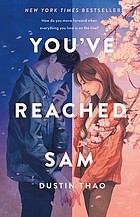
You've Reached Sam
After Sam dies, Julie calls his phone to hear his voicemail and he answers, forcing her to face grief and learn how to say goodbye.
2,887-word summary · 13 min read
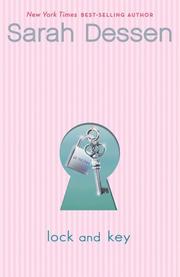
Lock and Key
Abandoned Ruby moves in with her sister and learns to trust Nate and Cora.
2,407-word summary · 11 min read
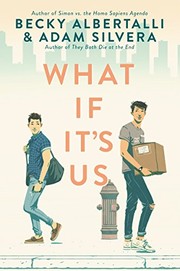
What If It's Us
Two teens meet by chance at a New York post office and try to turn missed connection into first love.
2,033-word summary · 9 min read

I'd Tell You I Love You, But Then I'd Have to Kill You
Cammie Morgan trains at a secret spy school and falls for a town boy she can never tell the truth.
2,179-word summary · 10 min read

Bloodlines
Alchemist Sydney Sage hides Moroi princess Jill in Palm Springs, where tattoo shops and old vampires test every rule she was taught.
2,622-word summary · 12 min read

Stargirl
Leo Borlock likes blending in until homeschooled Stargirl Caraway arrives at Mica High with a ukulele, a pet rat, and kindness that tests them both.
2,980-word summary · 13 min read
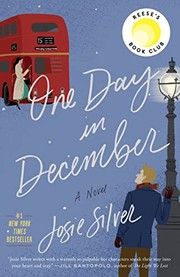
One Day in December
Laurie spots her dream man from a London bus, then meets him again as her best friend Sarah's new boyfriend.
2,513-word summary · 11 min read

Will Grayson, Will Grayson
Two Chicago teens with one name collide, with Tiny Cooper's musical stealing every scene.
2,742-word summary · 12 min read
If He Had Been with Me
Childhood friends Autumn and Finn drift apart in high school until one August night changes everything.
2,785-word summary · 12 min read
They Both Die at the End
Two teens called as dying meet through an app and share one full day.
1,968-word summary · 9 min read

What Happened to Goodbye
Mclean has reinvented herself in four towns since her parents divorced. In Lakeview she uses her real name, and for the first time staying put becomes a choice.
2,796-word summary · 12 min read

Anya's Ghost
A lonely Russian immigrant falls into a well, befriends the ghost trapped there, and discovers that the ghost's help comes with a dangerous price.
2,001-word summary · 9 min read

Anatomy: A Love Story
In 1817 Edinburgh, a noblewoman who wants to be a surgeon disguises herself to study anatomy and falls for the grave robber who supplies her with bodies.
2,031-word summary · 9 min read

Vow of Thieves
Kazi and Jase return to Tor's Watch to find it occupied, and their marriage is tested by captivity, betrayal, and a war for the town of Hell's Mouth.
2,059-word summary · 9 min read
This Winter
On one difficult Christmas Day, Tori, Charlie, and Oliver Spring try to hold their family together while Charlie's eating disorder makes every tradition a test.
2,034-word summary · 9 min read
The Lost Sisters
Taryn Duarte writes a letter to her twin, Jude, explaining how she fell for Locke and why she stayed silent while he used them both.
1,914-word summary · 9 min read

Masquerade
After Cordelia's death, Schuyler flies to Venice to find her exiled grandfather, then returns to the Blue Bloods as they prepare for a masked ball and a hidden…
2,543-word summary · 11 min read

Archenemies
Nova steals for the Anarchists while Adrian hides his Sentinel identity, and a serum that erases prodigy powers puts them both at risk.
2,485-word summary · 11 min read
Wilder Girls
At a quarantined boarding school off Maine, three girls with strange mutations search for a missing friend and learn what the adults have hidden.
2,594-word summary · 12 min read

The Siren
Saved from a shipwreck in 1930, Kahlen becomes a siren who sings men to their deaths for the Ocean, until a boy in a college library makes her want a life she…
2,369-word summary · 11 min read