
Reading options
What's inside (4 sections)
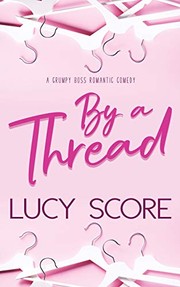
I had read Things We Never Got Over and liked Score's mix of banter and blue collar competence, so By a Thread, first published in 2020 by That's What She Said Publishing, 582 pages in paperback, ISBN 9781945631610, sounded right. Ally Morales needs a job after losing hers for telling off a harasser, and Dominic Russo needs an assistant he will not sleep with and does. It is grumpy boss workplace romance with fashion industry pressure, long hours, and unusually frank talk about harassment and boundaries. I finished it entertained and thinking about it more than expected, mostly about how Ally insists on professionalism as armor and desire as choice at once.
Ally is twenty something, sharp, Latina? Actually curvy, funny about clothes on a budget, living with roommates, trying to break into fashion without connections. She gets hired at Russo Clothiers? Actually at Dominic's fashion house despite insulting him in an interview when he is rude about her resume gap. He hires her because she is competent and because she does not flatter. She organizes his chaos, fields model tantrums, fixes shows. He growls, works late, pays well, watches her more than workflow requires. Their early chapters spark through competence clashes. She color codes his calendar. He ignores colors and remembers anyway. She calls out his rudeness to interns. He listens once, then again, which surprises both. That mutual training, manners for him and directness for her, gives grumpy sunshine structure without making Ally a manic pixie fixer. She has her own ambitions beyond taming boss. She wants to design, not just assist. He sees that before she admits and pushes her to sketch on company time. Good bosses do that. Crushes complicate.
Office as pressure cooker
The fashion workplace works because Score knows service industry details that transfer. Sample trafficking, showroom chaos before shows, models who need feeding and kindness, buyers who threaten to walk. Ally navigates with humor and spreadsheets. Dominic navigates with reputation and brooding that staff translate. Their after hours work sessions, ostensibly to catch up, become the book's best chapters. Takeout containers, fabric swatches, Ally draped in samples for fit checks that require touching with permission asked each time. Those permission asks, can I pin here, is this okay, model consent inside workplace romance that could feel coercive. Power gap is real. He is boss who signs checks. She names it plainly in text. If I say no to date, do I lose job. He answers with policy and personal promise that HR would side eye. She believes behavior over words, watching whether he retaliates when she sets limits at work. He does not, which earns slow trust. That testing period, longer than genre norm, makes later heat feel chosen rather than coerced. Readers sensitive to boss romance should know the book takes gap seriously for 200 pages before fully romanticizing. Some will find even careful version uncomfortable. Fair. Others will appreciate the care taken.
Dominic's backstory unfolds through late nights and family calls he avoids. Italian family with expectations, father who built company and criticizes from retirement, mother who feeds and probes. He carries grief about a loss? Actually about a past relationship that ended badly when work consumed. He works to avoid feeling, which Ally names with fashion metaphor. You tailor everyone else's life to avoid fitting your own. That line lands because she sews. Their banter about clothes as armor gives theme without speeches. What we wear to be taken seriously when young, female, curvy, Latina in rooms of thin white gatekeepers. Ally dresses boldly on budget and gets judged for trying too hard. Dominic dresses expensively to disappear into authority. Both costumes cost. A scene where Ally styles Dominic for a gala against his will and he admits feeling seen rather than suited shows intimacy through work. She does not undress him to seduce. She dresses him to reveal. That inversion keeps workplace heat professional longer, which builds charge when professional lines finally blur after hours with doors locked and phones silenced. Even then, Ally initiates the first kiss after a successful show to be clear choice is hers. He freezes to give exit. She stays. Those choreographies of consent, staged plainly, turn long book length into trust exercise. At 582 pages, length is feature for slow burn fans and bug for others. I liked the slow professional months. Skim if you prefer faster heat; plot still tracks.
For pacing, the middle fashion calendar drives. Sample sales, lookbooks, a scandal when designs leak. Two shows in a row follow similar beats, panic, Ally fix, Dominic growl praise. I skimmed one fitting because pattern, crisis, safety pins, was clear. Then a harassment confrontation where Ally uses interview boldness to protect an intern snaps it back. Speaking up costs her favor with a buyer and earns Dominic's respect shown through action not words. He drops the buyer despite revenue. That choice proves change better than apologies. Money as moral test. He chooses people over profit once, then again when harder. Those repetitions build arc that single grand gesture could not. Change as practice, not epiphany.
Family, money, and designing future
The last third moves from will they to how to work together while dating without ruining both. HR policies, gossip, exes who warn Ally she is temporary. Dominic's father offers Ally a separate role to split them, framed as opportunity. She sees bribe and refuses without consulting Dominic, then tells him and fights about trust. Should partners consult before refusing interference. Yes, probably, even when right. Those adult fights about process rather than feelings elevate above miscommunication trope. No overheard half sentences. Just two competent people with different risk tolerances negotiating. She risks job for pride. He risks company for love. Both need to risk less stupidly. Friends and roommates give advice that is funny and useful. One tells Ally to get everything in writing, including romance. Get the raise letter before the love letter. That practical feminism runs through Score's books and works here. Love is not compensation for underpay. Secure bag first, then boyfriend. Ally does, negotiating design credit and pay bump before accepting dates. That order matters for readers tired of heroines choosing men over careers. She chooses both with paperwork.
For craft, Score's voice is chatty and long for 582 pages. Banter heavy dialogue, pop culture riffs, food descriptions. If you like brief literary, look elsewhere. This is commercial that knows its lane and paves well. Heat scenes are explicit and frequent after midpoint, with consent checks woven in. Bodies described with appreciation that includes sweat and laughter mid act. Those laughs keep heat human rather than performance. Power gap acknowledged through aftercare. Water, blankets, talk about work boundaries tomorrow. Those details keep boss romance palatable for readers who need care shown, not just claimed. Still, gap remains as genre requires. He signs checks. She needs job. No amount of checking erases structure, only mitigates. Readers who cannot enjoy that structure should skip even careful version. Others will find mitigation enough to swoon safely.
For criticism, length is real. At 582 pages, with subplots about roommates and family that could trim, some middle sags. A roommate romance gets pages that set up spinoff more than serve Ally. A fashion week crisis repeats beats from earlier show. I skimmed 50 pages total without losing thread, which suggests tighter edit would help. Also, Dominic's growling as communication gets cute then grating. How many times can a man grunt instead of sentences before therapy is suggested. Book suggests it once through Ally joke, then drops. More growth there would help. And harassment theme, while handled well initially, resolves with villain punished neatly. Real systems rarely punish so cleanly. Wish fulfillment is fine for romance, but note it as fantasy.
Still, I finished rooting for them as coworkers first, which is rare for boss books where I usually want heroine to quit and thrive elsewhere. Here thriving happens inside company because Dominic changes policies, not just feelings. He hires HR that functions, punishes harassers who pay, credits Ally publicly. Those structural changes prove love better than gifts. A late scene where Ally presents her own mini collection at work with Dominic watching proudly from back, not front, shows partnership as advertised. Stand behind when she shines. That image stays longer than any grovel. For who this is for. If you like workplace slow burn with competence kink, try it. If you want short, look elsewhere. This is long and proud. If boss gap bothers even with care, skip. I closed it thinking about my own interview boldness, times I called out rudeness and got hired or fired accordingly. Ally's gamble pays here. Real life varies. Practice directness anyway, with rent covered first if possible. Get everything in writing. Then kiss grumpy boss if you must, after HR memo filed.
Fashion show as crucible that proves change deserves a last paragraph because Score stages public tests where private growth must perform under lights. Ally runs a show with models diverse in size and age against buyer wishes for sameness. She insists despite threats to orders. Dominic backs her publicly to buyers who punish deviation, risking revenue built over years. That joint stand matters more than any apology for early rudeness. Values performed when costly prove transformation beyond words. Show succeeds creatively if not commercially, earning press that brings better buyers later. Delayed payoff beats instant win for theme. Do right by representation and market follows slowly. Those economics may be optimistic but feel earned after pages of compromise. When Ally takes bow with models rather than hiding backstage, she claims designer identity publicly for first time. No longer assistant who sketches secretly. Designer who shows. Dominic watches from wings without joining bow, giving credit fully. That restraint, letting her have moment without sharing, shows love as spotlight yielded. Hold light for beloved to stand inside. Step back into wings proudly. That posture sustains beyond finale into imagined future collections where Ally leads and Dominic funds without controlling. Partnership as credited roles, not merged brand. Keep names separate on labels even while sharing bed. That separation preserves self inside love.
Ally's roommates as Greek chorus who pay rent deserve emphasis because Score uses them to keep Ally grounded when fashion fantasy floats. They eat her leftovers, borrow clothes without asking, tease about boss crush while warning about power gaps from experience with bad bosses of their own. One works service jobs with wage theft stories that reframe Ally's complaints about long hours. Perspective as care. You have salary and health insurance. Fight for better from inside rather than quitting dramatically. Those talks prevent Ally from romanticizing struggle. She has it better than many and still deserves boundaries. Both true at once. When roommates meet Dominic at a party and grill him about intentions while passing chips, the scene works as class comedy with teeth. Who are you to take our friend to galas when she covers your rent share late. He answers by paying for pizza without show and by listening more than defending. Food as peace offering works when followed by changed scheduling that respects roommates' sleep. He stops calling Ally at midnight for non emergencies after meeting people those calls wake. Small adjustment, big signal. Learning whose sleep matters beyond office. That learning curve, steep but climbed, makes grumpy boss redeemable without excusing early rudeness. He was rude. He learns specific quiet hours. Keep learning.
Dominic's father as company ghost who built and belittles also needs naming beyond background. He founded Russo Clothiers through immigrant hustle that curdled into tyranny with age. He criticizes Dominic's modernizing as softness while taking credit for profits modernizing brings. Their phone calls, with father speaking Italian when angry to exclude Ally listening nearby, show old world patriarchy meeting new workplace norms. Ally, Latina navigating white fashion rooms, recognizes the dynamic from family uncles and names it privately to Dominic. Your dad loves through control like mine loves through worry. Different flavors, same choke. That cross cultural recognition bonds more than banter about clothes. Both carry fathers who built and confine. Dominic wants to honor without repeating. Ally wants to respect family while choosing differently. Those parallel negotiations with dads structure adult halves of book better than office plot. Call home weekly. Set one boundary per call. Accept guilt as cost of growth. Those practices, shared in late night talks after shows, turn lovers into allies against inherited patterns. Fight dads together by phone, then hang up and hold each other without fixing everything. Enough.
FAQ
Who are Ally and Dominic?
Ally Morales, competent assistant with design dreams, and Dominic Russo, fashion house boss who growls instead of sentences. She color codes, he remembers anyway.
When was By a Thread published?
That's What She Said Publishing published it in 2020. The paperback runs 582 pages with ISBN 9781945631610.
Similar books

In Her Own League
Baseball's first female owner clashes with her manager until banter turns to heat.
2,076-word summary · 9 min read

And Now, Back to You
Two rival Baltimore meteorologists get stuck covering a historic snowstorm together, and bickering turns into something softer.
2,407-word summary · 11 min read
The Hating Game
Two executive assistants share an office, a rivalry, and a promotion neither will concede without a fight.
1,945-word summary · 9 min read
Shopaholic and Sister
Becky Brandon returns from a ten-month honeymoon to meet the half-sister she always wanted, then discovers that Jess is thrifty, prickly, and nothing like the…
2,591-word summary · 12 min read
The Ex Talk
Two rival public radio producers pretend to be exes for a dating show, then fall for each other while the lie grows.
2,389-word summary · 11 min read
Beautiful Stranger
After a betrayal, Sara Dillon moves to New York and starts a no-strings affair with a British stranger, only to find that control and intimacy are harder to…
2,015-word summary · 9 min read

Ten Big Ones
Stephanie witnesses a gang robbery dressed as a devil, and the Comstock Street Slayers put her on a list of people to kill.
2,062-word summary · 9 min read

Bridget Jones: The Edge of Reason
Bridget doubts Mark, takes a job with Daniel, and lands in trouble in Thailand.
2,198-word summary · 10 min read
Shopaholic Ties the Knot
Becky Bloomwood plans two weddings at once while debts pile up and Luke's mother interferes.
2,218-word summary · 10 min read

Playing for Keeps
Childhood neighbors Haley and Jason turn a long prank war into a fake relationship that turns real.
2,571-word summary · 11 min read
Hello Stranger
Portrait artist Sadie loses face recognition after brain surgery and must finish a contest piece while falling for two men.
2,210-word summary · 10 min read

The Takeover
An arrogant CEO and the sharp employee forced to staff his deal trade insults, trips and late nights across a long push-pull, until pride and jealousy force…
2,580-word summary · 11 min read

Tangled
Told by a cocky businessman, a bet to win the new associate who rejects him turns into real pursuit, strict rules, a painful reveal and a wedding-level happy…
2,868-word summary · 13 min read

The Roommate
Uptight Clara shares a flat with porn star Josh and teams up to build ethical adult films for women.
2,362-word summary · 10 min read
The Proposal
Nik says no to a stadium proposal and rebounds with Carlos in flirty LA romance.
2,044-word summary · 9 min read
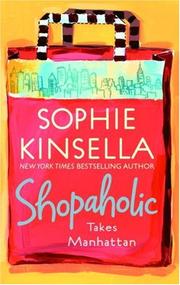
Shopaholic Takes Manhattan
Becky and Luke move to New York where shopping fame tempts her to ruin both.
2,025-word summary · 9 min read
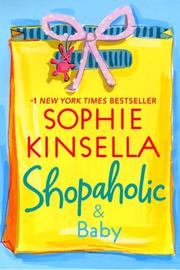
Shopaholic and Baby
Pregnant Becky shops for the perfect nursery while Luke's ex becomes her obstetrician.
2,247-word summary · 10 min read
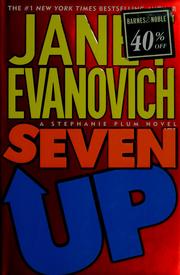
Seven Up
Stephanie hunts old mobster Eddie DeChooch, finds a body, a missing heart, and trouble from Morelli to Ranger.
2,798-word summary · 12 min read
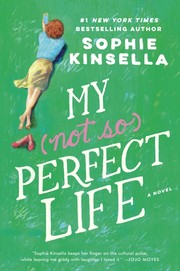
My Not So Perfect Life
Katie chases London creative life while her perfect boss Demeter hides cracks, until a farm trip flips roles.
2,300-word summary · 10 min read
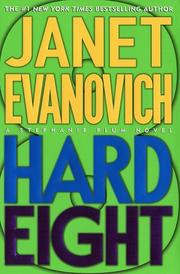
Hard Eight
Janet Evanovich's Hard Eight fully retold: a missing mother and child, Abruzzi's medal hunt, Valerie's rescue, and Ranger crossing a line.
2,961-word summary · 13 min read

When in Rome
A burnt-out pop star hides out in small-town Kentucky and falls for the grumpy pie-shop owner hiding her.
2,495-word summary · 11 min read
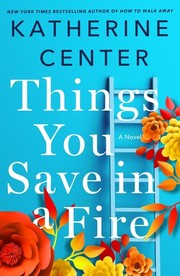
Things You Save in a Fire
A Texas firefighter takes a job at an old Boston-area firehouse and moves in with her estranged mother while facing hazing, old trauma, and love.
2,967-word summary · 13 min read
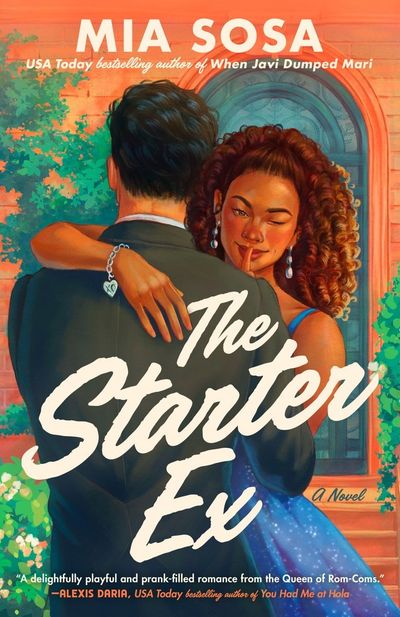
The Starter Ex
A retired bad-girlfriend-for-hire takes one last job and falls for the mark.
2,092-word summary · 9 min read
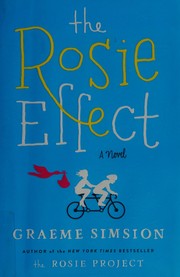
The Rosie Effect
Married in New York, Don Tillman turns Rosie's pregnancy into research and nearly loses her, until a crisis forces him to listen.
2,869-word summary · 13 min read

The Re-Do List
After a public breakup, Willow Lewis redoes her romantic firsts with her brother's best friend while dog-sitting in Des Moines.
2,390-word summary · 11 min read

The Night We Met
She picked the wrong ride home; now her best friend might be the right man.
1,981-word summary · 9 min read

Stuck with You
Sadie gets stuck in a New York elevator with Erik, the rival she blames for a lost client. A short, spicy STEM novella about rivalry and repair.
3,378-word summary · 15 min read

Our Ex's Wedding
A struggling wedding planner and a winery owner who share one heartbreaking ex must join forces to pull off that ex's big day.
2,200-word summary · 10 min read

One & Only
Matchmaker Cassia Park finds fated love for everyone but herself, until a 28-year-old fling and a new boss named Daniel Nam collide.
2,033-word summary · 9 min read
Just for the Cameras
A grumpy football star and a sunny flamingo keeper fake a romance for the cameras, then catch real feelings fast.
2,366-word summary · 11 min read