
Reading options
What's inside (9 sections)
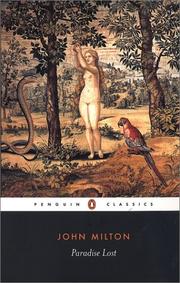
I picked up Paradise Lost because I kept hearing the same odd claim from readers I trust. Satan gets the best lines and almost steals the poem. That sounded wrong for a blind Puritan writing about the Bible, so I wanted to see for myself who actually carries this thing. John Milton first published it in 1667 with the printer Samuel Simmons, ten books and more than ten thousand lines of blank verse. The twelve book version most people read now came in 1674. I read the Penguin Classics edition edited by John Leonard, 512 pages, ISBN 9780140424393, with notes at the back that I used constantly.
Some background helps before the first line. Milton was in his late fifties, completely blind since about 1652, dictating the poem to helpers. He had served the Commonwealth government under Cromwell, written fierce pamphlets for the republic, and then watched the monarchy return in 1660. He was briefly in danger of arrest. That defeat sits inside the poem. It opens with an invocation, not to a classical muse exactly, but to the Heavenly Muse and the Spirit who inspired Moses on Sinai. Milton says plainly what he means to do, to justify the ways of God to men. That ambition is huge and, depending on your view, either brave or doomed. I found it useful to keep it in mind. Every strange scene later connects back to that promise.
A practical note. Read it slowly and, when you can, out loud. The sentences run long, with clauses packed inside clauses. Without notes I would have missed half the jokes and threats.
Waking up in Hell
Milton does not start with Adam and Eve. He starts after the disaster in Heaven, with Satan and his followers lying stunned on a burning lake. This is Book 1, and it is the reason the poem still gets talked about. Satan lifts his head, sees the waste around him, and starts talking. He speaks to Beelzebub, his second in command, and refuses to repent. The famous line comes early, when he says it is better to reign in Hell than serve in Heaven. I will not pretend the rest of the speech is simple. It is tangled and proud and hurt. But the drive is clear. He would rather rule a ruined place than accept a place under God.
What surprised me was how fast Satan builds a project out of ruin. He rallies the fallen angels. They pick themselves up, clank together their spears, and hold a kind of review on the plain of Hell. Milton compares their numbers to autumn leaves and to locusts, and the similes keep coming. Some readers find these epic comparisons slow. I mostly liked them, though a few run long enough that I forgot what they were comparing.
Then comes Pandemonium. The devils shrink themselves to fit inside a great hall they raise from the ground, with Mammon directing the mining of gold from Hell's soil. That detail stuck with me. Even in Hell, Milton's devils start digging for wealth and building. The great council in Book 2 is a set piece worth reading carefully. Moloch speaks first and wants open war, basically to fight again even if it means destruction. Belial answers with smooth talk for doing nothing, for hoping time will soften their pain. Mammon argues they should make the best of Hell, build it up, live free of God's demands. Beelzebub, speaking for Satan's plan, offers a new idea. There is a rumor of a new world and a new creature called Man. Instead of attacking Heaven directly, they can attack God's new creation by corrupting it.
Satan volunteers to go alone. That is presented as courage, and in story terms it is. Nobody else steps forward. On his way out he meets two figures guarding the gates of Hell, Sin and Death. Sin is described as a woman with a serpent lower half, born from Satan's own head back in Heaven, and pursued by hell hounds of her own making. Death is a shapeless dark shape who shakes his dart. Sin opens the gates because Satan is, in a twisted sense, her father and Death's father too. Satan then travels through Chaos, a churning region between Hell and the created world, bargaining with the figure called Chaos and Night for directions. This whole stretch, Books 1 and 2, reads like adventure writing. It moves fast. I understood at once why readers remember Satan best. He acts while everyone else debates.
What Heaven looks like from above
Book 3 lifts us to Heaven, and the tone changes hard. God the Father sits on his throne with the Son beside him, looking down at Satan flying toward the new world. God says Satan will corrupt Man, that Man will fall, but also that Man was made free and will be at fault. The Son offers himself as the price for human disobedience in the future. God accepts. Angels sing.
I will be honest. This scene left me cold on first reading, and many readers feel the same. God sounds like a king explaining policy. The Son sounds loving, but the exchange reads like a legal agreement more than a conversation. Milton needed it for his theology, which held that foreknowledge does not cause the Fall and that grace must answer disobedience. On the page, though, it lacks the heat of the Hell scenes. That imbalance feeds the old complaint that Milton sympathized with Satan against his own plan. I do not think that goes all the way. Later books show Satan rotting from the inside. But Milton gave Satan the better speeches early, and Heaven pays for it in reader affection.
The War in Heaven itself is told later, in Books 5 and 6, when the angel Raphael visits Adam and tells the story as warning. Lucifer, then still bright, grows jealous when God exalts the Son and demands worship. He draws a third of the angels after him with talk of liberty. Abdiel is the one angel who stands up to him in the council and walks out alone, and Milton treats him with real respect. The war lasts three days. On the first two, angels fight with swords that heal, with mountains torn up and thrown. It is wild and physical. On the third day, after Satan invents cannon and the loyal angels answer by throwing hills, the Father sends the Son out in a chariot. The Son drives the rebels to the edge of Heaven and they fall for nine days into Hell. Raphael tells this partly in martial style and partly in comedy, with cannon carved from hollowed plants. I laughed, then felt the point. Rebellion that copies Heaven's power only brings a louder defeat.
Raphael explains how the world was made
Books 7 and 8 slow down into teaching. Adam asks Raphael how and why the world was created, and Raphael answers with the six days of Creation. God sends the Son as maker, with angels watching, and the work unfolds in order. Light, the firmament, dry land and plants, sun and moon and stars, fish and birds, animals and finally Man. Milton follows Genesis but adds his own physics and pageantry. Angels sing at each stage. Hell trembles at the sound.
I liked these books more than I expected, though they test patience. Milton cared deeply about cosmology, and Raphael spends time on the spheres, the planets, how angels eat and love, how Adam should think about knowledge. Adam asks whether the stars really circle the earth each day, which sounds like a vast labor, and Raphael basically answers that God left such questions open and Adam should study what lies in front of him. Some of that lands as a brush off. But one idea in it stayed with me. Raphael warns Adam against letting curiosity pull him past obedience and love. Learn the world, he says, but do not let distant puzzles starve the life near you. Given what happens next, the warning reads as kind rather than cruel.
Adam also tells his own story in Book 8. He woke on the grass, looked up, learned speech quickly, named the animals, and felt alone among them. God put him to sleep and formed Eve from his side. Adam wakes, sees her, and speaks with open delight. Their marriage is presented as the center of Eden, with morning prayers, tended gardens, and talk with angels. Modern readers will notice, as I did, how often Adam lectures Eve and Raphael lectures Adam. Eve is called beautiful and gentle, Adam strong and contemplative, and the ranking is explicit. It reflects Milton's time and his church views, but it grates now. I kept that criticism in mind through the Fall chapters, because it shapes how the temptation plays out.
Eden before the break
Book 4 gives the first full view of Eden, and it is lovely. Satan leaps over the wall of Paradise, since the gates bar him, and lands as a cormorant on the Tree of Life to look around. Then Milton lets him speak alone on Mount Niphates, looking at the sun. Satan admits the sun is fair, admits God's goodness, admits he chose this misery himself. He says pride brought him down. For a moment he almost repents. Then he hardens again and decides revenge on Man is the only path left. That short swing, from honesty back to hate, tells you more about damnation in Milton than any sermon in the poem.
Eden itself is full of work and pleasure mixed. Adam and Eve garden without painful toil, eat freely except from one tree, pray at morning and evening, and entertain Raphael at their bower. Eve recounts a dream in Book 5 where a voice led her to the forbidden tree and she flew up to the clouds. Adam comforts her, Raphael warns them both, and angelic guards are set. Satan, caught as a toad whispering at Eve's ear, is found by Ithuriel and brought before Gabriel. He sneers, prepares to fight, then sees God's scales hung in the sky weighing his fate and flees. These night scenes have a spy story feel. Satan keeps changing shape, lion, tiger, toad, serpent, cormorant. He watches, flatters, waits.
The separation scene in Book 9 matters more than it first seems. Eve suggests she and Adam work in different parts of the garden to get more done. Adam resists, repeating Raphael's warning about danger while they are apart. Eve takes this as doubt about her faith and strength, and argues she should be allowed to face trial. Adam gives in. Critics argue endlessly about who is at fault here. I read it as both pride and love tangled together. Eve wants to prove herself. Adam wants to please her and also trusts reason will protect them. Neither motive is ugly on its own. Together they open the door.
The serpent, the fruit, and the long aftermath
The temptation is patient and specific, which is why it works as story. Satan enters the serpent, described as the subtlest beast, and finds Eve alone. He first gets her to listen by speaking, since beasts do not speak. Then he flatters her beauty and asks why such loveliness stays hidden. Eve is surprised but curious. Satan claims he gained speech and reason by eating from a certain tree, and invites her to look. He leads her to the Tree of Knowledge, praises its fruit, and piles argument on argument. God forbids it from envy, he says. The fruit will open her eyes and make her godlike. Death, if it comes, is only a change to something higher.
Eve pauses. Milton shows her thinking through hunger, beauty of the fruit, hope of knowledge, love for Adam. She eats. The ground groans, Milton says, and nature sighs. Eve then debates whether to tell Adam. She fears he will stay pure and she will die and be replaced, but she also says she loves him. She decides to share the fruit so they stay joined. Adam sees her fallen, drops the garland he made, and understands at once. His choice is the emotional center of the book for me. He says he cannot live without her. He eats knowingly, not tricked like Eve but choosing her over obedience. Milton calls it uxoriousness, loving a wife beyond right measure. That word is harsh, but the scene itself is tender and terrible. They fall into each other's arms.
What follows is not noble. They feel new lust, sleep heavily, wake ashamed, and sew fig leaves. Their talk turns to blame. Adam accuses Eve, Eve accuses the serpent, neither takes clean responsibility. The Son comes down in Book 10 to judge them, and here Milton softens Heaven. The Son speaks with pity, clothes them, and pronounces sentences. The serpent is cursed to crawl, Eve to pain in childbirth and subjection, Adam to labor on cursed ground until death. Meanwhile Sin and Death, feeling Satan's success, build a bridge from Hell to the new world and spread corruption. Satan returns to Hell expecting praise and finds himself and his followers turned to serpents hissing together. It is grotesque and fitting. His great victory gives him a serpent's body for a season.
Adam's despair after judgment is one of the strongest passages. He wishes he had stayed dust, calls himself miserable, fears passing sin to children, and fights bitterly with Eve. Eve answers with one of her finest speeches. She offers to take the blame, asks Adam to pray, suggests they remain childless to spare the future, or even that she die in his place. Adam rejects suicide but accepts repentance. They pray together. Readers who find Eve weak earlier should read this exchange closely. She is the first to turn toward mercy in plain words, and Adam follows her lead back to prayer.
Led out with the future in view
The last two books change shape. God sends Michael to expel Adam and Eve, but also to show them what comes next. Eve sleeps through part of it by mercy, while Adam watches a long vision of human history. Milton compresses the Bible and then some. Cain murders Abel. Disease, war, and tyranny spread. The flood comes. Nimrod builds Babel. Abraham, Moses, David, and the prophets pass. Then Christ arrives, lives, dies, rises, and founds the church, with a warning about corrupt clergy in later times. Some of this vision drags for modern readers. The flood and Nimrod sections, in particular, read like a chronicle. I sped up, then slowed again at the promise of the Seed who will bruise the serpent. That promise, made back in Genesis, is the hinge. Humanity will suffer, but evil will not have the last word.
Eve wakes, comforted by a dream of restoration. Michael tells them they must leave Eden but carries a gentler lesson than expected. Possess Paradise within, he says in effect, through faith, patience, temperance, and love. Adam understands something he missed before, that obedience learned through suffering can outweigh innocence that knew nothing. Then comes the ending I had heard about but still felt unprepared for. They walk out of Eden hand in hand, with the flaming sword behind them and the world wide before them. Milton does not give them triumph. He gives them tears, a Providence guiding them, and a choice about how to live.
That final image reframes the whole poem for me. Losing the garden matters, and learning to live outside it matters just as much. Adam and Eve leave slower than angels fly, Milton notes, and I liked that small physical detail. They are human now in a new way, heavy, sad, and together.
What drags and what lasts
Fair criticism belongs here, because this poem asks a lot. The syntax is dense. Sentences invert word order, pile Latin forms onto English, and expect you to hold the verb in mind for ten lines. The epic similes, comparing Satan's shield to the moon seen through a telescope, or his size to sea monsters, thrill at first and tire by the twentieth. Raphael's lectures on angels and astronomy can feel like sitting through lessons while Eden waits outside. God the Father, as noted, argues well but feels distant. And Eve's role will trouble many readers. She is tender, intelligent, and brave in repentance, yet the poem keeps placing her below Adam by nature. Call that seventeenth century belief if you like. It still shapes the Fall in ways worth naming.
Still, three things last for me. First, Satan's decay is drawn with care. He starts bright with defiance and ends hissing on the ground, then later schemes on. The poem lets evil talk well at first so its emptiness shows later. Second, Adam's grief after the Fall feels painfully real. His fear about children, his fights with Eve, his slow turn to prayer read like actual mourning rather than doctrine. Third, the blank verse itself carries weight. Even in hard passages the rhythm holds, and read aloud it sounds like thought under pressure.
Who should read it. Anyone who likes long stories about choice and consequence, anyone curious about how English poetry handles the Bible, anyone who wants to understand later writers from Blake to Pullman who answered back to Milton. If the full poem daunts you, try Books 1, 2, 4, 9, and 12 first. That path gives you Hell, Eden, the Fall, and the leaving. Then circle back for Raphael and the War. Use an edition with notes, mark the speeches you like, and let the slow parts be slow. Paradise Lost rewards that kind of reading more than almost any poem I know.
FAQ
When was Paradise Lost first published?
The first edition appeared in 1667, printed by Samuel Simmons in ten books. The revised twelve book text followed in 1674.
How should a first-time reader approach Paradise Lost?
Start with Books 1, 2, 4, 9, and 12 for Hell, Eden, the Fall, and the expulsion. Then circle back for Raphael's teachings and the War in Heaven.
Is Paradise Lost part of a series?
No. It stands alone, though Milton later wrote the brief sequel Paradise Regained about Christ resisting temptation.
Similar books
A Canticle for Leibowitz
After nuclear war, monks save books across centuries while the world rebuilds and falls again.
2,381-word summary · 11 min read
Faust, Part One
A restless scholar bets his soul against one perfect moment, then ruins an innocent girl in Goethe's 1808 verse tragedy.
2,568-word summary · 11 min read
Thus Spoke Zarathustra
A prophet comes down from ten years alone to preach the overman after the death of God.
1,983-word summary · 9 min read
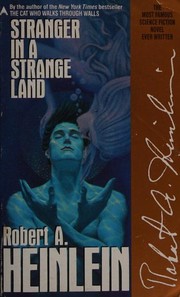
Stranger in a Strange Land
A Mars-raised man lands on Earth, learns religion and love, and founds a church that shocks everyone.
2,725-word summary · 12 min read
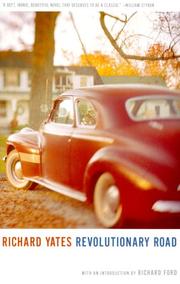
Revolutionary Road
A Connecticut couple who believe they are too good for the suburbs plan to move to Paris, and the plan slowly exposes everything they cannot say to each other.
2,085-word summary · 9 min read
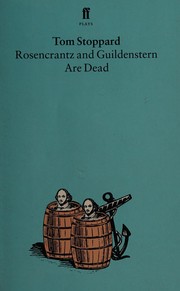
Rosencrantz and Guildenstern Are Dead
Stoppard's 1966 play retells Hamlet from the wings, where two minor courtiers wait, joke, and walk toward a death they cannot see.
2,021-word summary · 9 min read

Sophie's Choice
A young Southern writer in 1947 Brooklyn befriends a brilliant, unstable couple and slowly learns the story of the Polish Catholic woman at the center of their…
2,798-word summary · 12 min read

Fathers and Sons
Arkady brings the nihilist Bazarov home to his father's estate, and a generational argument turns into love, a duel, and an early death.
2,192-word summary · 10 min read

The Chosen
A shattered pair of glasses in a 1944 Brooklyn softball game starts a friendship between a Hasidic boy and his Orthodox neighbor, and their fathers pull them…
2,443-word summary · 11 min read
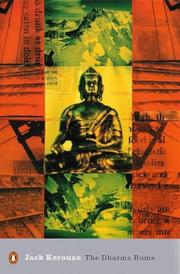
The Dharma Bums
Ray Smith rides freight trains, climbs Matterhorn Peak and argues about Zen with the poet Japhy Ryder in Kerouac's 1958 road novel.
2,729-word summary · 12 min read
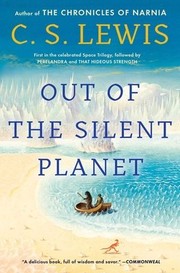
Out of the Silent Planet
A Cambridge philologist is kidnapped and taken to Mars, where the natives are civilized and the humans are the dangerous invaders.
2,612-word summary · 12 min read
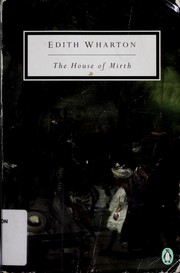
The House of Mirth
Lily Bart, beautiful and penniless at twenty-nine, navigates New York's marriage market until a Dorset yacht scandal strips her of the only currency she has.
2,468-word summary · 11 min read
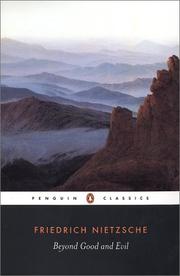
Beyond Good and Evil: Prelude to a Philosophy of the Future
A guide to Friedrich Nietzsche's Beyond Good and Evil: its attack on moral prejudice, the will to power, master and slave morality, and the philosopher of the…
2,597-word summary · 12 min read
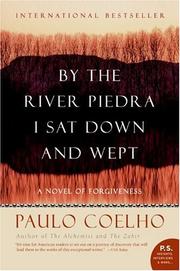
By the River Piedra I Sat Down and Wept
Pilar, 29, meets her childhood friend again in Madrid and finds a rumored miracle worker. One winter week through the Pyrenees to the river Piedra, and the…
2,845-word summary · 13 min read
The Fire Next Time
Baldwin writes his nephew and faith on race in America.
2,463-word summary · 11 min read
Leaves of Grass
Free verse songs of self, America, bodies and democracy.
2,240-word summary · 10 min read
God Is Not Great
Hitchens argues religion poisons life across history and texts.
2,545-word summary · 11 min read
The Heart is a Lonely Hunter
A deaf man becomes the quiet center for lonely souls in a small Georgia mill town.
2,000-word summary · 9 min read

The Fall
A fallen Paris lawyer confesses in an Amsterdam bar, tracing guilt from Paris success to a bridge he failed to face.
2,220-word summary · 10 min read
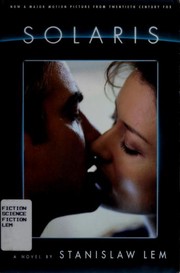
Solaris
Kelvin reaches a silent station above Solaris and finds grief made solid when the ocean returns his dead wife Rheya, testing memory, science, and the limits of…
2,548-word summary · 11 min read

One Day in the Life of Ivan Denisovich
One freezing day with prisoner Shch-854 in a Soviet camp: roll call, bricklaying in the cold, bread rations, and small wins that let Shukhov call the day…
2,668-word summary · 12 min read
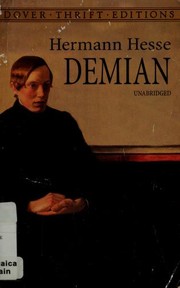
Demian
Hesse's 1919 German classic of Emil Sinclair, from Kromer blackmail to Demian, Abraxas, Beatrice and Frau Eva, ending in war: a short, strange guide to growing…
2,510-word summary · 11 min read
Brideshead Revisited
At Oxford Charles Ryder befriends Sebastian Flyte and falls into the Catholic Marchmain family, from Brideshead summers to Julia's affair and Lord Marchmain's…
2,353-word summary · 10 min read

The Island of Doctor Moreau
Shipwrecked Prendick finds Doctor Moreau shaping beasts into men by pain on lost island.
2,137-word summary · 9 min read
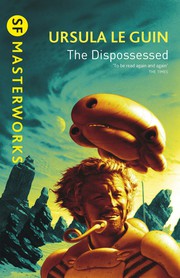
The Dispossessed: An Ambiguous Utopia
Physicist Shevek leaves anarchist Anarres for capitalist Urras to share time theory, finding walls both places.
2,288-word summary · 10 min read
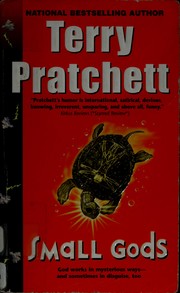
Small Gods
God Om trapped as a tortoise must convince novice Brutha to save Omnia from its own church.
2,063-word summary · 9 min read
Nausea
Historian Roquentin in Bouville catalogs dread as objects turn strange in Sartre diary novel.
2,134-word summary · 9 min read
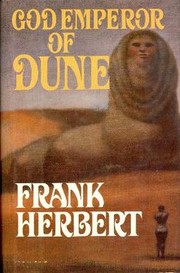
God Emperor of Dune
Worm god Leto II rules 3500 years to force humanity free through his Golden Path.
2,006-word summary · 9 min read
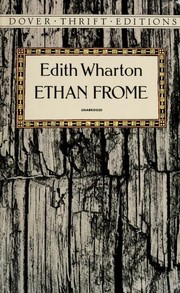
Ethan Frome
In snowy Starkfield, farmer Ethan Frome falls for his wife's young cousin Mattie, and one sled ride ends any hope of escape.
2,558-word summary · 11 min read
Aesop's Fables
Short animal tales of hares, foxes, ants, and wolves that still sting: old fables in plain modern English.
2,916-word summary · 13 min read