
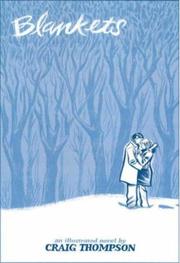
Blankets
2,586-word summary 11 min read 592 pages in the book
- First published
- 2003
- Publisher
- Top Shelf Productions
- Pages
- 592
- ISBN
- 9781891830433
Reading options
What's inside (8 sections)
I bought Blankets in winter because the cover looked cold. Two figures under a white quilt, snow dropping past a window, everything soft at the edges. I did not know much about Craig Thompson except that he had drawn a very thick autobiographical book published in 2003 by Top Shelf Productions, 592 pages, and that people either loved it without reservation or complained that it was too long and too fond of its own sadness. Both reactions made sense to me by the final page. I read most of it with a blanket over my knees while the heat clicked on and off, which felt almost too on the nose, and I kept stopping to look at the drawings of snow and blankets and hands.
Thompson tells his own story here, though he changes and compresses as memoirists do. He grew up with his younger brother Phil in Michigan and later Wisconsin, in a devout evangelical Christian home. Their parents were strict and loving in uneven measure. The boys shared a bed for years, fought under the covers, told stories to scare each other, and drew together. Drawing was not a hobby for Craig. It was the place where he felt competent and seen. That thread runs through all 592 pages and holds the sprawl together.
Two boys in one bed
The early chapters live in a small house in a snowy nowhere. Craig and Phil share a top bunk or a single bed depending on the move, kicking each other for space, pulling the blankets back and forth. Thompson draws these fights with slapstick energy that turns tender without warning. One panel they are wrestling, teeth bared, the next they are asleep back to back while snow piles against the glass.
Their parents loom large in these pages. His father is physical and quick to punish, his mother quieter, anxious to keep the home godly. There are scenes of scolding for stupid kid sins, of being sent to stand in a corner, of forced apologies. There are also scenes of genuine care: a mother sewing, a father working long hours, family prayers before meals. Thompson does not paint them as villains. He paints them as tired believers trying to raise good boys by rules that sometimes bruise.
School is a cold place in a different way. Bullies pick on Craig for being skinny and churchy and arty. An older boy humiliates him in front of others. A teacher who should intervene looks away. Phil, smaller but scrappy, gets his own share of shoves and taunts. The brothers protect each other in bursts, then turn and torment each other at home. Anyone who shared a room with a sibling will recognize the rhythm. Love and war use the same blanket.
Art enters early as refuge. Craig draws on notebook margins, on church bulletins, on any scrap. He copies cartoon figures, then invents his own. A kindly teacher praises a drawing and he glows for days. Phil draws too, often funnier and stranger, and Craig feels both proud and threatened. That mix never quite leaves. Even as an adult looking back, Thompson admits he measured himself against his brother's ease.
The winter itself is a character. Thompson draws Michigan snow the way other artists draw oceans, vast white fields with black tree lines, breath visible, boots squeaking. Blankets, quilts, coats, and tents of sheets become shelters inside the cold. The title works on every level. A blanket warms, hides, muffles sound, and can be yanked away.
Church camp and Raina
The heart of the book is first love. As teenagers, Craig and Phil go to a Baptist church camp in the woods. Craig is gangly, guilty about his body, convinced he is failing God by thinking about girls. Then he meets Raina.
Raina is a year or so younger, bright, artistic, fond of poetry, stuck caring for younger siblings and an adopted brother with special needs while her parents' marriage falls apart. She draws. She writes. She laughs in a way that makes Craig feel less alone in his head. They meet at camp, trade notes, stay up talking, hold hands with the solemn intensity only teenagers can sustain.
What follows is one of the longest courtships in comics. Letters for months. Doodles in margins. Mixtapes implied if not shown. Phone calls monitored by parents. Then Raina invites Craig to visit her family for two weeks during a school break, staying in her house with her parents' permission under church approved rules. He rides a bus through snow to see her. Thompson stretches the bus ride for pages, the white fields blurring, Craig rehearsing what to say.
The visit is drawn as a sealed world. They sleep in separate rooms but spend every waking hour together. They walk in snow. They babysit her siblings. They draw side by side. They touch cautiously, then less cautiously. They fall asleep together on a couch under a quilt while a younger kid watches cartoons nearby. Thompson renders skin and cloth with unusual care for a young artist. Hands almost touch, then do. A blanket slides. The eroticism is real but never crude. It feels like memory, heightened and softened at once.
Two scenes from that visit stayed with me. In one, they build a blanket fort and hide inside with flashlights, drawing each other and talking about God and the future. The outside world, with its chores and parental fights, goes muffled. In another, they walk to a frozen waterfall and stand behind the ice, the world warped blue. Raina says something plain about feeling safe, and Craig realizes he has never felt that way with anyone outside Phil. Thompson lets the image carry the feeling rather than explaining it, which is when the book is at its best.
Raina's home life leaks in around the edges. Her parents fight behind closed doors. Her mother leans on her too hard. Her father drifts. Money is tight. Her younger sister and brother need constant care. Craig tries to help and mostly gets in the way, washing dishes wrong, losing a mitten, saying the wrong prayer at dinner. His uselessness is funny and sad. He wants to rescue her and cannot even find the extra blankets without asking.
Faith starts to tear
Threaded through the romance is a slow break with church. Young Craig believes fiercely. He goes to youth group, sings with his eyes closed, fears hell with literal dread, asks forgiveness for thoughts he cannot stop having. He listens to sermons about purity and the rapture and tries to shape himself to fit. Phil believes too, in a plainer, more obedient way that makes Craig feel both superior and fake.
Camp is where the tear starts, oddly, because camp is where faith felt strongest. Surrounded by singing and bonfires, Craig feels God clearly. Back home, the feeling fades and guilt rushes in. He masturbates and prays for forgiveness. He sketches a girl from school and tears up the page. He wants to be good and wants to be touched and cannot make those wants fit inside what he was taught.
Youth group scenes show the pressure from outside. A leader tells the boys that secular music opens doors to sin. Another warns that dating unbelievers leads to ruin. Craig nods along while hiding his letters from Raina. He starts to notice how much of church life runs on shame. Kids confess to crying leaders. Adults trade stories of past sins as warnings. Everyone watches everyone else for signs of sliding.
The break is not a single argument. It is a series of small refusals. He skips a meeting to draw. He questions a verse about women covering their heads and gets shut down. He watches his parents use scripture to end a discussion rather than open one. He reads the Bible alone and finds passages about love that seem at odds with the threats he hears on Wednesday nights. By the time he leaves for the visit to Raina's, he is already half gone. By the time he returns, he has stopped pretending.
Thompson is gentle with believers here, which I appreciated. He never mocks the kids who stay, including Phil for a long stretch. He shows what church gave him: songs that still move him, a moral seriousness, a sense of being part of a story. His complaint is not that faith is stupid. It is that the version he was handed left no room for a body, for doubt, for art that was not propaganda. Leaving feels like stepping out of a warm house into snow. Relief and exposure at once.
Drawing as a way out
While love and faith tangle, art becomes the exit path. Craig works after school jobs he hates, including time at a store and manual labor that leaves his hands raw. He applies to art schools and worries about money. His parents worry louder. Art looks like vanity to them, or worse, a door to pride and worldly influence. His father in particular wants a practical trade, something with a paycheck and a clear boss.
Thompson shows the grind without self pity. Late nights at a desk under a cheap lamp. Rejected applications. A teacher who says his figures are stiff. Hours spent inking the same hand until it looks right. He quits a job selling or stocking to draw more, then panics about rent. He considers advertising work that would pay but feels like betrayal. Phil watches all this with a mix of awe and irritation, because Craig's escape highlights Phil's stuck place at home.
There is a lovely run of pages where adult Thompson intercuts his younger self learning to crosshatch with his memory of quilting with his mother. Stitch after stitch, line after line. Faith, craft, and maternal care rhyme visually. Quilts in the book are made of scraps, saved and pieced. Drawings are made the same way, out of remembered scraps. The parallel is plain but earned because Thompson draws it rather than stating it. You see the needle and the pen move the same way.
Parents remain complicated to the end. His mother sews a quilt for him to take when he leaves. His father helps load a car and says little. Neither understands the book he will one day make about them, and Thompson knows it. He includes a scene where he imagines their hurt and flinches. That honesty steadies the memoir. He is not settling scores. He is trying to record how love and control braided together in his house.
The last quilt
The romance does not survive adulthood, and Thompson does not pretend otherwise. After the two week visit, Craig and Raina try to keep the fire lit by letter and phone, but distance and different wounds wear them down. Raina pulls back. Her family needs her. Her faith stays while his slips. Her depression, hinted at early, deepens. Craig clings, writes too much, calls at bad times, visits once more with diminishing ease.
Their final parting is quiet, which makes it hurt more than a blowup would. A walk. A bench. Snow turning to slush. Raina says she needs space, or time, or a different life; the exact words matter less than her tired face. Craig argues, then stops. They hug under a coat. He rides home. Thompson draws the return bus as empty and gray, the opposite of the bright ride out. Anyone who has taken that ride will feel sick in sympathy.
Back home, Craig and Phil share a bed one last time as older teens, too big for it, laughing about how their feet hang off. They fight under the covers out of habit, then lie still. Phil asks if Craig still believes. Craig says he does not know. Phil says he does, for now. The scene could have been maudlin. Instead it feels true to how brothers talk, in fragments while staring at a ceiling.
The closing movement jumps to adult Craig as a working artist, living cheap, drawing late, thinking about Raina while snow falls outside a different window. He keeps a quilt she gave him or one tied to her; the object matters less than what he does with it. He wraps himself in it, remembers the fort, the waterfall, the couch, then folds it and puts it away. Not thrown out. Not worshiped. Stored. He calls or writes Phil. He draws. The final images return to blankets as both comfort and cover, things we pull over ourselves and things we must eventually push aside to get up.
Thompson ends without a moral banner. He does not say church was poison or first love was salvation or art fixed everything. He says he was a boy who wanted God and a girl and a pen, that he lost the first two in the forms he was given, and that the third let him keep the loss without lying about it. That restraint gives the last pages their gravity.
What glows and what drags
The glow is easy to name. Thompson draws touch, cloth, snow, breath, and hair with a tenderness few comics match even now. A blanket fort has never looked so safe. A held hand has never carried so much plot. When he stays in image led storytelling, letting faces and weather do the work, the 592 pages feel justified. The winter middle that some readers call slow worked for me as atmosphere. Cold stretches time. So does adolescence.
The drag is real too. At close to six hundred pages, the book repeats certain loops. Another youth group warning. Another guilty prayer. Another letter that says I miss you in different ink. A firmer edit could have cut fifty pages without losing meaning. The middle sags where Craig and Raina are apart and Thompson fills space with interior monologue rather than scene.
Raina herself is idealized. Thompson admits his memory is colored, but for long stretches she reads as a perfect sad girl who exists to awaken him: artistic, wounded, available, then gone. Her family labor, her own ambitions beyond comforting Craig, her reasons for stepping back, all get less room than his longing. I wanted one chapter from her point of view, or at least a scene where Craig truly hears her limits instead of translating them into his loss. The book gestures at that critique near the end but does not sit with it long.
Faith, too, stays a bit vague. We see rules and shame and campfire warmth, but less of theology or community aid. A reader who lived that tradition may want more specifics about doctrine, pastors, or the economic facts that kept his family in that church. Thompson gives feeling over system, which suits a memoir about adolescence but leaves the break slightly misty. He left because he needed air. That is true and also incomplete.
None of that undid the book for me. Blankets remains one of the rare memoirs that shows how a body learns what a mind cannot yet admit, through cold feet, shared beds, held hands, and quilts sewn from scraps. Thompson published it with Top Shelf Productions in 2003, and its size, 592 pages, still feels like part of the point. Growing up takes a long time and looks repetitive from inside. When I closed it, my apartment was quiet, the heat had cut out again, and I sat a while before folding my own blanket. That pause felt like the correct review.
FAQ
Who is Raina in Blankets?
She is his first love from Baptist church camp, an artistic girl weighed down by family care, with whom he spends two intense weeks that later fade.
How does Craig lose his faith?
Through youth group shame, guilty prayers, skipped meetings, and Bible reading that clashes with church rules, until leaving feels like cold exposure and relief.
Does the book end with a clean break from the past?
No. Thompson keeps it as stored memory, folding the quilt away rather than discarding it, while he keeps drawing and stays tied to Phil.
Similar books
Fun Home: A Family Tragicomic
Alison Bechdel's graphic memoir about her father, their shared secrets, and the funeral home they called Fun Home in rural Pennsylvania.
2,755-word summary · 12 min read
Heartstopper: Volume Three
Nick and Charlie test honesty on a Paris trip while friends face exams, outings, and eating-disorder strain.
2,355-word summary · 10 min read

What Happened to Goodbye
Mclean has reinvented herself in four towns since her parents divorced. In Lakeview she uses her real name, and for the first time staying put becomes a choice.
2,796-word summary · 12 min read
Brown Girl Dreaming
Jacqueline Woodson retells her childhood in verse, moving from Ohio to South Carolina to Brooklyn while the civil rights movement reshapes the world around her.
2,727-word summary · 12 min read

Dumplin'
Willowdean Dickson enters her town's beauty pageant as a protest and discovers that confidence is harder to keep once she lets someone close.
1,922-word summary · 9 min read

Infidel
Ayaan Hirsi Ali's memoir of a Somali childhood, a forced marriage, a Dutch asylum claim, and the political fight that followed the murder of Theo van Gogh.
2,041-word summary · 9 min read

Ms. Marvel, Vol. 1: No Normal
Kamala Khan, a Jersey City teenager and Carol Danvers fan, gains shapeshifting powers and has to decide what kind of hero she wants to be.
2,579-word summary · 11 min read

The Chosen
A shattered pair of glasses in a 1944 Brooklyn softball game starts a friendship between a Hasidic boy and his Orthodox neighbor, and their fathers pull them…
2,443-word summary · 11 min read
The Second Summer of the Sisterhood
Four friends share the traveling pants through a summer of grandmothers, first loves, and mothers who are learning to let go.
2,209-word summary · 10 min read

Aristotle and Dante Dive into the Waters of the World
Ari and Dante return for senior year in El Paso, navigating first love, AIDS, family grief, and the cost of being openly gay in 1987 Texas.
2,188-word summary · 10 min read
American Born Chinese
Three stories, a monkey king, a Chinese-American boy and a sitcom cousin, converge in a graphic novel about shame, assimilation and learning to accept yourself.
2,107-word summary · 9 min read

Someone Like You
Halley and her best friend Scarlett face a summer of grief, a surprise pregnancy, and Halley's dangerous first romance in Sarah Dessen's 1998 young adult novel.
2,218-word summary · 10 min read
Paper Girls, Volume 1
Four paper girls in 1988 Ohio chase a stolen walkie-talkie into a basement and stumble into a time war, flying dinosaurs, and an older version of themselves.
2,235-word summary · 10 min read
By the River Piedra I Sat Down and Wept
Pilar, 29, meets her childhood friend again in Madrid and finds a rumored miracle worker. One winter week through the Pyrenees to the river Piedra, and the…
2,845-word summary · 13 min read

Loveless
Georgia starts university sure she wants love, then learns she is aro-ace.
2,539-word summary · 11 min read
I Capture the Castle
Cassandra journals six months of love and money trouble in a castle.
2,402-word summary · 11 min read
Ham on Rye
Henry Chinaski grows up rough in Depression Los Angeles and finds writing.
2,244-word summary · 10 min read
The Prince and the Dressmaker
A Paris prince hides a love of gowns and hires a young seamstress, and together they risk his crown for one dazzling season.
2,582-word summary · 11 min read

Since You've Been Gone
Shy Emily spends summer finishing her vanished best friend Sloane list of thirteen dares, finding Frank, Dawn, and courage.
2,566-word summary · 11 min read

Blue Like Jazz
Donald Miller leaves youth group faith in Texas for Portland and Reed College, where a confession booth and shared house life reshape his view of Christian…
2,366-word summary · 11 min read
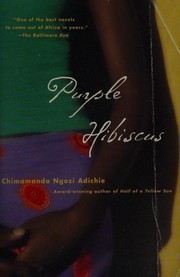
Purple Hibiscus
Kambili, fifteen, watches her devout factory-owner father rule the Enugu house through fear until a Nsukka visit teaches her speech and freedom.
2,595-word summary · 12 min read

Lore Olympus: Volume One
Sheltered Persephone meets lonely Hades at an Olympus party, and gossip, old trauma, and new power test their slow bond.
2,283-word summary · 10 min read
Lola and the Boy Next Door
Costume maker Lola must choose between older Max and inventor Cricket while her two dads hold home steady.
2,045-word summary · 9 min read
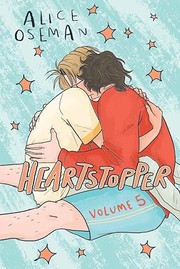
Heartstopper: Volume Five
Nick and Charlie face exams and university distance while holding on.
2,057-word summary · 9 min read
A Portrait of the Artist as a Young Man
Stephen Dedalus grows from schoolboy to exile choosing art over church and nation.
2,072-word summary · 9 min read

A Million Kisses in Your Lifetime
A rule following senior trades tutoring with a bad boy heir for chosen firsts.
2,125-word summary · 9 min read

Anne of the Island
Anne leaves Avonlea for Redmond College, shares Patty's Place with friends, and learns to tell admiration apart from love.
2,766-word summary · 12 min read
The Complete Persepolis
Satrapi's full black and white memoir in one volume, from revolution era Tehran through Vienna exile and back home again.
2,498-word summary · 11 min read

Fruits Basket, Vol. 1
An orphaned teen moves in with a cursed family who turn into zodiac animals, and slowly finds where she belongs.
2,284-word summary · 10 min read