
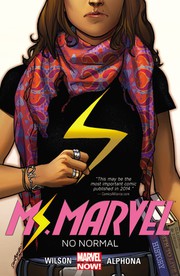
Ms. Marvel, Vol. 1: No Normal
2,579-word summary 11 min read 120 pages in the book
- First published
- 2014
- Publisher
- Marvel
- Pages
- 120
- ISBN
- 9780785190219
- Series
- Ms. Marvel (#1)
Reading options
What's inside (9 sections)
The first time you see Kamala Khan in this collection, she is not doing anything heroic. She is in the Circle Q, a Jersey City convenience store, half listening to her friend Nakia and half watching Zoe Zimmer walk in with Josh Richardson. Zoe is the kind of girl who makes a room reorganize itself around her. Kamala is the kind of girl who notices, and then says something sarcastic about it.
This volume collects the first five issues of G. Willow Wilson and Adrian Alphona's Ms. Marvel, published by Marvel in 2014. Kamala is sixteen, Pakistani-American, Muslim, and a fan fiction writer who is constantly negotiating how much of her life she gets to keep. The plot kicks off with a bad decision about a party, and the rest is the fallout.
A Friday night, a party, and a fog off the river
Josh invites Kamala and Nakia to his party while Zoe stands nearby, and Kamala says no before she can stop herself. At home, the no is not really hers to give. Ammi wants her at dinner. Abu wants to know why she is asking about a party with boys. Her older brother Aamir is pious in a way that makes him both an ally and a nuisance. When Kamala pushes, Abu loses his temper and sends her to her room. So she climbs out the window.
The party is on the waterfront, loud and bright and full of kids who know how to be at a party. Kamala does not. Bruno Carrelli, who works at the Circle Q and has been her best friend for years, spots her and tells her to go home. He is right, and smug about it, and she storms off.
Then the fog comes in. It rolls off the Hudson, thick and strange, and everybody on the pier starts coughing and running. This is the Terrigen mist, drifting around the Marvel universe since Attilan came apart, though nobody in Jersey City knows that yet. Kamala is swallowed by it, and inside the fog she sees the Avengers: Captain America, Iron Man, and Carol Danvers, the former Ms. Marvel who now goes by Captain Marvel. They ask what she wants. She says she wants to be like Carol. Tall, blonde, powerful, sure of herself, the kind of woman who walks into a room and does not have to explain anything.
When the mist clears, she is. Or she looks like it. She is standing on the pier in Carol's old black costume, with Carol's hair and Carol's boots, and she feels like the person she has been imagining. The book takes that fantasy seriously, then spends the rest of its pages taking it apart.
Waking up as someone else
Issue two is the morning after, and it is a mess in the best way. Kamala's body keeps flickering between the Carol form and her own face. The powers are polymorphic: she can stretch, shrink, and make her hand enormous. None of it is graceful, and the book is honest about how embarrassing that would be.
She is still near the party when Zoe ends up in the Hudson. Josh, dancing badly and drunk, knocks her off the pier. Kamala does not think it through. She reaches out with a hand the size of a car and fishes Zoe out, and a crowd sees a blonde woman in a costume do it. Then she runs home, climbs through her window, and finds Abu and Ammi waiting up. She is grounded before she has processed what she did.
The rescue is the first time the book shows what it wants from her. Kamala does not save Zoe because Zoe is nice to her. She saves her because she is there and Zoe is drowning. It lands because Zoe feels like a real person, not a mean-girl stereotype.
The side entrance
Issue three is where the volume stops being a superhero origin and becomes something more specific. The rescue is on the local news, and Zoe is already milking it, telling a reporter that she learned about "being responsible and helping people and stuff." Kamala watches with a spoon of cereal halfway to her mouth, horrified and thrilled. Then Aamir drags her to Saturday youth lecture at the mosque.
The mosque scene is the best-written sequence in the book. Sheikh Abdullah is giving the usual lecture about boys and alcohol and temptation. The girls are separated from the boys by a partition, and Kamala, who has other things on her mind, keeps talking. When the sheikh scolds her, she asks why the women have to use a side entrance and sit behind a partition when the Prophet's mosque in Medina did not work that way. He gives her a rote answer. Nakia gets fed up and walks out, and Kamala follows.
That argument is not resolved. The book does not make the sheikh a villain, and it does not make Kamala a symbol of perfect progressive Islam either. She is a girl who loves her community and is annoyed by it, which is more honest than either easy position.
The rest of the issue is a countdown. Kamala goes back to school, still not speaking to Bruno because he told her parents about the party. Her powers act up in class, and she hides in the locker room and experiments. She grows too big, wrecks a bench and part of the ceiling, and gets detention. Zoe holds court in the hallway with an embellished version of her rescue. By the time Kamala walks into the Circle Q after school, she is tired, angry, and not thinking clearly.
Which is when Vick, Bruno's younger brother, pulls a gun on Bruno behind the counter. Vick is not a supervillain. He is a small-time screwup with a bad attitude and a crew he is trying to impress. Kamala changes into Ms. Marvel and grabs him with a giant hand, and for a second she feels like she has done something good. Then the gun goes off. The issue ends with blood on the costume and Bruno staring at her.
Bruno, the burkini, and the name
Issue four begins with the least heroic aftermath imaginable. Vick is yelling. Bruno is panicking. Kamala is bleeding on the floor of a convenience store, and the only reason she survives is that she can turn back into her own body and let it heal. The rule is established quickly: her powers can fix damage, but only when she stops pretending to be someone else. It is a neat piece of mechanics and a better metaphor than the book ever makes explicit.
She tells Bruno the truth. He is hurt that she did not tell him sooner, which is a very teenage reaction and also a little unfair, and the book lets him be both. He gives her a sleep mask to cover her face when the police arrive. It is a joke and the first piece of a costume. When the cops ask where Ms. Marvel is, Kamala says she is Ms. Marvel. The cop says she does not look like Ms. Marvel. Tall, blonde, that sort of thing. Kamala says she has big powers and grows several feet, and the cops decide to leave.
That scene is the heart of the volume. Kamala has a body that can look like her idol, and she chooses, in front of witnesses, to be a short brown girl in a mask instead. The name is Carol's. The look is not.
The costume comes together in the same issue. Kamala asks Ammi where her old burkini is, the one she swore she would never wear. Ammi is suspicious, then gives in. Kamala cuts and sews it into something she can move in, and Bruno's experimental polymer, a stretchy fabric treatment he has been working on for his college application, holds up when her body changes size. The book calls it "super snot" at least once, which is the correct amount of respect for a teenage boy's invention.
Then she goes looking for Vick. He has fallen in with a crew that talks about someone called the Inventor, and the crew's hangout is an old house full of bug-like robots and teenagers in over their heads. Kamala ties up two lookouts with zip ties, smashes the robots, and finds Vick. Then a kid named Doyle appears with a laser and a bad attitude, and the issue ends with her outnumbered.
The fight she runs away from
Issue five opens in the middle of that fight, and the first thing Kamala does is lose. Doyle's laser is better than her improvised stretching. The other kids are not trained, but there are more of them, and Vick keeps yelling unhelpful commentary. Kamala realizes she is not going to win and runs. It is a scared kid making the smart choice, and the book treats it as a choice rather than a failure.
She gets home, and her body wants calories. Healing and growing have burned through everything she ate, so she stands in the kitchen at two in the morning eating anything she can find. Ammi catches her. There is yelling. There is the specific horror of being a teenager who has disappointed a parent and cannot explain why. Then Abu steps in, calmer than he was in the first issue, and tells her the story of her name. He explains what Kamala means and why they chose it, and the point is that she does not have to be anyone else's idea of perfect.
That conversation is the turn. Kamala calls Bruno. He gives her the polymer, and she spends a page or two training, testing her limits, learning how to be big without falling over and small without getting lost. She sews the gold lightning bolt onto the burkini. The costume is finished, and it looks like her.
The fight she comes back for
The rematch is quicker than the first fight, which is the right call. Kamala goes back to the hideout with a plan, and the plan is mostly confidence and a better understanding of her own body. She gets the laser away from Doyle, hits him where it counts, grabs Vick, and gets out. The victory is partial. Vick is safe, but the crew is still out there, and the Inventor is still a name that makes people nervous.
A few days later, the Circle Q reopens after the robbery, and there is a Ms. Marvel effigy hanging outside with a note: "THE BIRDMAN COMETH." The Inventor has noticed her. Kamala, in costume, tells the crowd that she is not going anywhere and that Jersey City will not be intimidated. It is her first public act as a hero, and it is deliberately small: a speech outside a corner store, to neighbors.
The last page reveals the Inventor himself, a birdlike man in a suit, and the volume ends there. The actual confrontation is saved for later issues, which is either smart long-form pacing or a cheat, depending on how much you wanted a villain.
What the book gets right, and where it stumbles
The biggest thing this volume gets right is the scale. Kamala's first rescue is a girl who bullies her. Her first villain is a kid with a laser and a bad crew. A neighborhood hero should have neighborhood problems, and the book resists the urge to blow everything up into an Avengers-level event.
The second thing it gets right is the family. Abu is not a cardboard patriarch. He is scared of the new Kamala, and he says so, and then he tells her a story about her name that is genuinely tender. Ammi is strict and funny and exhausted. Aamir is a little ridiculous, but he shows up for his sister. The kitchen scene in issue five, where a superhero's healing factor turns into a teenager eating everything in the fridge, is the whole series in miniature.
The supporting cast is specific in a way that most origin stories are not. Bruno is a science kid with a crush, a moral compass that occasionally points the wrong way, and a brother who is actively ruining his life. Nakia has her own opinions about the mosque and does not exist just to support Kamala. Zoe is self-absorbed and then genuinely shaken by being saved.
The powers are also a smart choice. Stretching and shrinking and changing shape are not cool in this book. They are awkward and bodily, sometimes gross. Kamala wrecks a locker room. She gets shot. She has to turn back into herself to heal. The book never lets the powers feel like a clean upgrade, which is why the puberty metaphor works without the book announcing it.
Where the volume stumbles is the villain. The Inventor is a silhouette and a threat for almost the entire book. The actual antagonist is Doyle, a teenager with a laser, and he is not interesting enough to carry the final fight. Readers who want a strong antagonist will finish feeling like they read a prologue.
The final act is also rushed. Kamala loses, runs home, has a cry, gets a pep talk, trains, and wins in the space of one issue. The emotional turn with her father is good enough to carry it, but the plotting is thin. The training and the turnaround could have been spread across the arc instead of crammed into the last chapter.
There is also a structural withholding that will bother some readers. The book never explains what the mist is, why Kamala has powers, or what an Inhuman is. Medusa, Lockjaw, and Wolverine are not in these five issues. Kamran, the charming Inhuman who becomes a love interest and then a betrayer, is not here either; he turns up much later in the run. This is the origin of a girl, not the origin of a mythology.
The art is a strength, with one caveat. Adrian Alphona draws Jersey City as a place with clutter and weird signage and people who look like they actually live there. The visual gags, the cereal boxes, the way Kamala's powers look rubbery and uncomfortable, all of it gives the book a texture a cleaner house style would lose. The faces are caricatured, and the lettering of Ammi's accent is a dated choice that some readers will find distracting.
None of that stops the volume from being one of the better superhero origin stories of its era. It won the 2015 Hugo Award for Best Graphic Story, hit the New York Times graphic books list, and picked up Eisner nominations for Wilson and Alphona. The costume is homemade. The name is borrowed and then claimed. The first victory is a rescue, not a conquest. Kamala does not become a different person when she puts on the mask. She becomes a person who is allowed to act like herself in public.
That is why the book still works. It is funny, specific, and willing to let its hero be bad at things. If you want a fast, villain-driven superhero comic, this will feel like a slow prologue. If you want a story about a girl, her family, her mosque, her friends, and a city that keeps underestimating her, it is hard to beat. The birdman can wait.
FAQ
Do I need to know anything about Marvel comics first?
No. The volume is a clean origin story and explains the Terrigen mist and Inhumans only as much as Kamala needs. Familiarity with Carol Danvers helps but is not required.
How many issues does No Normal collect?
It collects Ms. Marvel (2014) issues 1 through 5, plus material from All-New Marvel Now! Point One.
Is Ms. Marvel appropriate for younger readers?
It is generally recommended for teens. There is violence, a shooting, and some teen partying, but the tone is humorous and the focus is on family and identity.
Similar books
More from Ms. Marvel first, then related titles.
American Born Chinese
Three stories, a monkey king, a Chinese-American boy and a sitcom cousin, converge in a graphic novel about shame, assimilation and learning to accept yourself.
2,107-word summary · 9 min read
The House of the Scorpion
A clone raised in a drug lord's poppy fields learns what he was made for and chooses what to do with the life he was given.
2,527-word summary · 11 min read
The False Prince
A nobleman buys four orphans and tells them only one will survive to impersonate the missing prince. The narrator, a defiant thief named Sage, has other plans.
2,044-word summary · 9 min read
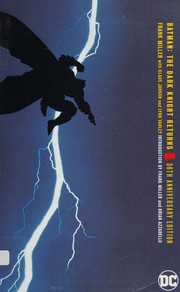
Batman: The Dark Knight Returns
A 55-year-old Bruce Wayne ends ten years of retirement to face gangs, the Joker, and Superman.
2,249-word summary · 10 min read
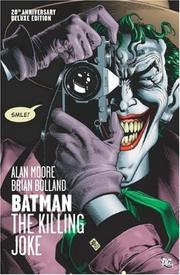
Batman: The Killing Joke
The Joker shoots Barbara Gordon and tortures Jim Gordon to prove madness is one bad day away from anyone.
2,016-word summary · 9 min read
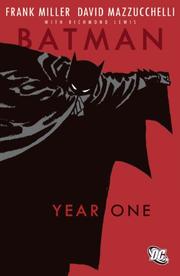
Batman: Year One
Honest cop Gordon and returning Bruce Wayne start at the bottom of rotten Gotham in endless rain.
1,993-word summary · 9 min read
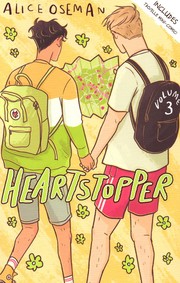
Heartstopper: Volume Three
Nick and Charlie test honesty on a Paris trip while friends face exams, outings, and eating-disorder strain.
2,355-word summary · 10 min read

What Happened to Goodbye
Mclean has reinvented herself in four towns since her parents divorced. In Lakeview she uses her real name, and for the first time staying put becomes a choice.
2,796-word summary · 12 min read

The Idiot
A Turkish-American freshman at Harvard falls in love through email with a Hungarian math student and spends a summer in Hungary trying to turn correspondence…
2,019-word summary · 9 min read
Love Letters to the Dead
A fifteen-year-old writes letters to dead artists because they cannot ask questions, and slowly tells the one story she has been hiding about her sister's…
2,520-word summary · 11 min read

Anya's Ghost
A lonely Russian immigrant falls into a well, befriends the ghost trapped there, and discovers that the ghost's help comes with a dangerous price.
2,001-word summary · 9 min read

Dumplin'
Willowdean Dickson enters her town's beauty pageant as a protest and discovers that confidence is harder to keep once she lets someone close.
1,922-word summary · 9 min read

Starsight
Spensa Nightshade goes undercover aboard the Superiority space station Starsight to steal a hyperdrive, and finds a frightened bureaucracy where she expected…
2,568-word summary · 11 min read
The Second Summer of the Sisterhood
Four friends share the traveling pants through a summer of grandmothers, first loves, and mothers who are learning to let go.
2,209-word summary · 10 min read
On the Come Up
Bri Jackson, a sixteen-year-old rapper in Garden Heights, chases a record deal while a viral song turns her into a symbol she never wanted to be.
2,034-word summary · 9 min read

In the Hand of the Goddess
Alanna, still disguised as a boy, survives war, court plots, and a death duel as the Goddess's chosen warrior in the second Song of the Lioness book.
2,018-word summary · 9 min read

Aristotle and Dante Dive into the Waters of the World
Ari and Dante return for senior year in El Paso, navigating first love, AIDS, family grief, and the cost of being openly gay in 1987 Texas.
2,188-word summary · 10 min read
Switched
A Minnesota teenager who can make people obey her discovers she is a changeling troll princess, and the hidden kingdom she came from wants her back.
2,131-word summary · 9 min read

Someone Like You
Halley and her best friend Scarlett face a summer of grief, a surprise pregnancy, and Halley's dangerous first romance in Sarah Dessen's 1998 young adult novel.
2,218-word summary · 10 min read
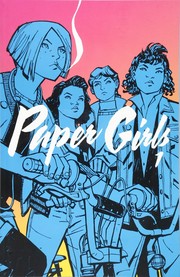
Paper Girls, Volume 1
Four paper girls in 1988 Ohio chase a stolen walkie-talkie into a basement and stumble into a time war, flying dinosaurs, and an older version of themselves.
2,235-word summary · 10 min read
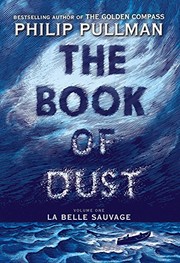
La Belle Sauvage
Philip Pullman's prequel to His Dark Materials follows eleven-year-old Malcolm Polstead as a secret message, a hunted baby, and the flood of the century carry…
2,530-word summary · 11 min read

Clap When You Land
Two half sisters, one in Sosúa and one in Queens, discover each other after their father dies in a plane crash, in Elizabeth Acevedo's novel in verse.
2,890-word summary · 13 min read
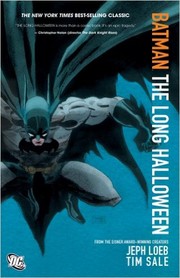
Batman: The Long Halloween
Batman, Jim Gordon, and Harvey Dent hunt a serial killer who strikes on holidays, from Halloween to Halloween, in the noir epic that carries Harvey Dent toward…
2,041-word summary · 9 min read
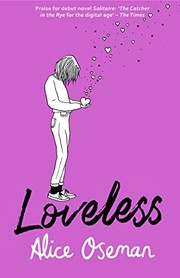
Loveless
Georgia starts university sure she wants love, then learns she is aro-ace.
2,539-word summary · 11 min read

Since You've Been Gone
Shy Emily spends summer finishing her vanished best friend Sloane list of thirteen dares, finding Frank, Dawn, and courage.
2,566-word summary · 11 min read

Blankets
Craig Thompson recalls sharing a bed with brother Phil, falling for Raina at church camp, losing his faith, and keeping art through Michigan winters.
2,586-word summary · 11 min read

The Poet X
Harlem teen Xiomara finds voice in slam poetry against strict mother, church, and a love she must hide.
2,056-word summary · 9 min read
Life As We Knew It
Sixteen-year-old Miranda keeps a diary while an asteroid strike on the moon brings tsunamis, blackouts, and a frozen year of hunger to her Pennsylvania town.
2,485-word summary · 11 min read
Fever 1793
Philadelphia, 1793: fourteen year old Mattie Cook nurses family, buries neighbors, and keeps a coffeehouse through yellow fever.
2,259-word summary · 10 min read
Angus, Thongs and Full-Frontal Snogging
Fourteen-year-old Georgia Nicolson journals boys, friends, parents, and Angus the cat in a frank, funny first year of teen chaos.
2,005-word summary · 9 min read